How Negligent Drivers Can Cause Rollover Car Crashes in Minnesota

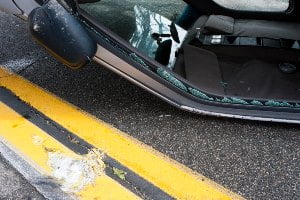
sedan rolled over on roadThe impact from a rollover crash often causes the roof of the vehicle to cave in. For the driver and other occupants, this type of collision is likely to result in catastrophic or fatal injuries.

While there are numerous factors that can contribute to a rollover crash, the main culprit in these crashes is driver negligence. For this reason, victims are urged to meet with a licensed attorney to discuss legal options.

At TSR Injury Law, we know how devastating a rollover crash can be and we are prepared to help victims, at no upfront cost. Our Minneapolis vehicle accident lawyers have obtained millions for crash victims.

Call today to set up your free legal consultation: (612) TSR-TIME.

What is a Rollover Crash?

A rollover crash occurs when a vehicle either rolls over onto its side or flips upside down. Sometimes vehicles stop rolling when they hit the pavement. However, if a vehicle is traveling at a significant speed, it may rollover two or more times before coming to rest.

Sometimes a rollover crash involves two or more vehicles. However, rollover crashes are often single-vehicle crashes where the driver made a dangerous maneuver that caused the vehicle to roll. While single-vehicle rollovers are incredibly dangerous, the risk of a death goes up significantly when more than one vehicle is involved.

How Do Cars Flip Over in a Crash?

Rollover crashes can be divided into two main categories: untripped rollovers and tripped rollovers.

Tripped Rollover Crashes

This is the most common type of rollover crash and occurs when one of the vehicle’s tires digs into soft ground or hits a curb, ditch, guardrail or median. This creates a sudden increase in lateral force, causing the weight of the vehicle to shift to one side, creating the potential to roll the vehicle before regaining control.

A tripped rollover often happens after a collision with another vehicle. The impact could push one vehicle off the road and cause the wheels to hit something that shifts the weight of the vehicle. Tripped rollovers may also be more likely to happen when the roads are slick from rain, snow or ice.

Tripped rollovers can also happen when a vehicle:

  • Bounces over a fixed object
  • Climbs up and over an object, lifting the vehicle off the ground
  • Flips forward, going end over end
  • Falls over, such as if the vehicle goes over a hill or down an embankment

Untripped Rollover Crashes

An example of an untripped rollover crash would be one that occurs when a driver attempts to turn at high speed. As the vehicle turns, gravity and inertia push the vehicle toward the outside of the curve. The weight of the vehicle itself can cause it to rollover. This can be attributed to the force of inertia overcoming your tire’s grip on the road. An untripped rollover like this is more likely to happen if the vehicle is top heavy.

Untripped rollovers can also occur when one vehicle makes evasive maneuvers to avoid a collision with another vehicle. For example, if the driver of a top-heavy vehicle swerves to avoid a rear-end crash, it could rollover in the direction he or she swerved.

What Factors Can Contribute to a Rollover Crash?

There are countless factors that could contribute to a rollover collision, such as:

  • Distracted driving
  • Speeding
  • Drunk or impaired driving
  • Turning too hard
  • Overloading the car with cargo
  • Side impact from another vehicle, such as in an intersection
  • Driving too fast around a corner
  • Losing control of the car and veering down an embankment
  • Inclement weather (rain, snow, ice, road debris, potholes, etc.)
  • Negligence by the designer or manufacturer of the vehicle
  • Drowsy driving
  • Aftermarket tires that grip the road better than stock tires
  • Old, worn tires that do not grip the ground well, which can lead to skidding and rolling over

Negligent driving is a factor in almost all rollover collisions. That means whether you were a passenger in the negligent driver’s car or in another car, you may be able to seek compensation for your damages.

Proving negligent driving can be a challenge. That is why victims need an experienced lawyer to assist them. Insurance companies often downplay car crashes and try to find a reason to deny these claims. They are also far more likely to take a claim seriously if you are represented by an experienced lawyer.

What Types of Vehicles Are Most Likely to Roll Over?

The higher a vehicle is off the ground, the more likely it is to roll over. Large trucks, SUVs and even crossovers have a higher risk of rolling over, either from driver negligence or a collision with another vehicle or fixed object. Full size passenger vans also have a higher risk of rolling over.

It is also important to note, any large vehicles will have a higher risk for rolling over if they are overloaded, particularly if cargo has been loaded on the roofs of these vehicles.

SUVs that have off-road suspensions installed may also have an increased risk of rolling over due to the raised height of the vehicle.

Common Rollover Crash Injuries

There are many reasons why serious injuries are common in rollover collisions. For example, the roof could cave in when the vehicle flips over, the airbags could deploy improperly and cause injury, and if the vehicle rolls multiple times, you could get tossed around and suffer multiple serious injuries.

Some of these injuries include:

  • Traumatic brain injuries from hits to the head or from getting violently shaken around
  • Spinal cord damage
  • Severe fractures
  • Internal organ damage
  • Lacerations, such as from broken windows or broken metal
  • Crush injuries, from a collapsed roof or body parts getting pinned under the dashboard
  • And more

How to Lower the Risk of a Vehicle Rollover

Sometimes there is no way to prevent a crash with another car. However, there are many things you can do to lower your risk of a rollover crash.

For example, avoid going too fast around a corner. This is dangerous no matter what type of vehicle you are in, but particularly in larger vehicles that are higher above the road.

Speeding is a bad idea. Not only is it against the law, but it puts you at higher risk for many types of crashes. If you hit something unexpectedly at high speed, there is a risk you could lose control of your vehicle.

Make sure your tires are properly inflated and balanced. Unbalanced tires can make the car harder to control around corners. Replacing old, worn-down tires is also a necessity.

Avoid distracted driving. If you are driving while distracted, you might not notice an avoidable hazard, causing your vehicle to roll over.

TSR Injury Law is Ready to Assist You. Contact Us

Rollover collisions can have permanent or even fatal consequences. That is why victims should strongly consider talking to an experienced lawyer about their options. An attorney may be able to recover compensation to cover the injuries and damages you suffered.

TSR Injury Law has obtained more than $1 billion on behalf of injured victims in Minnesota. We also take cases on contingency, which means there are no upfront fees for our services.

Have legal questions? We are here to help. Call (612) TSR-TIME.

Sometimes a rollover crash involves two or more vehicles. However, rollover crashes are often single-vehicle crashes where the driver made a dangerous maneuver that caused the vehicle to roll. While single-vehicle rollovers are incredibly dangerous, the risk of a death goes up significantly when more than one vehicle is involved.”
}
},{
“@type”: “Question”,
“name”: “What Factors Can Contribute to a Rollover Crash?”,
“acceptedAnswer”: {
“@type”: “Answer”,
“text”: “There are countless factors that could contribute to a rollover collision, such as:

Distracted driving
Speeding
Drunk or impaired driving
Turning too hard
Overloading the car with cargo
Side impact from another vehicle, such as in an intersection
Driving too fast around a corner
Losing control of the car and veering down an embankment
Inclement weather (rain, snow, ice, road debris, potholes, etc.)
Negligence by the designer or manufacturer of the vehicle
Drowsy driving
Aftermarket tires that grip the road better than stock tires
Old, worn tires that do not grip the ground well, which can lead to skidding and rolling over

Negligent driving is a factor in almost all rollover collisions. That means whether you were a passenger in the negligent driver’s car or in another car, you may be able to seek compensation for your damages.

Proving negligent driving can be a challenge. That is why victims need an experienced lawyer to assist them. Insurance companies often downplay car crashes and try to find a reason to deny these claims. They are also far more likely to take a claim seriously if you are represented by an experienced lawyer.”
}
}]
}
Does Insurance Cover an Auto Accident on Private Property in Minnesota?

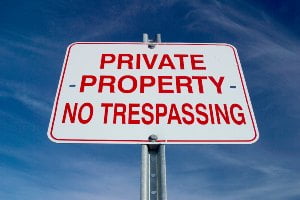
no trespassing sign Do you know your rights after a car crash on private property? Can you file a claim just like you would after a collision on public property? Could the private property owner be held liable?
If you were injured in a crash on private property in the Bloomington area, TSR Injury Law may be able to help you. Our law firm has been working with crash victims for decades, helping them secure compensation for their medical costs and other damages. The initial consultation with an experienced Bloomington vehicle accident lawyer is free, and we are not paid unless you receive compensation.

Below, we discuss some of the things you need to know about private property car crashes and your rights as a victim.

We are ready to take your call. Phone: (612) TSR-TIME.

Common Types of Private Property Car Crashes

There are many different types of car accidents that could happen on private property in Minnesota. These are some of the most common types:

Collisions Caused by Unsafe Road Conditions

Potholes and damaged roads can cause you to lose control of your vehicle, causing a crash with another vehicle or a fixed object, like a road sign, tree or construction barricade.

Crashes With Drivers Backing Out of Parking Spaces

There are many reasons why crashes happen in parking lots. One of the most common is reckless driving while a car is backing out of a parking space. For example, the driver of the car that is backing out may have failed to look before backing up. An accident may also be caused if the driver in the through lane attempts to pass another vehicle backing out of a parking space.

Crashes in Fields or Other Temporary Parking Areas

When you go to concerts, fairs or other events, you may need to park in a field which can be confusing in these locations. Drivers may not know where they are supposed to go, and they may be distracted while they are trying to figure it out.

Crashes on Gravel or Dirt Roads

It can be much harder to handle your vehicle on a gravel or dirt, as opposed to a paved roadway. Unfortunately, drivers may skid or lose control because they are either unfamiliar with driving on gravel or they failed to take precautions while driving on these types of roads.

Crashes in Parking Garages or Narrow Roadways

Parking garages often have narrow through lanes, which makes it hard to safely accommodate two-way traffic. This can make it hard to avoid a head-on collision with another car. Drivers often speed in parking garages, giving you less time to react to avoid a collision, particularly around blind corners.

What Are the Differences Between Collisions on Public and Private Property?

For the most part, private property car crashes are the same as car crashes that happen on public roads. Those involved may suffer injuries and they may also have vehicle damage that needs to be repaired.

That said, there are some key differences between public and private property crashes.

Speed of the Accident

Many private property collisions happen while vehicles are traveling at relatively slow speeds. This is partly because the speed limit on private property is lower than the speed limit on public roads. Drivers may be looking for a parking space or be unsure of where they are going, which often leads to traveling at a slower speed.

However, serious injuries can still occur in crashes that happen at slower speeds. You should never assume the pain or discomfort you feel will go away on its own. You should always seek medical care after a crash. You could be suffering from:

  • Damage to the soft tissues around your joints
  • Broken bones
  • Dislocated bones/joints
  • Whiplash
  • Traumatic brain injury, even if you never lost consciousness

Fault for the Crash

Drivers are often the ones held liable for vehicle crashes. However, sometimes other factors may play a role in a private property collision. If the condition of the road contributed to the collision, the property owner may be at fault.

Property owners have a duty of care to everyone who comes onto their property legally. Generally, property owners need to take reasonable action to avoid putting visitors in an unreasonable amount of danger. If it was reasonable to expect a road condition or other hazard to be fixed or blocked off, the property owner may be liable if the condition causes an accident.

For example, if your crash was caused by a blind corner in a parking garage, the property owner may be liable for the negligent design of the garage. If there were dangerous potholes on a private road and driving over one caused a crash, the property owner may be liable for failing to fill these holes.

Private property owners have the right to set the rules of the road. If they set the speed limit too high, they may be increasing the risk of a crash.

If there is a blind corner, it may be reasonable to put in a light that will blink when the road is clear. Without such a light, it may be almost impossible to judge if you have enough time to make the turn before approaching cars.

What Steps Should I Take After a Car Accident on Private Property?

You should take the same steps you would take after a crash on a public road or highway.

1. Call 9-1-1

Always call 9-1-1 after a crash. The officers investigating the crash will write a report which serves as one of the first official records of what happened. Without a police report the insurance company may say you were injured by something besides the crash. Even if you did not call the police while you were at the scene, you should call them after the fact.

The report contains the other driver’s insurance and contact information and may also contain the officer’s assessment of fault for the collision.

2. Exchange Information With the Other Driver

While you are waiting for the police to arrive, exchange information with the other driver, including:

  • Contact information
  • License plate number
  • Driver’s license number
  • Insurance information

It may be easier to simply take pictures of these documents.

Depending on where the collision occurred, the property owner may be nearby. If so, ask for this person’s contact information.

3. Gather Evidence at the Scene

Depending on the severity of your injuries, you may be able to collect evidence. For example, you could take pictures of both vehicles and record everything you recall from the crash. Make sure you are not putting yourself in harm’s way by staying out of the street and avoiding areas with passing traffic.

There may be security cameras that captured the collision. If you see any cameras, be sure to take pictures of them.

4. Go to the Hospital

It is a bad idea to wait to seek treatment. If you wait to seek treatment your injuries may worsen significantly. You are also making it harder to obtain compensation. Insurance companies may get suspicious about the gap between the crash and when you sought treatment and can use this timeline to bolster their case against you.

Why You Need an Experienced Attorney

There are numerous benefits to hiring an experienced attorney to help you with your car crash claim, including:

  • Comprehensively investigating what happened
  • Obtaining video footage of the collision if it exists
  • Determining if the property owner may be liable
  • Reviewing available insurance coverage
  • Negotiating with the insurance company for fair compensation
  • Filing a lawsuit, if necessary
  • And more

If you have any questions about the benefit of an experienced law firm after a car accident, we are available to answer your legal questions.

TSR Injury Law is Here to Help. Call Today

Car insurance companies are always looking for some way to get out of paying fair compensation to crash victims. That is why victims need experienced legal assistance.

TSR Injury Law has obtained more than $1 billion on behalf of our clients. We have successfully taken on powerful insurance companies and obtained favorable results for our clients.

No upfront fees or legal obligations. Call (612) TSR-TIME.

Minnesota Drivers Not Getting the Message About the Dangers of Distracted Driving

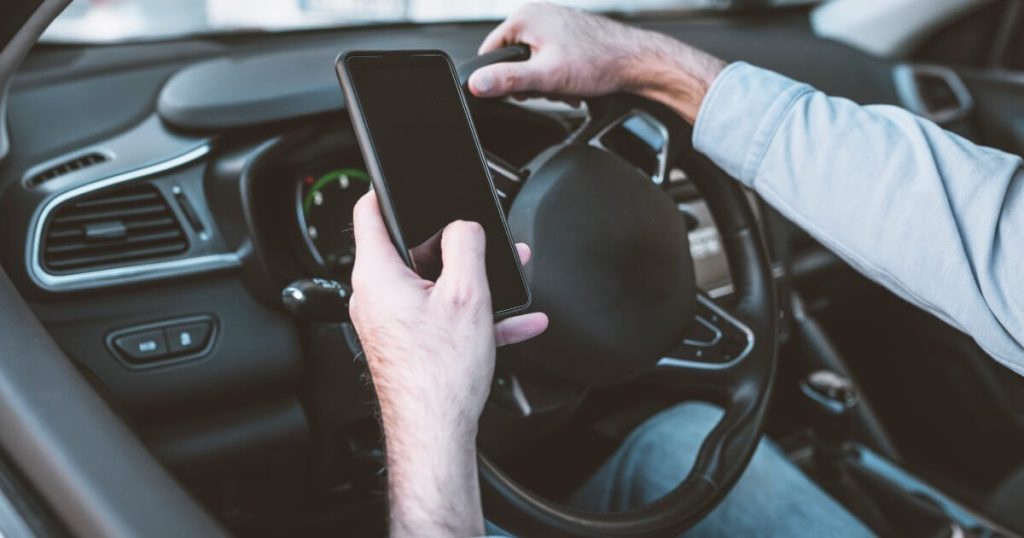
Current image: driver using phone while driving

April was Distracted Driving Awareness Month. All month long, law enforcement in Minnesota was striving to raise awareness about the dangers of distracted driving and the state’s hands-free law prohibiting texting and driving. There were more than 275 agencies in Minnesota taking part in these efforts.

However, despite the extra attention, and four people dying in distracted driving crashes earlier this year, more than 3,400 drivers were ticketed for distracted driving in April.

Below, TSR Injury Law discusses the risks of distracted driving, along with Minnesota’s hands-free law and the penalties for violating it. If you were injured in a distracted driving crash, our Minneapolis vehicle crash lawyers are ready to help you seek compensation for your medical costs and other damages.

Call today. There are no upfront fees. (612) TSR-TIME.

Alarming Statistics on Distracted Driving in Minnesota

Mike Hanson, the director of the Minnesota Department of Public Safety’s Office of Traffic Safety, says it is “mind-blowing” that drivers do not understand why they should not be distracted behind the wheel. Drivers need to be focused on the road, not their phones, food or personal grooming, according to Hanson.

Distractions put drivers at much greater risk of a crash with another vehicle, and the results of these collisions can be devastating. In 2022 alone, 22 people died and there were 126 injuries attributed to distracted driving collisions in Minnesota.

Distracted driving is not just dangerous, some forms of it are illegal in Minnesota. Starting August 1, 2019, it became illegal to hold your phone or other electronic devices while you are driving. You are allowed to use your phone to make a call, send a text, listen to podcasts or music, or to get directions. However, this is only legal if you do so with voice commands or by activating the device with one touch.

The first distracted driving offense comes with a $120 fine. The second offense and subsequent offenses come with a $300 fine. You will also be responsible for paying court fees.

While distracted driving was a factor in one of every 11 car crashes in Minnesota between 2018 and 2022, the news is not all bad. In 2022, the number of deaths and serious injuries from distracted driving crashes hit their lowest levels since the hands-free law was passed in 2019.

What Are the Risks of Distracted Driving?

Distracted driving means operating your vehicle while your attention is diverted from the task of driving. Common examples of distracted driving activities include:

  • Texting
  • Personal grooming
  • Conversations with passengers
  • Eating

There are three main types of distracted driving:

  • Cognitive distractions – A cognitive distraction is one that affects your concentration while you are behind the wheel. For example, talking on the phone or texting are examples of things that divert your concentration from driving. Even if you are not looking at your phone, your brain is focused on the conversation. Your brain can only focus on so many things at a time, which is why cognitive distractions are so dangerous. Other examples of cognitive distractions can include thinking about something that stresses you out or simply being excited about where you are going.
  • Visual distractions – Visual distractions are things that take your eyes off the road. For example, you may look away from the road to adjust the air conditioning or the radio. Other common examples may include talking to your child in the back seat or watching a weck on the side of the road while driving by.
  • Physical distractions – These are distractions that result in the driver taking one or both hands off the wheel. Some examples include taking your hands off the wheel to eat or drink, or simply grabbing a dropped toy or device for a child.

Many distractions fall under all three categories. For example, texting takes one hand off the wheel, while also taking your eyes off the road and your mind off the task of being a safe driver.

The problem with distracted driving is that it makes it harder to operate your vehicle safely and avoid a collision. For example, if you look down at your phone for just five seconds while traveling at 55 miles per hour, you will have traveled the length of a football field. This dramatically increases the risk of a crash.

Texting and driving is often a contributing factor in rear-end collisions. Drivers are looking away from the road and when they look back, they are unable to stop before crashing into the back of the car in front of them. If they were paying attention, they would have been more likely to notice the stopped car in time to slow down and avoid a crash.

Distractions like conversations with passengers or anxiety about something going on in your life might not pull your eyes away from the road. However, your lack of concentration could result in speeding, a failure to stay in a lane, or failure to use a turn signal.

While many drivers say they understand the dangers of being distracted, they continue to engage in distracted driving behaviors. Many people are unaware of how long they are not focused while driving.

Call TSR Injury Law to Discuss Legal Options After a Crash

If you were injured or lost a loved one because another driver was distracted, our experienced lawyers may be able to help you seek compensation. Our firm has decades of experience helping Minnesota crash victims recover the compensation they need.

There are no upfront costs or fees with our services. The initial consultation is also free of charge. If we do not recover compensation, we do not get paid.

TSR Injury Law. Experienced Lawyers. Proven Results. Call (612) TSR-TIME.

Illegally Parked Car Crashes: What You Need to Know About Filing a Claim in Minnesota

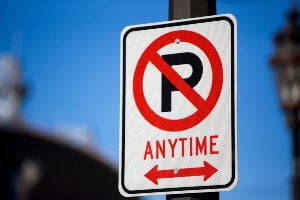
no parking sign on poleIf one of the vehicles involved in a car crash was parked, the driver of the other vehicle is most likely at fault. The situation could become more complicated if the car that got hit was illegally parked.

Is it possible for the driver who illegally parked the vehicle to be found partially at fault? What if the parked vehicle was hard to see?

Victims of illegally parked car crashes who were injured may be able to file claims for compensation. If you have questions after a Minnesota car crash, contact TSR Injury Law’s Minneapolis vehicle accident lawyers. We can discuss legal options and we have the resources and experience to guide you through the legal process.

TSR Injury Law. No upfront fees. Call (612) TSR-TIME.

What is the Definition of an Illegally Parked Vehicle in Minnesota?

An illegally parked vehicle is one that is parked in violation of state law. Under Section 169.34 of Minnesota Statutes, it is illegal to park a vehicle in any of the locations listed below:

  • Sidewalk
  • In an intersection
  • In a crosswalk
  • At the front of a driveway, whether public or private
  • Within 10 feet of a fire hydrant
  • Within 20 feet from a crosswalk at an intersection
  • Within 30 feet of a flashing beacon, stop sign or other traffic-control signal on the side of the road
  • On any elevated structure on a highway (bridge) or in a tunnel, unless the law says otherwise
  • Within 50 feet of railroad crossings
  • In a bicycle lane, unless a sign permits parking
  • Anywhere that signs prohibit parking
  • Next to a vehicle that is stopped or parked at the curb or street’s edge
  • Next to an excavation of the street or any obstruction if your vehicle would obstruct traffic or cause traffic to stop
  • Less than 20 feet from an entrance to a fire station or on the side of any street within 75 feet of the entrance
  • Between an adjacent curb and a safety zone; inside of 30 points from the curb that is opposite the end of the safety zone

The only time parking in any of these locations may be legal is if it is necessary to avoid other traffic, or you are being directed to park in these locations by the police or a traffic control device.

Parking in any of these locations is not only illegal, but it can also increase the risk of another car hitting yours. Parking rules are meant to prevent you from getting into a crash and prevent passing cars from hitting yours.

A crash with a parked car could cause serious injuries. Even though the other car was not moving, you may have been going fast enough to cause extensive damage. Even at 20 mph, you could suffer a serious injury that creates significant medical bills. For example, your head could whip forward, causing whiplash. You could also suffer other soft-tissue injuries such as sprains and contusions. This is why it is so important for drivers to only park or stop their vehicles where the law allows.

Who is at Fault for an Illegally Parked Car Crash in Minnesota?

Typically, if a crash involves one vehicle that was stopped and another that was in motion, the driver of the car that was moving is likely going to be held liable. However, the situation is more complicated when one of the vehicles was parked illegally.

In these situations, one of the most important questions is whether you could have avoided a collision with the parked vehicle. If the crash happened in the daytime and the other car was clearly visible, it would be difficult to hold the other driver at fault.

Even if another driver does something illegal, you may have time to slow down, stop or change lanes to avoid a crash. If it was reasonable for you to take steps to avoid a collision and you did not, the crash may be your fault. If you are unable to avoid a collision because you were distracted or speeding, you are probably the at-fault party.

However, if you were on a dark street at night and it was hard to see a double-parked vehicle, it may have been much harder for you to avoid a crash. For example, if you were coming around a blind corner and a vehicle was stopped in the middle of the road or halfway in the road and another car is coming in the other direction, you might be unable to slow down or stop to prevent a crash.

Another example would be a collision in a roundabout, particularly if the crash happened at night. Sometimes it is difficult to see around the curve of a roundabout because of landscaping in the middle. If a car is stopped, you might not see it until you are right up behind it and a collision may be unavoidable.

If a driver’s car stops running for some reason and the driver stops the car in the middle of the road, without turning on his or her hazard lights, that driver might be partially at fault for a collision with a passing vehicle.

What if I Was in the Parked Vehicle?

Even though you broke the law by parking where you did, another driver may be the sole party at fault for the collision. You may be able to seek compensation from that driver’s liability insurance policy. The other driver that hit you may have been negligent for hitting your car, especially if they were driving reckless, or under the influence of drugs and alcohol.

Illegally parked car crash cases can be complex, which is why you should discuss the situation with an experienced attorney.

What Happens if the Other Driver is Partially at Fault?

In Minnesota, you are responsible for the percentage of damages that corresponds to your percentage of fault for a collision. In other words, if you are found to be 20 percent at fault, you can only recover 80 percent of the cost of your damages. State law also prohibits you from recovering compensation if you are more at fault than the other party involved in the claim.

What this means for a crash with an illegally parked vehicle is you could only recover compensation in a liability claim if your percentage of fault was less than the other driver’s percentage of fault. Any percentage of fault you bear will be deducted from compensation you recover.

Filing a Claim After a Crash With an Illegally Parked Car

Even if you cannot file a liability claim against the driver of the parked car, you should be able to file a no-fault claim with your own insurance company. Minnesota is a no-fault state, which means drivers are required to purchase personal injury protection insurance. This type of insurance covers medical expenses and other damages no matter who is at fault for a crash.

What to Do After an Illegally Parked Car Crash

You should move your vehicle out of the flow of traffic. If it was hard for you to avoid a crash, it may be hard for other drivers to avoid one as well.

It is illegal to leave the scene of a car crash. If you hit a parked car and the owner is not there, you should leave a note on the parked car. The note should include your contact information, insurance information and other information you would exchange with the driver if he or she was there.

It is also understandable to expect you to make a reasonable effort to find the driver. If anyone else is there, ask if they know the driver or how to contact him or her.

If you were injured, you should call 9-1-1. They will most likely send a police officer to the scene to investigate and complete a report as well as an ambulance for medical evaluation.

While you wait for the police to arrive, you can try to collect evidence. This could include pictures of the damage to both of your vehicles. You can also photograph the location and damage created by the crash, such as skid marks or debris. That said, be cautious. You do not want to be walking around in an open lane of traffic and risk getting hit by a passing car.

Call to Discuss Your Car Crash

Many car crash victims think they do not need an attorney. They assume they can file an insurance claim on their own and get the compensation they need.

However, your injuries could be worse than you think. Insurance companies routinely try to underpay claims, even if victims were seriously injured.

TSR Injury Law has been taking on insurance companies for decades. Our attorneys have secured millions for crash victims and our services come with no upfront fees.

We are ready to help you seek compensation. Call (612) TSR-TIME.

Eye Injuries From Minneapolis Car Crashes: How They Occur and What Victims Should Know

man with bandages over eyesWhile car crash eye injuries do not get as much attention as spinal cord or traumatic brain injuries, they are quite common. These injuries could result in temporary or even permanent loss of vision, which would be devastating on multiple levels.

Below, TSR Injury Law’s experienced attorneys discuss common eye injuries that occur in motor vehicle collisions, including how they occur, their symptoms and their long-term effects.

Did you suffer an eye injury in a collision? Our Minneapolis auto accident attorneys are here to help and there are no upfront fees charged with our services.

Call us to set up your free legal consultation: (612) TSR-TIME.

How Could a Car Crash Cause an Eye Injury?

There are many ways crash victims could suffer damage to one or both of their eyes in a crash. Common causes of car crash eye injuries include:

  • Debris, including glass, flying into your eyes
  • Being hit in the face by the airbag at impact – the change in velocity can damage your eyes
  • Hitting the steering wheel or the dashboard
  • Toxic chemicals released by the airbag getting into your eyes
  • Eye damage caused by your head getting shaken severely during the collision
  • A brain injury that results in impaired vision
  • Ejection from the vehicle during the collision

What Types of Eye Injuries Can Happen in Vehicle Collisions?

Car crashes could cause vehicle occupants to suffer various eye injuries, including:

Detached Retina

This is an injury that needs to be treated as soon as possible, otherwise, you might suffer permanent loss of vision in the eye.

The retina is the light-sensitive tissue in the back of your eye. Blunt force trauma to the head during a car crash could damage the tissue or cause it to detach. That said, retinal detachment can occur even without your head getting hit during the crash. If the crash shakes your head around violently enough, your retina could detach.

Orbital Bone Fractures

Blunt trauma to your face could cause the portion of your skull surrounding your eyes to fracture. For example, this might happen if you hit your face on your steering wheel or dashboard. It is also possible for the airbag to cause orbital bone fractures when it deploys.

Car crash orbital fractures are an indication of the force generated during a car crash. The orbital bones are some of the strongest bones in your body, which means it takes significant force to cause them to break.

If you suffer an orbital bone fracture, doctors should evaluate you for a brain injury and determine the severity of your eye injury.

Hyphema

This occurs when blood leaks into the anterior chamber of one of your eyes. The anterior chamber is the space between your iris and cornea. Referred to as hyphema by medical professionals, the collection of blood in the font of the eye is often a symptom of serious damage to one of your eyes.

Corneal Abrasion

This injury is also referred to as a scratched eye. This is often caused by a sharp object, such as glass or debris, hitting your eye and scratching it.

One of the dangers of a corneal abrasion is that your eye is more susceptible to becoming infected by fungus or bacteria. It can take just one day for bacteria or fungi to damage your eye after entering through a corneal abrasion. Victims may also become temporarily blinded.

Vitreous Hemorrhage

The gel between your lens and retina is known as the vitreous humor. If blood gets into this area, you could experience blurry vision, floaters and flashes of light.

Optic Nerve Injury

Bleeding in your eye is dangerous because it could put pressure on your optic nerve. This nerve sends signals from your retina back to your brain. If there is too much pressure, circulation could get cut off, potentially causing permanent or temporary blindness.

Globe Rupture

A blunt object, such as a shard of glass or some other type of debris could penetrate your eye during the collision. This is a serious injury that may result in long-term or permanent damage to your eye, which might include blindness.

Chemical Burns

Car crashes could cause the release of hazardous chemicals that could get into your eyes. For example, defective airbags might release toxic chemicals when they deploy. You need to be careful after the crash not to rub a harmful chemical in your eyes with your hands.

Sometimes harmful substances merely cause eye irritation, leaving your eyes red for a time. However, the damage could be more severe.

Eye Lacerations

While some sharp objects might not enter the eye, they may slash it, causing a laceration, which is a severe cut. Often lacerations may heal on their own. But in the eye, it could cause more serious damage and should therefore not be taken lightly.

Black Eye

If you hit your face during the crash, you may develop a black eye. This happens when there is bleeding under the skin, resulting in discoloration of the skin around the eyes.

You might dismiss this injury as something that will heal on its own. While you may be right about the black eye, it may also be a symptom of a more serious underlying eye injury.

How Do You Know if You Suffered an Eye Injury in a Crash?

Eye pain and vision issues are common signs of an eye injury after a car crash. Here is a list of some of the common symptoms of serious eye injuries:

Symptoms of Eye Damage

  • Black eye
  • Floaters in your vision
  • Blurry vision
  • Loss of vision
  • Sensitivity to light
  • Serious headaches
  • Redness in your eyes
  • Blood in the eyeballs
  • Your eyes feel heavy
  • Impaired peripheral vision
  • Shadow in your vision
  • Double vision
  • Loss of visual acuity
  • Pain in your face around your eyes
  • Swollen eyelids
  • Infection in your eye

How a Car Crash Eye Injury Could Impact Your Life

The ability to see is essential for many activities. Impaired vision can have a devastating impact on your ability to do these activities and can inhibit many other facets of your life as well.

Effect on Your Career

If you suffer permanent vision loss or impairment, you may be unable to return to the same job you had before the crash. You may need to start a new career that does not rely as much on vision.

At the very least, you may need to take days or weeks off work, which causes you to lose income. This makes it harder to pay your bills and support yourself and your family. In addition, you will likely need expensive medical care to give your injury the best chance to heal.

Non-Economic Effects of an Eye Injury

The non-economic damage resulting from an eye injury should not be underestimated. Victims may not be able to play with their children in the way they did before. The injury could also affect your relationship with your spouse, coworkers, and other family members. You may be unable to take part in the types of hobbies and leisure activities you once enjoyed which is why it is so important to get representation that will fight to get you the compensation you deserve, allowing you to focus on family and recovery.

Brain Injuries

Sometimes an eye injury accompanies a brain injury and traumatic brain injuries could result in long-term problems. These injuries could change the rest of your life, meaning you may need more help with daily activities because of cognitive deficits.

Compensation For Your Eye Injuries

If you suffer an eye injury in a car crash, you may be eligible to recover significant compensation. This may include compensation for:

  • Emergency care right after the crash
  • Surgery
  • Prescription medication
  • Ongoing medical care to monitor your recovery
  • Medical testing to diagnose your injuries
  • Pain and suffering
  • Lost enjoyment of life
  • Lost wages
  • Loss of earning capacity
  • Lost companionship
  • And more

Why You Need an Attorney to Help You Recover Full Compensation

One of the most important things to do after a car crash besides getting medical treatment is to contact an attorney. You may need significant compensation and you should not rely on insurance companies to settle your claim for what they believe it is worth.

By hiring an experienced attorney, you can rest assured knowing your case is in good hands and the appropriate steps are being taken to fight for your rights. The licensed attorneys at TSR Injury Law have been advocating for crash victims for decades and have secured significant compensation on their behalf.

Our firm knows how to build a strong case, and we have the resources to take the appropriate steps to do just that.

Did You Suffer an Eye Injury? Contact TSR Today

If your eyes were damaged in the crash, or you suffered another serious injury, we may be able to help you secure compensation so you can obtain the medical treatment you need. When we take a car crash case, our focus is on getting you full and fair compensation to help you deal with the effects of your injuries.

At TSR Injury Law, we have been securing millions for vehicle crash victims for decades. In total, our firm has recovered more than $1 billion on behalf of injured victims in Minnesota.

TSR Injury Law: No fees unless we win. Call us at (612) TSR-TIME.

5 Steps You Should Take After a Crash With an Amazon Delivery Truck in Minnesota

Amazon ships hundreds of thousands of packages every day. That means any time you drive, there is a good chance you are going to see an Amazon delivery truck.

What you might not know is that many of the drivers operating these vehicles are inexperienced. This is largely because there is a high turnover among Amazon delivery truck drivers. If you combine that with the fact they deliver about 250-300 packages per day, it significantly increases the risk of being involved in a crash.

If you get injured in a collision with an Amazon delivery truck, there are certain steps you should take to protect your health, safety, and the potential for a claim compensation. Bloomington car accident attorneys are ready to help you, at no upfront cost.

Call TSR Injury Law today to discuss your claim: (612) TSR-TIME.

1. Call the Police to Report the Crash With the Amazon Truck

One of the first things you should do after any type of motor vehicle crash is to call the police. Minnesota requires you to call the police after any crashes that cause:

  • Injuries or fatalities OR
  • $1,000 or more in property damage

When the responding officer arrives, he or she will assess the scene, evaluating the damage to both vehicles and making note of any injuries. The officer’s observations will be noted in an accident report, which will help you when pursuing insurance compensation. In essence, the report helps connect your injuries and property damage to the collision.

Responding officers will also take whatever steps are necessary to help secure the scene and keep passing drivers away from the scene. This is important for keeping you and the truck driver safe while the officer assesses the scene and completes a report.

When you call the police, be sure to tell the dispatcher if they should send an ambulance to provide treatment and/or transportation to the hospital.

You may think your injuries are not that serious, but this is not something you should determine on your own. Instead, err on the side of caution and allow a licensed medical professional to evaluate your injuries.

Amazon trucks are often much larger than the vehicles they hit, which could result in severe injuries, such as:

  • Broken bones
  • Traumatic brain injuries
  • Internal injuries
  • Back injuries
  • Soft-tissue injuries like whiplash
  • Spinal cord injuries

2. Exchange Information With the Amazon Driver

While you wait for law enforcement to arrive, you should exchange information with the Amazon truck driver, including:

  • The driver’s name
  • The driver’s insurance information – Does he or she have coverage from Amazon? Does he or she have commercial insurance?
  • Whether the driver is on duty – if the driver is on duty, Amazon and its insurance carrier may be liable for your damages
  • Contact information
  • The license plate number of the truck – take a picture of the plate or write down the number

3. Get Medical Care for Your Injuries

You may be able to seek compensation for the crash, but your health is the priority. The first place you should go after leaving the scene is the emergency room. There you can be seen by qualified medical professionals to identify your injuries and begin to take steps to stabilize them.

Seeking immediate treatment is not only important for your health, but also your claim. Immediate treatment leaves little doubt about the cause of your injuries. If you wait to go to the hospital, insurance companies are likely going to claim your injuries were caused by something else.

4. Document the Crash

It is certainly helpful when our clients gather information about their crash while they are at the scene. However, this should only be done if you will not be putting yourself in danger or aggravating your injuries. If you are unable to move your car out of the flow of traffic and away from danger, it may be best to stay in your vehicle until the police arrive.

Some of the ways you can document the scene of your Amazon delivery truck crash include:

  • Photographing both vehicles
  • Photographing debris created by the collision
  • Taking pictures of visible injuries
  • Asking witnesses for their contact information
  • Writing down or recording a video on your smartphone in which you describe what you remember about the crash (what you were doing, what it looked like the other driver was doing, what you believe to be the cause of the crash)

5. Call an Experienced Lawyer

You may think about calling the liable insurance company to file a claim and begin the process of pursuing compensation. However, if you have a significant injury, insurance companies are going to look for some reason to deny your claim. They may also offer a tiny sum of money to settle your claim. Even if the offer sounds like a lot, there’s a good chance it’ll be nowhere close to the actual value of your damages.

In addition, you may have a long-term injury, which means you may need significant compensation for months or even years down the road. In these situations, you need an experienced attorney to help you seek full compensation. Without full compensation, you might not be able to get all the treatments your doctor recommends. Financial struggles may also arise if you are unable to work due to your injuries. This is even more reason to reach out to an experienced lawyer for options and advice.

Talking to the insurance company can be a bad idea because you might say something that hurts your claim:

  • “I will be OK.”
  • “I should have been more careful.”
  • “I aggravated my back injury.”
  • “I could not see the truck.”

These are just a few examples of innocent statements victims often make. However, things you say can be used against you and could hurt your claim for compensation.

You should not try to take on powerful insurance companies, especially those associated with a huge company like Amazon, on your own. At TSR Injury Law, our experienced attorneys can manage the entire legal process on your behalf. This means we can:

  • Determine the liable insurance companies
  • File your claim
  • Determine the full value of your damages
  • Negotiate for compensation
  • Gather evidence to build a strong case
  • Bring in experts when necessary (medical experts, accident reconstruction experts, etc.)
  • And more

We have the resources and experience to manage your case from start to finish, and there are no upfront costs.

Can Amazon Be Held Liable for Your Crash?

This is just one of many examples of a question that an experienced attorney from our firm can answer. Often the answer to this question is no. Amazon is not going to be held liable for damages from a crash caused by an Amazon delivery driver.

Amazon delivery truck drivers are independent contractors. They are not employees of Amazon, even though:

  • Drivers wear uniforms with the Amazon logo.
  • Drivers operate Amazon trucks.
  • Amazon determines drivers’ routes and supplies – they control drivers’ schedules.

It is cheaper to employ independent contractors because they do not have the same rights as employees. Part of the reason it is cheaper is that Amazon is unlikely to be held liable for damages caused by the actions of independent contractors.

All of this means Amazon is probably not directly liable for your damages. Your lawyer will likely need to file a claim with the private insurance policy held by the independent contractor. Amazon may have hired the driver through another company. If so, they may have insurance coverage for the driver who caused your crash.

Minnesota is a no-fault state, so you can also seek first-party compensation from your own car insurance coverage. This could include compensation for medical expenses and other damages.

What if the Driver Was Using His or Her Own Vehicle?

The Amazon Flex program allows people to deliver packages for Amazon using their own vehicles. If the at-fault driver was using a personal vehicle, you may have a compensation claim from that driver’s personal auto insurance policy.

Amazon also provides a commercial auto insurance policy for these drivers. Compensation from this insurance may be available if you exhaust the driver’s personal insurance policy.

Compensation for an Amazon Delivery Truck Crash

Victims of Amazon delivery truck crashes may be able to seek compensation for economic and non-economic damages, such as:

  • Past and future medical costs
  • Lost wages
  • Lost earning capacity
  • Damage to your vehicle
  • Pain and suffering
  • Cost of replacement services
  • And more

Call TSR Injury Law to Discuss Your Car Crash Claim

Do you have questions after getting injured in a crash?

TSR Injury Law has been helping victims of motor vehicle crashes for decades, securing millions on behalf of our clients. Overall, our firm has obtained more than $1 billion for our clients.

An initial consultation is free, and there are no upfront fees for our services. We are not paid for representing you unless we secure compensation.

Contact us right away. Phone: (612) TSR-TIME.

Could My Medicinal Marijuana Prescription Be Used Against Me After a Minneapolis Car Crash?

prescription bag with green crossMedical marijuana became legal in Minnesota in 2014. According to Minnesota’s Office of Medical Cannabis, there were more than 40,000 patients in the state’s Medical Cannabis Registry as of March 23, 2023. There is no doubt that many of these patients drive, which also means they could be involved in crashes.

If an insurer finds out a crash victim has a prescription for medical marijuana, you can be sure the insurer will try to use this fact against them. Even if you have been following Minnesota law and using medical marijuana responsibly, the insurance company may say you caused, or partially caused the crash.

TSR Injury Law’s experienced Minneapolis auto accident lawyers discuss medical marijuana and car crash liability. If you were injured in a crash caused by another driver, we are here to help.

Free Consultation. No Upfront Fees. Call (612) TSR-TIME.

Seeking Compensation After a Minnesota Car Crash

It is important to remember Minnesota is a no-fault state, which means you can seek compensation from your personal injury protection (PIP) insurance no matter who is at fault. PIP provides compensation for hospital and medical bills, along with lost wages and replacement services.

After some crashes, your lawyer may also recommend filing a liability insurance claim against the at-fault driver. It will be up to your attorney to provide evidence that the other driver’s actions were the cause of the collision that resulted in your damages.

In a liability insurance claim, a crash victim’s medicinal marijuana prescription may come into question. As the insurance company is going to try to use this against the victim, it is important for victims to inform their attorneys if they have a prescription.

Keep in mind that insurance companies may try to use prescriptions for other medications against you as well. This is especially true if you are taking medications that causes drowsiness or other side effects that affect your ability to safely operate a car.

Who Can Get a Prescription for Medical Marijuana in Minnesota?

Use of medical marijuana in Minnesota is only legal for people with certain medical conditions, including:

  • Cancer
  • Alzheimer’s
  • Chronic pain
  • HIV/AIDS
  • Seizure disorders
  • Tourette syndrome
  • Post-traumatic stress disorder
  • Sleep apnea
  • Crohn’s disease
  • Glaucoma
  • Autism
  • ALS
  • Illness that is expected to cause death within one year

How Medical Marijuana May Impair Your Ability to Drive

Even though you have a prescription, the Minnesota Department of Health advises patients not to drive or operate heavy machinery while experiencing the effects of medicinal cannabis. These effects can include delayed reaction time and impaired reflexes.

The duration of side effects from medical cannabis depends on many factors, such as:

  • How much you have used
  • How long ago you used it
  • How your body responds to the use of marijuana
  • The amount of THC in the marijuana you consumed
  • If you drank alcohol while under the influence of marijuana

While these factors must be considered when determining how long marijuana affects a user, side effects typically last several hours.

If you get into a car crash while you are still experiencing side effects from the use of medical marijuana, you could bear some amount of liability for the collision. This is especially true if there is evidence your negligence behind the wheel was at least part of the reason for the crash. For example, if you rear-ended another vehicle, it is easier for the opposing side to argue your reaction time was delayed. It is a reasonable argument that your medical marijuana use was the reason why you did not stop in time to avoid a collision.

Could You Be Held Liable Because of Your Medical Marijuana Prescription?

It would be difficult for the insurance company to hold a medical marijuana prescription against you if:

  • Evidence supports that you were not driving recklessly during the crash
  • You have a valid prescription
  • You can establish responsible use of medical marijuana

It is important that victims of a car crash hire an attorney who is prepared to take the case to court. The possibility of going to court is often motivation enough for insurance companies to increase their offer of compensation.

Many insurance companies are also unwilling to risk going to court If your lawyer has strong evidence that is likely to convince a jury. Not only could the insurance company lose the lawsuit, but they may also end up paying much more than they would have had to pay in an out-of-court settlement.

The bottom line is that if you’ve suffered injuries in a crash that was not your fault, you need an experienced lawyer, with a history of results, fighting for the compensation you need.

Each car crash and resulting legal case is different. If you have questions about how a medical marijuana prescription may affect liability for the crash that injured you, contact us for assistance.

What if I Have a Positive Drug Test?

Another factor to consider is that even if you were not experiencing side effects, marijuana is likely to show up on a drug test weeks or even months after it is consumed. That is why you may need testimony from a doctor about how much THC was in your system and whether that amount would be enough to impair you as a driver.

This is yet another reason why crash victims, including those who use medical marijuana, need an experienced lawyer who is prepared to handle a complex car crash claim. An experienced lawyer knows how to find relevant experts to help build a strong case.

Were You Injured by a Negligent Driver? Call TSR Today

We have helped countless victims of car crashes in Minneapolis and throughout the state. We know the many challenges victims face, including the physical and emotional challenges presented by their injuries. We also know how devastating a car crash injury can be to your finances.

Our experienced attorneys are here to help you pursue the compensation you need for your injuries and damages. We have the legal knowledge and resources to guide you through the legal process.

We know many crash victims are concerned about the cost of hiring a lawyer, but at TSR there are no upfront costs. We do not get paid unless you receive compensation.

Have legal questions following a crash? Call TSR today: (612) TSR-TIME.

Why Leg Pain Following a Minnesota Crash Could Be a Sign of a Leg Injury

man with bandaged leg on couchCar crashes can cause devastating injuries to your legs, ankles and feet. Severe leg injuries can also make it difficult to walk and can often limit your ability to complete everyday tasks, both at home and in the workplace.

If you experience leg pain, instability, numbness or any other unusual symptoms in the hours and days after the collision, it is important to seek medical care right away as you may have suffered from one of the leg injuries detailed below.

TSR Injury Law has helped many victims, including those who suffered leg pain caused by debilitating car crash injuries. Our firm has obtained more than $1 billion for the injured in Minnesota.

The Bloomington-based car accident lawyers at our firm operate on contingency, which means we charge no fees unless we win your case.

Call today to schedule your free consultation: (612) TSR-TIME.

How Your Legs Could Get Injured in a Crash

There are five regions in your legs. Each part works in conjunction with the others to allow you to stand and walk. Damage to even one part can cause significant impairment.

  • Upper legs or thighs –The bone inside the thigh is the femur. There are three hamstrings, five adductors, and four quadriceps. There are also the pectineus and sartorius muscles. While an injury to the femur is the most severe upper leg injury from a car crash, damage to the muscles surrounding it can also be serious. Injury to your adductors could potentially affect your balance, while an injury to the pectineus muscles could affect pelvic stability.
  • Lower legs (calves) – The two bones inside the lower leg are the shin bone, also called the tibia, and the calf bone, also called the fibula. Nerves, muscles and tendons, like the Achilles tendon, connect the lower leg to the ankle and is essential for bearing weight. Any severe damage caused to this region is likely to affect your ability to walk, stand, run and jump.
  • Knees – The largest joints in your body are your knees. Unfortunately, these joints are also the easiest ones to injure. There are many components to the knee, such as the patella, cartilage, menisci, ligaments, 14 bursa and numerous tendons. Damage to any one of these components can be debilitating and make it harder to walk or perform everyday activities.
  • Ankles – The ankle consists of a bone that joins the tibia and fibula in your lower leg. Your medial and lateral ligaments help to keep your ankles stable. A twist, sprain or break in the ankle can have devastating consequences for your mobility.
  • Feet Your feet have numerous bones, muscles, ligaments and tendons all working together to help you maintain balance. Just one broken bone or a strain on a few muscles, ligaments or tendons can make it harder to maintain balance.

Oftentimes, leg injuries are the result of a leg getting pinned between two things in the car, or your leg striking something, such as the steering wheel or under the dashboard. A side-impact collision could also cause the side door to cave in, potentially causing you to strike your knee as well as your upper and lower leg. Leg injuries are particularly common in front-impact collisions.

Pain and Other Symptoms of a Leg Injury From a Car Crash

Crash victims are strongly encouraged to investigate pain and other symptoms in their legs as quickly as possible. Each injury is different, with some victims experiencing vastly different pain than others. While there are some leg injury victims who may be mildly uncomfortable, others may experience throbbing or shooting pain in various regions of their legs.

Leg injury symptoms to watch for include:

  • Burning pain that moves up and down your legs: It is important to seek treatment, especially if the pain is located in your legs that were hurt during the crash.
  • Sharp, throbbing pain, particularly when you put weight on the leg: Not getting treatment right away and continuing to put weight on the injured leg could cause further damage as a fractured bone may start to heal incorrectly causing a greater problem.
  • Instability when standing or walking: If you feel weakness or pain, it could be due to ligament damage, a broken bone in your leg, or even a disc injury in your back.
  • Clicking or popping noises when you move your knee or ankle: This may indicate joint damage.
  • Numbness or feeling of pins and needles: This could indicate you sustained nerve damage in your legs. However, you may also have sustained a back/spinal cord injury that radiates into the legs.
  • Stiffness in your legs: This may indicate muscle strain or more severe joint damage. The initial stiffness from a crash usually dissipates after a few days. Ongoing stiffness may indicate a more severe injury.

If you notice these and other symptoms following the crash, you should go to the hospital right away. Waiting to seek treatment allows the pain to get worse and could also mean a longer recovery. There may also be a greater potential for long-term or chronic symptoms to develop.

How Long Can It Take for Injury Symptoms to Appear?

Most vehicle crash injuries make themselves known immediately. Fractures, blood loss or excruciating pain will obviously be known right away.  However, there are times when symptoms are delayed. For instance, you may experience delayed leg pain after a car crash.

If your leg gets punctured in a crash, you may consider it to be a minor wound and not seek treatment. However, over the next several days and weeks, you could end up with an infection. When infections are left untreated, they can cause damage to nerves and organs. In extreme cases, an untreated infection in your leg may result in amputation.

If you hurt your knee in the crash, it might not seem that bad at first and you may think the pain will go away on its own. However, knee pain could indicate a torn ligament and by continuing to walk around on your leg, you could cause further injury and lengthen your recovery time.

How Do You Know if a Leg Injury is Serious?

If your symptoms do not improve after a day or two, or they get worse, you likely suffered a significant injury. If you experience trouble walking, putting weight on one of your legs, or feel prolonged stiffness, you should seek medical treatment right away.

7 Types of Leg Injuries That Could Happen in a Collision

There are numerous leg injuries that could occur in a car crash. Below, we discuss several of the most serious car crash leg injuries:

  • Fracture of your thigh bone – This is the longest, thickest and strongest bone in your body. It is not going to fracture unless a tremendous amount of force is applied. That is why recovering from a femur fracture often takes so much time, often six months or more. Because of this, doctors often need to perform surgery to repair this type of break and may need to insert a permanent metal rod in the middle of the thigh bone to assist healing.
  • Broken fibula or tibia – Often these injuries happen when part of the leg gets trapped between things in the car, like the floor, steering wheel or dashboard.
  • Damage to your anterior cruciate ligament (ACL) – A tearing of your ACL is painful, and victims often cannot put any weight on the injured leg while it heals.
  • Damage to the sciatic nerve – If your spine gets misaligned during the impact, your sciatic nerve can get pinched. If this happens you could experience everything from numbness in your extremities to shooting pain down your leg.
  • Bursitis in the knee – Your knee has cushiony sacs that are called bursae. These sacs act as padding for your muscles, bones and tendons in your knees. If one of these sacs becomes inflamed, you could experience painful swelling in your knee and other problems with the joint.
  • Tear of your meniscus – Twisting of the cartilage in your knee could result in a tear of your meniscus. This can cause stiffness and pain in your knee, particularly when standing or walking. This injury can occur by slamming on the brakes at impact and twisting you leg.
  • Broken feet, ankles or pelvis – There are numerous bones in your feet, ankles and pelvis. Any one of these bones has the potential to break, which can lead to devastating consequences.

Medical Treatment For Leg Injuries After a Car Crash

There are multiple steps involved in treating a leg injury. While each injury is unique, treatment is often similar. For some people, treatment may take longer, based on factors like:

  • Severity of the injury
  • Response to treatment
  • Age
  • Overall health
  • Complications, including complications during surgery, such as an infection

How Are Broken Leg Bones Treated?

A broken bone needs to be set and immobilized to allow it to heal correctly. Immobilization is done through the use of a brace or cast. As discussed above with femur breaks, doctors may need to insert a rod to bring broken bones back together.

Patients may also be prescribed anti-inflammatory medications to reduce swelling while other patients may require corticosteroid injections.

How are Leg Ligament Injuries Treated?

Ice and elevation of the injured part of the leg, compression with an elastic bandage and limited activity is a typical treatment plan for ligament damage. In some cases, surgery may be needed.

How Are Leg Nerve Injuries Treated?

Treatment for a nerve injury may vary by patient, depending on the severity of the damage. Some of the potential treatment options could include:

  • Decompression of nerves
  • Electrical stimulation
  • Corticosteroids
  • Topical ointments
  • Medications for pain management

Sometimes, doctors may recommend peripheral nerve surgery. This may be accompanied by physical therapy that is meant to improve stability and strength in your leg.

How Do Doctors Treat Injuries to Tendons in Your Legs?

Treatment of this injury is much like treatment for a bone break or ligament injury. Treatment may include:

  • Cold compression of the area
  • Pain medication
  • Rest and limited activity
  • Putting a brace on the area
  • Using a cast to immobilize the area
  • Performing surgery to fix damage to the tendon

Contact TSR Injury Law After a Minnesota Car Crash

Those who suffered leg injuries or any other serious injury in a car crash need experienced legal assistance.

The insurance company is going to fight hard to avoid paying you fair compensation, even though you have a debilitating injury. An experienced attorney helps to level the playing field, as he or she knows how to compile strong evidence and build a strong argument.

TSR Injury Law has been helping the injured in Minnesota since 1998 and we have a track record of success. Our services also come with no upfront fees.

We are ready to take your call: (612) TSR-TIME.

Patients may also be prescribed anti-inflammatory medications to reduce swelling while other patients may require corticosteroid injections.”
}
},{
“@type”: “Question”,
“name”: “How are Leg Ligament Injuries Treated?”,
“acceptedAnswer”: {
“@type”: “Answer”,
“text”: “Ice and elevation of the injured part of the leg, compression with an elastic bandage and limited activity is a typical treatment plan for ligament damage. In some cases, surgery may be needed.”
}
}]
}

Is There a Higher Risk of Pedestrian Car Crashes During the Winter Months?

snowy day with pedestrians walkingWhile the temperature drops, the risk of a pedestrian car crashes rises. There are many reasons for this, primarily the fact that the days are shorter, and nights are longer. With winter weather making it harder for drivers to see pedestrians, and pedestrians distracted by the snowy and icy ground, this has the potential to create a recipe for disaster.

Below, we discuss why pedestrians may be at higher risk for a collision with a car during the winter months. We also discuss what victims of these crashes should know about when seeking compensation for damages.

TSR Injury Law has been helping victims of crashes in Minnesota recover compensation for decades. Our firm has obtained more than $1 billion in compensation for injured victims in Minneapolis and throughout the state.

The initial legal consultation is free and there is no obligation for you to hire our firm. There are no upfront fees if a Minneapolis auto accident lawyer takes your case. We do not get paid unless you receive compensation.

Why Pedestrians May Be in More Danger in the Winter

Winter can be a dangerous time to be out on the roads and sidewalks if you’re not aware of your surroundings. The weather, including the low temperature, limited visibility and poor ground conditions makes things much more hazardous.

These are some of the main reasons why winter is a dangerous time to be a pedestrian:

  • Weather reduces visibility for drivers and pedestrians – Weather events like snow, rain or fog can make it harder for people to see clearly. Precipitation, such as snow or rain, often makes it look darker outside. Even with windshield wipers and other vehicle safety features working as intended, drivers are often working with limited visibility. It’s also good to keep in mind that many pedestrians out in the cold may be wearing hoods which can limit their peripheral vision, making it harder to see oncoming vehicles.
  • People tend to drive too fast, even in bad weather – People with all-wheel drive, especially, tend to think they can still drive faster in bad weather. While winter tires and all-wheel drive helps, driving at fast speeds in bad conditions will make drivers just as susceptible to a crash. Unfortunately, when people are in a hurry, they tend to lose focus on their surroundings, potentially creating a dangerous environment.
  • It is harder for pedestrians to escape danger– Whether it’s raining or snowing, or there’s simply ice on the walkways, pedestrians have a much more difficult time dodging incoming danger. Sometimes sidewalks and other walkways are cleared of ice and snow, but oftentimes they are not. This can force some pedestrians to walk in the street, in the snowbank, or dangerously close to the curb. Finding yourself in these scenarios, even briefly, greatly increases the risk of getting hit by a car.
  • Drivers and pedestrians are often distracted – Despite bad weather, drivers still text while they are behind the wheel. They may also get distracted by changing the radio station, talking with passengers or adjusting the setting on the heater. However, drivers are not alone, as pedestrians may also be heavily distracted, often times rarely looking up from their phone. When you combine distractions with winter weather, a crash between a car and a pedestrian is even more likely.

Why the Risk Goes Up at Night

In the winter, days are shorter, and nights are longer. That means more pedestrians will be walking closer to dusk and dawn when there’s less visibility. Darkness also impairs your depth perception, making it harder for drivers to judge distances.

Another factor at night is that there are more drunk drivers on the road. If you are walking near the road at night, you need to be extra careful and do your best to stay on sidewalks and other designated walking areas.

Some streets have more streetlights than others. Unfortunately, many drivers do not exercise more caution in areas with few or no streetlights. Pedestrians may assume drivers will be cautious in these areas, but this is a dangerous assumption.

Liability for a Pedestrian vs. Car Crash in Winter

Drivers and pedestrians have an obligation to follow relevant laws and use caution to help prevent a crash. If either party fails to uphold their obligation, they could be held liable for damages that may result.

However, drivers are often the ones held liable for pedestrian collisions. That is because drivers are often better able to prevent crashes. As motor vehicle operators, they are the most likely to be liable for injuries and damages.

Your lawyer is going to need to evaluate the driver’s actions leading up to the crash. Was he or she engaged in some sort of negligent behavior, such as:

  • Speeding
  • Distracted driving
  • Drunk driving
  • Driving through a crosswalk
  • Running a red light

Pedestrians can also be held liable for a crash in winter weather, such as if they darted out into the street, and a driver did not have any time to prevent a crash.

If you or your loved one was hit by a car as a pedestrian, you may be eligible to seek compensation. Contact TSR Injury Law to discuss what happened and find out how we may be able to assist you.

Tips on Pedestrian Safety in the Wintertime

There are practical steps pedestrians can take to help reduce their risk of a crash during the wintertime. For example, when possible, wear bright-colored clothing and reflective gear to make yourself more visible to drivers. Also, be sure to wear shoes that will give you plenty of traction on snow or ice to prevent you from losing your footing.

While drivers should operate their vehicles defensively, pedestrians should aim to do the same. This means not assuming drivers are going to use the appropriate amount of caution or avoid distractions. Assuming drivers can see you or will be able to stop in time can also lead to dangerous circumstances.

As always, before crossing the street, be sure to look left, right, and then look left again. Even though you have the right of way in a designated crosswalk, you cannot assume drivers will stay out of the crosswalk or heed to pedestrians.

Contact Us to Guide You Through the Legal Process

If you need help after being injured by a negligent driver, give us a call today. Our experienced lawyers are available to discuss how we may be able to assist you during this difficult time.

Our services come with no upfront fees or obligations, and we have a proven track record.

Unsure if you have a case? Call today to learn more: (612) TSR-TIME.

How a Car Crash Could Cause Victims to Suffer Burn Injuries

putting bandages on burn injuryThere are many injuries that are more likely to happen in a car crash other than a burn injury. However, when a burn injury occurs, it could be severe and require extensive medical care.
Crash victims who suffered burn injuries should strongly consider seeking help from an experienced attorney. Talking to a licensed Bloomington car accident lawyer can be an important part of the recovery process. The insurance company may try to deny or underpay your claim. Unless you have an experienced attorney representing you, it may be quite difficult to secure the compensation you need.

At TSR Injury Law, we have secured compensation for a variety of car crash injuries. We know how to build a strong case and manage each step of the legal process. Our services do not come with any upfront cost. The initial legal consultation is also free.

Need legal help? Contact TSR Injury Law: (612) TSR-TIME.

Seeking Compensation After a Burn Injury

If you were burned in a car crash, immediate medical treatment is the most important thing. Immediate treatment could be vital in preventing an infection and can lessen permanent disfigurement. In some cases, immediate treatment may also shorten your recovery time.

Immediate treatment also helps to link your injuries to the car crash. If you went right to the hospital from the scene, it is harder to argue your injuries were not caused by the crash.

Burn injuries could result in long-term nerve damage, may require extensive future plastic surgery expenses and are often hard to evaluate by insurance companies. This is particularly true when victims seek compensation on their own.  It is helpful to have prior cases with similar just verdicts or settlements to help an insurance company understand the true value of these injuries.

Reasons for Car Crash Burn Injuries

There are various reasons why a car crash could cause burn injuries. Some of the injuries suffered may include thermal, electrical or inhalation burns.

Airbag Burns

When the airbags deploy occupants could burn their faces or arms. When an airbag deploys, you might breathe in harmful chemicals.

Fire or Explosion

In a severe car crash, there could be a fire or even an explosion on impact. Even if vehicle occupants do not come into direct contact with the flames, they could suffer burns.

A fire or explosion can release smoke and fumes from toxic chemicals that vehicle occupants could breathe in. This could result in inhalation burns.

Damaged Wiring

It may also be possible to suffer electrical burns from damaged wiring in a vehicle or from downed utility poles.

One of the reasons why some crash victims suffer severe burns is because they get trapped in their vehicles. They may also have body parts contact fire or excessive heat while trying to get out of their vehicles.

Severity of Burn Injuries

Burn injuries are categorized by degree. First-degree burns are the least severe and fourth-degree burns are the most severe.

  • First-degree burns – These only affect the outer layer of skin and are sometimes called superficial burns. The site of the burn is often red. The skin may also become dry and start to peel as the burn heals. It usually takes just seven to 10 days for a first-degree burn to heal. Although these burns often heal on their own, you should see a doctor if the burn affects more than three inches of skin and if the burn is on a major joint (knee, ankle, shoulder, elbow).
  • Second-degree burns – These burns go beyond the top layer of skin and cause blistering. The site of the burn may be extremely sore. The more severe the burn the longer it will take to heal. In some cases, victims may need skin grafts to repair the damage.
  • Third-degree burns – These burns go through all the layers of the skin. The burn damages the skin, causing it to become charred and leathery. Despite the seriousness of the injury, it might not be painful because the burn may have damaged nerves.
  • Fourth-degree burns – A fourth-degree burn goes through the skin and tissue below that, potentially reaching the muscle and bone. Victims lose feeling in the area because the nerve endings got destroyed.

Complications From a Burn Injury

One of the main reasons burn injuries can be so severe is that victims could suffer a variety of complications that make recovery much more difficult. For example, you could suffer an infection. If bacteria from an infection enters the bloodstream it could cause sepsis, which could be fatal.

Sometimes burns that cover a large amount of skin can impair the body’s ability to regulate temperature. This can result in hypothermia.

Fourth-degree burns could cause muscles and/or tendons to shrink and tighten up, which can impair mobility in the air.

Victims need to seek treatment right away and keep up with it so doctors have the best chance to prevent infections and other complications that could potentially threaten the victim’s life. Surgery is often necessary to help prevent permanent scarring and contracture from a third or fourth-degree burn.

Contact TSR Injury Law to Discuss a Vehicle Crash Claim

Have you been injured in a vehicle crash caused by negligence?

You should consider seeking help from an experienced attorney. If you are not represented by an experienced attorney, the insurance company may be less likely to offer you full compensation.

Free initial consultation to discuss your crash. Call (612) TSR-TIME.

Liability for Car Crashes That Happen in Low Visibility Conditions

driver on road in the snowWinter weather can make it harder for drivers to see the vehicles around them. This means drivers may have much less time to slow down or change lanes to avoid a collision with another vehicle or fixed object. That is why drivers have an obligation to take extra precautions to avoid crashes in these conditions.

If drivers do not take extra precautions in low visibility conditions, they could be held liable for damages if a crash occurs. That said, determining liability for these crashes can be a challenge. The drivers involved may not know much about what happened because the weather conditions made it harder for them to see.

Victims of collisions in low visibility conditions should consider talking to an experienced Minneapolis auto accident attorney about possible legal options. At our firm, the initial legal consultation is free of charge, and there are no upfront fees before taking your case.

TSR Injury Law is ready to assist you. Call us today: (612) TSR-TIME.

Weather Conditions That May Impair Drivers’ Visibility

There are a variety of weather conditions that can make it harder for drivers to see, such as:

  • Sleet
  • Hail

Driving in these conditions is much more dangerous at night, as it is going to be even harder to see through snow or precipitation without daylight to help you. Some roads have fewer streetlights than others, and some have no streetlights at all. When you combine poor/low lighting with bad weather conditions, a crash may be much more likely to occur.

In the summertime, glare from the sun can also impair visibility. This is more likely to happen when the sun is rising or setting, and you are driving toward the rising or setting sun.

Other Conditions That Can Obstruct Visibility

Weather is not the only thing that can make it harder to see around your vehicle when you are driving. For example, if you are trying to turn left across two lanes of traffic but there is a hill in front of you, it may be impossible to see oncoming cars.

Road construction could also impair drivers’ visibility. Some lanes may be blocked off and it can be difficult to follow the directions from construction workers or signs. This is why it is important to slow down in construction zones, so you have enough time to avoid a collision.

When turning out of a parking lot or shopping center, there may be trees, bushes and other landscaping obscuring your view of the road. For instance, a long line of bushes could limit how far you can see to your left when you are waiting to make a right turn.

How Impaired Visibility Can Make It Harder to Assess Fault

Many car crash cases boil down to the two drivers’ accounts of the incident. In a third-party liability insurance claim, the victim is going to need to prove the other driver’s negligence caused the collision and resulting injuries.

However, proving what happened can be challenging because both drivers may have had impaired visibility. They may also have limited information about what occurred.

Liability for Low Visibility Crashes

One of the key questions after a crash in low visibility conditions is whether the other driver took extra precautions to avoid a collision. For example, even if the other driver was obeying the speed limit, he or she may have been negligent because it may have been necessary to drive below the speed limit.

It is also reasonable to expect drivers who are in impaired visibility conditions to leave more space in front of their vehicles to avoid a rear-end collision.

Even if it is daytime, drivers may have an obligation to drive with their lights on when there is bad weather that impairs visibility. Failure to do so could cause a driver to be held liable for damages from a crash.

Sometimes a crash occurs because drivers did not properly maintain their vehicles. Their windshield wipers may have been too old to properly clear the rain or snow away. This can make a crash much more likely to occur, particularly when the weather is already impairing visibility.

Old tires are more likely to lose traction in bad weather. If this happens, the driver of that vehicle is likely to be held liable for a collision. This is because drivers are responsible for properly maintaining their cars.

Drivers have no control over the weather, but they cannot blame the weather for a crash.

What if There was Bad Lighting?

If the crash happened on a dark roadway with few or no streetlights, it may be possible to hold a government entity liable for maintaining a dangerous road. However, the question may also be whether the driver could have done more to avoid the collision. For example, if the driver had turned on his bright headlights, the crash may have been avoided.

Victims of collisions in low visibility conditions should consider seeking help from an experienced lawyer. At TSR Injury Law, we have the experience and resources to investigate these crashes and build strong cases. Like you, our goal is to secure full compensation for your damages.

Call TSR Injury Law After a Vehicle Crash

If you need insurance compensation after a crash, talking to an experienced lawyer can be an important step. Insurance companies are trying to find some way to deny your claim or offer a reduced amount of compensation to make you go away.

We have been taking on insurance companies for many years and we have helped many crash victims obtain the compensation they need.

Licensed Attorneys. No upfront fees. Contact us at (612) TSR-TIME.

Why Pain in Your Jaw or Ears May be a Sign of a Severe Car Crash Injury

woman rubbing jaw in painDid you know pain in your jaw or ears after a car crash could be a sign of a brain or spinal cord injury?

While jaw or ear pain could be an indication of a problem that is limited to your jaw or ear, you should not assume this. You need to be examined by a licensed medical professional.

Below, we discuss the implications of pain in your ear or jaws. If you are dealing with an injury after a car crash that was not your fault, TSR Injury Law may be able to assist you. We have been taking on insurance companies for decades, securing compensation for those injured in many types of crashes.

An initial legal consultation with one of our experienced Minneapolis vehicle accident attorneys is free of charge. We also do not get paid for representing you unless you receive compensation through an out-of-court settlement or courtroom verdict.

Contact TSR Injury Law today: (612) TSR-TIME.

Why Your Ears May be Hurting After a Crash

A blow to the head could easily cause damage to your inner ear, as the inner ear is quite fragile. For example, you could hit your head on the steering wheel or door window when struck by another car.

If you experience any of these symptoms after a car crash, it could indicate an injury to your ear:

  • Feeling like your ear canal is blocked
  • Difficulty hearing
  • Feeling dizzy
  • Tinnitus, also known as ringing in the ears
  • Feeling sick to your stomach

Long-Term Problems Associated With Ear Pain

The injury may be limited to your ear. However, sometimes damage to the ear is associated with another issue. For example, if fluid or blood comes out of your ears it could be a symptom of an injury to your spinal cord or a fractured skull. Such injuries may be particularly likely if you got hit in the head.

Ringing in the ears may be tinnitus, but there are times when it is also a symptom of whiplash. Whiplash is a neck injury caused by the sudden back and forth movement of the neck. Muscles, tendons and ligaments could get sprained or torn, causing intense pain in the neck that may move down the shoulders and into the arms.

You should not wait to seek treatment for something as serious as a skull fracture or spinal cord injury. Without treatment, the injury could get much worse. Spinal cord damage could result in some level of paralysis and significant back pain.

Why is My Jaw Hurting After a Car Crash?

Your jaw is one of the most fragile parts of your skull, as it is the only part that moves.

A blow to the jaw could do significant damage to the muscles and ligaments around the bone. This could make it much harder to use the jaw the way you normally do, such as for talking or chewing food. For example, you may get temporomandibular joint disorder (TMJ) after a blow to the jaw in a car crash.

TMJ symptoms include:

  • Pain in your ear and/or face
  • Difficulty closing or opening your mouth
  • Struggling to chew food or pain that gets worse when you chew
  • Headaches, including headaches when you wake up
  • Clicking when moving your jaw

TMJ could make everyday life much more difficult. Imagine dealing with pain each time you talk or chew food. TMJ can make it difficult to sleep, as the pain makes it difficult to relax.

You may think the injury will heal on its own if you just take it easy. However, you need to use your jaw countless times per day. Your jaw injury is unlikely to get significantly better unless you get treatment from qualified medical professionals.

When Could Jaw Pain Indicate a Severe Injury

As TMJ could be caused by a blow to the head, you may have also suffered a traumatic brain injury, damage to your skull, or even whiplash. This may be particularly likely if you have jaw pain and ear pain.

Anyone who gets injured in a crash needs to seek medical treatment as soon as possible. This is especially true if you have pain in your ears or your jaw. Without treatment, everyday life can be particularly difficult. Chronic pain makes everyday life a challenge because it is hard to concentrate on what you are doing. Sleep can become difficult, which makes you tired, and this affects you mentally.

If you wait to seek treatment, you are not only affecting your recovery, but you are also hurting your chances of recovering full compensation for your damages. The insurance company will use a delay in treatment to claim you were injured because of something besides the crash. The insurance company may also say you failed to take reasonable steps to mitigate your damages.

Call TSR Injury Law Today to Discuss Your Claim

Car crashes can cause devastating injuries that take a long time to heal. If you were injured in a vehicle crash, you need experienced legal representation. You cannot count on the insurance company to provide the compensation you need for medical bills and other damages.

Contact our firm today to learn more about how we may be able to assist you during this challenging time. We take cases on contingency, which means no upfront fees.

TSR Injury Law. Experienced Lawyers. Millions Recovered: (612) TSR-TIME.