Blinded By the Light: What You Should Know About Minneapolis Car Crashes Caused by Sun Glare

sun glare shining into windshieldThere are many threats to your safety out on the road. One threat many people don’t think about is the sun, specifically sun glare. In fact, sun glare causes thousands of crashes each year, according to the National Highway Traffic Safety Administration.

You have probably had the experience of struggling to see traffic lights or the cars in front of you because of the position of the sun. Whether you squint, lower the visors, or put on sunglasses, sun glare still has the potential to cause a dangerous crash.

Below, our Minneapolis-based car accident attorneys discuss some of the things you should know about car crashes due to sun glare, including liability for these collisions. If you were injured in a crash and the driver blames sun glare, contact TSR Injury Law to discuss your legal options.

We are here to help. Call today to learn more: (612) TSR-TIME.

When You Are Likely to Encounter Sun Glare

Although the sun is up for about 12 hours each day, sun glare usually affects drivers early in the morning or late in the afternoon. It is easier for the sun to hit horizontal surfaces at these times, causing a bright glare off the road, water, or other vehicles.

The likelihood of sun glare is even higher if you have a dirty windshield as it can reflect off dried dirt, oils or other built-up residue. While you may think sun glare is only a risk in the warmer months, you also need to be careful during the winter months as the sun in lower in the sky and can often cause a bright reflection off the snow.

Liability For Crashes Where Sun Glare May Have Been a Factor

Sun glare can make it harder to see what is happening in front of you. In some cases, drivers literally cannot see for a few seconds, drastically increasing the risk of a dangerous rear-end crash.

Despite the difficulty of driving when dealing with sun glare, drivers cannot blame the sun for a collision. Drivers are expected to account for bad weather, such as sun glare, rain, snow or wind. If drivers do not account for bad weather and exercise additional caution, a crash could occur, and they are likely to be found liable.

Some drivers may say they could not prepare for such bright sunlight. However, it is often sunny outside just before drivers get behind the wheel. Even if it was not sunny at the time of departure, drivers are expected to account for changing weather conditions.

Another thing to remember is that sun glare usually occurs at the same times each day. Many people drive to the same places on a regular basis, meaning they are likely familiar with encountering sun glare. At-fault drivers who claim they did not expect sun glare are probably trying to avoid liability.

Avoiding a Crash When the Sun Affects Your Visibility

There are practical steps drivers can take to reduce the risk of sun glare crashes, such as:

Wearing Sunglasses

Polarized sunglasses can make it much easier to see when the sun is directly in front of you. However, if you have ever dealt with sun glare, you know sometimes sunglasses are not strong enough. You can also lower the visor inside your car to keep more of the sunlight out.

Cleaning Your Windshield

Every so often you should give your windshield a thorough cleaning to remove dirt. While driving, windshield wipers do a good job of cleaning the driver’s direct line of sight, however, often leaves residue on the outside of the wiper blade path. In addition to cleaning off left over residue, it is also recommended to replace old wiper blades and ensure your vehicle has enough wiper fluid.

Leaving Extra Space Between Your Car and the One in Front of You

When visibility is an issue, you should always leave more space between your car and the one in front of you. This gives you extra time to stop in case you lose track of how close you are to the back of that vehicle. A good rule of thumb is to keep three seconds of space in-between you and the vehicle in front of you.

Try a Different Route

This is not always possible, but if sun glare is a regular problem, you might consider taking a different route to or from work. While you might add a few minutes to your drive, not having the sun in your eyes may make your commute safer.

Another option is to leave earlier, avoiding the glare before it becomes an issue.

Turn on Your Headlights

Driving with your headlights on makes it easier for oncoming vehicles to see you. This should give other drivers more time to correct mistakes and adjust if they encounter sun glare.

What To Do After a Crash Caused By Sun Glare

You should handle the aftermath of a sun glare crash the same way you would handle the aftermath of any other collision:

  • Call 9-1-1
  • Tell the police what happened
  • Go to the hospital right away
  • Do not sign anything the insurance company asks you to sign
  • Contact an experienced lawyer to review your legal options

The other driver may try to blame the crash on sun glare. However, this is not a legitimate excuse.

That said, there is no reason to get into an argument with the other driver. Exchange information and wait for the police to arrive.

Contact Us To Discuss Your Car Crash Claim

Do you have questions after a Minneapolis car crash?

TSR Injury Law has been helping crash victims for decades. During that time, our firm has obtained more than $1 billion on behalf of our clients.

The initial consultation with an experienced attorney at our firm is free of charge, and there are no fees while we work on your case.

We do not get paid unless you get paid. Call for legal help: (612) TSR-TIME.
Who Could Be Held Liable For Injuries and Damages From a Minneapolis Head-On Collision?

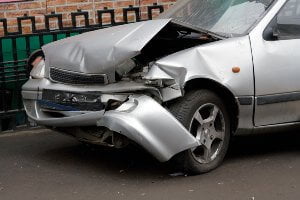
front of car with frame damageA head-on collision is one of the most dangerous types of car crashes, as those involved are at much higher risk for severe or even fatal injuries.

If you were in the car that got hit and you suffered serious injuries, you may be eligible to seek compensation. TSR Injury Law’s Minneapolis-based car crash lawyers have represented many people who were seriously injured in collisions and obtained favorable results on their behalf. Our services are provided on contingency, which means we do not charge any upfront costs.

Below, we discuss why head-on collisions occur, why they are so dangerous, and how we determine liability for these types of crashes.

Contact TSR to discuss your post-crash legal options. Call (612) TSR-TIME.

What Is the Definition of a Head-On Collision?

A head-on collision occurs when two vehicles that are traveling in opposite directions crash into each other. The front of one vehicle crashes into the front of another, which is why head-on collisions are also referred to as frontal collisions.

While there is a high risk of serious injury in any head-on crash, the risk is magnified when one of the vehicles involved is larger than another, or when one of the vehicles is a motorcycle.

Why Do Head-On Collisions Happen?

Head-on collisions often happen because a driver:

  • Crossed the centerline of the road. When this occurs, it is often because the driver was drowsy, fell asleep, was impaired by alcohol or became distracted. Drivers might also lose control of their vehicles due to black ice or other poor weather conditions. Any of these conditions could cause them to drift over the centerline.
  • Failed to see, read or follow instructions on road signs. This might happen if someone has impaired vision or is elderly and gets easily confused.
  • Tried to pass another vehicle on a two-lane road using the wrong side of the road
  • Went the wrong way on a one-way street
  • Attempted to turn left without enough room, resulting in a head-on crash with a car traveling in the opposite direction
  • Lost control because of a tire blowout
  • Suffered a sudden medical emergency, such as a heart attack, stroke or seizure

Liability For a Head-On Collision in Minnesota

Most car crashes are caused by the negligent actions of one of the drivers involved. For example, it is both negligent and illegal to drive on the wrong side of the road or to drive the wrong way down a one-way street.

The driver who was negligent is going to be held liable for injuries and damages from the crash. In the context of a head-on collision, the driver who was traveling the wrong way is almost always going to be liable for the crash.

However, sometimes head-on collisions are part of a chain reaction from another crash. For example, maybe there was a crash on the other side of the road that caused another vehicle to cross the center line and get into a frontal collision with another vehicle.

In this scenario, the driver who crossed the center line might be partially at fault. However, he or she may have lost control through no fault of his or her own. That means drivers involved in the crash that started the chain reaction may bear most of the fault.

Could Someone Besides a Driver Be Held Liable For a Head-On Crash?

It may be possible to file a claim against the entity responsible for maintaining the road. For example, maybe there was a pothole that was difficult to avoid, and this caused a car to veer into oncoming traffic.

The way the road was designed may have made it easier to drift into oncoming traffic. This could be due to numerous factors such as road construction or detours.

If the crash was on a one-way street, there might not have been a sign alerting drivers to the fact that they were turning onto a one-way street.

However, these claims can be very difficult to prove without the resources of an experienced law firm behind you. Despite poor road conditions or other factors out of a driver’s control, he or she may still have been able to avoid a collision.

While there may be rare exceptions, most head-on crash claims involve car insurance companies.

Evidence For a Head-On Collision Claim or Lawsuit

One of the reasons you should consider hiring an experienced lawyer is so he or she can manage the legal process on your behalf. This includes investigating the collision and gathering evidence of the other driver’s negligence.

Your lawyer will need to establish that the other driver crossed into oncoming traffic. Your lawyer may also need to establish why the other driver could have avoided this. Evidence of alcohol impairment, distraction or fatigue, for instance, could help to bolster your claim.

Head-on collision claims often involve severe injuries. That means insurance companies are going to fight hard to avoid paying fair compensation. It also means your lawyer may need to bring in expert witnesses to help prove what happened and link your injuries to the collision.

These are just some of the reasons why you need an experienced lawyer managing your claim. TSR Injury Law is committed to securing full compensation to make sure you can get the medical care you need and deal with the other damages you suffered.

Injuries From Head-On Collisions

Head-on collisions can result in many serious injuries that could affect victims for the rest of their lives:

  • Broken bones, particularly in the arms and legs, but also the pelvis
  • Traumatic brain injuries, including open and closed head injuries
  • Broken ribs
  • Internal organ injuries
  • Crush injuries
  • Damage to the spinal cord
  • Soft-tissue injuries, which often accompany other injuries, such as fractures
  • Whiplash
  • And many more

Injured in a Head-On Collision? Contact TSR Injury Law

When people suffer catastrophic injuries in a car crash, they should not assume the insurance company will take care of them. You need a lawyer with experience managing these types of cases. You need a lawyer who has achieved results, either through settlements or courtroom verdicts.

TSR Injury Law has been helping crash victims in Minnesota for many years, securing compensation to help them start to put their lives back together.

Call us to schedule your free legal consultation: (612) TSR-TIME.

Can I File a Lawsuit if My Child Was Injured in a School Bus Crash in Minneapolis?

school children running to yellow school busSchool bus crashes are rare, but they do happen, either because of the negligence of the bus driver or another party. Even though school buses are large vehicles, the children who are on board could still suffer significant injuries.

You need to know what to do if your child is ever involved in a school bus crash. While your focus will be primarily on treating your child’s injuries, you should consider your legal options. Another party may be at fault, which means they may be liable for your child’s medical costs and other damages.

TSR’s Minneapolis auto accident lawyers discuss Minneapolis school bus crash claims below.

No upfront fees or legal obligations. Contact us today: (612) TSR-TIME.

Recent School Bus Crashes in Minneapolis

The numbers say traveling on a school bus is one of the safest ways for your child to get to and from school. The National Highway Traffic Safety Administration says children are eight times safer on a school bus than in other vehicles. However, crashes still happen:

  • On January 25, 2023, a school bus driver ran over a six-year-old in a parking lot in Brooklyn Park outside of Minneapolis. The child was hospitalized with non-life-threatening injuries.
  • On April 20, 2023, three people were injured when a school bus hit a tree at 40th Street and Cedar Avenue. Two young people and a woman were hospitalized with non-life-threatening injuries.
  • On April 24, 2023, a pedestrian was killed by a school bus at about 6:45 a.m. The crash happened close to Cedar Avenue South and 28th Street East.

Who Could be Liable for Your Child’s School Bus Injuries?

Most school bus crashes are caused by the negligence of the driver. Examples of bus driver negligence include:

  • Speeding, especially in residential areas
  • Drunk or impaired driving
  • Drowsy driving
  • Distracted driving
  • Violating another driver’s right of way
  • Running a red light
  • Ignoring a stop sign
  • Failing to use appropriate caution given the weather (rain, snow, wind, low visibility, etc.)
  • Failure to check a blind spot before changing lanes

Sometimes the driver isn’t the only one at fault, or they are only partially to blame. Other parties may have been negligent, and their actions may have caused the crash to occur.

For example, the manufacturer of the bus could be liable for equipment failure, such as brake failure. The repair shop responsible for servicing the bus may have done poor work. Mechanics may have failed to fix a mechanical problem or failed to notice a problem they should have seen.

It is also possible that the entity responsible for hiring the driver failed to conduct a thorough background check. It’s entirely possible that the driver did not have the proper training or qualifications to be operating the bus or maybe had been involved in other crashes and should not have been driving at the time of the crash.

The school district itself may also be held liable if the driver is an employee of the district. A Minnesota Supreme Court ruling in 2007 helped pave the way for school districts to be held liable for injuries to students on school grounds or during school-related activities. Districts cannot use the sovereign entity law to avoid liability.

School districts are required to develop and implement comprehensive written policies about safe transportation of school children. The policy must cover various aspects, including:

  • Appropriate student bus safety training
  • Intradistrict system to report bus crashes
  • Provisions about bus monitor qualifications, duties and training
  • Operating rules
  • Use and maintenance of type III vehicles, drivers of these vehicles, qualifications to drive these vehicles
  • Emergency procedures
  • System for maintaining and inspecting equipment

Violations of these policies could expose the district to liability if these violations led to the crash that injured your child.

It is also possible that another driver is liable for the crash. If they were operating their vehicle with negligence, they may be directly linked with the cause of the crash.

Challenges of Proving Liability For a Bus Crash

School districts and other parties that may bear liability are going to fight hard to avoid accountability. It is also going to take a comprehensive investigation to determine who may be at fault. Even if the driver is the only one to blame, your lawyer will need to establish why the crash happened and how it caused your child’s injuries. This may require experts, such as an accident reconstruction expert.

This type of investigation is best left to an experienced lawyer, who will know how to ensure no details are missed. A lawyer can also take formal steps to preserve evidence that may be vital to your claim.

What Should You do if Your Child Was Involved in a Bus Crash?

The first step is to get your child the medical treatment he or she needs. While you may have a legal claim, this is secondary to medical treatment.

Once your child’s injuries have been stabilized, you should contact an experienced lawyer to discuss next steps.

You may be contacted by an insurance company or the school district asking you to sign things or even to accept an offer of compensation. Despite their attempts to rush you into deciding, you can always discuss these decisions with your lawyer. Liable parties often try to rush victims into quick decisions that are not in their best interest.

Compensation For a Minneapolis Bus Crash

Our attorneys are committed to securing full compensation for the injuries and damages your child suffered in the crash. This could include:

  • Past and future medical costs
  • Long-term care
  • Physical therapy
  • Rehabilitation
  • Pain and suffering
  • Special equipment your child needs
  • Home or vehicle modifications
  • Permanent disability
  • Disfigurement

Call TSR Injury Law After a Bus Crash

Unsure where to turn after a school bus crash?

TSR Injury Law has been a tireless advocate for motor vehicle crash victims in Minnesota for decades. When you need legal advice you can trust, give us a call to learn how we may be able to assist you.

We take cases on contingency, which means no upfront costs. We do not get paid unless we secure compensation for you.

TSR Injury Law. Experienced Lawyers. Proven Results. Phone: (612) TSR-TIME.

Which Driver Could Be Liable For a Crash at a Minneapolis Roundabout?

aerial view of a roundaboutTraditional intersections with lights and stop signs have been used to control motor vehicle traffic for over a century. Did you know the first traffic light in the United States was installed in 1912? Although the total number of traditional intersections greatly exceeds the number of roundabouts, the number of roundabouts has steadily increased in recent years.
Since Minneapolis’s first roundabout was built in 1995, dozens more have been constructed – the Minneapolis Department of Transportation (MnDOT) estimates there are approximately 200 roundabouts across the state.

This is good news, as roundabouts tend to be much safer than traditional intersections. Unfortunately, crashes still happen, and victims need to know what their legal options are after a crash. TSR Injury Law’s Minneapolis-based auto accident lawyers are here to help, and there are no upfront costs for our services.

Give us a call for legal assistance. Phone: (612) TSR-TIME.

What Is a Roundabout?

You can think of a roundabout as a circular intersection. There are no traffic lights determining when a lane of traffic can proceed.

Instead, there is an island in the center with a road around it, with traffic moving in a counterclockwise direction around the island. Roundabouts are much more efficient than traffic signs or signals as they can handle high levels of traffic while maintaining better traffic flow.

Do Roundabouts Make Our Roads Safer?

MnDOT’s 2017 study of traffic safety at roundabouts had some encouraging findings:

  • 80 percent reduction in fatal and serious injury crashes at roundabouts compared to traditional intersections
  • 69 percent decrease in the rate of right-angle crashes at intersections with single-lane roundabouts
  • 83 percent decrease in the rate of left-turn crashes at intersections with single-lane roundabouts

Part of the reason for the decrease in traffic crashes at roundabouts is that they allow a more efficient flow of traffic. It often takes seconds to proceed through a roundabout, whereas you could wait minutes to proceed through a traditional intersection.

Some of the other benefits of roundabouts include:

  • The curve of the roundabout slows traffic down, which means crashes are less likely to be severe.
  • Turning is less dangerous because you do not need to cut across traffic or numerous lanes to find space to make a turn.
  • Vehicles travel in the same direction so there is almost no risk of head-on crashes.
  • It is easier to see pedestrians at roundabouts.

What Are the Rules of the Road For Roundabouts in Minneapolis?

The rules on driving through a roundabout are not complicated:

  • Vehicles that are already inside the roundabout have the right of way
  • Slow down as you approach and obey the posted limit while inside the roundabout
  • Proceed into the roundabout when it is safe to do so, and do not stop or pass other vehicles while inside the roundabout
  • Yield to pedestrians waiting in crosswalks, just like you would at a traditional intersection
  • Use your turn signal to indicate you are about to exit the circle
  • Remain in your lane until you exit the circle

Pedestrians should only cross the road at designated crosswalks. There should be median islands in the middle of each offshoot of the roundabout. You can use these to safely stop and check for oncoming traffic.

Common Causes of Roundabout Collisions

Despite the benefits of roundabouts, many drivers are not used to seeing them. This can lead to confusion and negligent driving that could result in crashes.

Examples of negligent driving that could lead to a Minneapolis roundabout crash include:

Exceeding the Speed Limit

Speeding increases the risk of a crash no matter where you are. Speeding gives you less time to react to avoid a collision, especially if other drivers are behaving negligently.

Failing to Yield

Some drivers who approach the roundabout fail to yield to cars that are already in the roundabout. They may also be in a rush and try to sneak in ahead of another vehicle, resulting in a collision. Drivers might also fail to yield to bicycle riders or pedestrians.

Stopping Inside the Roundabout

Drivers who are unsure about where they are going may decide to stop to try to figure things out. However, stopping in a roundabout is illegal and incredibly dangerous. If you stop at certain points around the curve, oncoming drivers may be unable to see you, increasing the risk of a crash.

Making an Unsafe Lane Change

Drivers need to be careful about changing lanes in two-lane roundabouts. Make sure to use a turn signal and confirm you have space to change lanes safely.

Failing to Maintain a Lane

Drivers need to stay in their lane until they exit the roundabout or change lanes before exiting the roundabout.

Liability For Roundabout Crashes in Minneapolis

When a collision happens in a roundabout, those investigating what happened will need to determine which driver was negligent.

The negligent driver is going to be at fault for damages from the collision. For example, one driver may have been speeding or failing to yield to another driver who had the right of way.

Drivers cannot use ignorance as an excuse for a roundabout collision. Confusion about the rules does not relieve drivers of the obligation to follow the rules. A driver who stopped and got rear-ended may say he or she bears no fault for what happened. However, this driver broke the law by stopping. At the very least, a driver who does this is going to be partially at fault.

Every roundabout crash needs to be analyzed on its own to determine who may be at fault.

TSR has the resources to reconstruct the crash scene, gather witnesses, gather vehicle black box data, and determine how best to get you the justice you deserve.

Call To Discuss Legal Options Following a Roundabout Collision

No matter where your crash occurred, our experienced law firm may be able to help you seek compensation for medical costs and other damages. We have been strong advocates for the injured in Minneapolis for decades, having recovered more than $1 billion for our clients.

Check out our client reviews page to see what our clients have said about their experience with our firm. Client satisfaction is our number one priority, as we know this is a difficult time for you and your family.

We represent crash victims on contingency, which means there are no upfront costs for you to pay.

Unsure of your post-crash legal options? Call for assistance: (612) TSR-TIME.

What Are My Legal Options After Getting Injured in a T-Bone Collision in Minneapolis?

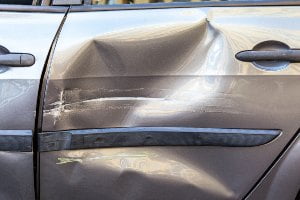
dent on silver car doorSome car crashes are more dangerous than others, putting those involved at a higher risk for severe or fatal injuries. A side-impact crash is one type of collision that can be especially devastating.

TSR’s experienced attorneys discuss the dangers of these collisions below, including the injuries they cause and why these injuries are more likely to occur.

If you were injured in a side-impact crash and the other driver is to blame, we encourage you to seek legal help as soon as possible. Our Minneapolis auto accident lawyers may be able to help, at no upfront cost to you.

Call us today to learn more: (612) TSR-TIME. Free consultation.

What is a Side-Impact Crash?

A side-impact crash involves the front of one car crashing into the side of another. These collisions often cause extensive damage to both vehicles involved.

Some side-impact crashes have an angle of impact that is almost 90 degrees. These crashes are commonly referred to as T-bone crashes because the vehicles form a “T.” Other types of side-impact collisions typically occur at an approximate 30-45-degree angle.

While side-impact crashes are extremely common in intersections, they may also occur in parking lots and other high traffic areas.

Why Do Side-Impact Crashes Often Cause Severe Injuries?

When one car strikes the front or rear of another vehicle, there is a buffer between the other car and those inside the vehicle. While airbags are the main preventative safety measure, front and rear bumpers, as well as trunk and engine compartments also offer an additional layer of shock absorption.

However, if a vehicle strikes the side of a car, the only thing protecting vehicle occupants are the doors, windows and side airbags, if the vehicle is equipped with them. Vehicles are not as well-equipped to absorb a side impact as they are a frontal or rear impact. A side-impact crash is more devastating because it is much closer to the vehicle’s occupants.

In other types of collisions, drivers may be able to slow down or stop to lessen the impact or avoid hitting the other vehicle all together. However, there is no way to slow down or steer away from a side-impact crash.

Injuries Often Caused by Side-Impact Collisions

T-bone or side-impact crashes in Minneapolis often cause severe or life-altering injuries, including:

  • Rib injuries
  • Punctured lungs, which often accompany a rib injury
  • Organ damage, along with internal bleeding
  • Spinal cord injuries
  • Traumatic brain injuries
  • Injuries to your pelvis and hips
  • Severe broken bones
  • Herniated discs
  • Lacerations from sharp metal or shattered glass
  • And much more

What Causes T-Bone Collisions to Occur?

As with most crashes, driver negligence is the main reason side-impact collisions occur. For example, a driver may blow through a stop sign or red light and crash into the side of another vehicle that had the right of way. Not only did the at-fault driver violate traffic laws by not stopping, but statistics show they were likely to be speeding as well. In addition to negligence, this could also be considered reckless or aggressive driving.

Side-impact crashes could also happen as a result of driver negligence during a U-turn or failing to recognize who has the right of way. Drivers who fail to yield or come to rolling stops at stop signs and stop lights are far more likely to be involved in these types of crashes.

Impaired driving is another common factor that can lead to a side-impact collision. Drivers impaired by alcohol and other substances are also a factor in many of the most devastating crashes throughout Minnesota.

Liability for a Side-Impact Crash In Minnesota

The liable party is likely to be the driver who ran into the side of the other vehicle. However, determining fault for a crash requires a full investigation as it always depends on the unique details of the crash.

If there is a traffic jam preventing vehicles from moving out of an intersection when the light changes, it increases the risk of a side-impact crash. If those cars are still in the intersection when the light changes, the vehicles that have a green light should wait, even though they have the right of way. If they proceed, it could cause a side-impact collision. In that situation, those drivers would probably be at least partially at fault if their actions lead to a crash. This is because they could have avoided a crash by simply waiting for the cars in the intersection to move.

If you were injured in a side-impact crash, your lawyer can help you gather evidence to prove what happened. For example, it is often possible to work backwards from vehicle damage to determine why the crash occurred and how negligence was involved.

Other evidence that may help prove your case includes:

  • Medical records documenting your post-crash treatment
  • Testimony from witnesses
  • Police report
  • Pictures of the scene

Call TSR Injury Law For Post-Crash Legal Help

One of the most important phone calls you can make after a crash, besides the phone call to the police, is the call you make to a lawyer. During this difficult time, you need legal guidance you can trust from attorneys who have been helping crash victims for decades.

At TSR Injury Law, we represent victims injured in crashes caused by the negligence of other drivers. We take on the insurance companies and advocate for the best interests of our clients. Over the years, we have obtained more than $1 billion on behalf of our clients.

There are no upfront fees with our services. Call us today at: (612) TSR-TIME.

Can I File a Claim For Compensation After a Hit-and-Run Crash in Minneapolis?

photographing frontal crash damageEvery driver involved in a Minneapolis crash is required to stay at the scene to exchange information, render reasonable medical aid to the injured and notify the police so a crash report can be completed.

Leaving the scene without doing these things is a crime that carries significant penalties, especially if someone suffered substantial bodily harm or death.

Despite the harsh penalties, drivers still flee from car crashes on a regular basis. This is why you need to know what to do if you’re a victim of a hit-and-run. TSR’s experienced Minneapolis-based vehicle accident lawyers discuss these types of crashes below. If you were injured in a crash, we are ready to help you, and there are no upfront costs to hire our services.

We are ready to take your call. Phone: (612) TSR-TIME.

What is a Hit-and-Run Crash?

A hit-and-run crash occurs when the driver who caused the crash leaves the scene. In other words, the driver who flees knows that he or she caused the crash and decides not to stop.

Leaving the scene of a crash is a crime in every state, and the penalties increase with the severity of the crash victim’s injuries.

Why Do Drivers Flee a Crash Scene?

There are numerous reasons why the at-fault party would leave the scene of the crash. The main reason why drivers flee the scene of a crash is because they do not want to take responsibility for it. They do not want the victim filing a liability insurance claim, because this will result in the at-fault driver’s insurance premiums going up.

Sometimes drivers flee because they fear criminal consequences for the crash. Often times, the at-fault party is under the influence of drugs or alcohol which clouds their judgement. In their mind, if they wait for the police to arrive, they are likely to be charged with Driving While Intoxicated (DWI).

There may also be rare cases when an at-fault driver has a warrant out for his or her arrest or is still in the act of committing a crime and is fleeing the previous crime scene.

Steps You Should Take if a Driver Flees the Scene of Your Crash

If you are ever involved in a hit-and-run crash in Minneapolis, there are steps you can take to help protect your claim for compensation.

Remaining Calm

One of the most important things you should try to do is remain calm. Seeing a driver flee can make people so angry they fail to try to collect information about the car or the driver. They may even chase after the driver.

Should I Chase After a Hit-and-Run Driver?

You should never chase after a driver who hits your car and flees the scene. If you do, you will be putting yourself and other drivers in danger.

The at-fault driver may be fleeing the scene of a crime or may have a warrant out for his or her arrest. That means this person may be dangerous. It is best to leave the task of finding the fleeing driver to the police.

It is also important to consider that your vehicle might not be safe to drive because of damage sustained in the crash.

Gathering Information About the Fleeing Car and Driver

The fleeing driver may be out of view in a matter of seconds, so it may not be possible to get any information about the car or its driver. However, you might be able to get a few details that could help law enforcement officers find the car and driver.

Take note of the following information, if possible:

  • License plate number
  • Vehicle make
  • Vehicle model
  • Description of the driver (male or female, hairstyle, identifying features, etc.)
  • Damage to the vehicle
  • If there were other occupants in the vehicle
  • Which way the car was headed when you last saw it

Moving Your Vehicle Out of Harm’s Way

If you are still in the flow of traffic, you should move your vehicle to the side of the road and away from passing cars. However, you should only move your car if it is safe to do so.

Calling 9-1-1

Your next step is to call 9-1-1 to bring the police to the scene. While you are on the phone, explain that the driver fled the scene and provide the information you collected about the driver and the car. That way, the police have a much better chance at finding the car and driver.

When the police arrive at the scene, explain how the crash occurred to help the officer complete the police report.

Talking to Witnesses

If you see any witnesses, be sure to point them out to the police. It is always best to gather names and numbers of any witnesses in case they leave before police arrive. They may have seen things you did not, which may help the police locate the driver and/or the car.

Seeking Medical Treatment

You should go from the scene to the hospital to get treatment for your injuries. You should not take any chances by waiting to go later, as this could potentially allow your injuries to worsen. Seeking immediate treatment also helps connect your injuries directly to the crash.

Calling an Experienced Lawyer

You should call a lawyer after getting treatment for your injuries. It is difficult for crash victims to obtain full compensation trying to handle the legal process on their own.

Seeking Compensation After a Minnesota Hit-and-Run Collision

One of the advantages of living in a no-fault state like Minnesota is that you can recover compensation for medical expenses from your own insurance, no matter who is at fault for the crash. That means you can recover compensation for medical costs and other expenses from the personal injury protection coverage (PIP) in your own insurance.

The challenge with hit-and-run crashes comes when the police cannot find the driver who fled the scene. If the police find the driver, your lawyer may have the option of filing a claim against that driver’s liability insurance. However, this assumes the fleeing driver has insurance.

If the police cannot find the driver, or the driver doesn’t have insurance, you can file a claim with your own policy which has mandatory uninsured motorist coverage. Priorities for uninsured coverage are different than no-fault, so an attorney is needed to make sure the correct insurance company is contacted and provides coverage.

The bottom line is that recovering compensation after a Minneapolis hit-and-run crash can be complicated. That is why you should contact a licensed attorney to manage your claim on your behalf. The attorneys at TSR Injury Law have extensive legal knowledge, including how to determine the insurance coverage that may apply to a crash.

Have Legal Questions After a Car Crash? Call Us

There are many reasons why you should seek out an experienced attorney after getting injured in a car crash. For example, you absolutely need a lawyer if the at-fault driver left the scene.

At TSR, there are no upfront costs with our services. The initial consultation is also free of charge, and we do not get paid unless you receive compensation. We have obtained more than $1 billion for our clients.

Give us a call today to learn more about how we can assist you. Call (612) TSR-TIME.

When Will I Get the Settlement Check For My Minnesota Car Crash Claim?

Current image: checkbook on table with pen

You might think you will get a settlement check soon after your lawyer reaches an agreement with the at-fault insurance company. However, there are still many steps that occur after you reach a settlement agreement and before you receive a settlement check for your damages.

TSR Injury Law’s experienced Minneapolis-based car accident attorneys explain how long it takes to get a settlement check for a Minnesota vehicle crash claim. You can learn more about this process when you contact our firm. The bottom line is, we are committed to getting full compensation for your damages as fast as possible.

We have been assisting crash victims and other personal injury victims for decades, and we have recovered more than $1 billion on their behalf.

No upfront fees to discuss your claim. Call to learn more: (612) TSR-TIME.

What is a Settlement?

You can think of a settlement as a contract between an injured party and the insurance company of the at-fault party. The insurance company agrees to pay a certain amount to cover your damages (medical bills, lost wages and more). In turn, you give up the right to file any more claims against the insurance company for the same incident.

A settlement ends a dispute between two parties. In a car crash case, the dispute is often about the value of the crash victim’s damages. The insurance company may also dispute the connection between the crash and the cause of your injury in order to avoid as much responsibility and payout as possible.

Most cases settle because insurance companies want to limit risk and clients want to wrap up the case for an acceptable amount and not wait for a trail result that could be years away. Injured victims should still hire an attorney who has courtroom experience because going to court is sometimes the only way to obtain the compensation you deserve. Settlements are also higher when the insurance company knows the attorney has gone and will go to court. The fear of a potential jury trial makes insurance companies more likely to settle, especially when facing expert trial lawyers like those at TSR.

What Are the Steps to Receiving a Settlement Check in Minnesota?

It is true that every Minnesota car crash case is different. That said, the steps in the legal process are usually the same, including the process for receiving your settlement check.

Signing the Settlement Agreement

A settlement agreement cannot be finalized until both parties involved have signed it. From the insurance company’s perspective, one of the most important parts of the settlement agreement is the release from liability.

This section says that once you have given your signature, you agree to give up the right to take further legal action against the insurance company. This step protects the insurance company and gives them certainty of future financial exposure as there would be no reason for the insurance company to settle without obtaining protection from further legal action.

Your attorney will review the settlement agreement before giving it to you to sign. This review ensures the release accurately reflects the settlement. Nothing more and nothing less. There are many types of releases and legal jeopardies that must be reviewed.

Processing the Settlement and Issuing a Check

Sometimes an insurance company will send the check and release at the same time. If instead, a signed release is precedent before sending a check, the release is sent back to the insurance representative and the settlement check is mailed. The check is usually made out to the client and law firm.

Clearing the Check and Paying Liens and Legal Fees

After receiving the check from the insurance company, your lawyer will deposit the check into the firm’s IOLTA account. This stands for Interest on Lawyer’s Trust Account. All settlement checks go into and through the IOLTA account. There is a five-day waiting period for the check to clear. After five days, the attorney will distribute the funds to the client and any other entities that are agreed upon to be paid. This includes medical providers, subrogation liens, attorney fees and file costs. Legal costs are above the legal fee. Fees are how the lawyer earns a living and the costs are reimbursements for expenses already spent on a file. They could include costs for:

  • Hiring an expert witness
  • Court reporting fees
  • Obtaining medical records
  • Obtaining medical bills
  • Filing court documents
  • And more

A portion of the settlement may repay health insurance subrogation liens. This is something victims incur when they have bills paid by their health carrier above and beyond the auto insurance coverage.

There may also be liens on the case that have to be paid from a settlement. An example of a lien would be for child support. If the victim owes child support, some of the settlement would go to the child support organization to pay off the lien.

Sending You a Check

Once all the fees, costs and liens have been paid, your attorney’s law firm will send you a check with the rest of your settlement. This amount will be known before the settlement is finalized so the client can agree to it before processing.

How Long Will It Take to Get a Settlement Check in Minnesota?

It usually takes several weeks to receive a settlement check. However, it could happen sooner. If you have concerns or questions about how quickly this happens, you can discuss it further with your lawyer.

Potential Delays in the Settlement Check Process

These are some of the common reasons why there may be delays in receiving your car crash settlement check:

  • Clerical errors made by the insurance company
  • Missed signatures
  • Bank delays, which could happen for many reasons, such as if the check was received on a Friday or the day before a holiday
  • The claim involves a minor or an estate
  • There are disputes about the release from liability
  • The insurance adjuster got sick or went on vacation
  • Your lawyer needs more time to negotiate liens, which may help you to keep more of your settlement
  • Insurance company stalling

Contact TSR Injury Law to Discuss Your Car Crash Claim

Our firm has helped many car crash victims in Minneapolis recover compensation for medical costs and other damages. We have taken on many insurance companies and have extensive knowledge of the legal process.

At TSR Injury Law, we work hard to secure favorable results for our clients.

There are no upfront fees for our services, and we do not get paid unless we obtain compensation for you.

Call us to schedule your free consultation: (612) TSR-TIME.

Is It Normal to Be Tired After a Minneapolis Car Crash?

tired man sitting on couchMany car crash victims initially feel soreness and fatigue. While soreness may take weeks or months to dissipate, fatigue usually resolves itself within a couple of days.

However, there are exceptions when crash victims may continue to feel fatigued for several days or more. They may be sleeping a lot more than normal, but the extra rest does not bring back the energy they had before their car crash. In these situations, fatigue might be a sign of something more serious, like a traumatic brain injury.

If you are experiencing fatigue after a car crash in Minnesota, our car crash lawyers in Minneapolis may be able to help you take legal action to recover compensation for your damages. Our services come at no upfront cost, and we have obtained more than $1 billion for our clients.

We are ready to take your call. Phone: (612) TSR-TIME.

Why Am I So Tired After a Car Crash?

Car crashes are incredibly stressful, which commonly triggers the body into releasing adrenaline. Adrenaline helps to provide the energy your body needs to get through physically traumatic events.

Once the adrenaline wears off, however, crash victims often feel completely exhausted. They may also feel sore from the injuries they sustained in the collision. Your body is simply responding to what happened, and it needs sleep to start the healing process. This is a typical reason that victims may feel much more tired than normal during the days following a crash.

That said, sometimes feeling excessively tired is not just a normal response to a stressful experience. Sometimes fatigue after a crash may indicate a severe injury.

Do I Have a Traumatic Brain Injury?

You may be feeling excessive fatigue because you suffered a traumatic brain injury in the crash. Feeling drowsy or fatigued are two common symptoms of a traumatic brain injury, such as a concussion. This is particularly true if your excessive fatigue and excessive sleeping lasts for more than a few days.

You might doubt you suffered a head or brain injury because you didn’t hit your head during the collision. What you may not realize is you can suffer a concussion without hitting your head. Your head getting jerked forward and backward could be enough to cause a brain injury.

Sometimes crash victims hit their head, but they do not remember it happening. That is why you should never dismiss symptoms of a possible brain injury.

Could You Be Feeling Tired Because You Are Depressed?

While much attention is paid to the physical consequences of car crashes, these situations can also exact a heavy emotional toll. Victims may feel anxious or overwhelmed because of everything they need to deal with in the aftermath of a collision. They may feel anxious about their recovery and depressed because of the pain and discomfort they feel.

Emotional suffering may sometimes make it harder to sleep, but may also cause people to sleep much more than they did before the crash.

Trauma-Induced Migraine Headaches

Intense trauma, such as from a car crash, could cause people to experience migraine headaches. Some people who experience migraines feel intense sensitivity to light and noise. This often causes them to spend a lot of time in a dark and quiet bedroom, which can result in excessive sleeping.

Migraines can also be a symptom of a traumatic brain injury, similar to a concussion.

How Long to Wait to Sleep After a Car Crash

For the most part, it is perfectly safe to go to sleep after a car crash. In fact, sleep is an essential aspect of your recovery. Your body and your brain both need sleep to help recover from the trauma of the crash.

You may have heard stories about people going to sleep after a car crash and never waking up. They died because of a traumatic brain injury, likely due to a severe concussion or bleeding in the brain. That is why it is so important to seek immediate medical care right after a crash. With any serious injury, early diagnosis and treatment can be a critical factor in how well you recover.

You should also go back to the ER if you continue to feel fatigued, experience new symptoms or have any other reason to suspect a brain injury. In fact, even if you do not suspect a brain injury, you need to be evaluated by qualified medical professionals to determine the severity of the injuries you suffered.

How Long Could Fatigue Last After a Crash?

It is normal to feel fatigued for a couple of days after a crash. However, you should be concerned if you continue to feel exhausted for more than a few days. If you are sleeping much more than usual and you feel more tired than normal, you need to see a doctor right away.

What Should I Do if I am Experiencing Extreme Fatigue After a Car Crash?

Too often, crash victims do not err on the side of caution and wait too long to seek medical treatment. They ignore symptoms or they think these symptoms will resolve themselves over time.

However, if you are feeling excessively fatigued, you need to go to the doctor right away, so he or she can identify and diagnose your injuries. Be sure to report all the symptoms you are experiencing, including your excessive fatigue or sleeping.

If you wait to seek treatment you may be allowing a brain injury to get much worse and potentially become life-threatening. Waiting also makes it harder to connect your symptoms to the crash. If you seek treatment sooner rather than later, it helps to show that your symptoms are connected to the accident.

Make sure to follow through with your medical treatment. You may need to attend multiple follow-up appointments to monitor your condition. You may also need to get an MRI or CT scan to get a better understanding of your injuries.

Your next step is to seek help from an experienced attorney. Recovering full compensation for a serious injury is a lot more difficult without an attorney.

Victims often underestimate the cost of medical treatment for a car crash injury. If you have a brain injury, you might need treatment for a long period of time. There may be long-term or even permanent consequences that require ongoing medical interventions.

Contact TSR Injury Law For Post-Crash Legal Help

Need legal help after a car crash caused by another driver?

Many crash victims think they can handle the process on their own, but they often end up recovering much less compensation than they need. Call TSR today to learn about the benefits of hiring an attorney after a car crash. We have been representing crash victims in Minnesota for decades and have obtained millions on their behalf.

Call us today to learn more. We are here to help. Ph: (612) TSR-TIME.

Minnesota Motorcycle Laws on Helmets, Insurance, Lane Splitting and More

Whether you are an experienced or new rider, it can be helpful to review Minnesota motorcycle laws. These regulations were designed for your safety and the safety of others on the road.

TSR Injury Law has written a comprehensive guide to motorcycle laws and regulations in our state, including laws about licensing, insurance, helmets and more.

If you were injured in a motorcycle crash and need help pursuing compensation for your damages, call us to schedule a free legal consultation. Our Minneapolis motorcycle accident lawyers take cases on contingency, which means there are no fees for taking your case and no fees while working on your case.

Call us today for legal assistance: (612) TSR-TIME.

What do Riders Need Before They Get on the Road?

There are several things all motorcyclists must have before they can ride:

  • Class M endorsement on their license or a motorcycle instruction permit; you must keep this with you while riding
  • Liability insurance
  • Proof of required insurance coverage
  • Valid license plate on a properly registered motorcycle
  • Eye protection (face shield, goggles or glasses, etc. – you cannot satisfy legal requirements with the windshield on your bike)

Obtaining a Class M Endorsement in Minnesota

You must have a valid Minnesota driver’s license to apply for a Class M endorsement or motorcycle instruction permit. Assuming you have a driver’s license, you can take a written knowledge test at a driver examination station.

You can only take the test once per day. If you fail the test, you will have to wait until the next day to retake it.

Riders who are under the age of 18 are required to present a certificate of completion of a motorcycle rider training course approved by the state. If you do not present this certificate, you cannot take the knowledge test.

If you pass the test, you can request an instruction permit or continue the process of obtaining a motorcycle endorsement. There is a $29 fee for the permit.

Can I Ride on the Highway With a Motorcycle Permit?

You are prohibited from riding a motorcycle on any interstate highways while you have an instruction permit. You are only allowed to ride a motorcycle on public roads with this permit until the Basic Rider Course is completed.

Instruction riders must also abide by the following restrictions:

  • Wear a helmet and federally approved eye protection
  • Do not carry any passengers
  • Do not ride at night, which includes a half hour before sunset and sunrise

Motorcycle Skills Test

When you are ready, you can take the skills test to obtain your motorcycle endorsement. The skills test requires riders to complete four exercises to demonstrate vehicle control and their ability to respond to hazards.

When you go to the driver examining station, you must present your current driver’s license and motorcycle instruction permit. If you are under the age of 18 you must also present a certificate of completion of a rider training course.

The motorcycle you use must have the required equipment and be properly registered and insured. You need to have proof of valid registration and insurance. Make sure you have a helmet approved by the Department of Transportation (DOT) and required eye protection.

Riders who fail the test will be assigned practice time. You must complete your assignment before you will be allowed to retake the skills test.

Riders who are at least 18 years of age and have a valid driver’s license and instruction permit do not have to take the skills test if they complete the Minnesota Motorcycle Safety Center Basic Rider Course.

Is There a Fine For Not Having a Motorcycle License in Minnesota?

If you are caught riding a motorcycle without a Class M endorsement on your license or instruction permit, you could be fined $1,000 and potentially spend 90 days in jail. Your motorcycle will also be impounded.

Motorcycle Registration

You cannot ride a motorcycle in Minnesota unless it has been registered with the state and the license plate bears the sticker showing the bike has been registered. Bikes must be registered every year between March 1 and the end of February.

If you are a new resident, you have 60 days from the date you became a new resident to register your bike.

Required Motorcycle Insurance

You are not allowed to ride a motorcycle in Minnesota unless you have the minimum required insurance.

Unlike drivers, motorcyclists are not required to purchase personal injury protection insurance. Riders are required to have liability insurance that covers:

  • $30,000 per person for bodily injury
  • $60,000 per crash for bodily injury
  • $10,000 for damage to property

There are additional coverages riders can purchase to provide extra protection in case of a crash. For example, you can purchase collision or comprehensive coverage. Collision coverage pays for damage to your motorcycle from a crash, while comprehensive coverage pays for damage from a no-contact crash.

Is it Legal to Ride a Motorcycle in Minnesota Without a Helmet?

Minnesota’s motorcycle helmet law requires riders and passengers who are under the age of 18, and those who only have a permit and not a motorcycle endorsement, to wear a DOT-approved helmet.

Although helmets are not required for every rider, the Minnesota Department of Public Safety strongly recommends that all motorcyclists and passengers wear them.

What are the Motorcycle Equipment Requirements in Minnesota?

Minnesota motorcycle laws also address the equipment your bike must have to be street legal. This includes:

  • One or two headlights that have high-beam and low-beam settings; bikes can have no more than four headlights with these settings
  • One red taillight, with an accompanying stop lamp or brake light
  • Floorboards or footrests for passengers if the bike has a passenger seat
  • One front or rear brake that can be operated by your foot or your hand
  • Rearview mirror that reflects the road for at least 200 feet to the rear of the rider
  • Horn that makes a sound that can be heard from at least 200 feet away
  • License plate that is securely fastened so it does not swing
  • Turn signals that can be seen from 100 feet in front and 100 feet to the rear of the bike
  • Muffler that blends the exhaust noise into the overall noise of the vehicle; the exhaust system cannot create a sharp popping or crackling noise

Minnesota state law says motorcycle headlights must always be turned on when you are riding.

Rules of the Road for Motorcyclists in Minnesota

You must follow many of the same laws that drivers must follow. For example, all state laws about driving under the influence of alcohol or drugs apply to drivers and riders. You cannot operate your bike carelessly or recklessly, which includes doing wheelies, stoppies (riding on the front wheel) or standing on the seat.

Here are some of the other laws you must follow when you are riding your motorcycle:

  • You must be sitting on a permanent seat, facing forward with one leg on each side of the bike
  • Passengers must be able to reach both footrests while seated on the bike
  • You cannot carry anything (animals, packages, bundles or other cargo) that impairs your ability to hold the handlebars
  • You may make full use of a lane of traffic; no other motor vehicle can be operated in such a way that a motorcycle rider is deprived of the full use of a lane of traffic
  • You are permitted to use high-occupancy vehicle/carpool lanes
  • You can wear headphones while riding, but only in one ear
  • You are permitted to use hand signals to indicate that you are turning
  • Two motorcycles can ride side by side in one lane if both riders agree to do so
  • Park completely within a marked space
  • If you are parking next to passing traffic, angle your bike so it points at the nearest lane of traffic, as this allows you to see traffic in both directions

Is Lane Splitting Illegal in Minnesota?

In Minnesota, it is illegal to ride a motorcycle between lanes of traffic that are stopped or moving slowly. Police officers are the only ones permitted to lane split.

What if the Traffic Signal Does Not Detect Your Motorcycle?

If you reach an intersection with a broken traffic signal, or one that stays red for an unreasonably long time, you are permitted to cross the intersection on your motorcycle. If you are cited for illegally crossing the intersection, you may be able to avoid penalties if you can prove all the following:

  • You came to a complete stop at the intersection
  • The signal is broken or it was programmed to change to green after detecting a motor vehicle, but it fails to detect motorcycles
  • The traffic light stays red for an unreasonably long time
  • No other motor vehicle or person is approaching, or they are so far away they are not an immediate threat to your safety

Contact an Experienced Attorney Today

Motorcycle crashes can and often do cause catastrophic injuries to riders. One of the most important things you can do after suffering a severe injury in a motorcycle crash is talk to an experienced lawyer about pursuing compensation.

We know recovering compensation cannot change what has happened, but it is a vital part of the recovery process. You cannot rely on the insurance company to take care of you. Research has shown the odds of recovering full compensation increase when victims hire experienced attorneys.

TSR has secured more than $1 billion on behalf of our clients and we are ready to assist you.

No upfront fees or legal obligations. Call TSR today: (612) TSR-TIME.

Although helmets are not required for every rider, the Minnesota Department of Public Safety strongly recommends that all motorcyclists and passengers wear them.”
}
},{
“@type”: “Question”,
“name”: “Is Lane Splitting Illegal in Minnesota?”,
“acceptedAnswer”: {
“@type”: “Answer”,
“text”: “In Minnesota, it is illegal to ride a motorcycle between lanes of traffic that are stopped or moving slowly. Police officers are the only ones permitted to lane split.”
}
}]
}

What Qualities Should You Look For When Selecting a Lawyer For Your Minneapolis Car Crash Claim?

touchscreen with legal icons

Car crashes can cause many injuries that are expensive to treat. Even minor injuries you do not consider a big deal can prevent you from working, which can create significant financial hardship.

To make matters worse, many vehicle crash victims who file claims on their own have a hard time recovering fair compensation. That is why you need to find a qualified attorney to take on the insurance company on your behalf.

If you are searching for a Minneapolis car crash lawyer, there are several traits you should look for. If a lawyer has these traits, you can feel confident that they will be able to secure a favorable result.

The licensed attorneys at TSR Injury Law possess these qualities and are ready to assist you after a crash. Our attorneys take cases on contingency, which means no upfront fees.

Call today to schedule your free legal consultation: (612) TSR-TIME.

What Traits or Qualities Should You Look for in a Car Crash Lawyer?

There are many specific qualities to look for when seeking a car crash lawyer. The first thing people may do is an online search, which is a great place to start. However, there are specific traits you should look for in this search that can impact the outcome of a case.

Relevant Experience

You want a lawyer who has handled cases like yours and avoid lawyers that learn as they go. In other words, has a lawyer handled similar cases to yours and been successful?

For example, say you were catastrophically injured in a rollover crash. A lawyer who has handled other catastrophic car crash injury cases will be more than qualified for your case. They will know if there are additional product claims, as well as the best way to prepare for defenses of these crashes. A qualified lawyer will also have a better understanding of the injuries cause by your specific crash versus other types of accidents.

You can visit the case results page of the TSR website to learn more about the kinds of car crash cases our firm has handled and the compensation we have recovered. We have been representing crash victims for decades and have secured over a billion dollars for their pain, suffering, lost wages and medical expenses.

A Proven History of Results

You want an attorney who has a track record of success because these attorneys are more likely to recover the compensation you need. Hiring an attorney with a proven track record should also make you feel more confident in the outcome of your case.

Prepared to Represent You in Court

Another critical trait to look for is how much experience an attorney has taking cases to court. While most car crash cases are resolved through a settlement, you do not want a lawyer who only settles. Insurance companies know which lawyers are only willing to resolve cases through a settlement. This can have a negative impact on the amount of compensation you receive. Insurance companies are less likely to offer full compensation to these attorneys because they know there is no possibility of a lawsuit.

Extensive Legal Knowledge

You do not want just any lawyer handling your case. You want one whose practice is focused exclusively on car crash/personal injury cases.

You would not hire a real estate lawyer to handle your divorce, so why hire a lawyer for a car crash claim who doesn’t specialize in personal injury? Each legal practice area is unique – the legal processes, case law, insurance coverages, deadlines, standards of proof and many other aspects can vary significantly by area of the law.

Lawyers who have experience with cases like yours will have extensive knowledge about the many unique aspects of them and how they can vary depending on the case. This knowledge helps them to ask the right questions and take the appropriate steps to gather evidence, evaluate your damages and negotiate for maximum compensation.

Positive Reviews From Clients

One of the most reliable predictors of future performance is past performance. That is why it is important to read about what past clients have to say about working with an attorney.

Past clients can tell you what it is like to work with an attorney and their law firm. Was the attorney easy to contact? Did the attorney answer the victim’s questions? Did the client feel the attorney was fighting for them and the case was in good hands? These are all important things to consider when determining which law firm will best represent you.

One of the most important things an attorney can do for the victim is to help put his or her mind at ease. In their reviews, some clients talk about how they felt less stressed or anxious about the case because of how their attorney was handling things.

While it is important that the attorney you choose has a lot of positive reviews, it is OK if there are some negative reviews. Everyone is not going to be satisfied with their lawyer. You should be concerned if the negative reviews all have something in common. Also note if the negative reviews have a response. Sometimes people write reviews that were not actually clients of the firm or were unhappy that the lawyer gave them an honest, but frustrating, feedback of the merits of their case.

Visit the testimonials page of the TSR Injury Law website to see what past clients have to say about our services. We have received hundreds of five-star reviews.

Compassion

Injured victims want an attorney who understands they have been through a traumatic event. They want to know the attorney cares about what they have experienced and is committed to securing a positive result. Experienced, successful law firms often receive reviews in which clients talk about how their cases were handled with compassion.

Resources to Manage Your Case

Will the attorney be able to bring in expert witnesses, if necessary? Does your lawyer have the staff and financial resources to thoroughly investigate the crash?

When lawyers do not have all the resources necessary to manage a case, they may try to take shortcuts, which could hurt your chances of recovering full compensation.

When you meet with a lawyer, ask him or her about what it will take to win your case. Ask the lawyer about the resources and staff that will be brought in to manage your case.

Professionalism
If you were meeting with a realtor and he or she was late, you might think about finding another realtor. That is because it can be tough to have confidence in someone who is late or disorganized. If someone fails to act in a professional manner, he or she may be more likely to miss deadlines or forget important details.

The same logic applies to personal injury lawyers. The legal process is complex, and you need strong evidence to prove a car crash case. Lack of professionalism makes it hard to trust that your case is being taken seriously and is being given the attention it deserves.

Meeting with a lawyer should offer clues about professionalism. Is the office organized? Was your lawyer able to answer your questions? Was their communication clear and easily understandable? Disorganized offices and the inability to answer questions may be bad signs.

Commitment to the Legal Profession

Lawyers who have been recognized by legal associations have demonstrated an unwavering commitment to their clients, community and to their legal profession. That means they are going to go the extra mile to achieve the results their clients deserve. TSR attorneys have been recognized by organizations like Super Lawyers, The National Trial Lawyers, and the American Board of Trial Advocates.

Some lawyers also have leadership positions in prominent legal organizations. For example, partner Charles Slane has been elected president of the Minnesota Association for Justice. Partners Steve Terry and Rich Ruohonen have also been past presidents of this organization, with partner Jenny Olson scheduled to be President in a few years.

TSR lawyers are often asked to teach other lawyers, which is another indication of high achievement and legal competence. Most recently, in February 2023, partner Nate Bjerke taught a group of lawyers at a Minnesota CLE seminar.

Availability to Address Your Questions and Concerns

Your lawyer should always be available to answer your questions and address your concerns. Client testimonials are typically a good indication whether or not a law firm possesses these qualities.

If a lawyer is not available, it becomes harder for victims to feel that their case is being taken seriously. Taking too long to respond to an email or phone call could also indicate a lack of organization.

TSR Injury Law is Ready to Help You. Call to Learn More

Car insurance companies know how to manipulate and mislead crash victims into accepting lowball settlement offers.

The good news is you do not have to sit idly by and let them get away with it. You can hire an experienced lawyer to advocate for your best interests.

At TSR, our legal services come with no upfront costs. What this means is our services carry no financial risk for our clients.

We are here to help you seek full compensation. Call (612) TSR-TIME.

What Happens if You Get Into a Crash With Someone Driving a Rental Car in Minnesota?

clipboard with rental car agreementCar crashes are difficult enough without the extra wrinkle of the at-fault driver’s vehicle being a rental car. When victims find out, they may have a lot of questions about seeking compensation for their damages.

Is the rental car company responsible? Does the at-fault driver’s personal insurance apply to the crash?

If you got hit by a rental car in Minnesota and you have questions about the legal process, call TSR Injury Law to find out how we may be able to assist you. Our experienced attorneys have successfully recovered millions for victims of motor vehicle crashes.

Helping crash victims at no upfront cost. Call TSR: (612) TSR-TIME.

Can the Rental Car Company be Held Liable?

Victims of rental car crashes often want to know if they can sue the rental car company for damages. With rare exceptions, you will not likely be able to sue the rental car company for damages.

One of the possible exceptions would be if the crash was caused by poor maintenance of the rental car. In this case, the rental car company is responsible for maintenance of the vehicle, the driver is not.

There are numerous examples of maintenance issues that could cause a car crash, such as:

  • Underinflated tires
  • Problems with steering
  • Wheels that are out of alignment

However, the rental car company cannot be held liable unless you can prove the crash was caused by a maintenance issue. You must also prove the rental car company knew or should have known about the maintenance issue and failed to address it.

This type of case is complicated, which is why you need a licensed Minneapolis car accident lawyer managing the process on your behalf.

Can You Seek Compensation From the Rental Car Driver’s Personal Insurance Policy?

Minnesota requires all auto insurance policies to extend liability coverage to rental cars. This means you should be able to seek compensation from the liability insurance of a rental car driver’s personal insurance policy.

Your lawyer must prove the driver of the rental car was at fault for the collision. This means your lawyer must establish the driver was negligent and directly link this negligence to the cause of the accident.

Filing a Claim Against the Rental Car Insurance

Rental car companies offer additional insurance when you rent a car. This may be another avenue for recovering compensation after a crash with a rental car.

The question is, which insurance policy takes priority? If the rental car driver already has personal insurance, do you seek compensation from that policy first?

These are important questions that can be answered by an experienced lawyer. TSR Injury Law’s attorneys have extensive knowledge about seeking compensation after a Minnesota car crash. We know how to determine what insurance policies apply to the situation and which policy to seek compensation from first.

Using Your Own Car Insurance After a Rental Car Crash

Minnesota requires all drivers to purchase Personal Injury Protection (PIP) insurance.  PIP provides compensation to the policyholder no matter who is at fault for the collision. That means you can seek compensation for your medical costs from your own insurance policy. It does not matter if the at-fault driver was in a rental car or not.

What You Should do After a Crash With a Rental Car

There are several steps you should take after a crash with a rental car to help protect your claim for compensation.

1. Call 9-1-1 Right Away

No matter what type of crash or how minor you consider your injuries to be, it is always recommended to call 9-1-1. That way the police will come out, secure the scene, investigate the crash and complete a report. The police report is often a vital piece of evidence for crash victims who are trying to prove a collision was caused by another driver’s negligence.

2. Exchange Information With the Other Driver

After calling 9-1-1, you will need to wait at least a few minutes for the police and other first responders to arrive. While you are waiting, you can exchange information with the driver of the rental car, including:

  • Name and contact information
  • Insurance information
  • Name of the rental car company
  • Driver’s license number
  • Name of the driver’s personal insurance company

3. Collect Evidence About the Crash

Another step you can take while waiting for the police to arrive is to start gathering evidence. For example, you can take pictures of:

  • Your vehicle
  • The rental car
  • Injuries that are visible to the naked eye
  • Landmarks that help identify the location of the collision

If there are any witnesses, ask them for their contact information. Your lawyer can get in touch with them later to ask them about what they saw.

The most important thing to remember is to not gather evidence if you are seriously injured. While it can be very helpful to your attorney to gather evidence right after the crash, your health and safety is most important.

4. Get Treatment For Your Injuries

You should never wait to seek medical treatment after a crash. You do not want your injuries to worsen or possibly become life-threatening.

Many crash victims make the mistake of assuming their injuries are not that bad. Then they wait to seek treatment, their injuries get worse, and it becomes much harder to recover compensation. Waiting to seek treatment also gives the insurance company a reason to claim you were not injured in the crash.

Contact TSR Injury Law for Help After a Rental Car Crash

The legal process after a car crash can be a lot more complicated than victims realize. Trying to handle this on your own can be overwhelming. You should think about hiring a lawyer to guide you through each step.

Crash victims have been turning to TSR Injury Law for decades and we have secured millions in compensation on their behalf.

We know you may be concerned about the cost of hiring a lawyer. However, we work on contingency, which means no upfront fees.

Learn more by calling us at: (612) TSR-TIME.

Why Do Most Car Crashes Happen So Close to Home?

sunset on neighborhood roadMost drivers are not that concerned about getting into a crash close to home. They assume there is much less risk because they are in a familiar area.

Research shows these assumptions are often false, as a large percentage of crashes happen when drivers are only a few miles away from home. It’s important to note that drivers can be just as reckless close to home as they are anywhere else.

TSR Injury Law dives into the statistics and some of the reasons why so many car crashes happen close to drivers’ homes. If you were injured in a car crash in Minneapolis, our Minneapolis-based car accident attorneys may be able to help you.

More than $1 billion recovered. No upfront fees. Call (612) TSR-TIME.

What Percentage of Car Crashes Happen Close to Home?

Research has revealed that a large percentage of car crashes happen when drivers are close to home.

According to a study published in 2015 in the Journal of Trauma Acute Care Surgery, 77.1 percent of the car crashes that were studied happened within 10 miles of the victim’s home. Another 87.6 percent happened less than 20 miles from the victim’s home. Researchers studied more than 10,000 injury incidents, including 1,644 traffic incidents.

Most Americans do not drive more than 10 or 20 miles from their homes each day. The average American drives just 29.2 miles per day, according to the AAA Foundation for Traffic Safety and the Urban Institute. The National Highway Traffic Safety Administration (NHTSA) has stated that more than 50 percent of all car crashes happen within 25 miles of drivers’ homes.

Another study from 2020 also seems to back up the idea that car crashes happen close to home. Dolphin Technologies found that 25 percent of car crashes happen within the first three minutes of a trip, with another 14 percent of crashes happen within the first six minutes of a trip.

In other words, there is a high risk of a crash on short trips in the car. Many of these trips are likely to begin at home or somewhere close to home.

Dolphin Technologies produces telematics devices that get installed in vehicles. The findings cited above are from a study of 3.2 million trips that involved 40,000 people between 2018 and 2019. There were 1,986 crashes during these 3.2 million car rides.

Another important data point from the Dolphin Technologies study is that the risk of a crash significantly increases for trips that last more than 40 minutes. Some of these drivers may have been coming home from work or from somewhere far away from their home. As they get closer to home, drivers tend to relax, often causing them to drive in a more negligent manner.

Why Most Collisions Happen Within a Few Miles of Home

There are many reasons why so many car crashes happen so close to victims’ homes.

Drivers Tend to Relax

It is only natural to feel more comfortable when you get closer to home. You are on familiar roads, and you know exactly where you are going.

Becoming relaxed and overconfident can lead to dangerous behavior behind the wheel. For example, drivers may speed, not pay as much attention to the traffic around them, or fail to stay in their lanes.

Drivers Get Tired

Drivers may be coming home from work or from a long drive, which means they may be tired. This is especially true if the crash happens at night or early in the morning.

Drivers often do not realize how tired they are and how dangerous it is to drive while drowsy. They may fall asleep at the wheel or forget to pay attention to other drivers on the road. Fatigue can impair reaction time and judgment and drivers tend to get into a trance because they have driven the route so many times before.

Even though it would be better for tired drivers to pull over and rest, many drivers try to push through their fatigue, which can be very dangerous.

Drivers Often Get Distracted

When drivers relax, they may be more likely to give in to distractions. They may start looking at their phones or sending text messages. They may look away from the road because they are eating or drinking something or playing with the car stereo.

Some of the other distractions include personal grooming, adjusting the position of the driver’s seat, and looking at distractions outside. Drivers’ concentration may drift away from the road due to a song or podcast playing on the stereo.

Drivers May be Intoxicated

People who have been drinking often decide to get behind the wheel when they only have a short distance to drive. They may think a crash is less likely to happen because they do not need to be on the road that long and they are in a familiar location. However, alcohol makes it much harder to operate your vehicle safely, even if you have taken the same route countless times before.

Drivers Often Speed

It is easier to speed in residential areas because speed limits are much lower than they are on most other roads. You may be in a rush to get to work, or you may be itching to get home from a long day out of the house. Drivers are also more likely to speed when they feel comfortable, particularly when driving in an area that is very familiar to them, often times speeding without even realizing it.

Drivers May Not Account for Residential Traffic and Parked Vehicles

The intersections and streets around your home can easily become congested with traffic. You are also more likely to encounter parked cars, pedestrians and bicyclists. People often become frustrated with this traffic, which can lead to speeding, reckless lane changes, tailgating and other dangerous behavior. Drivers may also get distracted and forget to watch for pedestrians or parked vehicles.

How Do I Avoid a Collision When I Am Close to My House?

One of the most important steps to preventing a collision close to your home is to acknowledge the risks. Research suggests you may be less safe the closer you get to home.

That means you need to take the same precautions you would when you are driving anywhere else:

Get Set Up Before You Go So You Can Focus on Driving

One of the most important steps to take before your trip is to set things up so you can stay focused on driving. For example, eat before you get in the car and get your music or podcast set up so you do not need to fiddle with it out on the road. You can also adjust the air conditioning beforehand, so you do not need to take a hand off the wheel while your car is in motion.

Finish up phone or text conversations before you leave. You should never text and drive. Phone calls while behind the wheel can also be dangerous, even if you do not have the phone in your hand.

Focus on Driving

When your car is in motion, your entire focus should be on driving. Keep your eyes on the road, keep both hands on the wheel and concentrate on being a safe driver. It is easy to lose focus by thinking about something else that is going on in your life, whether it is positive or negative. However, this can be dangerous.

While being an attentive driver is important no matter where you are, it is particularly important in residential areas.

Watch for Pedestrians, Bicyclists, Pets and Parked Cars

Drivers are conditioned to watch for other cars, but you also need to keep an eye out for pedestrians, children, people walking their dogs and bicyclists. This should be much easier to do if you are not distracted by your phone, stereo, or something else.

Obey the Speed Limit

Speeding makes a car crash much more likely to occur. You have less time to slow down to avoid a crash and you may make an evasive or risky maneuver that leads to a collision. For example, you may swerve to avoid a rear-end collision and then hit a parked vehicle or a pedestrian.

Speed limits are lower in residential areas for a reason. There can be a lot of activity and you do not want to hit a pedestrian or bicyclist at high speed as it could cause severe or fatal injuries. There are often stop signs and speed bumps and if you are going too fast you could blow through a stop sign or damage your car by going over a speed bump at a high rate of speed.

Do Not Drive if You Are Tired or Drunk

No matter how short your trip, you should never get behind the wheel when you are drunk or drowsy. Driving while fatigued or under the influence of alcohol is incredibly dangerous, as your judgment, reaction time and vision can be severely impaired. This often leads to reckless actions that make a dangerous collision much more likely.

If Possible, Walk Instead of Drive

This is not always possible, but when it is, walk to your destination or go for a bicycle ride. This is beneficial to your physical health, and it is one less car trip, which means one less opportunity for a crash. If you are tired, maybe the trip can wait until later or even the next day. While fatigued, walking may be less dangerous than driving, but both can still be risky.

Have Questions After a Minnesota Car Crash? Call Us Today

Drivers often let their guard down when they are in a familiar area, or because they are tired, distracted or under the influence of drugs or alcohol. No matter the reason, when drivers are negligent and they cause crashes that injure others, those drivers should be held accountable.

Our firm has been holding negligent drivers and liable insurance companies accountable for decades. We represent crash victims at no upfront cost. That means there is no risk in finding out how we may be able to assist you after a crash caused by another driver.

Call us today: (612) TSR-TIME. We seek full compensation for Minnesota crash victims.