
 When legislators voted to legalize cannabis use in Minnesota, they created a significant challenge for law enforcement officers. There is currently no widely accepted roadside test for marijuana and other drugs like there is for alcohol.
However, this challenge was anticipated, and the Minnesota Office of Traffic Safety is already working to begin solving the problem. Minnesota law enforcement officers are set to start using new oral tests as part of a pilot project to detect drivers impaired by drugs. Beginning next month, selected officers will be equipped with two types of roadside tests aimed at identifying impairment from substances like THC, opioids, and methamphetamine.
This initiative, overseen by the Minnesota Office of Traffic Safety, was authorized by the state legislature. Mike Hanson, the Director of the Office of Traffic Safety, emphasized the need to expand the current tools available for detecting drug impairment, citing technological advancements as a key driver of this initiative.
The takeaway for drivers is clear: Driving while intoxicated by drugs, including cannabis, is against the law and the police are taking steps to safeguard Minnesota roads and the public from this reckless behavior.
Understanding the New Testing Devices
The two devices included in the pilot project are the SoToxa Oral Fluid Mobile Analyzer and the Dräger DrugTest 5000. Both devices, which have been used in other states and selected after an extensive review process, are designed to detect several classes of drugs in a person’s saliva within minutes. According to Abbott, the healthcare company producing SoToxa, the device can identify substances like THC, cocaine, and opioids, among others.
The Pilot Project and Its Implications
Highly trained drug recognition evaluators will be the primary users of these tests. Importantly, the tests will be voluntary, and the results will not be permissible in court or as probable cause for an arrest. Instead, the focus is on data collection, as officers cannot view the results during traffic stops.
The pilot project, which is expected to last about a year, aims to gather data on the effectiveness of these tests and identify any emerging trends. This information will be compiled in a report to the state legislature by February 2025, potentially influencing future law changes regarding their use in evidence collection.
Concerns and Challenges
Jim Stuart, Executive Director of the Minnesota Sheriffs’ Association, welcomed the project but expressed concerns about taking officers off the street for certification, especially amid recruitment and retention challenges. However, he acknowledged the critical need for effective tools to address the growing issue of drug-impaired driving.
Comparisons to the early days of breathalyzers for alcohol detection were drawn by Minnesota State Patrol Chief Col. Matt Langer, highlighting the potential for these devices to become trusted tools in law enforcement. There is widespread trust in breathalyzers, despite questions many people had about their accuracy when they were first implemented.
The pilot project is seen as a step towards addressing the increasing problem of drug-related impaired driving, which has seen a significant rise in recent years.
Looking Ahead
By the end of the year, law enforcement groups in Minnesota hope to have concrete data to present to lawmakers, underlining the need for additional tests and legal adaptations for their use. The pilot project in Minnesota follows the footsteps of other states, like Michigan, where similar tests have been conducted. These earlier pilot projects revealed interesting insights into drug use patterns among drivers.
This new initiative by Minnesota law enforcement marks a crucial step in tackling drug-impaired driving. As the state navigates the complexities of enforcing laws post-marijuana legalization, these oral tests represent a forward-thinking approach to ensuring road safety and responsible driving in our communities.
 People do all kinds of activities while listening to music through their AirPods or earbuds. The problem is that music can be distracting, especially when engaging in activities that require higher levels of focus, like driving.
 Headaches are a common side effect of a car crash injury, but some victims may also experience migraines. These are intense headaches that cause debilitating pain and many other symptoms. Sometimes the pain is bad enough that it is impossible to work or engage in other activities you once enjoyed.
 Car crash victims may not experience injury symptoms for weeks or even months after a collision. For example, if you suffered a joint injury, you might not experience any arthritis symptoms for several months.
 Many people have experienced highway hypnosis, such as if they were driving late at night or on a long road trip. This is a trance-like state that increases the risk of a dangerous collision.
 Hearing loss is often caused by aging or prolonged exposure to loud noises, but hearing loss can also be a side effect of a car crash injury. For example, crash victims who suffered whiplash or a head injury could suffer impaired hearing.
 In Minnesota, crash victims can seek certain forms of compensation from their own insurance companies. Some victims may think they are more likely to recover full compensation if they are dealing with their own insurance company.
 Hip pain is a common symptom reported by car crash victims. While some experience pain right after the crash, some may not feel soreness or have any sign of an injury for several hours or days later. Either way, hip pain should be treated without delay.
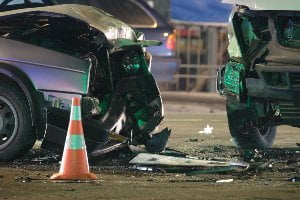 Minnesota car crashes are dangerous for everyone involved. While some at-fault drivers avoid serious injuries, others aren’t so lucky.