Nerve Damage From a Minneapolis Car Crash: What Collision Victims Should Know

Compression or blunt force trauma during a collision could cause severe damage to nerves, which could cause chronic pain, loss of sensation and other life-altering injuries.

Our Minneapolis car crash lawyers explain the various ways a car crash can cause nerve damage, common signs of nerve damage and whether someone suffering nerve damage can seek compensation.

If you suffered nerve damage from an injury during a car crash in Minneapolis or the surrounding area, our TSR Injury Law legal team may be able to help you recover compensation. Our firm does not charge upfront fees to injured victims and overall we have obtained more than $1 billion for our clients.

Schedule your free consultation today: (612) TSR-TIME.

How a Crash Injury Could Cause Nerve Damage

Motor vehicle collisions are incredibly traumatic for those inside the vehicle. Intense and sudden impacts can cause many types of damage, including nerve injuries.

These are the two most common ways for a crash to cause nerve damage:

Compression

In a car crash where the vehicle gets crumpled by running into a concrete barrier, the driver or passenger could get stuck inside. The intense pressure from an airbag or jammed seat belt could cause nerve damage to your torso, waist or head.

Blunt Force Trauma

The forceful impact of a crash could cause herniated discs, broken bones or dislocations, all of which could press on your nerves. For instance, a fractured vertebra could cause a herniated disc, which can put pressure on nearby nerves.

The trauma of a collision could also cause inflammation of muscles and ligaments. Crashes could even damage the brachial plexus, a network of nerves that goes from the spine into the neck and arm.

In severe car crashes that occur at high speed, some victims may get ejected from the vehicle. This could be serious enough to damage nerves.

Side-impact collisions often occur at intersections and could easily cause your body to whip from one direction to another. This could put a severe strain on your back, causing nerve damage in your spinal cord.

Types of Nerve Injuries From a Collision

These types of nerve damage below could result from a collision:

Neurapraxia

An interruption of blood flow to your nerves or whiplash from a forceful impact could propel your head and neck uncontrollably from one direction to another, resulting in neurapraxia.

Axonotmesis

Blunt force trauma can crush your nerves, sometimes leading to permanent damage.

Neurotmesis

This is laceration of your nerves. Flying debris, such as glass or other sharp objects, blunt force trauma often causes neurotmesis. This condition can lead to a loss of feeling or a restricted range of motion in the affected area where the nerves were damaged.

What Are the Symptoms That May Indicate Nerve Damage?

The following are some symptoms of nerve damage:

  • Lack of sweat during exercise or hot weather: Damage to the nerves between your sweat glands and spinal cord can affect your ability to sweat, even when your body is overheated and needs to cool down.
  • Muscle spasms or weakness: Your motor nerves regulate muscles in your body, such as your arms and legs. Spasms or weakness can be a sign of damage to these nerves.
  • Continuous burning or sharp pain: Your nerves allow you to feel different sensations, including pain. If pain is constant, this could be a sign of nerve damage.
  • Loss of motion, numbness or tingling: Your peripheral nerves connect to the brain, spinal cord and the rest of your body. Damage to these nerves can lead to losing feeling or control of body parts.

Some of the other symptoms may include:

  • Low blood pressure
  • Persistent headaches
  • Shooting pains
  • Neck or head pain that does not go away

If you are experiencing these symptoms, it is critical that you see a doctor. Prompt treatment may help prevent nerve damage from becoming worse or even permanent.

Compensation for Nerve Injuries

A car crash victim suffering from nerve damage may be able to recover compensation to cover the costs of medical treatment and for their noneconomic damages, such as pain and suffering. For instance, compensation could cover the cost of surgery to repair nerves that were crushed or compressed, such as in your spinal cord.

Continuous or long-term medical care may be necessary for treating nerve damage. This may include:

  • Physical therapy is often implemented to rebuild strength and flexibility in the affected area.
  • Pain management includes prescription drugs to relieve pain and inflammation.

The cost of treatment can quickly add up for car crash victims, especially if they are required to go to physical therapy for several months until they recover.

At our firm, we understand how devastating a car crash injury can be, especially when it causes a loss of strength or function. We have the legal knowledge needed to construct a robust case to pursue full compensation. This may include working with medical experts to explain how the crash damaged your nerves and how your injury affects your life.

Suffering Nerve Damage After a Crash? Contact TSR Injury Law for Legal Help

If another driver’s negligence caused your injuries, we may be able to help you seek compensation for your damages. For more than 20 years we have been committed to securing the justice and compensation injury victims need, and we have the results to prove it.

There are no upfront costs to have our firm represent you. The initial legal consultation is free and without any legal obligation.

Schedule a free legal consultation to learn if you have a case. Call (612) TSR-TIME.

Can Minnesota Drivers Be Held Liable for Crashes if They Were Impaired by Prescription Drugs?

Man in his car with hand on his head.

Most drivers know the dangers of getting behind the wheel after drinking. What about the dangers of taking prescription drugs? Driving while under the influence of a prescription medication can be just as dangerous as driving while under the influence of alcohol or illegal drugs, if not more so.

Our Minneapolis car accident lawyers discuss why it’s unsafe to drive while under the influence of these drugs and whether this could result in criminal charges in Minnesota. We also review liability for a crash when one of the drivers was on prescription medication.

Were you injured in a car crash by an impaired driver? Do you suspect the driver was under the influence of prescription drugs? TSR Injury Law may be able to help you seek compensation for your injuries. There is no obligation to hire our team to represent you. You can speak to one of our lawyers during a free initial consultation.

Call to speak with our legal team and discuss your legal options. (612) TSR-TIME.

What Types of Prescription Drugs Could Impair Drivers?

Although prescription drugs are intended to help people with different type of medical conditions, they can hinder a driver’s judgement, reaction time and concentration.

Here are some common types of prescription medications that might impair drivers’ ability to safely operate a motor vehicle:

  • Opioid Pain Relievers: Medications like oxycodone, hydrocodone, and morphine can cause drowsiness, impaired thinking and decreased reaction times.
  • Benzodiazepines: These drugs are used to treat insomnia and anxiety. Examples include diazepam (Valium), alprazolam (Xanax) and lorazepam (Ativan). These prescriptions could cause dizziness, drowsiness and confusion.
  • Antidepressants: Some antidepressants, especially older tricyclics like amitriptyline and nortriptyline, can result in sedation, dizziness and slower reaction times.
  • Antiepileptic Drugs (AEDs): These are medicines doctors use to control seizures, such as phenobarbital, topiramate and carbamazepine. Antiepileptics can impair cognitive function and motor skills.
  • Antipsychotics: Drugs like chlorpromazine and haloperidol can sedate patients, blur their vision and make them dizzy.
  • Muscle Relaxants: Medications such as cyclobenzaprine (Flexeril) and carisoprodol (Soma) have side effects like drowsiness and dizziness.
  • Antihistamines: These include drugs like Benadryl, which are used to control allergies. However, they can make you drowsy, which impairs your ability to safely operate a motor vehicle.

Drivers should be aware of the potential effects of these medications and discuss their ability to drive safely with their healthcare provider. Sometimes doctors can adjust the dosage and frequency of use of these drugs to avoid side effects that make it unsafe to drive.

Could Impairment From Prescription Drugs Lead to a DWI Charge in Minnesota?

Anyone driving while under the influence of alcohol, illegal drugs or another controlled substance could potentially be charged with driving while impaired (DWI).

According to Minnesota law (169A.20), a driver who is under the influence of alcohol, a controlled substance or an intoxicating substance may face DWI charges. Controlled substances include illegal drugs and prescribed medications.

For instance, drivers could potentially face a DWI charge if they were under the influence of pain relievers, anti-depressants and even sleeping pills.

People who suffer from insomnia may rely on sleeping pills to help them fall and stay asleep at night. Sleeping pills may seem harmless, but they are designed to make you extremely drowsy. The feeling of drowsiness can last up to a day after taking the pill.

Many of these drugs block or suppress certain signals in your nervous system. As a result, your body may become more relaxed, making you feel drowsy or even high. When you are in this state of mind, it can become dangerous for you to do things like drive a car or operate heavy machinery.

Can I Sue a Driver Who Was Impaired by Prescription Drugs?

Yes, you might be able to sue a driver who was impaired by prescription drugs if he or she caused your car crash and injuries. Driving while under the influence of medication is considered negligent, which means that the other party may be held responsible.

The doctor who prescribed the medication could even be held partially liable for the crash if he or she failed to warn the patient of the potentially dangerous side effects. Doctors have a duty of care to inform drivers of any side effects that could occur while they are driving.

However, most car accident cases are resolved through an insurance settlement. Most cases do not end up in court, although our firm is always prepared for that possibility. We have extensive experience negotiating for compensation and securing favorable results in the courtroom.

Benefits of Hiring a Lawyer for a Claim Against an Impaired Driver

You may think securing compensation will be easy if the other driver was impaired, especially if he or she was criminally charged. However, obtaining full compensation can be quite difficult without the help of a seasoned attorney who has a history of results.

Here are some of the ways our attorneys can help you with the legal process:

Conduct a Thorough Investigation

Your lawyer can take the necessary steps to find out what medication the other driver was taking and if it may have contributed to the crash.

Collect Enough Evidence

A lawyer can review the accident report, identify and interview witnesses, and recover photos, videos and other evidence to support your claim.

Handle All Settlement Negotiations

If you decide to manage your case on your own, you will need to deal with the insurance company. This is risky because insurers are trained to manipulate crash victims. They also take claims less seriously when victims are not represented by attorneys.

If you hire a lawyer, he or she can handle this, possibly increasing your chances of securing full compensation. This frees you from having to figure out how to counter the insurance company’s arguments or attempts to lowball your claim.

Injured by an Impaired Driver? Contact TSR Injury Law Today

You do not have to go through the insurance claim process alone. Not only can it be time-consuming, but it can also be very frustrating and difficult to prove your claim with a defendant’s insurance company that will do everything possible to shift blame onto you.

At TSR Injury Law, we have advocated for injury victims and their families for nearly three decades. We want to help you get through this difficult time. We charge no fees unless we win your case.

Call to schedule your free legal consultation: (612) TSR-TIME.

How a Dirty Windshield Increases the Risk of a Collision on Minnesota Roads

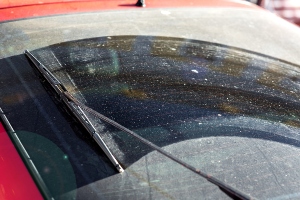
A dirty car windshield.

Dirt, snow, dust or other debris stuck on your windshield can reduce your visibility on the road and increase your risk of a collision, putting you and other drivers in danger.

TSR Injury Law explains what drivers should know about the risks of driving with a dirty windshield and the traffic laws on windshield obstructions.

If you were injured by another driver’s negligence in Minnesota, our Minneapolis auto accident lawyers may be able to help you recover compensation. We charge no fees unless we win your case, and your initial consultation is free.

Call for legal assistance today: (612) TSR-TIME.

Is There a Law About Driving With a Dirty Windshield in Minnesota?

While Minnesota traffic laws do not specifically mention dirty windshields, statute 169.71 says you are prohibited from driving any motor vehicle with a windshield so discolored it obstructs vision.

The same statute says every vehicle must be equipped with a device to clean moisture, including rain or snow, from the windshield. This device must be controlled by the driver of the vehicle.

If you were injured in a crash caused by another driver, and your lawyer can establish the driver violated one or both laws, he or she may be held liable for damages.

Why Windshields Get Dirty

Here are some of the main reasons why windshields become dirty or cluttered, impairing drivers’ vision:

The Environment

There are a lot of things in the air that could fall onto your windshield, such as pollen or bird droppings. Airborne dust could also land on your windshield, especially in dry weather. You may have a hard time clearing things from your windshield if you do not do so quickly. A significant amount of buildup over time can obscure drivers’ visibility.

Airborne particles are especially likely to stick to your windshield in urban areas, as there is a lot of air pollution.

Pollen and bird droppings are also likely to stick to your windshield if you regularly park your car by trees or bushes.

Insects

If you’ve ever been on a long road trip, you know driving at high speed for long periods can result in a lot of bugs hitting your windshield. You may also realize using your wipers to clear away the dead bugs can make things worse, smearing them across the glass.

Bad Weather

Streaks on windshields make it much harder to see everything in front of you. Streaks are often the result of a buildup of ice, snow or rain. These weather phenomena can also combine with dirt, particularly when you have old wiper blades. These weather conditions can also make the windshield blurry, making it difficult for drivers to see.

Grime From the Road

Things like mud or dirt can fly up into the air and onto your windshield because of other vehicles. This may be much more likely to occur after heavy rain or snowstorms. Driving through rural areas with muddy or gravel roads can also make it easy for mud and dirt to appear on the windshield.

Like dust or pollen, you may have a hard time removing them from your windshield, especially if they stay on the surface for a prolonged amount of time.

How a Dirty Windshield Could Cause a Collision

Driving with dirty windows or windshields puts drivers at unnecessary risk. These are some of the factors than can increase the likelihood of a crash:

Impaired Vision

Dirty windshields are extremely hazardous in bad weather, such as heavy rain, snow or fog. It can be difficult to see through these weather conditions and a dirty windshield will only further reduce your visibility.

Dirty windows can make it difficult to spot pedestrians, cyclists or other vehicles in your vicinity, increasing the likelihood of a crash.

You may need to squint often to make out what is ahead of you as headlights and streetlights can create significant glare, especially at night in rainy conditions. This can be incredibly dangerous when trying to make turns, especially left turns.

Glare and Reflections

Dirty windows create glare and unwanted reflections. When the sun or oncoming headlights hit a dirty windshield, it can be blinding, especially at night.

Worn/Inoperable Wipers

Although windshield wipers are essential for helping drivers see more clearly during bad weather conditions, such as rain or snow, they can also reduce visibility.

Using wipers on a dirty windshield could smear dirt over the glass, reducing visibility even more. Cleaning your windshield with a microfiber cloth and glass cleaner, or simply soap and water, can help remove residue.

Reduced Reaction Time

Dirty windows can delay your ability to perceive and respond to unexpected dangers. Quick reaction times are needed in hazardous situations – sometimes reacting a second or even a split second sooner can prevent a collision that results in serious injuries.

How to Keep Your Windshield Clean

These are some of the steps you can take to keep your windshield clean:

  • Clean your windshield on a regular basis: Make sure to use a quality glass cleaning product and a microfiber cloth. You should clean the inside and outside of your windshield. Cleaning the windshield is particularly important if you are regularly in areas with a lot of pollen and/or heavy traffic.
  • Replace wiper blades when they stop working as they should: It is usually best to replace windshield wiper blades once a year, and sometimes every half year. The clear sign your wipers are too old is when you flip them on, and they create streaks on the glass.
  • Fill up your windshield wiper fluid when it starts running low: This is something you can check every couple of months. Make sure you fill the reservoir up with the right cleaning solution. You will need to use a different solution in the wintertime – colder weather calls for a fluid with antifreeze. Another factor to consider is if the windshield washer nozzles are clogged. Check these when replenishing your wiper fluid.
  • Keep your vehicle covered: If you are able, park in a garage or under cover whenever possible. If your area does not have a garage, you may want to purchase a car cover. Covering your vehicle is one way to protect it from the elements, such as leaves, dirt or pollen.

Injured in a Minneapolis Collision? Contact TSR Injury Law for Legal Assistance

If you were injured in a collision caused by a negligent driver, you will have many decisions to make. One of the most important is the lawyer you choose to represent you.

You need an experienced law firm that has a proven history of helping crash victims obtain the compensation they needed for medical care and other damages. TSR Injury Law has been taking on these cases since 1998 and we have obtained more than $1 billion on behalf of our clients.

After a crash, TSR Injury Law is ready to assist you. Our lawyers operate on a contingency fee basis, so there are no costs up front.

Call us today to schedule your free consultation: (612) TSR-TIME.

Liability if a Car Crashes Into a Building in Minnesota

When a car loses control and crashes into a building, the injuries and property damage can be devastating. While the vehicle occupants could be severely injured, those inside the building are also at risk of severe injuries.

Below, TSR Injury Law’s Minneapolis car crash lawyers explain common causes of these types of crashes and who may be held liable. Although drivers are typically the only liable party, property owners and other entities may bear fault.

If you were injured in a car crash, you have the right to pursue compensation for your injuries. Our legal team is here to support you during this challenging time and help you recover the compensation you deserve. Since 1998, our attorneys have advocated for injury victims and their families throughout Minnesota, recovering millions on their behalf.

Call to schedule your free legal consultation: (612) TSR-TIME.

Why Do Cars Crash Into Buildings?

There are numerous reasons why cars crash into buildings. These are some of the most common causes:

Driver Error

This is probably the number one reason why drivers crash into buildings, like convenience stores or grocery stores. Oftentimes, a driver will confuse his or her gas pedal for the brakes while backing out of or pulling into a parking spot.

While any driver could make this type of mistake, elderly or new drivers may be more likely to hit the gas instead of the accelerator.

Reckless Driving

We have all seen drivers who speed through parking lots or residential areas. Speeding increases the risk of losing control of your vehicle, especially when hazardous situations arise. For example, a speeding driver will have less time to avoid a car that starts backing out of a nearby space or a pedestrian that wanders into the speeding driver’s path, which may lead them to swerve into a nearby building.

Driving under the influence of alcohol, illegal drugs, or certain prescribed medications is also a common reason a driver crashes his or her vehicle into a building. Alcohol and other drugs can slow your reaction time and impair your judgment, making you more likely to engage in reckless behavior.

Another Crash or Hazard

There are times when someone crashes into a building after trying to avoid a hazard, such as an animal darting across the street.

Sometimes a collision with a building occurs as result of another crash. For instance, a collision with another vehicle could send one or both vehicles off the road and into a building.

Mechanical Error or Breakdown

If a vehicle’s brakes fail or the car accelerates without the driver hitting the gas, the driver could lose control. Tire blowouts are another common reason why drivers lose control.

When Could a Driver Be Held Liable?

In most cases, the driver of the vehicle that slams into a building is held liable. He or she is the one who had the best opportunity to prevent a collision. After all, these crashes are often the result of driver negligence, such as:

Those injured by the crash (other drivers, pedestrians who were inside or outside of the building, etc.) may be able to pursue a liability claim against the at-fault driver’s insurance policy. Drivers and pedestrians who were injured can also seek compensation from the personal injury protection (PIP) coverage in their own auto insurance.

What if the Driver Does Not Own the Vehicle?

If the driver borrowed the vehicle from someone, the owner of the vehicle may share some liability for the damages caused by the crash, even if the vehicle was taken without permission.

If the driver stole the vehicle, the owner could still be held partially liable if his or her negligent actions resulted in the theft. For example, if the owner of the vehicle left the car running to stop inside a convenience store, this may be considered a negligent action. Leaving the car running gives thieves more than enough time to steal a vehicle.

Other Parties That Might Bear Fault

Sometimes, there are other parties besides drivers who bear some amount of fault for a collision with a building, such as:

The Property or Business Owner

If there were conditions an owner neglected to address that may have resulted in a vehicle crashing into his or her building, the owner may be held liable for a portion of damages.

The Vehicle Manufacturer

If vehicle malfunctions or defects contributed to the collision, such as failing brakes, the manufacturer of the vehicle or a component could be held liable.

However, if the driver was aware of a recalled part that ended up contributing to the crash and did not get the recall repair, the driver may still be at fault.

What if You Are in a Building When a Car Crashes Into It?

If this ever happens, it is important to get out of the building as soon as possible. There is no way to know the severity of the structural damage in the moments after the crash. You do not want to be inside if parts of the building come crashing down or cave in.

If you were injured, seek immediate medical attention. After you receive the treatment you need, consider calling an experienced lawyer to discuss your situation. You may be able to seek compensation and a lawyer can help you explore possible legal options.

At TSR Injury Law, we have been helping injured victims for many years, and are prepared to advocate for your rights. Our services are provided at no upfront cost to you.

Call for legal assistance. Your case review is completely free. Phone: (612) TSR-TIME.

How an Attorney Can Preserve Witness Testimony After a Crash in Minneapolis

Eyewitness testimony is just one type of evidence you can use to support a car crash claim, and it can be quite persuasive. Especially if the witness’s statements align with your account of the incident.

Considering how helpful this testimony could be, it is vital that you take steps to preserve it, as memories fade over time. In this article, we discuss the steps an attorney can take to preserve eyewitness testimony after a Minneapolis car crash.

If you were injured in a crash in Minnesota, we may be able to help you. Our licensed Minneapolis car accident lawyers have recovered millions for crash victims. In all, our firm has secured more than $1 billion for injury victims throughout the state.

We charge no upfront fees, and an initial legal consultation is free.

Complete a free case evaluation form or call us at (612) TSR-TIME.

How Witnesses Can Help Your Car Crash Claim

A witness may be able to back up an injury victim’s claim that another party was responsible for the car crash.

For example, maybe a witness saw the other driver staring at his or her smartphone in the moments before the collision. Witnesses might see the at-fault driver run through a red light, start making a turn when oncoming traffic is too close or follow the victim’s car too closely.

In cases where the victim suffers memory loss or is otherwise physically or medically unable to tell his or her side of the story, a witness can help explain what happened before and during the crash.

Car crash cases could be thought of as a competition between two drivers’ accounts of what happened. Witness testimony could help “break the tie” so to speak, especially if the witness has no connection to either party in the case, as this bolsters the witness’s credibility.

You also do not want a witness who has a documented history of lying or illegal activity, as this can call everything he or she says into question.

Witnesses can be particularly important if a case goes to court, as some witnesses may connect with the jury. This could make the jury more likely to rule in the victim’s favor.

It is important to note there are many pieces of evidence that may prove a car crash case. Lawyers often need multiple pieces of evidence. However, credible witness testimony that supports other evidence can be particularly powerful.

Definition of Preserving Witness Testimony

Preserving witness testimony could be defined as documenting the witness’s statements about the collision before he or she forgets. It is easy to forget details about a collision. In fact, it can happen rather quickly. In a matter of hours or days, witnesses might not recall vital details.

A witness also might not be available for the trial date. Preserving his or her testimony gives you the chance to present these statements later.

Examples of preserving witness testimony may include:

  • Documenting the witness’s statements in the police report at the scene of the crash
  • Recording the statement with a smartphone or other device
  • Writing or typing the statement and having the witness sign it to make it official

What Can Crash Victims Do To Preserve Testimony?

It is generally best to allow your lawyer to obtain statements from witnesses. Your lawyer will know what questions to ask and how to properly document the witness’s account, such as:

  • What were the traffic conditions?
  • What was the weather?
  • Did you see anything unusual about the other driver?
  • Where were you when the crash occurred? What was your vantage point?

If you are able, we strongly suggest asking for witness contact information at the scene. You can then provide this information to your lawyer, so he or she can contact the witness.

Make sure to tell the police to talk to witnesses when they arrive at the scene. They can document witness statements in the police report.

What Steps Can Your Lawyer Take to Preserve Witness Testimony?

Your lawyer could ask the witness to provide a sworn statement. This means the witness would record or write out what he or she saw while under oath. The witness would sign the statement with a notary public in the room. The statement then becomes a legal document that can be sent to the court and put on record.

It is important to ask for a sworn statement as soon after the crash as possible. Otherwise, the witness could forget things that may help the victim’s case.

Your lawyer could also request a faster discovery if the witness is not available for trial, such as for health reasons. If the judge approves this request, your lawyer can have the witness do a deposition.

What is Discovery?

Discovery is a pre-trial process of exchanging evidence. This allows both sides to prepare for what will be presented at trial.

One aspect of discovery is getting depositions from witnesses. A deposition is an out-of-court statement, given under oath, by someone involved in the case.

A deposition can help your case in a couple ways:

  • It may be used if a witness cannot appear at trial because they are physically unable to appear, out of the country or have safety concerns.
  • Your lawyer can compare a deposition to in-court testimony to find any discrepancies that might call the witness’s statements into question.

Need Legal Help After a Crash? Contact TSR Injury Law to Discuss Your Case

Contact TSR Injury Law today to discuss your situation and learn how we may be able to help you gather the evidence you need for your case. We are committed to helping our clients secure the compensation they need to put their life back together.

Our lawyers operate on a contingency fee basis, so there are no upfront costs or legal obligations. Your initial legal consultation is also provided free of charge.

More than $1 billion recovered for injury victims. Call us at: (612) TSR-TIME.

Driving While Hungover: Why it Is Dangerous and What Crash Victims Should Do

We all know it is dangerous and illegal to get behind the wheel while drunk, but many people see no problem driving when they have a hangover. Technically, driving with a hangover is not illegal, but it is still risky, as a hangover can affect your reaction time and ability to concentrate on the road.

TSR Injury Law explains the dangers of driving hungover and what to do if you get into a crash caused by a hungover driver.

If you were injured in a crash caused by a drunk or hungover driver, our Minneapolis car accident lawyers may be able to help you seek compensation for your damages. Call us to schedule a free consultation.

TSR Injury Law. Experienced lawyers representing the injured at no upfront cost. (612) TSR-TIME

Defining a Hangover

A hangover is an umbrella term that refers to the various reactions your body may have to drinking alcohol. Many people think a hangover starts the morning after consuming alcohol, but symptoms can start just hours after you stop drinking.

It does not take much alcohol for some people to experience a hangover – some people develop a hangover after just one or two drinks.

Everyone responds to alcohol differently based on various factors like weight, height and the type of alcohol consumed. For example, women might remain hungover longer than men because men often have more water in their bloodstreams, which allows the body to process alcohol faster.

Dangers of Driving While Experiencing a Hangover

A hangover can be a miserable experience, regardless of your tolerance for alcohol. These are some of the symptoms you may experience during a hangover:

  • Blurred vision
  • Dizziness or vertigo, particularly when you stand up
  • Severe headaches, nausea or vomiting
  • Sensitivity to light
  • Losing concentration or focus on the task at hand
  • Minor or severe stomach pain
  • Feeling shaky
  • Unusually slow reaction time
  • Frequent yawning
  • Severe dehydration
  • Increased irritability, even if you are not normally an irritable person
  • High blood pressure
  • Fatigue or weakness
  • Aching muscles

These symptoms could last anywhere from a few hours to more than a full day. You may think things will get better as your blood alcohol concentration (BAC) approaches and finally reaches zero. However, peak hangover symptoms often hit when your BAC is at zero, according to the National Institute on Alcohol Abuse and Alcoholism.

Hangover symptoms can make it much harder to stay focused on driving and reacting to hazardous situations, such as wet roads, children playing near the street or debris in the road.

Hungover drivers may be more likely to engage in various forms of negligent/reckless driving, such as:

  • Drifting out of their lane, which could be caused by blurry vision or shakiness
  • Tailgating other cars because of their slower reaction time
  • Speeding because it takes them longer to realize how fast they are going
  • Running through stop signs, such as in a residential area close to home
  • Pulling out into an intersection to make a turn when there is not enough time to safely avoid oncoming traffic
  • Brake-checking another car because they are more irritable
  • Not looking for pedestrians or bicyclists at intersections and crosswalks

Your body needs time to rest and recover from the effects of alcohol, so you may want to avoid driving the day after drinking, especially if you consumed a lot of alcohol.

Can a Hungover Driver Be Charged With Drunk Driving?

State laws do not mention hungover drivers. Minnesota, like other states, sets a BAC limit of 0.08. If a driver gets pulled over or causes a crash and is found to have a BAC above the limit, he or she could be charged with Driving While Intoxicated (DWI). However, even if a driver’s BAC is below the legal limit, police could still arrest them for DWI if they deem the driver to still be under the influence of alcohol.

It is highly unlikely that a hungover driver would be charged for impaired driving. However, if he or she causes a collision, the police might cite this person for another traffic violation. The police officer might note that a hangover may have played a role in the crash. Your lawyer can bring this up in a claim for compensation, as this might explain the driver’s negligent actions before the crash.

What Should Victims Do After a Crash With a Hungover Driver?

If you think the other driver may be hungover, tell the police officer who comes to the scene. He or she can note this in the police report.

For example, is the other driver yawning a lot? Does he or she seem highly irritable? Is he or she complaining about a headache? Did he or she make an offhand remark about a late night?

Sometimes the signs of a hangover are like the signs of drowsy driving. Evidence of a drowsy or hungover driver may help your lawyer validate your claim. For instance, the at-fault driver may have posted pictures on social media that could support the conclusion the driver was out late or consuming alcohol the night before.

Injured by a Drunk or Hungover Driver? TSR Injury Law May Be Able to Help

Our lawyers at TSR Injury Law have recovered more than $1 billion for injury victims and their families throughout Minnesota. We know the dangers of drunk driving and are committed to helping victims secure the compensation they need.

We charge no fees unless we win your case, and your initial legal consultation is free.

Call us today at (612) TSR-TIME.

Can Your Lawyer Use Black Box Data in a Minnesota Car Crash Claim?

getting data from car on laptopMany vehicles made in the past 10-15 years, and even some older ones, are equipped with event data recorders, also known as black boxes. These devices gather information about the vehicle and some of the driver’s actions leading up to a crash.

Black box data can play a key role in a car crash case and can help prove who was at fault for the crash. Below, our Minneapolis car crash lawyers discuss how recovering black box data could be beneficial in a car crash claim.

If you or a loved one was injured in a motor vehicle crash in Minneapolis or elsewhere in Minnesota, we may be able to help guide you through this difficult time. Since 1998, our experienced attorneys have helped injury victims recover the compensation they deserve. We have obtained more than $1 billion on behalf of our clients.

No upfront fees. Call today to schedule a free legal consultation. Phone: (612) TSR-TIME.

What Is a Black Box?

A black box is a vehicle’s event data recorder (EDR). It comes standard in many passenger vehicles that were made within the past 10-plus years.

Many American car manufacturers have been installing black boxes in their vehicles since the 1990s. Even if you have an older vehicle, or the other driver’s vehicle is older, the chances of one or both vehicles having a black box are high. For instance, certain vehicles manufactured by Buick, Cadillac and Chevrolet have had black boxes installed since 1994.

What Information Does a Black Box Record Before or During a Crash?

A black box records and stores information about the moments leading up to a crash, such as:

  • Airbag deployment
  • Speed the car was traveling
  • When and for how long the brakes were applied
  • Whether vehicle occupants were wearing their seatbelts
  • The force of impact during a collision
  • And more

These are the types of data most black boxes record. Some car manufacturers may install black boxes that record many other data points, such as:

  • How long the collision lasted
  • Whether the driver clicked on a turn signal
  • The number of impacts on the vehicle
  • Where the seats were positioned
  • Steering angles
  • Time between impacts
  • And more

Many black boxes record data on a continuous loop and rewrite about five to 10 seconds of information until a crash. When a car crash occurs, the data leading up to the collision (about 20 seconds) is stored for a certain time period.

Using EDR Data To Prove Fault for a Collision

Proving fault and showing that the impact more than likely caused your injuries is critical to any car crash claim. That is why black box data can be so useful, if a vehicle involved in the crash has one installed and it was working during the incident, there is a high chance the data can be used to back your claim.

Black box data could be helpful after just about any type of crash, but especially with:

Fatal Crashes

When one or several of the people involved in a car crash tragically pass away, it can be very challenging to understand exactly what occurred. Black box data can help clarify some of the uncertainties surrounding the crash.

Collisions That Cause Memory Loss

If a crash victim suffers memory loss, such as from a traumatic brain injury, or if those involved cannot recall key details, black box data might help fill in some of the gaps.

Contradictory Testimonies

Eyewitness accounts of the crash could contradict what the victim or at-fault driver said. Even without witnesses, the victim and at-fault driver’s account of the collision may differ wildly. These discrepancies can make it difficult to decipher fact from fiction.

Black box data, however, can help clarify what happened and potentially back up what you said or remember about the incident.

Linking an Injury to a Crash

If you suffer an injury, it can become very challenging to prove it is directly related to the crash. Black box data could show the force of impact from a crash, helping to show why your injury likely happened during the collision.

Can Insurance Companies Use EDR Data To Undermine Your Claim?

While your attorney will use black box data to help your case, insurance companies have a different goal. They will be looking for any information that gives them a reason to assign fault to you, such as the speed of your vehicle or whether you applied your brakes or turn signal.

Insurance companies may also drag their feet on recovering the data. They are in no rush to obtain evidence that could be used against their interests. They just want to save themselves money. They do not want to pay fair compensation to someone injured by a negligent driver.

If a negligent driver rear-ended you on the highway, black box data from your car and the at-fault driver’s car could help establish fault. For example, you could see the other driver’s speed. However, it would be in the best interest of the at-fault driver’s insurance company not to retrieve the data. They could then make false claims about how fast their policyholder was traveling, as there may be no objective evidence to contradict them.

How Do Attorneys Access Black Box Data?

It is essential that you contact an experienced lawyer soon after the crash, as he or she can take steps to collect the black boxes before the data gets erased.

For example, you can authorize your lawyer to obtain the black box information on your behalf. Your lawyer can also formally request the event data recorder from the at-fault driver’s vehicle. Another step your lawyer could take is sending a letter to the insurance company requesting that they preserve evidence, including the black box.

You never know when you might need this information to help prove your case. That is why you need to contact a lawyer as soon as you can following a crash.

However, this is just one of the benefits. The attorneys at TSR Injury Law have decades of experience building motor vehicle crash cases. We know how to link an injury to a collision and gather strong evidence to prove fault. We also know how to determine the full value of a case and aggressively advocate for maximum compensation.

Unsure if You May Have a Case? Call TSR Injury Law

At TSR Injury Law, we guide crash victims through the legal process, answering their questions and advocating for their best interests. If we represent you, we will stay committed to securing the justice and compensation you deserve.

Call us today to discuss your options. We work on contingency, so there are no upfront costs.

Call today: (612) TSR-TIME. No upfront costs. Free initial consultation.

What Minneapolis Truck Crash Victims Need To Know About a Spoliation Letter

red truck from the side

Trucking companies and their insurers move quickly after a commercial truck crash. Within a few hours of a collision, they begin taking steps to try to limit their liability.

You need to move just as quickly to protect your interests as the victim of negligence. Deciding what to do, however, is quite a challenge when you are at the hospital recovering from your injuries.

At a time like this, calling an experienced lawyer is a critical step. A lawyer can begin working to gather evidence to build a case right away while you are focusing on your recovery. One step to preserve evidence after a truck crash may involve sending a spoliation letter to preserve evidence held by the trucking company.

Below, TSR Injury Law’s Minneapolis truck accident lawyers explain the importance of spoliation letters and the types of evidence they can preserve.

No upfront fees. Call to schedule a free legal consultation: (612) TSR-TIME.

What Is a Spoliation Letter?

A spoliation letter is a legal document written by a lawyer that gets sent to the trucking company and the trucking company’s insurer. This letter provides formal notification to these parties of the crash victim’s legal claim. Most importantly, the letter lists the types of evidence that cannot be destroyed, lost or altered.

Without a spoliation letter, the trucking company and its insurance carrier could take the opportunity to destroy evidence after a certain amount of time passes. The loss of this evidence would make it much harder to prove liability for the collision.

Your lawyer may also send spoliation letters to other related parties involved in the crash, such as the maintenance company that worked on the truck, brokers, or management companies.

Sending a spoliation letter is a key step in protecting the integrity of a claim’s evidence. It helps to provide all parties involved a fair chance to present their case.

What Evidence Can Be Preserved With a Spoliation Letter?

There are various pieces of evidence that can be used to establish fault in a truck crash. A well-crafted spoliation letter should say that all relevant evidence must be preserved. It should also list the specific types of evidence that cannot be destroyed or tampered with, such as:

  • Data from the truck’s electronic logging device (ELD), such as the number of hours the driver spent on the road
  • Truck maintenance records, which may reveal a history of mechanical issues or neglect of other issues that contributed to the crash
  • Dashcam footage from the truck
  • The truck’s GPS data, which can include details like speed and the route the driver was taking
  • Employment and training records for the driver
  • Cargo records, which might show cargo was not loaded properly
  • Witness statements collected by the insurance company after the crash
  • Pictures from the crash scene
  • The commercial truck involved in the crash, as an examination of the truck could provide clues about why the crash happened
  • The incident report completed by the truck driver
  • Alcohol and drug testing records for the driver
  • Dispatch records
  • Permit and license information for the driver
  • Emails
  • Voicemail messages
  • Text messages
  • And more

Why Is a Spoliation Letter Important to a Truck Crash Case?

Despite the truck driver or trucking company’s negligent actions, truck crash victims have the burden of proof. They must present evidence of negligence and show that the crash would not have occurred if it wasn’t for another party’s negligence.

Once your lawyer sends the letter and it is delivered, the party that receives it can face severe consequences for destroying or altering evidence. Your lawyer can present a spoliation letter to prove the evidence should have been left alone.

Often, the trucking company and its insurer possess the evidence victims need to prove their cases. If evidence possessed by the trucking company gets destroyed, it will be incredibly difficult to prove what happened.

As the legal process goes on, the insurance company may be more likely to settle because they know your lawyer will have a compelling case.

However, it is vital that you contact a lawyer quickly so they can help you build a case immediately after the crash. Calling a lawyer right away allows him or her to immediately preserve evidence, helping to ensure the accuracy and reliability of the evidence.

No matter how severely you were injured in the crash, or how strong the evidence is, the trucking company will try to deny fault. You need an experienced legal professional advocating for your best interests and to hold the trucking and insurance company accountable.

At TSR Injury Law, we are always prepared to take matters to court if the insurance company does not offer the compensation victims need. We have a proven track record of success in the courtroom and have helped thousands of crash victims secure justice.

Injured in a Minnesota Truck Crash? Contact TSR Injury Law

At TSR Injury Law, we understand the devastating impact a truck crash can have on your life. We also know how important it is for victims to have a prompt legal response.

If you were injured in a commercial trucking crash that you think could have been avoided, call our firm right away to find out if we can assist you. The faster you contact a lawyer, the faster he or she can work to preserve evidence and build a robust case.

Trucking companies fight hard to avoid accountability for the injuries and damages they cause. You need a trusted advocate fighting just as hard for your interests.

Zero upfront costs. Free initial legal consultation. More than $1 billion recovered. (612) TSR-TIME

Filing a Claim for Broken Ribs Suffered in a Minneapolis Car Crash

tablet over rib injuryYour ribs are not built to withstand blunt force trauma during a car crash. Even at a relatively slow speed, such a blow could bruise or even break your ribs. This is not an injury to take lightly, as there is a risk of severe complications that may threaten your life.

TSR Injury Law’s Minneapolis auto accident lawyers have secured millions for crash victims in this state. If you break or bruise your ribs because of another driver’s negligence, we may be able to help you take legal action.

Below, we explain how car crashes cause broken ribs, symptoms to watch for, secondary injuries and complications that can occur. We also discuss including broken ribs in a car crash claim.

TSR Injury Law does not charge upfront fees to represent crash victims. Contact us: (612) TSR-TIME.

How Car Crash Broken Rib Injuries Occur

Most crash victims with broken ribs got hit in the chest during the collision. For example, they may have hit the steering wheel, door or dashboard. The force of the impact in any of these scenarios can be great enough to cause your ribs to break.

However, broken ribs could also be caused by compression. When a small area of the body is compressed between two objects, bones may fracture. For example, while seat belts help to protect lives, they can exert significant pressure on your chest in a severe crash. This is compounded by pressure on your spine from your seat and could result in a rib fracture.

Rapid deceleration during the collision could also cause your ribs to bend or flex. If they bend beyond their capacity, it could cause a fracture. Sometimes the force of a crash is enough to press your internal organs into your ribs. In some cases, that pressure could be enough to cause a fracture.

The main takeaway is that even if you did not get hit hard in the chest, you could suffer a rib fracture. It is vital that you take note of other symptoms of a broken rib injury. If you notice other symptoms, you should seek medical attention right away.

What Are the Symptoms of Bruised or Broken Ribs?

One of the first signs of a broken rib is a cracking noise when the injury occurs. If you hear that kind of noise and feel pain in your chest, there is a strong possibility of a fracture.

In the moments and hours after the collision, you should be aware of these symptoms:

  • Sharp, severe pain in your chest: People who suffer this injury will notice sharp pain in their chest. This pain usually gets worse when you take a deep breath, cough, sneeze or move your torso.
  • Swelling and tenderness of the chest: The site of the injury will feel tender, which means it will cause pain when you touch it. You may also notice swelling and possibly bruising.
  • Labored, difficult breathing: Patients often have trouble taking deep breaths because it hurts. The pain from broken ribs often results in shallow breathing and may put you at higher risk for pneumonia, which can be fatal if left untreated.
  • Deformity in your chest: In severe cases, you may see a noticeable deformity where the rib fracture occurred. However, this usually only happens if you suffered multiple fractures.

These symptoms should never be ignored, as they may indicate a serious rib injury. It is important for you to seek immediate treatment to help reduce the chance of severe or life-threatening complications.

Secondary Injuries Caused by Broken Ribs

The main thing to keep in mind about broken ribs is that there is a potential for secondary injuries that could prolong your recovery and maybe even threaten your life.

You need to go to the hospital right after a crash so doctors can diagnose your broken ribs and determine if you suffered any secondary injuries, like:

Pneumothorax (Collapsed Lung)

A pneumothorax occurs when a broken rib punctures a lung, allowing air to escape into the space around the lung. As a result, the lung could collapse, causing intense pain and shortness of breath.

Hemothorax (Blood in the Chest Cavity)

A hemothorax is like a collapsed lung, except that blood, instead of air, accumulates in the chest cavity. This can also impair proper lung functionality.

Organ Damage

The liver and spleen are particularly vulnerable to damage from broken ribs, especially if the ribs that break are in the lower part of your rib cage. If these organs rupture, you could experience internal bleeding and the contents of your organs could empty into your abdominal cavity, which could be fatal.

Soft-Tissue Injuries

Muscles, tendons and blood vessels around fractured ribs can suffer damage, which can lengthen the healing process.

Prompt diagnosis and treatment of broken ribs are essential to manage pain, prevent complications and ensure a proper recovery.

Treatment Options for Broken Ribs

Severely broken ribs that damage internal organs often require surgery. However, many victims who sustain broken ribs do not need surgery. After checking your ribs are not causing internal harm, doctors may only prescribe pain and anti-inflammatory medications to promote healing. Additional care will likely include rest and limited physical activity. Some victims may need physical therapy to rebuild their strength and improve lung functionality.

What Is the Value of a Broken Rib Claim?

Treatment for your broken ribs should be covered by your personal injury protection insurance, no matter who is at fault for the collision. This includes the cost of:

  • Stays in the hospital
  • Surgeries
  • Prescription and over-the-counter medications
  • Physical therapy
  • Imaging tests
  • And more

Your no-fault coverage should provide compensation for lost wages if your injury kept you from working. This includes times you missed work because you had to attend follow-up appointments with doctors.

Depending on the specifics of your crash, additional compensation may also be available. For instance, you might be able to seek compensation for pain and suffering and lost enjoyment of life.

At TSR Injury Law, we are committed to ensuring that victims of car crashes receive the compensation they deserve. If we determine you have a case and you hire our firm to represent you, we can determine the full value of your claim. We can also explain the steps you can take to document all the damages suffered.

You should not rely on online settlement calculators or the insurance company’s assessment of the value of your claim. Our firm is committed to securing all the compensation you need to move forward with your life.

Injured in a Minneapolis Collision? Contact TSR Injury Law for Legal Assistance

Contact TSR Injury Law today to discuss your situation and learn how we may be able to help you achieve a favorable outcome. While many cases settle, we are also prepared to go to trial to secure the compensation you need to put your life back together.

Our lawyers operate on a contingency fee basis, so there are no upfront costs or legal obligations. Your initial legal consultation is also provided free of charge.

More than $1 billion recovered for injury victims. Call us at: (612) TSR-TIME.

Compensation for Chronic Pain Caused by a Minneapolis Car Crash

doctor examining patient with back painMany car crash injuries will heal in a matter of weeks or months, with few lingering symptoms. Unfortunately, some victims experience pain for months or years after their injury occurred. This is known as chronic pain, and it can dramatically impact your quality of life.

At TSR Injury Law, we recognize the profound impact that chronic pain can have on the lives of crash victims. Below, we explain what victims need to know about including chronic pain in a compensation claim.

Our licensed Minneapolis car accident lawyers have recovered compensation on behalf of many people who suffered life-altering injuries. If you were injured in a crash in Minneapolis or elsewhere in Minnesota, we may be able to help you. We charge no upfront fees.

More than $1 billion recovered. Call TSR for legal assistance: (612) TSR-TIME.

Car Crash Injuries That Often Cause Chronic Pain

Some injuries heal with time, but others can cause persistent pain for months or even years after the collision. These are some of the more common car crash injuries that may result in chronic pain:

  • Whiplash: This is a severe strain of the soft tissues in the neck. It is caused by sudden rapid back-and-forth movement of the head and neck, which often happens during a collision. Whiplash can cause chronic neck and shoulder pain, stiffness and headaches.
  • Herniated discs and back pain: Discs in the spine may bulge or rupture due to the force of a collision, causing the discs to press on spinal nerves or spinal cord. This type of disc injury in the spine can cause ongoing neck and back pain, numbness and weakness.
  • Traumatic brain injuries (TBIs): Concussions and other brain injuries can cause chronic headaches and cognitive or emotional problems. Brain damage from a collision could also trigger migraine headaches, which can be incredibly painful.
  • Knee injuries: The force of a car crash has the potential to tear the cartilage in your knee, causing swelling, pain and trouble walking. Instability in the joint often leads to chronic pain and a higher potential for osteoarthritis.

Shoulder Injuries, like rotator cuff tears: The rotator cuff can be torn during a car crash, causing severe shoulder pain and reduced range of motion. This injury often requires surgery and can result in long-term discomfort and functional limitations.

Symptoms That Come With Chronic Pain

Unfortunately, pain is often just one symptom that comes with a severe car crash injury. People who experience chronic pain often experience additional symptoms, such as:

  • Aching, burning or shooting pain: Chronic pain can manifest itself in various ways. Some individuals may experience aching pain, while others experience burning pain. Still others may experience a combination of both these types of pain. Unfortunately, chronic pain may not go away with any of the typical pain management methods.
  • Stiffness and discomfort: You may have limited mobility in the affected area, along with stiffness that limits your daily activities.
  • Fatigue: Chronic fatigue is physically draining. The fatigue can be so severe and overwhelming that some people struggle with simple tasks.
  • Trouble sleeping: You may struggle to fall asleep or stay asleep because you are so uncomfortable. This contributes to continual fatigue, which in turn can make the pain worse.
  • Emotional impact: Chronic pain often results in poor mental health, as victims may experience anxiety, depression and/or irritability.
  • Trouble concentrating: Chronic pain makes it hard to concentrate, which is distracting and makes it harder for victims to engage in the same activities they used to do. This includes duties they performed at work, as well as activities they enjoyed in their personal lives.

How Can Patients Manage Chronic Pain?

People who have chronic pain often use various strategies to manage it. This may include pain medication and anti-inflammatory medications, along with physical therapy, a pain management program with injections, mental health counseling and possibly massages or acupuncture.

Each injury is different, so crash victims must work closely with their doctors to develop a plan that is tailored to their needs.

Can Minnesota Crash Victims Include Chronic Pain in a No-Fault Claim?

Minnesota’s no-fault insurance system allows crash victims to get immediate coverage of medical expenses and lost wages, regardless of who caused the crash. This includes coverage for things like:

  • Surgery
  • Rehabilitation
  • Hospital stays
  • Transportation to the hospital
  • Physical therapy
  • Chiropractic care
  • Steroid, lidocaine, or Botox injections
  • And more

If your chronic pain results in doctors prescribing medication or physical therapy, those bills may be covered by the personal injury protection (PIP) plan in your own insurance policy. However, your PIP insurance may not cover ongoing medical costs, especially if those costs exceed the limits of your coverage.

Your PIP coverage also will not cover pain and suffering, as it is a form of non-economic compensation.

What About a Lawsuit?

One of the main differences between a no-fault state like Minnesota and a fault-based state is that there are additional restrictions on your ability to file a car crash lawsuit in Minnesota. State law says you cannot recover for pain and suffering for a car crash injury unless your case fits one of five criteria:

  • You incur more than $4,000 in medical treatment
  • You have a permanent injury
  • You sustain 60 days with a disability
  • The victim of the crash died
  • There is permanent disfigurement

If your case meets one of these criteria, you may be able to file a lawsuit against the at-fault driver’s insurance policy. If eligible, you can seek compensation for various damages that are not available in a no-fault claim, such as:

  • Pain and suffering
  • Loss of enjoyment of life
  • Lost earning capacity
  • Emotional distress

In short, you may be able to seek compensation for chronic pain from a car crash, but there are many factors to consider. That is why it is vital that you speak to an experienced lawyer about securing full compensation for your damages.

Contact TSR Injury Law After Getting Injured in a Collision

We are dedicated to securing the maximum compensation for our clients to support their recovery and manage the ongoing impact of chronic pain. If you or a loved one are dealing with chronic pain following a car crash, do not hesitate to reach out to us.

Complete a free case evaluation form or call us at (612) TSR-TIME.

Keeping Track of Your Medical Costs After Being Involved in a Minneapolis Crash

It is only natural to feel overwhelmed after getting injured in a car crash. The collision itself is a traumatic experience that leaves many people in a state of shock. The weeks and months following a car crash are often physically, financially, and emotionally taxing.

Current image: medical billing statement with stethoscope

Keeping things organized, such as your medical expenses, can be a challenge. At TSR Injury Law, we know what crash victims go through. We have decades of experience helping people through the legal process and securing the compensation they need to move forward.

Below, our Minneapolis-based car accident lawyers discuss the importance of tracking car crash medical expenses and provide tips on how to keep your bills and receipts organized. If you were injured by another driver’s negligence, call us to learn how we may be able to help.

No upfront costs. More than $1 billion recovered for clients. Phone: (612) TSR-TIME.

Why Crash Victims Should Track Their Medical Expenses

While there are some exceptions, you should be able to seek compensation for all your crash-related medical costs. However, you are going to need documentation of these expenses to include them in your claim for compensation. The insurance company is not going to pay for undocumented expenses or medical care.

Accurate documentation of your medical costs and care also helps to prove the severity of your injuries and enhances your credibility. A paper trail shows the insurance company you are taking the situation seriously because you are following through on your treatment and are taking the appropriate steps to make the best recovery possible.

Insurance companies love to claim victims are trying to inflate their damages, so they can get more money than they need. It is much harder for them to make this argument when your lawyer can present a detailed record of reasonable medical treatment.

What Medical Expenses Should You Track?

Crash victims may have a wide range of medical expenses. It is imperative to track every cost, no matter how small, including, but not limited to:

  • Emergency room visits: This includes bills for initial treatment and stabilization of your injuries.
  • Hospital stays: Charges for overnight or prolonged hospital admissions.
  • Surgical procedures: There are numerous expenses associated with surgery, as various medical professionals and tests may be involved.
  • Medications: Prescription and over-the-counter drugs may be necessary, such as medications used to manage pain or prevent infection.
  • Physical therapy or rehabilitation services: For example, some victims need physical therapy to rebuild their strength and improve their mobility.
  • Specialist consultations: Victims may incur fees for seeing specialists, like orthopedists or neurologists.
  • Chiropractic care: Many people find chiropractors helpful in addressing neck and back pain following a crash.
  • Mental health counseling: Crashes are traumatic experiences that can leave lasting psychological and emotional scars. Counseling can help victims work through these issues, helping them to improve their quality of life.
  • Medical equipment: These costs may include things like crutches, braces, wheelchairs or home modifications.
  • Follow-up care: This includes charges for ongoing treatment and checkups. It is important to note that victims should do their best not to miss appointments. If something comes up, reschedule the appointment. Skipping appointments affects your credibility in the eyes of the insurance company.
  • Travel expenses: Victims may be compensated for costs associated with getting to and from medical appointments when doctors are a significant distance away from where victims live.
  • Cost to hire a caregiver: Some crash victims may need to hire a caregiver. This could be a short-term expense or one that lasts a significant amount of time.

How To Track Car Crash Medical Expenses

Efficient tracking of medical expenses requires organization and diligence. However, there are various ways to track expenses.

For example, you can keep everything together in one folder to avoid losing anything. This includes medical bills, receipts, correspondence from the insurance company and payment records.

You could maintain a diary of your medical care that includes documentation of your expenses. In the diary, you could provide more information about each doctor’s visit. You can also explain how your injuries affect you each day. This narrative can be invaluable in personalizing and substantiating your claim.

There are smartphone apps that you can use as well, as they are specifically designed to allow you to track medical expenses. These apps may allow you to filter and categorize your expenses. Also, paper records could get lost or thrown away by accident. Digitizing your medical documents may be better for data security.

Keeping the above information in mind, the easiest way to keep track of your medical expenses is to hire an experienced attorney at TSR Injury Law.  Our team of lawyers and paralegals can track your medical expenses for you throughout your case, making sure the right parties are paying those bills as you work on getting better.  We will also be in contact with your medical providers to ensure they know who to bill, so you don’t get stuck with unpaid medical bills.

Let TSR Injury Law Take on the Insurance Company. Call for Legal Assistance

At TSR Injury Law, we are dedicated to guiding our clients through the complexities of the post-crash recovery process. Our firm is committed to securing full compensation for your damages to help you and your family move forward.

If you or a loved one has been involved in a car crash in Minneapolis or elsewhere in Minnesota, reach out to TSR Injury Law to find out how we may be able to help. There are no upfront costs for our services, and we do not get paid unless our clients are compensated.

We are ready to take your call: (612) TSR-TIME.

10 Myths and Misconceptions About Minnesota Car Crash Claims

myths and facts on road signsUnfortunately, there are a lot of myths and misconceptions about filing a car crash claim after a crash in Minneapolis. These misguided beliefs can cause crash victims to make bad decisions that hurt their chances of recovering favorable compensation.

Below, TSR Injury Law debunks 10 of these myths, explaining some of the things crash victims need to know about their legal options.

At TSR Injury Law, our Minneapolis-based car crash attorneys understand the confusion and stress that victims face. Our goal is to provide clarity and support throughout your legal journey. We represent crash victims on contingency, which means there are no upfront costs for you to pay.

Call us to find out if you have a case and learn how we may be able to help you.

TSR Injury Law. Experienced lawyers with a proven record of success. (612) TSR-TIME

Myth: You Do Not Need an Attorney for a Car Insurance Claim

Some crash victims mistakenly believe they do not need a lawyer unless they are filing a lawsuit. However, most car crash claims are resolved through an insurance settlement, and victims who hire lawyers often recover more compensation from the insurance company.

An experienced lawyer can also manage the process on your behalf. This means you do not need to worry about building a case, interpreting state laws or the many other aspects of the legal process for a car crash case.

Myth: You Do Not Have Enough Money To Hire an Attorney

Many people do not know that most injury lawyers, including those at TSR Injury Law, work on a contingency fee basis. This means they only get paid if they win your case, either in the courtroom or through an insurance settlement.

This approach makes legal representation accessible to everyone, regardless of their financial situation.

Myth: You Need to File a Lawsuit To Secure Compensation

A significant number of car crash claims are settled through negotiation, without ever needing to file a lawsuit. Insurance companies would like to avoid the extra time and expense of going to court. They also do not want to leave the case in the hands of a jury, which might award more compensation than the insurance company could have paid to settle the case.

However, it is important to hire an experienced lawyer, as he or she will have a much better chance of resolving the case through a settlement.

Myth: You Can File a Claim Any Time After a Collision

In Minnesota, the statute of limitations for filing a car crash claim is generally six years from the date of the crash. Once those six years pass, you will not be able to seek compensation.

You may think that six years gives you plenty of time to call a lawyer, but it is best not to wait. The sooner you contact a lawyer, the sooner he or she can investigate and start building a case, assuming you have a valid claim.

The insurance claims process can take several months or longer. Contacting a lawyer soon after the crash gives him or her plenty of time to pursue insurance compensation and file a lawsuit if the insurance company denies or undervalues your claim.

Myth: You Do Not Need To File a Claim For Minor Injuries

Sometimes crash victims think they have a minor injury only to later discover it is much more severe than they realized. For example, you may think soft-tissue injuries are not as severe as broken bones. However, soft-tissue damage can lead to months or years of pain and discomfort that require ongoing treatment.

Myth: You Cannot Recover Compensation if the Other Driver Is Uninsured

Minnesota mandates uninsured motorist coverage on all auto insurance policies.  If you are injured by an uninsured driver, you still have a valid claim for recovery through your own auto insurer. However, sometimes it may be necessary to file a liability claim as well.

Myth: You Cannot Claim Compensation if You Are Partially at Fault

There are a handful of states where this is true, but Minnesota is not one of them.

Under Minnesota law, even if you are partially at fault, you may still be eligible for compensation, provided you are not more at fault than the other party. In other words, any victim who is 50 percent or less at fault, can seek compensation for damages.

It is also important to consider if it is true that you are partially at fault. The insurance company may have told you that, but you should be careful taking their words at face value.

Myth: If You Reject the First Settlement Offer, You Will Not Get Compensation

First offers from insurance companies are typically starting points for negotiation. You are entirely within your rights to reject an offer, and the idea that rejecting an offer means you will not receive any compensation is false.

However, you should hire an experienced attorney to manage your negotiations. At TSR Injury Law, we have been negotiating with insurance companies for decades and have a proven history of securing favorable compensation for our clients.

Myth: The Insurance Company Will Offer a Fair Settlement

The insurance company’s primary goal is to pay as little as possible. They routinely offer less than the full value of a claim.

An experienced attorney can assess if an offer truly covers all your damages, including future medical expenses, emotional distress, and more.

Myth: The Only Thing I Need To Prove My Claim Is the Police Report

Police reports are certainly important in a car crash case, and it is important to call the police after any crash, even if you think it is not that big of a deal. However, police reports often do not capture the complete picture of a crash, nor are they admissible as evidence.

Gathering additional evidence, such as witness statements, photos of the scene, and medical reports provides additional proof and insight about how your crash occurred, and it can significantly strengthen your claim.

Injured by a Reckless Driver? Contact Us For Legal Assistance

The information provided here is just a starting point. For personalized advice and representation, our Minneapolis-based attorneys are here to assist you every step of the way.

At TSR Injury Law, we understand the challenges and uncertainties that come with car crash claims in Minnesota. If you or a loved one has been involved in a car crash in Minnesota, you do not need to navigate the legal process alone. Contact us to set up a free consultation.

Have legal questions following a crash? Contact us today: (612) TSR-TIME.