
Black Ice Car Crashes in Minneapolis: Understanding Your Legal Rights

Current image: low ground-level image of black ice on local road at night|low ground-level image of black ice on local road at night

In Minneapolis, black ice transforms familiar roads into invisible driving hazards, creating the potential for devastating crashes, catastrophic injuries and mounting medical bills. After these crashes, victims often wonder if they have a claim or if the driver who hit them is “off the hook” due to unavoidable circumstances.

At TSR Injury Law, we want drivers to know that even in winter crashes, including those resulting from black ice, injured victims have legal rights. Our trusted law firm has a proven history of success managing car crash cases for people injured by negligent drivers, so we understand the unique challenges a crash on black ice may present.

If you want a Minnesota law firm that is as deeply committed to your case as you are, reach out to us today. Our experienced Minneapolis car crash attorneys are ready to fight for the full and fair compensation you deserve.

Request your FREE, no-risk case review today. (612) TSR-TIME

How Does Black Ice Form on Minneapolis Roads and Highways?

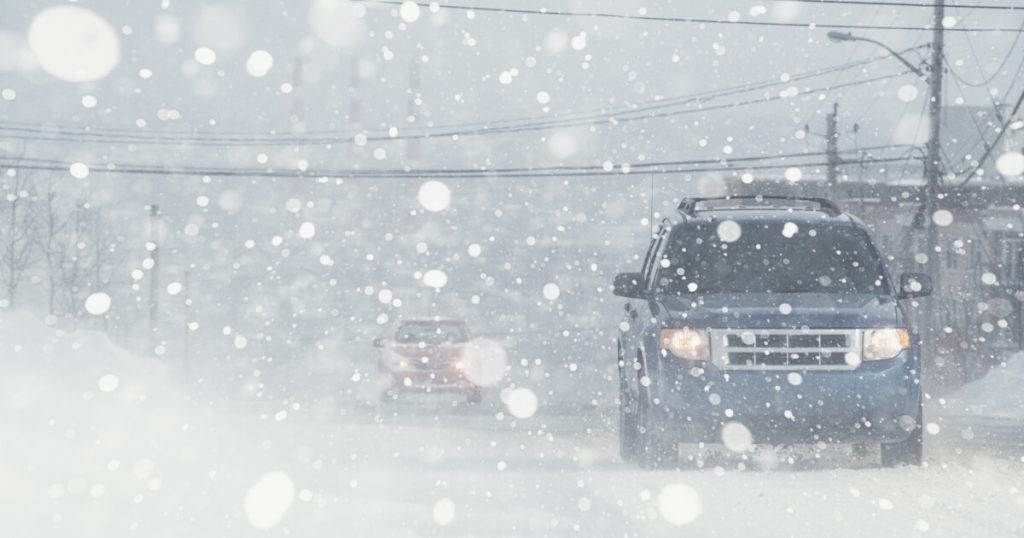
Unlike visible winter hazards, like whiteouts, black ice develops silently on Minneapolis roadways when melted snow or rain refreezes into a nearly invisible sheet of ice. The risk of this happening is highest during temperature fluctuations that occur between day and night.

Where Black Ice May Form in Minneapolis

Black ice can occur anywhere, given the right conditions. In Minneapolis, it frequently occurs on elevated surfaces like the I-35W bridge deck near downtown. You are also likely to encounter black ice along shadowy stretches of Highway 100, where pavement temperatures can drop below freezing even when air temperatures remain above 32 degrees.

Additional areas you are likely to encounter black ice are where passing vehicles’ tire spray or snowmelt runs across roadways and then refreezes. These conditions are particularly common during freeze-thaw cycles on heavily traveled routes like I-94 and I-35W, where snow packed between lanes can melt and refreeze throughout the day. Bridge decks, exit ramps and areas shaded by buildings or trees are especially susceptible to black ice formation due to their exposure to colder air temperatures from above and below.

What Are My Legal Rights After a Black Ice Car Crash in Minnesota?

Despite insurance companies attempts to claim black ice crashes are “unavoidable,” Minnesota law protects your right to seek compensation when another driver’s negligence causes a collision. The presence of black ice does not relieve drivers of their legal duty to take appropriate precautions for driving in harsh winter weather conditions. This duty includes slowing down, increasing your following distance and staying focused on the road.

Key rights you should know about after a black ice crash:

  • Right to Compensation: You have the right to pursue compensation for medical bills, lost wages, vehicle damage and other losses when another driver’s failure to adjust to road conditions causes your injuries.
  • No-Fault Benefits: Minnesota’s no-fault insurance provides immediate coverage for medical expenses and lost wages up to your policy limits, regardless of who caused the black ice crash.
  • Liability Claims: You have the right to pursue additional compensation from the at-fault driver’s insurance when your injuries exceed no-fault coverage limits or meet Minnesota’s serious injury threshold.
  • Evidence Preservation: You have the right to have an attorney help you preserve evidence from the crash scene. Photos, videos and witness statements from the incident are crucial given how quickly black ice conditions can change.

Minnesota’s statute of limitations gives you six years from the date of the crash to file a personal injury claim, but evidence collection and witness statements are most effective when gathered immediately. Having an experienced attorney protect these rights early in your case significantly increases your chances of receiving fair compensation for your injuries.

What Makes Black Ice Crash Claims Different from Other Winter Collisions?

Collisions caused by black ice pose unique legal challenges that distinguish them from proving liability for standard winter weather crashes. Because black ice is difficult to see and may disappear quickly, it can be difficult to prove and therefore more challenging to secure fair compensation from insurance companies.

Challenges may include:

  • Documenting the Evidence: Since black ice is transparent and nearly invisible, it can make it harder to establish road conditions at the time of the crash. Investigators or first responders would need to observe and gather this information right away. Investigators may use specialized methods, such as measuring road surface temperatures, before conditions change.
  • Insurance Companies: Insurance adjusters may often try to downplay or deny crashes caused by black ice. They may argue that drivers “should have known” about the possibility of ice forming, given the weather and the temperature. These arguments make it critical to have evidence proving there was black ice and a knowledgeable lawyer who knows how to dispute these arguments.
  • Police Reports: Law enforcement documentation may not always be able to confirm the presence of black ice on the police report. In some cases, road conditions can quickly change before officers arrive. They may, however, observe the road as snowy, icy or wet. Visible skid marks, if present, are often an indicator that a vehicle spun out of control, which could support your claim.
  • Video Footage: Traffic cameras or dashcam footage could provide strong evidence of a crash caused by black ice. In the moments after the crash, it may sometimes be possible to take photos or video of the road and crash scene from your vehicle to show visible proof.
  • Multi-Vehicle Liability: Black ice crashes on highways may often turn into multi-vehicle crashes. Claims for these incidents are especially complex, requiring detailed analysis to determine which vehicle was the initial sliding vehicle and which driver’s actions ultimately caused the crash and resulting injuries. Often, fault may be shared in a multi-vehicle crash on black ice.

Who Can Be Liable in a Minneapolis Black Ice Crash?

Many drivers mistakenly believe that black ice automatically absolves everyone of responsibility in a crash. However, this is simply not true. Minnesota law requires all drivers to adjust their driving behavior for winter weather conditions, including the possibility of black ice formation. When drivers fail to take appropriate precautions, they can be held liable for resulting crashes and injuries.

Common examples of driver negligence in black ice conditions include:

  • Following Too Closely: Drivers who fail to maintain extra space between vehicles on potentially icy roads can be liable when their inability to stop causes a rear-end collision.
  • Excessive Speed: Even if driving below the posted speed limit, drivers can be held responsible if they cause a crash due to traveling too fast for conditions where black ice might form, especially on bridges and overpasses.
  • Distracted Driving: Drivers who are texting, adjusting controls, or otherwise distracted may fail to notice warning signs of black ice, such as other vehicles sliding or brake lights ahead.

Improper Vehicle Maintenance: Drivers operating vehicles with worn tires, faulty brakes or other winter-weather maintenance issues that contribute to a black ice crash may bear liability.

Injured in a Black Ice Car Crash in Minneapolis? Call TSR Injury Law Today

The aftermath of a black ice crash can leave you facing serious injuries, mounting medical bills and complex insurance claims.

At TSR Injury Law, we take the guesswork out of the car crash claim process so you can focus on healing and getting back to your life. As Minnesotans, we understand the unique challenges stemming from winter weather car crashes. When we represent you, we thoroughly investigate your crash, gather critical evidence before it disappears, and build a strong case for maximum compensation. We know how to counter insurance company tactics that try to minimize black ice collision claims.

Have legal questions? We have answers. Contact our trusted law firm to discuss your situation today:  (612) TSR-TIME.

Five Essential Steps to Take After a Winter Car Crash in Minneapolis

Current image: two police officers approaching a vehicle that has had a winter side impact collision

Winter car crashes are different from collisions that happen during summer or even autumn months. There are a lot more dangers to be mindful of in the seconds and minutes after a crash on a snowy or ice-covered road. Even if the roads have been cleared, falling snow or frigid weather creates additional risks for victims.

As a driver, you can only be responsible for your own actions. Unfortunately, despite your best efforts, another driver’s negligence may cause you to be involved in a crash. During Minnesota’s harsh winter weather especially, the first steps you take are important and could help you avoid further injury until first responders arrive.

At TSR Injury Law, we are deeply committed to helping victims injured by the negligence of other drivers. If you need legal help after a winter traffic incident, contact our law offices today. Our highly qualified Minneapolis car crash lawyers want to help. When we take your case, there are no upfront costs or fees to pay.

Call for a FREE case review today. (612) TSR-TIME

1.     Stay in Your Vehicle After a Winter Car Crash in Minneapolis

After a winter crash, you should avoid getting out of your vehicle for several reasons. First, your car provides vital protection from other vehicles that may lose control in the same dangerous conditions that caused your crash. The visibility, weather and road conditions that led to your crash could affect other drivers too. Your car’s steel frame and safety systems provide protection if another vehicle slides into the crash scene.

Second, your vehicle shields you from frigid winter weather elements. Exposure to cold temperatures, wind, snow and ice can quickly lead to hypothermia, especially if you are injured, your clothes are damp, or you are underdressed for the weather. Your car provides shelter and some insulation, and you can run the engine periodically for heat if the exhaust system is unobstructed and away from snow.

Third, staying in your vehicle makes it easier for first responders to find you. A car, SUV or other vehicle is much more visible than a person on foot, especially during heavy snow or in low light situations.

Emergency vehicles are equipped and trained to safely stop and protect crash scenes by strategically positioning their vehicles and using their emergency lights. You can help to protect yourself from further harm after a winter crash by:

  • Keeping your seat belt on and properly fastened in case of a secondary collision
  • Turning on your hazard lights to help increase visibility
  • Only running your engine if you are absolutely certain the exhaust pipe is clear of snow and other debris (to avoid carbon monoxide poisoning)

What If It Is Dangerous to Remain in My Vehicle After the Crash?

The exception to this safety recommendation is if the crash has made it unsafe to remain in your vehicle. In that situation, it is important to remain calm and double-check for oncoming traffic before cautiously exiting your vehicle. Be sure to grab your coat and cellphone before moving a safe distance away from your vehicle and traffic.

2.     Move Your Vehicle Away From Traffic If Possible

Another unique risk of winter car crashes is the increased likelihood of them resulting in a multi-vehicle pileup. This is especially likely on roads that have not yet been cleared, in areas where black ice has formed or when visibility is low. Therefore, if your vehicle is still drivable, you should attempt to carefully steer it as far off the road as possible.

Once you are in a safer location, you should remain in your vehicle with your seatbelt fastened. Exiting on icy roads puts you at serious risk as other drivers may be unable to see you due to low visibility conditions. It is also critical to be aware of your surroundings. For example, if you are in a remote area and it is snowing heavily, you should still get off the main road but stay where you can be visible.

3.     Check for Injuries and Call for Help

Minimize moving around too much until you check yourself for injuries. If there are others in your vehicle, be sure to check on them as well. Keep in mind that the adrenaline and shock from the crash can initially mask pain and injury symptoms. Try to focus and determine if you feel dizzy, see any obvious wounds or have difficulty moving.

When you call 9-1-1, it is helpful to remain focused and calm so you can provide clear and specific information, which should include:

  • The exact location, or as close as you can pinpoint it (the intersection, mile marker and landmarks can all help). You can also use your phone’s Emergency SOS to share your precise location with emergency dispatchers.
  • The number of vehicles involved in the collision
  • Any visible injuries you can see from within your car, including people who may be trapped
  • Hazardous conditions, such as ice on the road or smoke from any of the vehicles involved
  • Vehicle descriptions and where they are positioned on the road

The dispatcher will likely question you to help you provide the necessary information but being aware of what you may need to provide ahead of time can help you to focus.

4.     Remain Calm and Wait for Help to Arrive

It is natural to feel emotional after being involved in a collision. However, you can help yourself to remain calm by taking slow, deep breaths. Remind yourself that help is on the way. If you have passengers, especially children, maintaining composure can help to calm their fears as well.

Try to focus on practical tasks, which may include:

  • Keeping Warm: Run your engine to provide heat, but only intermittently. If you have an emergency kit with blankets, those can help you avoid turning on the engine as frequently.
  • Increase Your Visibility: If you have a bright or reflective cloth to hang from the window, put this out as it can help to make your vehicle more visible. Reflective triangles, if you have them, can also make you more visible to approaching vehicles. Since you have to exit your vehicle to put these out, do so cautiously, then return to the protection of your car immediately. If the situation makes exiting your vehicle too dangerous, you should remain in your car.
  • Gather Documents: You can also use this time to gather documents police will want to see when they arrive, such as your insurance information, license and other details.

5.     Document the Scene of the Crash

It is challenging to gather evidence from within your vehicle but remember the police will be investigating the scene as well. In this situation, being mindful of safety is far more important than gathering evidence. That said, you can gather some evidence from your car, including:

Take Photos of the Following Through Your Windows:

  • Position of Vehicles: Try to capture this image before vehicles get moved.
  • Road Conditions: Open your window to capture the road, patches of ice, mounds of snow, etc.
  • General Details: Capture traffic signals, signs or landmarks that can help to identify the location.
  • Vehicle Damage: Capture what you can of the interior/exterior of your vehicle without exiting.

Document the Following:

  • Crash Details: Use your phone to do a voice recording of moments leading up to the crash and other key details while you remember them. Be sure to include the other drivers actions you may have noticed as well, such as driving too fast for the weather.
  • Date, Time, Road and Weather: Write this information down or record it, you can also take video to support your notes.
  • Contact Details: Get the contact details of anyone who approaches your vehicle.
  • Position of Vehicles: Draw a quick diagram of all vehicles before they are moved, either manually or using the notes app in your phone.
  • Dashcam Footage: If you have dashcam footage, be sure to save it.
  • Screenshot Your Location: Use your phone to do this and save it to your photos or file folder.

Avoid These Common Mistakes People Make After a Car Crash

Insurance companies often use drivers’ immediate post-crash actions or reactions to attempt to minimize or deny claims. While it is natural to want to be polite or downplay the situation at the crash scene, certain behaviors can seriously undermine your ability to receive fair compensation your damages, even if you were not at fault.

Common mistakes include the following:

  • Saying you have no injuries at the scene (you cannot know this yet) – adrenaline can mask symptoms, and injuries may not be apparent for hours or days
  • Leaving the scene of the crash: Not only is this illegal in Minnesota, but it also removes your opportunity to provide your account to police and have an official record of the crash.
  • Failing to seek immediate medical attention: This decision leaves room for insurers to say you were hurt elsewhere and claim your injuries are not related to the crash
  • Not getting legal help right away: Insurance companies start building their case immediately, and early legal guidance can help protect your rights and ensure you do not inadvertently damage your claim.

Why Seek Legal Help With TSR Injury Law After a Minneapolis Car Crash

Were you injured in a winter car crash in Minneapolis? If so, there is no need to face the insurance company alone. Our knowledgeable legal team knows how to protect your rights and fight for the compensation you deserve, and we understand the unique challenges of winter car crashes. We are also well-versed in the tactics insurance companies use to try to minimize claims.

At TSR Injury Law, we are here to help you. Call our law office to request a free, no-risk consultation where we can discuss your situation and potential legal options. We have helped thousands of Minnesotans get back on their feet after being injured by the negligence of others. Why let insurance companies take advantage of you – we can provide the experienced legal help you need.

The sooner you call, the stronger your case can be. Your initial consultation is always free and you pay no costs or fees up front. We only get paid our fees if we win your case.

Call TSR Injury Law today: (612) TSR-TIME

Who Can Be Liable for Damages Caused by Minneapolis Winter Crashes?

Nothing transforms Minneapolis roads quite like winter. While locals pride themselves on their cold-weather driving skills, even the most experienced drivers can find themselves sliding into trouble when snow and ice coat familiar streets. From unexpected black ice on Highway 100 (Lilac Way/Bottineau Boulevard) to whiteout conditions on I-94, winter weather creates dangerous hazards that can transform a routine commute into a life-changing car crash in seconds.

At TSR Injury Law, our experienced Minneapolis car crash attorneys have spent decades helping injured victims navigate the complex aftermath of winter weather crashes. We have a proven history of success and are dedicated to building a compelling case on your behalf. When a winter collision leaves you injured, you need an attorney who knows both Minneapolis winters and Minnesota law inside and out.

Request a FREE, no-risk case review today. Call: (612) TSR-TIME

How Do Winter Car Crashes Happen in Minneapolis?

Despite the aforementioned winter driving skills of long-time residents, Minneapolis, which averages 54 inches of snow each winter, creates significant challenges for even the most seasoned drivers. Winter car crashes often result from a combination of severe weather conditions and driver responses. Reduced visibility during snowfall limits reaction time and creates dangerous driving conditions. When temperatures fluctuate, roadways can quickly transform from wet to icy, catching drivers off guard.

Snow compaction from heavy traffic creates additional treacherous driving surfaces. Sudden whiteouts force drivers to brake unexpectedly, often leading to rear-end crashes. Bridge surfaces freeze before regular roadways, surprising many drivers, especially newer drivers or those who have not driven much in winter.

What Makes Winter Driving So Dangerous in Minnesota?

Minnesota’s unique winter weather patterns create distinct driving hazards that can test the nerves and driving skills of our most seasoned locals.

The unique dangers of driving in a Minnesota winter include:

  • Temperatures that swing dramatically within hours, turning wet roads into sheets of ice.
  • The Minneapolis area lake-effect, which can dump several inches of snow within minutes.
  • Minneapolis’s grid system, with its frequent intersections and one-way streets, compounds winter driving challenges.
  • Narrow side streets with packed snowbanks limit visibility at intersections.
  • Multi-lane roads become particularly dangerous when snow covers lane markers.
  • Deep freeze-thaw cycles create unexpected road damage, forcing drivers to swerve or brake suddenly.

As you can see, venturing out onto the snow-covered roads of Minneapolis requires drivers to stay alert at all times and to take certain precautions.

What Roads Are More Prone to Winter Crashes in Minneapolis?

Several Minneapolis roadways pose increased risks during winter conditions. Each area presents distinct challenges during snow and ice conditions.

35W/I-94 Commons (Downtown East)

This major interchange near U.S. Bank Stadium (exits 16A-17C) sees frequent winter crashes due to multiple merging lanes and reduced visibility. The elevated roadway freezes quickly, catching drivers off guard during temperature drops.

I-35W S-Curve (Downtown)

The sharp curve near the Minneapolis Convention Center (exits 16A-17A) challenges drivers year-round, but winter conditions make it particularly treacherous. Snow buildup along barriers reduces lane width, while ice formation on this banked curve increases spin-out risks.

Hennepin Avenue Downtown

The stretch between the Walker Art Center and the Mississippi River creates additional winter driving hazards due to the combination of pedestrian traffic and frequent stops. Hennepin’s winding path through downtown creates some additional driving challenges in winter. Snowbanks narrow the already-tight lanes, while ice forms quickly on shaded sections near tall buildings.

Cedar-Riverside Area

This complex network near the University of Minnesota becomes a navigation challenge in winter. Multiple levels of roadway near the Cedar Cultural Center create varying freeze patterns, while tight turns demand extra caution.

Highway 62 (Crosstown)

Open areas along the Crosstown, particularly near Lake Nokomis (exits 6-7), create sudden white-out conditions during storms. Wind-swept snow reduces visibility with little warning, especially near the Portland Avenue bridge.

Highway 100

The stretch between Minnetonka Boulevard and Golden Valley Road experiences dangerous white-out conditions. The long curves near Theodore Wirth Regional Park become especially slick during freeze-thaw cycles.

Broadway Avenue Corridor

This major east-west route near the North Minneapolis riverfront faces intense winter winds. The exposed roadway between Industrial Boulevard and the Mississippi River develops ice patches quickly, particularly on bridges and elevated sections.

University Avenue Hill

The steep grade between Prospect Park and the State Capitol becomes a major hazard zone during winter storms. Drivers struggle with traction heading both uphill and downhill near the KSTP tower, especially during rush hour traffic.

Who Can Be Liable for Damages Caused by Minneapolis Winter Crashes?

Many drivers may be surprised to find out that winter weather in Minneapolis does not qualify as an ‘act of God’ in legal terms. Courts consistently hold that drivers remain liable for crashes even in severe winter conditions. Why? Because winter weather is both predictable and manageable in Minnesota.

Drivers

Regardless of the weather, drivers have a legal duty to adjust their behavior to match road conditions, weather and the traffic, regardless of how challenging any of those conditions become.

Commercial Vehicles and Trucking Companies

Commercial trucks face stricter liability standards during winter conditions. Trucking companies must ensure their drivers receive winter safety training and their vehicles have proper snow-rated equipment. Delivery drivers working under tight deadlines still bear responsibility for safe winter driving practices.

What Do Minnesota Laws Say About Winter Driving Requirements?

Minnesota enforces specific winter driving laws to protect public safety, which includes the following:

Driver Must Clear Vehicle of Snow and Ice

Minnesota Statute 169.71 requires drivers to maintain clear windshields and windows. Legal requirements under this law include clearing snow from the hood, roof, and trunk to prevent flying ice, snow or other debris that endangers other drivers. Drivers who fail to clear away snow, ice or frost accumulation from their vehicle, windshield and windows is in violation of this law as it creates flying hazards for other drivers and can lead to a crash.

Vehicle Maintenance Standards

Drivers have a legal duty to keep their vehicles properly maintained and safe to operate year-round. However, Minnesota state law also requires specific winter maintenance standards. Drivers must maintain:

  • Working windshield wipers and washer fluid
  • Winter tires with proper tire tread depth for snow, ice and other winter weather conditions
  • Functioning headlights, taillights, and brake lights
  • Checking antifreeze levels and topping up with the correct mixture as needed
  • Making sure vehicle heading and defrosting systems are in good working order
  • Having all vehicle fluids checked: Brake fluid, engine oil, transmission fluid, and windshield washer
  • Service braking system to ensure it is working
  • Checking vehicle suspension to ensure shocks and struts do not need to be replaced

Speed and Control Laws

Minnesota’s “Basic Speed Law” requires drivers to decrease speed during adverse weather conditions, even when a safe speed is significantly below the posted limits. Law enforcement can issue citations for driving too fast for conditions, even when operating below the posted speed limit. Minnesota courts consistently uphold that posted speed limits apply only to ideal conditions.

Following Distance Requirements

State law requires drivers to maintain a safe following distance that allows for sudden stops. Winter conditions demand greater distances between vehicles. Vehicles take time to slow down, especially on less than perfect road conditions. Slamming on the brake on an icy or snowy road is a sure way to risk losing control of your vehicle. What qualifies as “safe” changes based on current road and weather conditions. Drivers are expected to pay attention to these changes and adjust their driving accordingly.

Use Headlights During Any Type of Precipitation

State law requires drivers to turn on their headlights during any precipitation, including snow, regardless of time of day.

How Is Fault Determined for Winter Crashes in Minneapolis?

Insurance companies, law enforcement, and courts examine multiple factors when determining fault in Minneapolis winter crashes. The investigation goes beyond standard crash assessments to include detailed analysis of weather conditions, road maintenance records, and driver preparedness. Even in challenging winter conditions, drivers must prove they took reasonable precautions and followed Minnesota winter driving laws.

Key factors in determining fault include:

  • Driver’s speed relative to current road and weather conditions
  • Vehicle maintenance records, including tire condition and winter equipment
  • Following distance maintained before the crash
  • Weather and road condition data at the time of the crash from official sources
  • Traffic camera footage showing driver behavior
  • Witness statements about road conditions and driver actions
  • Evidence of proper vehicle preparation (snow removal, defrosting)
  • Driver’s response to existing weather advisories
  • Documentation of any emergency avoidance actions taken
  • Vehicle positioning and lane maintenance during winter conditions

Important Evidence in Winter Weather Crash Claims

After considering the above factors, investigators will look at other key evidence from the crash scene. Photos taken immediately after the crash hold significant value. They capture real-time visual proof of weather conditions, road surface conditions, vehicle damage and vehicle positions before the plows or salt trucks arrive

If there are no traffic cameras where the crash occurred, there may be dashcam or smartphone footage from a passing driver. Witness statements from credible individuals, such as other drivers or workers in nearby businesses add important context.

Injured in a Minneapolis Winter Crash? Call TSR Injury Law for Legal Help

Sometimes, despite your best efforts, another driver’s negligence may lead to a crash that causes you harm. If this happens, it is important to understand your legal rights and how to protect them. Winter weather conditions add layers of complexity to car crash cases, but whatever the other driver may try to tell you, they do not diminish your right to seek compensation for injuries and other losses.

At TSR Injury Law, we understand how local weather patterns and Minnesota liability laws impact Minneapolis winter crashes. If you were injured in a Minneapolis car crash, our trusted law firm wants to help you.

Contact our law offices to discuss your situation and learn if you may have legal options. When we represent you, we leave nothing to chance. We fight for the compensation you deserve. There are no upfront costs or fees to pay, so there is no risk to you.

TSR Injury Law. We get you the results you need. Call: (612) TSR-TIME

Eight Common Causes of Head-On Collisions and How to Avoid Them

Head-on collisions rank among the most devastating traffic incidents on Minnesota roads, often resulting in life-altering injuries or fatalities. These crashes, while less common than other types of car crashes, have a significantly higher fatality rate when they occur.

This guide explores the eight most common causes of head-on collisions in Minneapolis and surrounding areas, from distracted driving to adverse weather conditions. We will also provide proven prevention strategies that could help keep you and your loved ones safe on Twin Cities highways and local roads.

At TSR Injury Law, our experienced Minneapolis car crash attorneys have helped countless Minnesota families recover compensation after devastating head-on collisions. If you or a family member has been injured in a head-on crash, our Minneapolis legal team can help you understand your rights and fight for the compensation you deserve.

Request a FREE, no-risk case review today. Call: (612) TSR-TIME

What Makes Head-On Collisions So Dangerous?

Head-on collisions unleash devastating force when two vehicles crash directly into each other at combined speeds. The impact doubles when a car traveling 45 mph collides with another vehicle moving at the same speed, creating a 90-mph collision that crushes the front ends of both vehicles and endangers everyone inside.

These violent crashes leave drivers and passengers vulnerable to life-altering injuries, including traumatic brain injuries (TBIs), spinal cord trauma, and internal organ damage. The forward momentum often traps victims inside mangled vehicles, making it harder for emergency responders to provide life-saving care in those critical first minutes after impact.

Eight Common Causes of Head-on Collisions

Smart drivers already know their safety depends on the choices they make behind the wheel. By recognizing these eight high-risk behaviors, you can take more control of your safety and help prevent one of the deadliest types of crashes on our roads:

Distracted Driving: The Modern Epidemic

A moment’s distraction to check a message or adjust your GPS can send your vehicle drifting across the centerline at highway speeds. These seemingly minor distractions account for a shocking number of head-on crashes, leaving victims with catastrophic and fatal injuries.

Drivers Impaired by Alcohol and Other Substances

Alcohol and drugs severely impair depth perception and reaction time, causing drivers to weave between lanes or drift into oncoming traffic. These preventable crashes often result in fatal injuries to innocent motorists.

Driver Fatigue and Drowsiness

Exhausted drivers experience dangerous “microsleep” episodes that can send vehicles across centerlines without warning. These crashes often occur at highway speeds, leaving families devastated and survivors facing lengthy recoveries.

Unsafe Passing Maneuvers Can Cause Drivers to Lose Control

Poor judgment when passing other vehicles on two-lane roads forces oncoming drivers into impossible situations. These high-speed crashes usually result in multiple victims with life-threatening or fatal injuries.

Poor Weather Conditions: When Drivers Fail to Adjust

Driving too fast on wet or icy roads can send vehicles sliding into oncoming lanes without warning. These crashes are especially dangerous because multiple vehicles often become involved, causing a chain reaction collision.

Confused Drivers and How It Can Lead to Wrong-Way Driving

Disoriented drivers who enter highways in the wrong direction create terrifying situations for other motorists. These crashes typically occur at full highway speeds, leading to catastrophic outcomes.

Speeding and How It Increases a Driver’s Inability to Maintain Control

Excessive speed reduces crucial reaction time and makes vehicles harder to control on curves or during emergency maneuvers. When crashes occur at high speeds, the force of impact often proves deadly.

Unexpected Vehicle Malfunctions

Sudden tire blowouts or brake failures can send vehicles careening into oncoming traffic without warning. While some mechanical failures are truly unexpected, many result from neglected maintenance that vehicle owners could have prevented.

Key Defensive Maneuvers to Avoid Head-On Collisions

While you cannot control other drivers’ actions, you can significantly improve your chances of avoiding a head-on collision by practicing these proven defensive driving techniques:

  • Scan the Road: Stay alert and looking far ahead. Watch for erratic driving patterns in oncoming traffic, like veering, inconsistent speeds or swerving. This gives you vital extra seconds to plan your escape route.
  • Position Your Vehicle: Keep your vehicle slightly right in your lane whenever possible, especially on rural roads at night. This simple adjustment creates extra space and time to react if an oncoming driver crosses the centerline.
  • Identify Your Escape Path: Mentally go through this process before you need it. Continuously be mindful of road shoulders you may be able to use. Similarly, watch out for side ditches and adjacent lanes. Know your options in advance as this can help you react quickly in an emergency.
  • Reduce Your Speed: Slow down immediately when you spot potential hazards like an oncoming car drifting in its lane or erratic driving behavior. Lower speeds help you maintain control of your vehicle while giving you more time and space to take evasive action.
  • Stay Focused During Low Visibility: When you face reduced visibility situations, like fog or other inclement weather, adjust your speed and focus on the white line on the right side of your lane. Be careful not to get distracted by oncoming headlights.

Your Legal Options After a Head-On Crash You Did Not Cause

A head-on collision shatters lives in seconds, leaving victims facing mounting medical bills, lost wages and an uncertain future.

At TSR Injury Law, we have helped hundreds of Minneapolis crash victims rebuild their lives by holding negligent drivers accountable and fighting back against insurance companies that try to minimize legitimate claims.

Never let the insurance company pressure you into accepting a quick settlement that fails to cover your long-term needs. Our team of highly qualified attorneys are skilled negotiators. We know how to prove liability in complex head-on collisions, and we will fight aggressively for every dollar you deserve.

Call our law offices to get started. We can discuss your situation and potential legal options in a completely free consultation. When we represent you, there are no upfront costs or fees to pay. We only get paid for our services if we win your case.

Experienced Minneapolis Lawyers. Proven Results. (612) TSR-TIME

How Medical Experts Help Link Injuries to a Minneapolis Car Crash

Car crashes in Minneapolis can result in serious physical and emotional injuries. Victims from these incidents who intend to seek compensation for their damages will need to prove negligence led to the crash that caused their injuries. They must also be able to link the injuries and resulting damages to the crash that caused them.

In this blog, we will explain how medical experts play a significant role in linking injuries to a motor vehicle crash. We will cover how their evaluations and expert testimony help clarify the extent of your injuries and strengthen your case.

At TSR Injury Law, we collaborate closely with trusted medical professionals to build strong cases for our clients. Our experienced car crash lawyers in Minneapolis are committed to ensuring that the link between your injuries and the car crash that caused them is clear.

Call TSR Injury Law to request a FREE, no-risk case review today. (612) TSR-TIME

What Is a Medical Expert and When Would They Be Used in an Injury Case?

A medical expert is a healthcare professional with specialized knowledge in diagnosing and treating injuries. These individuals may be doctors, surgeons and other medical professionals with specialized knowledge who can provide professional assessments and judgements based on their experience and training.

Every collision resulting in an injury case is unique, and the testimony of a medical expert is not always needed. Their role is to provide clarity in situations, such as when the cause, extent or severity of your injuries is being challenged. Their testimony helps to prove and answer questions about your injuries, including how they are linked to the crash that caused them.

How Do Medical Experts Help to Prove Crash-Related Injuries?

The professional opinions and detailed evaluations medical experts provide help connect the dots between the motor vehicle collision and the harm you have suffered. They help prove crash-related injuries by:

  • Providing detailed medical assessments of the injuries sustained in the crash
  • Offering expert testimony on how the crash directly caused the injuries
  • Explaining the necessary treatment and potential long-term effects of the injuries
  • Clarifying the difference between crash-related injuries and pre-existing conditions

Evidence Medical Experts May Use to Link Your Injuries to a Crash

Medical experts may use a combination of the following types of medical evidence to help link the crash to your injuries. Solid evidence may include:

Medical Records and Reports

Records from doctors, emergency rooms and specialists provide detailed accounts of when and how your injuries were diagnosed after the collision and may include:

  • Emergency room records showing initial injury presentation
  • Ambulance/first responder reports describing immediate symptoms
  • MRI, X-ray, and other diagnostic imaging taken after the crash offer objective, concrete proof
  • Medical notes documenting the progression of symptoms
  • Treatment records showing consistent care for specific injuries
  • Lab results and blood work that indicate trauma

It is worth mentioning, that your entire medical history should not be open to the insurance company or the at-fault party’s legal team. At TSR Injury Law, we know to make sure only the relevant records are released for review.

Physical Evidence

Medical experts carefully examine the physical markers and trauma patterns from the crash scene and the victim’s body to establish a clear link between the collision and resulting injuries. Physical evidence may include:

  • Photographs of visible injuries taken after the crash
  • Documentation of bruising patterns that match the impact
  • Airbag deployment injuries consistent with crash dynamics
  • Seatbelt marks on the victim’s body indicating the force of impact
  • Other vehicle damage that corresponds to reported injuries

Timeline Analysis

To establish a strong causal connection between the crash and the victim’s injuries, medical experts conduct a thorough chronological review of the patient’s health records and symptoms. Analyzing the sequence of medical events from before and after the incident helps medical experts demonstrate how the crash directly impacted the victim’s physical well-being.

What Is the Benefit of Consulting With a Medical Expert in an Injury Claim?

Medical experts provide invaluable credibility and scientific support to injury claims by providing a professional analysis of medical records, diagnostic tests, and treatment plans. This assessment is essential for establishing that your injuries were not preexisting or caused by something else, but a direct result of the car crash.

During a personal injury lawsuit, medical experts also help simplify complex medical issues for the court. They can break down medical terms and treatments into clear, understandable language, making it easier for a jury or judge to grasp the seriousness of your injuries. Their testimony can strengthen your case, validate your medical records and significantly increase your chances of receiving full compensation for your medical bills, lost wages, pain and suffering, and other damages.

Need Legal Help After a Car Crash? TSR Injury Law Can Help!

If you were injured in a Minneapolis car crash due to another’s negligence, it is important to seek legal help as soon after the crash as possible.

At TSR Injury Law, we begin protecting your rights and legal interests from day one. Our law firm has the experience and resources to work with highly qualified medical professionals who can provide the expert testimony needed to link your injuries to the car crash that caused them.

Our team will guide you through every step of the process, ensuring your rights are protected and helping you secure the compensation you deserve. When our trusted law firm represents you, there are no upfront costs or fees to pay.

TSR Injury Law. We get results for you! Call: (612) TSR-TIME.

Who May Be Liable if Hydroplaning Leads to a Minnesota Car Crash?

Current image: A car riding fast through a puddle creating a wave

Minnesota winters are harsh, often resulting in hazardous driving conditions, including those resulting from heavy rains or melting snow. Drivers who do not adjust to the changing weather may lose control of their vehicles and hydroplane. If you are injured in a hydroplaning car crash, it is important to understand who may be liable for your medical costs and other damages.  

If you were injured in a hydroplaning collision, we encourage you to contact a lawyer as soon as possible. At TSR Injury Law, our experienced Minneapolis car crash lawyers have decades of experience managing crash claims for injured victims, and we have a proven history of success. We fight hard to get you the results you deserve.  


Find out how we can help you. Call: (612)-TSR-TIME today for a FREE case review. 

What Is Hydroplaning? 

Hydroplaning happens when water forces your vehicle’s tires to lose contact with the road surface. This loss of traction happens when there is more water than your tires are capable of moving out of the way. This condition can cause vehicles to slide or skid, making steering difficult or impossible.  

Who May Be Liable for a Hydroplaning Collision in Minneapolis?  

While weather plays a significant role, the hydroplaning driver is often liable if a crash occurs. However, liability cannot be assumed, and there are several factors that must be considered. Under Minnesota law, multiple parties could be liable, or at least partially liable, for a crash resulting from hydroplaning, including: 

The Hydroplaning Driver  

Most hydroplaning crashes involve some degree of driver responsibility. Common driver-related factors include: 

  • Driving too fast for wet conditions 
  • Failing to maintain tires 
  • Ignoring visible road hazards 
  • Following other vehicles too closely 
  • Making sudden movements that reduce traction 
  • Operating a vehicle with faulty wipers or headlights 
  • Driving with underinflated or overinflated tires 

Minnesota law requires drivers to adjust their speed and driving behavior to match road conditions. Failure to do so might constitute negligence, making the driver liable for any resulting damages. 

Other Drivers  

Multiple vehicles often become involved in hydroplaning crashes. Contributing factors from other drivers include: 

  • Sudden braking causing following vehicles to lose control 
  • Unsafe passing in wet conditions 
  • Creating excessive spray that reduces visibility 
  • Failing to maintain proper following distance 
  • Making abrupt lane changes 
  • Driving without required lighting 
  • Operating vehicles with obvious safety defects 

Government Entities  

State and local governments must maintain safe roadways. They might bear liability when poor road design or maintenance contributes to hydroplaning crashes. Contributing factors include: 

  • Inadequate drainage systems 
  • Poor road grading 
  • Lack of proper warning signs 
  • Failure to address known flooding issues 
  • Delayed repair of damaged road surfaces 
  • Insufficient roadway texture 
  • Improper crown design causing water pooling 

Tire Manufacturers and Retailers 

 Tire-related issues frequently contribute to hydroplaning crashes. Responsible parties might include: 

  • Tire manufacturers for design flaws, such as treads that are too shallow, affecting water displacement 
  • Service centers improperly installing or maintaining tires 
  • Distributors failing to store tires properly 
  • Shops performing inadequate tire inspections 
  • Businesses selling expired tires 
  • Retailers misrepresenting tire capabilities 

Construction Companies 

 Road construction activities sometimes create conditions that increase hydroplaning risks: 

  • Improper water diversion during projects 
  • Failing to post adequate warning signs 
  • Creating unsafe elevation changes 
  • Leaving loose gravel or debris 
  • Poor temporary drainage solutions 
  • Inadequate surface preparation 
  • Improper grading of construction zone 

How Is Liability for a Hydroplaning Crash Determined in Minnesota?

Under Minnesota Law, the chain of events leading up to the crash will be examined, as well as the role each driver played in the resulting hydroplaning crash. Multiple factors will be considered, including: 

  • Driver behavior and speed prior to the crash 
  • The condition of the hydroplaning vehicle’s tires 
  • Road conditions 
  • Actions of other drivers involved 
  • Police reports 
  • Physical evidence from the crash scene 
  • Credible witness statements 
  • Vehicle damage 
  • Expert opinion of a collision reconstruction specialist 

What if I Am Partially To Blame for a Hydroplaning Crash?

Minnesota lets you recover damages as long as you are less than 51 percent at fault. Your compensation drops by the amount of your fault percentage. If you are 30 percent at fault for a crash resulting in $100,000 in damages, your awarded compensation is $70,000. Multiple liable parties pay their share based on fault level. 

Steps You Can Take To Avoid a Hydroplaning Crash

Driving defensively can help you avoid a hydroplaning car crash, such as by: 

  • Maintaining proper tire pressure 
  • Replacing worn tires promptly 
  • Slowing down in wet conditions 
  • Increasing your vehicle’s following distance 
  • Avoiding swerves, braking or other sudden vehicle movements 
  • Remaining alert for standing water when driving 
  • Checking weather forecasts 
  • Maintaining windshield wipers 

Need Legal Help After a Car Crash? Contact Our Trusted Law Firm in Minneapolis 

Complex liability issues in hydroplaning crashes often require experienced legal representation. Our highly qualified legal team at TSR Injury Law advocates for injured victims every day, including those hurt in car crashes. 

Contact our law firm to discuss your situation and learn about your potential legal options. There is no cost or risk for this meeting. When we represent you, there are also no upfront costs or fees to pay. We only get paid if you do. We fight to get you the full and fair compensation you deserve. 


Call TSR Injury Law to get the results you need.  (612)-TSR-TIME. 

Following Too Closely: Risky Driving That Could Lead to a Minnesota Crash

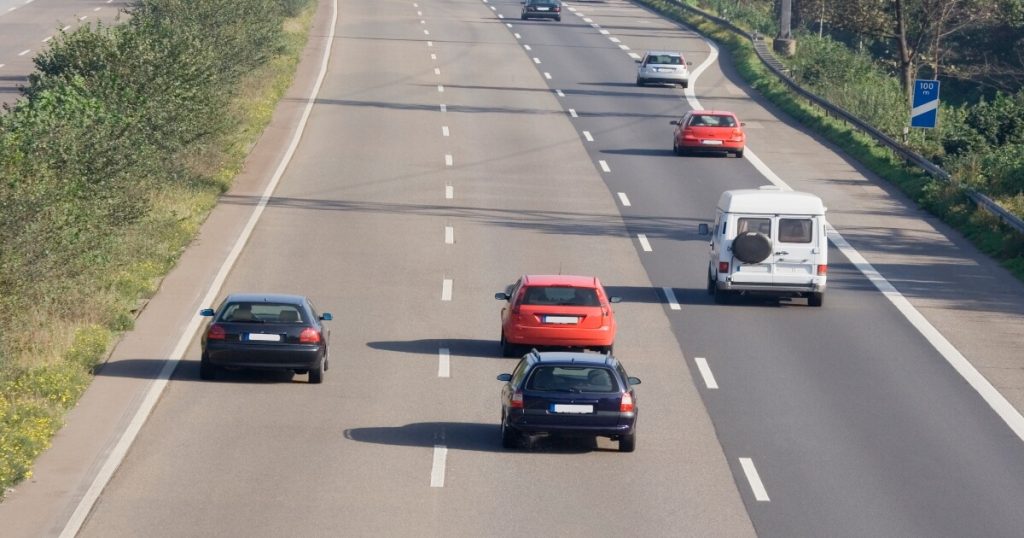
Current image: Traffic on the road where a driver is being followed closely

Drivers have a legal duty to remain aware of their surroundings and follow traffic laws to avoid collisions. One of the most types of common car crashes results from the habit some drivers have of following other vehicles too closely.

Learn more about following too closely in the article below, including what the law says about it and how this type of driver negligence could result in a collision that causes others serious harm.

If another driver’s tailgating led to a crash that injured you, our experienced Minneapolis car crash attorneys are ready to help. Contact our law office to discuss your situation and potential legal options for recovering compensation. When TSR Injury Law represents you, your case is in good hands, and there are no upfront costs or fees to pay.

Request your FREE case review today: (612) TSR-TIME

What Is Following Too Closely in Minnesota?

Following too closely refers to driving behind another vehicle with an insufficient amount of space between your car and the one in front of you. It is often referred to as “tailgating” and is considered a dangerous driving behavior.

How Close Is Too Close Under the Law?

Minnesota state law defines a safe distance from the vehicle ahead as:

  • Not following closer than what is both reasonable and sensible
  • Adjusting speed to consider the traffic, weather and road conditions

The Minnesota Driver’s Manual cites the Three-Second Rule to help drivers visualize a safe following distance. The three-second rule applies to normal road and traffic conditions. Under this rule, drivers must stay at least one car length behind the vehicle in front of you for every 10 miles per hour you are traveling. The rule is called the “three-second rule” because there should be a minimum of three seconds between you and the car ahead.

For example, if you are traveling at 60 miles per hour, you should maintain at least a 180-foot distance from the vehicle in front. When road conditions are poor, due to rain, ice, snow, or fog, you will need to adjust your following distance accordingly. Vehicles need more time and distance to stop safely on wet or icy roads without hydroplaning or skidding.

What Are the Dangers of Drivers Following Too Closely?

Following too closely creates several driving hazards, both to the tailgating driver, the occupants of the vehicle in front, and others on the road. Some of these risks include:

  • Limited Ability to React to Unexpected Hazards: Drivers who tailgate have less time to react to a sudden stop or obstacle in the road. The shorter the distance between vehicles, the less time you have to brake and avoid a collision.
  • Increased Likelihood of a Rear-End Collision or Chain-Reaction Crash: A tailgating driver increases the risk of a rear-end collision or triggering a multi-vehicle pileup. These collisions can cause serious injuries to drivers and passengers in all vehicles involved.
  • Aggressive Driving Behavior: Aggressive tailgating is more likely to escalate to road rage, increasing the risk of a serious crash.
  • Obstructed Road Visibility: Tailgating drivers cannot see the traffic ahead of their vehicle, making them blind to developing hazards.
  • Less Control When Road Conditions or Weather are Poor: Drivers who follow too closely are less likely to be able to maintain control on poor road conditions or during adverse weather.

Are There Any Penalties for Driving Too Closely in Minnesota?

Under Minnesota Law, it is illegal to follow other vehicles too closely. Police can pull you over and give you a ticket even if your tailgating does not lead to a crash.

Drivers who fail to adhere to this traffic law can expect severe penalties, including fines, points on their driver’s license or even liability for causing a crash.

If a driver is extremely aggressive or recklessly following another vehicle, that individual could also be charged with a misdemeanor, which could mean up to 90 days in jail and a fine of up to $1,000. A tailgating driver who causes serious or fatal harm to another person may be charged with a gross misdemeanor, resulting in up to a year in jail and a fine of $3,000.

What Injuries Are Common in Rear-End Collisions?

While rear-end collisions may seem less severe than head-on crashes, they can cause significant harm. Victims in rear-end collisions often suffer injuries that include:

  • Whiplash: A sudden impact from behind can cause the neck to jerk forward and backward rapidly, leading to whiplash injuries. These can result in long-term pain and stiffness.
  • Concussions: The force from a rear-end crash can cause the head to snap back or strike something in the vehicle, leading to concussions or other brain injuries.
  • Back and Spinal Injuries: Impact from a crash can cause herniated discs or damage to the spine. These injuries can result in chronic pain and may require surgery or long-term therapy.
  • Broken Bones: Depending on the severity of the collision, broken bones or fractures can occur, particularly in the chest, legs or arms.
  • Soft Tissue Injuries: The force of the collision can strain muscles, ligaments, and tendons, resulting in sprains and tears.

Ready to Seek Legal Help? Contact Our Firm Today

Following too closely is a dangerous driving behavior that significantly increases the risk of a crash. If you have been injured in a collision caused by a tailgating driver, you may have legal rights to seek compensation.

Contact our legal team at TSR Injury Law to discuss your situation, including whether you may be eligible to seek compensation for your damages. We offer a free legal consultation.

Experienced Lawyers. Proven Results: (612) TSR-TIME

Can I File a Claim if My Minor Child Was Hurt in a Minnesota Car Crash?

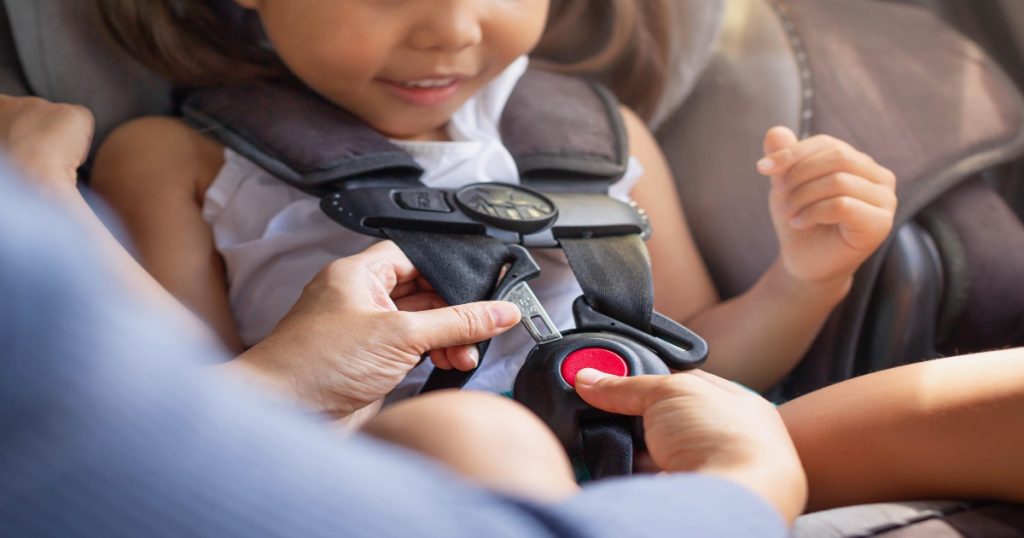
Current image: A child being secured in a car seat

When a minor child gets hurt in a car crash, parents may wonder whether they can recover compensation for medical costs and other losses their child sustained in the crash.

In Minnesota, you can file a claim against the at-fault party on behalf of your injured child. In this blog from TSR Injury Law, our experienced car crash attorneys in Minneapolis discuss essential information about the claims process for a minor child, including what to expect and how to protect your child’s rights.

Need legal help for a minor child injured in a crash? Call our law offices to discuss your situation and legal options. We understand the complexities of injury claims involving minor children and have the resources and experience to help you get the compensation you deserve.

Request your FREE case review today. (612) TSR-TIME

What Legal Rights Does My Child Have After a Minnesota Car Crash?

Minnesota law provides special protection for children injured in car crashes. As a parent or legal guardian, you have the right to pursue compensation on behalf of your injured child through the civil court system. The law recognizes that children cannot legally advocate for themselves, so it empowers parents to act as their representatives.

Is There a Time Limit for Filing My Child’s Claim?

In Minnesota the statute of limitations for most claims involving a personal injury is six years from the date of the injury. However, the rules differ for minors. The statute of limitations for a minor child is generally six years after the crash injury occurred or one year after their 18th birthday, whichever is later.

It is important to point out that every case is unique, so you should speak to an attorney sooner than later to determine what statute of limitations applies to your child’s case. Additionally, six years may sound like a long time, but there are benefits to speaking to a lawyer right away. Waiting until they turn 19 may be a long time, depending on how old they are at the time of the crash. The more time that passes, the greater the risk of evidence being lost or destroyed, making it harder to establish negligence.

What Compensation Can My Injured Child Seek After a Minnesota Crash

After a Minnesota car crash, your child may be entitled to significant compensation to support their recovery and protect their future. Minnesota law recognizes that injuries to children can have far-reaching impacts on their development and opportunities. For this reason, the state provides special protections to ensure they recover fair compensation. An experienced attorney will pursue damages that address both current needs and potential future challenges your child may face.

Here are some of the damages your child may be eligible to receive:

  • Current and future medical expenses, including rehabilitation
  • Pain and suffering compensation
  • Emotional trauma and psychological counseling costs
  • Loss of future earning capacity if injuries impact career potential
  • Educational support and accommodations
  • Permanent disability or disfigurement compensation
  • Loss of quality of life and enjoyment of activities
  • Specialized medical equipment needs
  • Long-term care costs if required
  • Recovery for future medical treatments as they grow

What Role Does Minnesota’s No-Fault Insurance Play in the Injury Claims Process?

Minnesota operates under a no-fault insurance system, which affects how injury claims work. Your child’s medical bills and other expenses should first go through your Personal Injury Protection (PIP) coverage, regardless of who caused the crash. However, severe injuries might qualify for additional compensation through a liability claim against the at-fault driver.

Can I Sue Beyond No-Fault Coverage on Behalf of My Injured Child in Minnesota?

In Minnesota, you may have the right to pursue a lawsuit beyond no-fault insurance coverage if your child’s injuries meet the state’s severity threshold. No-fault insurance provides immediate medical benefits, while more serious injuries often justify seeking additional compensation through a liability claim.

To be eligible to seek additional compensation beyond what no-fault insurance provides, your child must meet one of Minnesota’s tort thresholds:

  • Medical expenses exceeding $4,000
  • Permanent injury or disfigurement
  • 60 days or more of disability
  • Permanent scarring or disfigurement
  • Fatal injuries

Why Should I Consider Working with a Personal Injury Attorney?

Having a skilled attorney managing your case can significantly impact the outcome of your claim. Here are some key ways they can assist you:

  • Navigate legal complexities: Personal injury cases for minor children involve intricate rules and regulations. Our experienced injury lawyers understand these complexities and can guide you through each step, ensuring you meet all legal requirements and deadlines.
  • Communicate with insurance companies: Our attorneys are skilled negotiators and can manage communications with third parties, including insurance companies. This can give you the peace of mind you need to focus on your child while also protecting you from being pressured into accepting a low settlement.
  • Gather and present evidence effectively: We know what evidence is needed to build a strong case on your child’s behalf, including medical records, police reports, witness statements and other evidence. When necessary, we work with experts, including medical professionals or accident reconstruction specialists to help build a compelling case that establishes the full extent of your child’s injuries.
  • Ensure that your child’s rights are fully protected: At TSR Injury Law, we are committed to protecting your child’s best interests, advocating for full and fair compensation.

Need Legal Help After a Minnesota Crash? Call TSR Injury Law Today

TSR Injury Law has a history of proven results, and we are committed to holding at-fault parties accountable for the damages they cause.

Take the next step in getting compensation for your child’s injuries. Call TSR Injury Law. We charge no upfront costs or fees. Our firm takes injury cases on contingency, which means we only get paid if you do.

TSR Injury Law. We get results for you. (612) TSR-TIME

.

Who May Be Liable if Running a Stop Sign Leads to a Crash in Minnesota?

Current image: image of a stop sign against a bright blue sky

Most drivers have rolled through a stop sign at least once. While it might seem harmless, this traffic violation leads to thousands of serious crashes each year in Minnesota. Understanding who bears responsibility after a stop sign crash helps victims protect their legal rights and seek fair compensation.

If you sustained injuries from a collision caused by a negligent driver running a stop sign, we encourage you to contact our experienced car crash lawyers in Minneapolis for legal help. These crashes can lead to serious injuries that may impact you financially, physically and emotionally for years to come. We can help you pursue compensation for your medical costs and other losses to ensure your future is protected.

Call for a FREE case review today. Call:  (612) TSR-TIME.

What Are Minnesota Stop Sign Laws?

Minnesota law requires drivers to come to a complete stop at stop signs. This means the vehicle must cease all forward motion before proceeding. The law also requires drivers yield to pedestrians and check for cross traffic before continuing through the intersection.

Drivers who run stop signs face more than just traffic citations. When their actions cause crashes, they become legally liable for damages and injuries. Depending on the circumstances, multiple parties may share fault in these types of collisions.

Who Are the Potential Liable Parties After a Stop Sign Crash?

There can be multiple parties who contribute to a crash. However, in most stop-sign crashes, the driver who ran the stop sign is typically liable.

Liable parties for a stop-sign crash may include:

The Driver Who Ran the Stop Sign

  • Bears primary responsibility in most cases
  • Must prove they exercised reasonable care
  • Insurance typically covers damages up to policy limits
  • May face additional penalties for traffic violations
  • Could face charges in some cases, such as a hit-and-run resulting in severe or fatal injuries

Other Drivers

  • May share fault if speeding or distracted
  • Could be liable if they also violated traffic laws that led to the crash
  • Must prove they acted with reasonable caution
  • May need to file claims with multiple insurers
  • Should document other drivers’ actions carefully

How Does Minnesota Law Affect Liability?

Minnesota follows a modified comparative negligence system. This means multiple parties can share fault for a collision.

Victims who are deemed partially liable for a crash may still seek compensation for their damages as long as they are 50 percent or less at fault for the crash.

The law reduces compensation based on each party’s percentage of fault. For example, if a victim is 20 percent at fault, they receive 80 percent of the total damages awarded. This system makes determining liability crucial for fair compensation.

If you are found to be 51 percent or more liable, you are barred from seeking compensation from the other party.

What Evidence Can Be Used to Prove Liability?

The burden of proving negligence falls to injured victims or to the attorneys representing them.  We strongly recommend working with a knowledgeable car crash legal team, such as TSR Injury Law. We know what evidence is needed to establish fault after a stop sign crash and how to get it.

Important documentation that can help to build a strong claim against the at-fault party includes:

  • Police reports
  • Witness statements
  • Traffic camera footage
  • Vehicle damage photos
  • Skid mark measurements
  • Medical records related to your crash
  • Testimonies from medical experts or accident reconstruction specialists
  • Cellphone records
  • Weather conditions
  • Maintenance records

What Types of Compensation Am I Entitled To?

Minnesota law allows victims to seek compensation for certain losses directly caused by the crash. By filing a personal injury lawsuit against the at-fault party, crash victims may be able to recover compensation for these and other damages:

  • Medical expenses: These are medical costs directly related to the crash that caused the injuries, including surgeries, hospital stays, diagnostic testing, physical therapy, chiropractic and more.
  • Lost wages: Victims may recover lost wages if they are unable to work while recovering from injuries caused by the crash.
  • Property damage: Losses may include the repair or replacement of a vehicle or other personal belongings damaged in the crash.
  • Pain and suffering: Non-economic damages, such as anxiety, PTSD, stress, and disfigurement
  • Future care costs: Estimated care costs you could encounter for additional medical treatment
  • And more

How Can I Prevent Stop Sign Crashes in the Future?

Drivers can significantly reduce the risk of collisions at a stop sign by adopting safe driving practices. Here are some key strategies:

  • Adhere to Stop Signs: Ensure you fully stop at all stop signs. A rolling stop increases the risk of missing oncoming traffic.
  • Look Both Ways Twice: Before proceeding, check for vehicles and pedestrians in both directions, even if the intersection seems clear.
  • Remove Distractions: Avoid distractions, such as texting or adjusting the radio, while driving. Focus your attention fully on the road.
  • Consider Conditions: Adjust driving based on weather, traffic and road conditions. Rain, snow, and ice can impact stopping distances and visibility.
  • Maintain Proper Speed: Obey posted speed limits, adjusting your speed when appropriate. Slower speeds allow for better reaction times.
  • Yield Appropriately: Yield to vehicles and pedestrians that have the right of way. Be aware of your surroundings.
  • Stay Alert: Keep your attention on the road, especially in busy areas. Avoid fatigue and take breaks if necessary.
  • Follow Road Rules: Abide by all traffic laws and signals. Understanding and respecting these rules helps maintain safe driving habits.

Contact a Knowledgeable Attorney Today

If you have been involved in a collision due to someone running a stop sign, it is crucial to learn about your rights and legal options.

At TSR Injury Law, our legal team is committed to fighting for the compensation you deserve. With our experienced team by your side, you will receive personalized attention every step of the way. We are here to advocate for you and ensure your voice is heard.

Contact our law offices today to take the first step toward recovery. Your initial consultation is FREE, and there are no upfront costs or fees to pay.

Experienced Lawyers. Proven Results: (612) TSR-TIME.

Compensation for Facial Injuries From a Minnesota Crash

Individuals who sustain facial injuries in a car crash may end up with permanent scarring and disfigurement. Even if the injury fully heals, these victims may often experience a lengthy recovery, significant pain and suffering, and a hefty financial burden they were not expecting.

This article discusses the facial injuries most common in motor vehicle crashes and when victims may be eligible to recover compensation for medical costs, including plastic surgery, lost wages and other damages.

Do you have facial fractures or other serious injuries from a car crash? If so, our experienced car crash attorneys in Minneapolis are prepared to help. Do not hesitate to contact us at TSR Injury Law to discuss your situation and learn about your legal options.

Your initial consultation is FREE. Call: (612) TSR-TIME today.

How Common Are Facial Injuries From a Car Crash?

Current image: Patient with broken nose.

Facial injuries from crashes are fairly common. In fact, various studies done over the last decade show as much as 50 percent or more people involved in a crash sustain some type of facial injury. It is fair to say these numbers have improved more recently due to improved vehicle safety. When crash victims suffer facial injuries, however, they are often quite severe.

What Are Some Common Facial Injuries in Vehicle Crashes?

Motor vehicle collisions may cause facial trauma due to victims striking the steering wheel, dashboard, windshield or deployed airbag. Some of the most common facial injuries include:

  • Lacerations and abrasions: Deep cuts to the face can cause significant bleeding and scarring.
  • Fractures: Broken facial bones may involve the jaw, cheekbones, nose or eye sockets.
  • Dental injuries: Crashes can cause chipped, broken or knocked-out teeth.
  • Eye injuries: Trauma to the eyes, including retinal tears or detachment, can lead to vision problems or permanent blindness without immediate surgical repair.
  • Soft tissue injuries: Damage to muscles, ligaments and nerves in the face can impair movement and sensation.
  • Burns: Airbag deployment or vehicle fires may cause facial burns.

Can I Include Damages Related to My Facial Injury in a Car Crash Claim?

As long as you or your attorney can prove the other party’s negligence led to the crash and your injuries, then yes, you can include facial injury damages as part of your overall car crash claim. Minnesota law allows victims to seek compensation for all injuries directly caused by a car crash.

Facial injuries often fall under “bodily injury” in insurance claims. This means they are typically covered by the at-fault driver’s liability insurance.

Where you may run into trouble is in dealing with insurance companies, as they may try to downplay injuries to your face. They might try to argue these injuries are less severe than other types of trauma.

Why Might Insurance Companies Try to Avoid Paying for Facial Injuries?

Insurance companies often try to avoid paying for facial injuries to protect their bottom line. They know these injuries can be costly and complex, potentially leading to higher payouts.

Here are some other reasons insurers might resist compensating facial injury claims:

  • High medical costs: Facial injuries often require expensive treatments, like plastic surgery or dental work.
  • Long-term impacts: Injuries to the face can have lasting effects, requiring ongoing medical care.
  • Pain and suffering: Facial injuries can cause significant emotional distress, which can increase claim values.
  • Difficulty in assessment: The full extent of facial injuries may not be immediately apparent, making them harder to evaluate.
  • Subjective nature: The impact on a victim’s appearance and self-esteem can be hard to quantify, and insurers are more likely to undervalue a claim.

These injuries often require extensive medical treatment, including emergency care, surgery and ongoing rehabilitation. Many victims may need follow-up procedures like scar revision or dental work to address both functional and cosmetic concerns.

How Much Is My Facial Injury Case Worth?

There is no set value for facial injury cases, as the value depends on many contributing factors. The estimate for those damages is included as part of your total car crash claim. This manes any damages you sustained in the crash will be included in the total estimated value of your claim.

The factors that impact the value of your case includes the severity of your injuries, the long-term impacts, ongoing treatments needed and available insurance coverage.

An experienced attorney can provide a realistic and accurate estimate after thoroughly reviewing the unique details of your case and available insurance coverage.

What Type of Compensation Can I Receive for My Facial Injury?

The compensation you may be eligible to recover may include both economic and non-economic damages. While the specific amounts will vary in each case, common types of compensation include:

  • Medical costs related to damages directly caused by the crash
  • Loss of income, including wages lost if you were unable to work while recovering
  • Pain and Suffering damages, such as PTSD, depression, emotional distress, loss of enjoyment, disfigurement and scarring, and more.
  • And more

Minnesota Laws Impacting Facial Injury Claims

Several Minnesota laws may affect your ability to seek compensation after a crash:

No-Fault Insurance

Minnesota is a no-fault insurance state. This means the personal injury protection (PIP) coverage of your auto insurance policy pays for your initial medical expenses and lost wages. This coverage applies no matter who caused the crash. However, PIP coverage is often insufficient for facial trauma and other severe crash injuries.

Tort Threshold

To be eligible to file a liability claim against the at-fault driver for additional compensation, your case must meet certain thresholds:

  • Medical expenses exceeding $4,000
  • Permanent injury or disfigurement
  • Disability lasting 60 days or more
  • Death

Significant facial injury cases will likely meet these criteria, allowing victims to pursue claims beyond their PIP coverage.

What If I Am Partially to Blame for the Crash That Caused My Facial Injury?

Minnesota follows a modified comparative fault rule. You can recover damages as long as you are not more than 50 percent responsible for the crash. However, any compensation awarded will be reduced by your percentage of fault.

How Long Do I Have to File a Facial Injury Car Crash Claim in Minnesota?

In Minnesota, crash victims generally have six years from the date of the crash to file a personal injury lawsuit in Minnesota. However, it is best to begin the legal process as soon as possible to preserve evidence and protect your rights.

Reach Out to an Experienced Attorney Today

Dealing with any type of car crash claim alone can feel overwhelming. In Minnesota, TSR Injury Law is prepared to help you understand your rights and guide you throughout the legal process.

Our law firm has a history of proven results, and we are deeply committed to recovering the full and fair compensation you deserve.

Not sure if you have a case? We offer a free initial consultation to determine your potential legal options. If we represent you, there are no upfront costs or fees to pay, making the ability to seek legal help affordable.

TSR Injury Law fights to get you maximum results. Call (612) TSR-TIME.

Traumatic Brain Injuries After a Crash: What You Need to Know

Traumatic brain injuries (TBIs) are common after a car crash. Victims who sustain even mild TBIs may face a lengthy recovery. More severe TBIs could result in additional significant long-term or even permanent damage.

At TSR Injury Law, we have a proven history of helping individuals dealing with TBIs and other injuries caused by someone else’s negligence. This blog looks at the legal aspects of a TBI, including when victims may be able to sue for medical costs and other damages.

If you suffer a TBI in a Minnesota collision, we encourage you call our Minneapolis car crash lawyers at TSR Injury Law to learn about your potential legal options.

Request a free consultation today. (612) TSR-TIME

What Is a Traumatic Brain Injury?

A Traumatic Brain Injury (TBI) is a serious head injury resulting in short or long-term damage to the brain.

Even mild car crashes can cause a TBI. However, a collision can also result in a more severe TBI. Victims may experience long-term or permanent complications as a result. Some TBIs can be fatal, especially if victims do not get immediate treatment.

During a crash, these are some of the common ways a TBI can occur:

  • Hitting the steering wheel, dashboard, headrest, or windshield
  • Back-and-forth movements that cause the brain to bang against the skull, which could cause both a TBI and a whiplash
  • Objects striking or penetrating the skull

In car crash cases, even what seems like a minor collision could cause a TBI. This is just one reason immediate medical attention with ongoing treatment and monitoring are crucial for anyone who has experienced a head trauma.

Can I Sue for Damages If My TBI Was Caused by a Car Crash?

Maybe, but it is important to remember that Minnesota is a no-fault state. This means the first path for covering medical bills and wage loss is through your no-fault auto insurance coverage.

What Damages Does No-Fault Insurance Cover in Minnesota?

The coverage provided under your no-fault insurance depends on the amount of protection you purchased. Generally speaking, however, a basic no-fault policy will provide for:

  • Medical Costs: Up to the limits of your policy ($20,000 is the minimum medical coverage)
  • Lost Wages: Covers up to 85 percent of lost wages or $500 weekly maximum ($20,000 is the minimum wage coverage)
  • Replacement Services: Up to $200/week for household tasks, lawn care, food shopping and more
  • Funeral/Burial Costs: For fatal TBIs or other fatal injuries, Minnesota no-fault policies pay up to $2,000 in funeral expenses.

That said, no-fault insurance only covers certain types of damages. Additionally, TBI expenses often exceed the coverage provided under a no-fault claim.

What Damages in Minnesota Are Not Covered by No-Fault Insurance?

There are many costs that no-fault insurance does not cover. For instance, your no-fault policy will not cover:

  • Damage to other people’s property
  • Damage to your vehicle
  • Pain and suffering damages, such as PTSD, disfigurement, anxiety and other damages

How Can I Pay for Non-Covered Losses After a TBI?

No-fault coverage is limited and may not cover all of your losses. If your injuries require more care than what your no-fault coverage provides you also have a claim against the at fault driver’s insurance for medical expenses and wage loss over and above what your no-fault insurance pays. Additionally, you can bring claims for past and future pain and suffering, as well as past medical and wage loss above what your no-fault insurance paid and future medical costs and wage loss if the evidence supports such a claim. To have a claim for pain and suffering, you must first be able to meet the criteria set my Minnesota’s tort threshold.

What Is Minnesota’s Tort Threshold?

The tort threshold in Minnesota is a set of specific qualifications you must meet before you have a claim for pain and suffering and other damages against the at-fault driver’s insurance. Under this threshold system, you must have experienced at least one of the following after your car crash:

  • Medical costs that exceed $4,000 (not including diagnostic imaging)
  • Suffered a permanent injury or permanent disfigurement
  • Had a disability that lasts a minimum of 60 days or longer
  • Death

Even for less severe TBIs, your medical costs for treatment may exceed the tort threshold.

How Do I Know If I Have a Traumatic Brain Injury?

You may experience several symptoms indicating a TBI. The symptoms of a TBI may appear immediately or develop over time.

Seeking medical attention right after a crash can help ensure even internal injuries, like a TBI, get diagnosed promptly.

Key symptoms to watch for, even after your initial medical examination, include:

  • Headaches or migraines
  • Confusion or disorientation
  • Memory problems
  • Difficulty concentrating
  • Dizziness or balance issues
  • Nausea or vomiting
  • Blurred vision
  • Sensitivity to light or sound
  • Mood changes or irritability
  • Sleep disturbances
  • Slurred speech
  • Loss of consciousness (even briefly)

What If Symptoms of a TBI Develop Days or Weeks After a Crash?

TBI symptoms may sometimes develop or become more noticeable in the days and weeks following a crash. Often it is the people we spend time with that will notice the symptoms first.

If this happens to you, there are some steps you should take and other steps you should avoid:

Do take these steps:

  • Go back to the doctor and discuss your new symptoms.
  • Make sure you tell the doctor about the crash that happened prior to that visit.
  • Document all your symptoms as soon as you become aware of them, including how they are affecting your daily life.
  • Call an attorney right away to discuss potential legal options

Do not do the following:

It is not a good idea to agree to a quick settlement offer from the insurance company. At this stage of your claim, the total amount of your damage cannot be known. It is important to first find out:

  • The extent and severity of your TBI
  • What treatment your doctor recommends
  • Whether you can work or drive during your recovery
  • How your TBI could affect you in the long term
  • If your TBI symptoms are permanent

Contact TSR Injury Law Today

Recovering from a traumatic brain injury can be a long and challenging journey, but it is not one you need to face alone.

TSR Injury Law understands the complexities of TBIs, and we also know how to accurately calculate the full value of your claim to make sure you recover the maximum possible compensation for your damages.

Call today for your free consultation. If you have a case and we represent you, there are no upfront costs or fees to pay.

TSR Injury Law. We get you results. (612) TSR-TIME

What Damages Does No-Fault Insurance Cover in Minnesota?

The coverage provided under your no-fault insurance depends on the amount of protection you purchased. Generally speaking, however, a basic no-fault policy will provide for:

  • Medical Costs: Up to the limits of your policy ($20,000 is the minimum medical coverage)
  • Lost Wages: Covers up to 85 percent of lost wages or $500 weekly maximum ($20,000 is the minimum wage coverage)
  • Replacement Services: Up to $200/week for household tasks, lawn care, food shopping and more
  • Funeral/Burial Costs: For fatal TBIs or other fatal injuries, Minnesota no-fault policies pay up to $2,000 in funeral expenses.

That said, no-fault insurance only covers certain types of damages. Additionally, TBI expenses often exceed the coverage provided under a no-fault claim.”
}
}
}

Common Mistakes New Drivers Make on Minnesota Roads

Current image: image of an SUV driving through a white-out snow storm

Minnesota roads present unique challenges for motorists, even locals with a lot of years behind the wheel. From harsh winter conditions to heavy urban traffic, teens and other newer drivers are more prone to making errors that could increase their risk of a crash.

In this article from TSR Injury Law, we discuss some of the frequent errors made by inexperienced drivers. Our knowledgeable car crash lawyers in Minneapolis give you practical tips on how to avoid these errors and reduce your risk of a crash.

Injured in a Minneapolis car crash? Call (612) TSR-TIME for legal help today.

How Do Newer Drivers Misjudge the Unpredictable and Harsh Weather in Minneapolis?

Minnesota winters are notoriously harsh. Residents living there have come to expect heavy snowfall, icy roads and frigid temperatures. Newer drivers often underestimate the impact these conditions have on the roads, which can increase their risk of a crash.

It is easy to get caught off guard by Minnesota’s rapid weather changes, from sunny skies to sudden downpours or whiteout snowstorms, especially during the transitional seasons. This unpredictability can cause poor visibility and slippery roads. Drivers need to be ready to immediately adjust their driving, such as by slowing down and allowing for longer stopping distances. Inexperienced drivers are often unprepared to handle these types of driving conditions.

Less seasoned drivers, especially teens, may also misjudge the impact of Minneapolis’s harsh winters on road conditions. They may not realize how black ice forms on bridges and overpasses. Newer locals who are not yet used to such harsh weather, along with less experienced drivers, often get surprised by how fast snow can accumulate and obscure lane markings and road edges.

New drivers may not yet be familiar or comfortable with winter driving techniques, such as:

  • Adjusting following distances on icy roads
  • The proper way to correct a skid

This lack of weather-related driving skills is a disadvantage for newer drivers, increasing their risk of a winter crash.

Practical Tips Drivers Can Follow for Safer Winter Driving

To help reduce the risk of a crash in winter, drivers should take precautions and plan for better safety.

Before Winter sets in:

  • Service and winterize your vehicle (including tires, brakes, wipers, etc.)
  • Invest in high-quality all-season or winter tires for better traction on snowy and icy roads
  • Keep your vehicle’s gas tank at least half full throughout the winter season to prevent the fuel line from freezing.
  • Prepare an emergency kit that includes blankets, flashlight, snacks, water and a first-aid kit
  • Learn how to use your vehicle’s anti-lock braking system (ABS) correctly
  • Consider taking a winter driving course to improve your skills and confidence
  • Learn how to correct a skid: steer into the skid and avoid harsh braking
  • Practice gentle acceleration and deceleration to maintain control on slippery surfaces

Before Setting Out:

  • Check weather before setting out, especially on longer commutes.
  • If weather is going to be bad, stay home and off the roads when possible
  • If you must go out, clear all snow and ice from the vehicle, including your roof, before driving
  • Plan for extra travel time to accommodate slower speeds and possible delays

While on the Road:

  • Increase your following distance to at least 8-10 seconds in snowy or icy conditions
  • Use your headlights, even during the day, in poor weather to increase visibility
  • Avoid using cruise control on wet, snowy, or icy roads
  • Apply brakes gently and early to prevent skidding
  • Remember that black ice forms first on overpasses and bridges

Why Do New Drivers Struggle with Minneapolis’s Complex Intersections and One-Ways?

New drivers in Minneapolis often find the city’s intricate network of intersections and one-way streets overwhelming. The downtown area, with its grid system and numerous one-ways, can be particularly confusing. Inexperienced drivers may miss turn restrictions or enter streets from the wrong direction, increasing accident risks.

Complex intersections like the “5-way” at Franklin, Cedar and Minnehaha can challenge even seasoned drivers. Less experienced drivers struggle to track multiple traffic flows and right-of-way rules. They may hesitate, make last-minute lane changes or misjudge turning angles. This confusion can quickly lead to rear-end collisions, sideswipes or T-bone crashes.

What New Minneapolis Drivers Can Do to Tackle These Roads With Confidence

To learn how to tackle safe navigation of these areas, new drivers should get start by getting familiar with the unique road layout. Have an experienced driver who knows the area go with you, so you can practice and gain confidence to drive more safely on these roads.

What Makes I-35W and I-94 Rush Hour So Dangerous for Inexperienced Drivers?

New drivers often make critical errors is on the I-35W and I-94 during rush hours. Inexperienced drivers may misjudge merging speeds, following distances and get caught off-guard by sudden traffic slowdowns.

Other inexperienced drivers may panic if they get boxed in by large trucks or be unsure how to manage last-minute lane changes. New drivers are also prone to distraction, frequently checking their phones or adjusting their GPS. This is especially dangerous when weather is bad, traffic is heavy or any time you are navigating unfamiliar routes. Any of these mistakes could lead to an unexpected single-vehicle crash, head-on collision or multi-vehicle pileup.

Steps You Can Take to Help Prevent a Crash While Driving on I-35W and I-94

To stay safer in these areas, new drivers should do the following:

  • Plan your route in advance: Use your traffic apps to anticipate times and specific areas of your route that might become congested.
  • Maintain a consistent speed and remember to use your turn signals well before lane changes.
  • Keep a 3-second following distance, increasing that distance as needed in bad weather.
  • Avoid the leftmost lane; this is where speeds fluctuate most.
  • Stay focused on the road, being aware of vehicles around you.
  • If you feel overwhelmed, find a safe exit or area where you can pull over away from passing traffic.

Consider practicing during off-peak hours to build confidence and your driving skills before tackling rush hour traffic.

What Other Common Mistakes Do New Drivers Universally Make?

New drivers everywhere make a lot of similar mistakes that can lead to dangerous situations on the road. These errors stem from inexperience, overconfidence, or simply not having developed good driving habits yet. Recognizing these common pitfalls is key to avoiding them and becoming a safer driver.

Here are some universal mistakes that new drivers frequently make:

  • Tailgating or following too closely
  • Distracted driving (texting, eating, adjusting music)
  • Speeding, especially in adverse conditions
  • Failing to check blind spots when changing lanes
  • Neglecting to use turn signals
  • Overestimating their driving abilities
  • Not adjusting mirrors properly
  • Panicking in unexpected situations
  • Forgetting to turn on headlights in low visibility
  • Ignoring vehicle maintenance issues
  • Driving while fatigued
  • Not wearing a seatbelt consistently

Involved in a Car Accident? Call TSR Injury Law

Driving is a skill that requires focused attention and a lot of practice. This is especially for new drivers who are still learning the challenges of Minnesota roads.

Sometimes, despite your best efforts, another driver may cause a crash. If you find yourself in this situation, it is important to stay calm and get help to the crash scene.

Injured in a crash in Minneapolis? If so, TSR Injury Law can help you understand your legal rights after a crash. If you need legal assistance, we encourage you to contact our law offices to discuss your situation.

Your initial consultation is completely free. If we represent you, there are no upfront costs of fees to pay.

Call today: (612) TSR-TIME.