Do I Get to Decide Where to Take My Car for Repairs After a Crash?

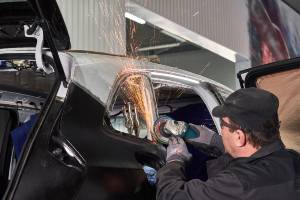
helpful assistant by cars at repair shopCrash victims may experience confusion after a car crash. Insurance companies love to take advantage of this uncertainty to deny or lower the value of a claim. It also comes into play for simply trying to fix your car damage.

That is why it is so important for crash victims to meet with a licensed attorney. Our Bloomington-based auto accident attorneys expect these types of tactics from insurance companies, and we are prepared to deal with them on your behalf.

Below, learn more about handling damages to your vehicle, including whether you get to choose the shop that does your car repairs.

At TSR Injury Law, we charge nothing for an initial consultation or while working on your claim. Meeting with one of our lawyers is risk-free. We have obtained millions on behalf of crash victims.

Choosing a Repair Shop After a Car Crash

You have the right to decide where to get your vehicle fixed after it gets damaged in a crash, just like you have the right to decide where to get treated for your injuries. The insurance company cannot require you to take your car to one shop or interfere with your decision to take it somewhere else.

Your insurance should cover the reasonable costs of repairing your vehicle back to its pre-crash condition. Using your car insurance to repair your vehicle is not like using your health insurance for medical treatment. There is no network of repair shops that limits your choices. Your car insurance company cannot decide to cover less of the cost because you chose the mechanic, and they did not.

You should take your car to a repair shop you feel will do quality work and charge a fair price for parts and labor. You need reliable transportation to get back and forth between your home and your workplace. You may find a reputable shop simply by asking friends and family members for recommendations and doing your own research, including looking at customer reviews.

It is also a good idea to check whether a repair shop carries the appropriate industry qualifications, such as certifications from the National Institute for Automotive Service Excellence and/or Inter-Industry Conference on Auto Collision Repair. These certifications help to ensure mechanics meet the appropriate standards when working on your car.

There are also things you may notice about a shop when you walk in. For example, are they busy? If not, that may be a bad sign. Is the place dirty? Does it seem chaotic? If so, you may want to take your car somewhere else.

Am I Required to Get a Few Estimates?

There is no law requiring you to get multiple estimates for repairs after a crash. That said, your insurance policy may require getting multiple estimates for repairs. That is why it is important to carefully review an insurance policy before purchasing it.

Are There Benefits to Working with a Shop Approved by the Insurer?

There is nothing wrong with using a repair shop recommended by the insurance company. In fact, because the insurance company is used to working with the repair shops they recommend, it could speed up the claims process. They will likely handle all the paperwork and do so more efficiently than if you had to deal with it yourself. That may result in you getting your car back sooner. Repair shops may prioritize work done on vehicles insured by a company they regularly work with.

Another potential benefit is related to the warranty for the work done on your car. A repair shop usually issues a warranty of about one to two years on its work. However, the insurance company may extend the warranty for as long as you own the car if you use their approved shop.

Contact TSR Injury Law Today for Legal Help

Give us a call today to learn more about the importance of experienced legal help after a crash. Our lawyers have helped many crash victims over more than 20 years serving Bloomington, Minneapolis, and the surrounding areas.

Learn more by calling to set up a free consultation. Call: (612) TSR-TIME.

My Tag was Expired at the Time of the Crash. Can I Still File a Claim?

fake minnesota license plateWhen policyholders file a claim after a crash, car insurance companies will look for any reason to accuse them of negligence. They may even refer to things that have nothing to do with the cause of the crash, such as your driver’s license status, a front headlight being out on a rear end crash or an expired tag.

Insurance companies are hoping crash victims will take their word for it about their role in the crash and accept whatever lowball offer of compensation they make. Crash victims are often desperate for compensation and unsure of the value of their claim.

Below, learn more about what effect, if any, an expired tag may have on a car crash claim. We also discuss Minnesota regulations on renewing vehicle tags and penalties for failing to do so.

If you have questions after suffering an injury in a car crash, give us a call to schedule a free initial consultation. We have helped many crash victims recover compensation to help them move forward with their lives.

Expired Tags and Car Crashes

An expired tag has nothing to do with what caused a crash to happen. Most crashes are caused by one driver’s negligent actions, such as speeding, tailgating, distracted driving or drunk driving. While it is careless to forget to renew your tag, it does not mean you are to blame for the crash.

You are likely to be cited by police when they arrive at the scene. However, citations or tickets for things that had no bearing on the crash should not affect your claim for compensation. If you were cited for reckless driving or violating the rules of the road, that may affect your claim.

It is important to note Minnesota is a no-fault state, which means fault plays no role in pursuing a claim against the personal injury protection coverage for medical bills and wage loss. That is not to say fault plays no role in a claim – if you are injured and want to pursue a bodily injury claim, you will pursue compensation from the other driver’s insurance coverage and fault does factor into that.

You should take anything the insurance company says with a grain of salt and strongly consider discussing things with a licensed attorney. You do not need to say much to the insurance company, and if you are not cautious, you could say something that hurts your claim.

Minnesota Regulations on Tag Renewal

In Minnesota, you have until the last day of the month your tag expires to pay to renew it. You must display the new sticker within the 10th day of the next month.

Penalties for Failing to Renew Your Vehicle Registration

The fee for failing to renew your vehicle registration in time is four or five times the fee to renew. That means you could end up paying a fine of somewhere between $125 and $225. If you do not pay the fine, a warrant could be put out for your arrest. If you get stopped because of an expired tag and the police discover such a warrant, you could be placed under arrest and your vehicle could be impounded.

The last thing you want to have to deal with after a crash is your vehicle being impounded and you being placed under arrest.

Have You Been Injured in a Crash? TSR Injury Law may be able to Help

There are many benefits to meeting with an experienced Minneapolis-based auto accident lawyer after a crash. Learn more by calling TSR Injury Law to set up a free, no-obligation legal consultation. This is an opportunity to learn how we may be able to assist you during this difficult time.

No upfront fees or obligations. Call TSR today: (612) TSR-TIME.

Filing a Car Crash Lawsuit After Receiving a Traffic Citation

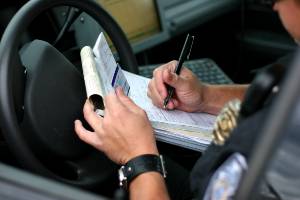
completing an accident report in police carUnfortunately, many people hold a variety of misconceptions about seeking compensation after a car crash. People may even be discouraged from pursuing compensation because they think it will be too difficult or complicated, particularly if they are partially at fault.

However, it is never a bad idea to call an experienced lawyer to discuss the situation. You could still be able to seek compensation, even if you received a citation from the police officer at the scene.

Below, learn more about the types of traffic citations often given out after a car crash and how they may impact your claim for compensation. If you have questions about the legal process, you can call TSR Injury Law for help.

No-Fault Insurance Coverage

It is important to note Minnesota is a no-fault state, which means you can file a claim (for medical bills and wage loss) against your personal injury protection (PIP) coverage no matter who is at fault for the crash.

However, if you are injured, you may also want to make a bodily injury claim against the at fault driver’s insurance.  This is especially true when a crash results in severe injuries and your damages may easily exceed your PIP limits. Fault does matter when making a bodily injury claim.

If fault must be considered, things like traffic citations may be used against you by the insurance company. They may claim a citation for some minor offense indicates carelessness on your part. The insurance company may try to exaggerate your amount of fault to lower the value of your claim.

Common Traffic Citations for Crash Victims

While the other driver may bear most of the fault for your crash and receive a traffic citation, victims could also be ticketed. Sometimes these citations are for minor infractions that had nothing to do with the crash itself.

For example, you may be ticketed for not wearing your seat belt. Not wearing a seat belt could dramatically increase your risk of serious injury in a crash. That is why many states have seat belt laws – in Minnesota, not wearing a seat belt is a primary offense and you could be ticketed and fined $25, but it cannot be used against you in a civil injury claim.

You might also be ticketed for having a broken headlight, even though this is unrelated to the crash. The broken headlight did not cause the bad driver to rear-end you, so while it may matter for a criminal ticket, it does not for the civil injury claim.

The insurance company may try to use these tickets against you, and that is why you should strongly consider hiring a Bloomington-based auto accident lawyer to assist you. The attorneys at our firm know the tricks insurance companies use against crash victims, including arguments they often use to deny or devalue claims.

Tickets for More Serious Offenses

You may be cited for more major infractions after a crash, such as a right-of-way infraction or speeding. No matter who did what, you can always make the pip claim.

However, serious criminal violations can greatly affect the bodily injury claim against the other driver’s insurance. Under Minnesota’s comparative negligence law, you can still recover compensation if you are not more at fault than the other party. In other words, you cannot be more than 50 percent to blame for a crash. Your claim will be reduced by whatever true fault you are assigned. For example, if you are 20 percent at fault for the crash and have $10,000.00 in property damage and $20,000.00 in injuries, the other insurance (who is 80 percent at fault) still owes you $24,000.00.

That means your percentage of fault for the crash is crucial. If you think you are being assigned more fault than you deserve, you should contact a lawyer to advocate for you. Even though the traffic ticket you were given may be valid, the percentage of fault the insurance company is assigning based on that ticket may too high. Insurance companies often argue everyone is 20 percent at fault for just being on the road, so when they see a ticket, the fault blame game only goes up.

Another factor to consider is: was the ticket violation a cause of the crash? If your ticket is for drunk driving or going the wrong way on a road, the crime also matches fault and there will be no injury claim.  However, some serious ticket violations are not a “cause” of the crash. Two examples are driving without insurance or without a license.  Each of these offenses are illegal and bad, but not having insurance did not cause the other driver to rear-end you. The “crime” of no insurance did not cause the crash and there is no fault that can be fairly assigned to you.

Contesting Tickets

Many people simply pay their traffic tickets and move on. However, it may be possible to contest your ticket. The ticket should say how you can contest it and how much time there is to do so.

It is important to note that if you do contest the ticket, it will be your word against the officer’s. That is why it is important to have witnesses or other evidence (pictures, dash cam footage) to support your argument. If the officer was not at the scene to witness the crash, but an impartial witness was there, he or she may provide the evidence you need to overturn the ticket.

If you successfully contest the ticket, the insurance company will not be able to use it against you, helping to potentially increase the value of your claim.

Injured in a Crash? Call Today for Assistance

Our law firm has been helping crash victims for more than two decades and we have recovered millions on behalf of our clients.

The initial consultation with one of our licensed attorneys is free of charge and comes with no obligation to take legal action. That means there is no risk to you in calling to find out what we may be able to do for you. Unlike the insurance company, our goal is to obtain maximum compensation for your damages to help you move forward.

Call TSR Injury Law today to schedule a free consultation. Phone: (612) TSR-TIME

Staying Safe if You Try to Gather Evidence After a Car Crash

questioning accident victimWe have all seen drivers standing by their wrecked cars surveying the damage or exchanging insurance information. Most drivers passing by are careful to avoid the damaged vehicles.

However, it can be dangerous to get out of your car on a busy street or highway. Passing cars may be traveling much too fast to avoid a collision, putting your vehicle at risk of further damage and you at risk of severe or even life-threatening injuries.

It is important to remember your safety is your number one priority after a crash. You may be concerned about gathering evidence for your insurance claim, such as taking pictures of the damage to your vehicle. While this is important, you do not want to put yourself in harm’s way just to get a picture.

Below, learn more about staying safe when trying to collect evidence after a crash, including when it may be best to simply stay in your vehicle.

The Minneapolis-based auto accident lawyers at TSR are prepared to manage every step of the legal process on your behalf, including the investigation of the crash. Schedule an initial consultation today to learn more.

Getting Out of the Path of Traffic

Whenever possible, move your vehicle out of the path of oncoming traffic. If there is a shoulder to the road, move as much of your car into that area as possible. You should also turn on your hazard lights to help alert approaching drivers of your stopped vehicle. Some drivers have an emergency kit with road flares, and these can also be helpful.

You should not count on passing motorists to drive defensively or even to see you. You have probably heard about the epidemic of distracted driving – many drivers are not fully aware of the other cars around them, much less disabled or wrecked cars on the roadside.

Should You Get Out of Your Car?

If your vehicle is out of the path of oncoming traffic, it may be safe to get out and exchange information with the other driver and survey the damage.

However, be careful about getting out of your car if you are on the right side of the road, as if your driver’s side door is nearest to the road. If possible, you may want to slide over and get out the passenger door instead. If you get out the driver’s side door, do not stand on that side of the car, as you could easily get clipped by a passing car whose driver is not paying attention or speeding. You may want to walk around to the other side.

It is important to note if you are in a lot of pain and moving around hurts, it may be best just to stay put until the ambulance arrives. If you get out of the car and move around, you could aggravate your injuries and cause new ones. You may think the pain is minor, but it could be a sign of a severe injury. Adrenaline can sometimes mask pain or make it seem manageable, even though it may get much worse later.

Collecting Evidence

If you do get out of your car and want to take pictures, feel free. It is a good idea to watch the road for any passing cars that may be drifting a little too close. You can also use this opportunity to exchange insurance and contact information with the driver and call 9-1-1 unless the other driver has already done so.

If any other cars stop to help or you see pedestrians who may have witnessed the crash, you may want to ask them what they saw. If you get their permission, you can record the conversation on your smartphone for future reference.  At a minimum, get all witnesses’ names and numbers so they can be contacted later.

What if the Other Driver Gets Angry?

Sometimes at-fault drivers get angry with crash victims, acting as though they caused the situation. At-fault drivers may also be angry at the inconvenience of having to wait for the police to arrive.

If the other driver yells at you or seems aggressive, it may be best to stay in your car and lock the door until the authorities arrive. Avoid making eye contact because it may set the other driver off. It is best not to engage with someone who is acting aggressively.

Aggression could be a sign the other driver is under the influence of drugs or alcohol. If you think drugs or alcohol may be involved, be sure to tell the police your suspicions when they arrive. They can then decide if it may be necessary to do a field sobriety test or breathalyzer test.

What not to Say After a Crash

Even if you think you may be partially to blame for the crash, it is best not to say anything about it to the other driver. The investigation will uncover whether your actions may have played a role in the collision. Crash victims tend to blame themselves, even if they did nothing wrong.

You should also avoid getting angry with the other driver because it could spark a confrontation. If you focus on collecting evidence and getting medical treatment, you will be doing a lot to help preserve your claim. Meeting with a licensed attorney is also important.

Call TSR Today for Help After a Crash

For more than two decades, the licensed attorneys at our firm have been helping car crash victims recover compensation for their damages. We understand how devastating these situations can be and that is why we are dedicated to pursuing maximum compensation. We are also prepared to go to court if necessary.

Meeting with us after a collision is risk-free, as there are no upfront fees for our services. We do not get paid for representing you unless you are compensated.

Learn more by calling today: (612) TSR-TIME

Liability for a Crash Involving a Disabled Vehicle on the Roadside

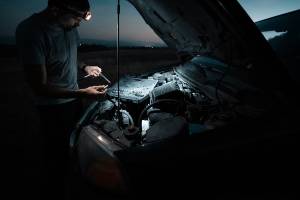
working on car engine at dusk on roadsideIf you get a flat tire or something else happens that forces you to pull over, it is very important to get to a safe location away from the flow of traffic. You do not want to be in harm’s way and potentially get hit by a fast-moving car. Not only could your car suffer significant damage in such a crash, but you may suffer severe injuries as well.

However, there is another reason to move your car into a safe location. While passing drivers are required to pay attention to their surroundings to avoid a crash, drivers of disabled vehicles have an obligation to give passing drivers enough room to safely get by.

If you leave part of your car jutting out into the road in such a way it is difficult for passing cars to get by, you could potentially be held liable for damage to the passing car.

Below, learn more about liability in these types of crashes and how this could impact a claim for compensation.

Does Minnesota Law Address These Situations?

Minnesota’s Move Over Law may apply if emergency responder vehicles were at the scene. This law says passing cars are required to move one full lane away from stopped emergency vehicles with their flashing lights activated. (If it is not possible to move over one lane, drivers must reduce their speed.)

Emergency vehicles include:

  • Ambulances
  • Fire trucks
  • Law enforcement vehicles
  • Construction vehicles
  • Tow trucks
  • Maintenance vehicles

This law applies on roads with at least two lanes.

If a driver does not comply with the law, he or she could be fined more than $100. If this happens, it may be easier to prove this driver was at fault for the crash.

What if There Were no Emergency Vehicles at the Scene?

Even if no emergency vehicles are present, it may be reasonable to expect passing drivers to move over one lane or at least slow down to reduce the risk of a crash with a disabled vehicle. For example, if there was light traffic and the disabled vehicle is clearly visible from a significant distance, it may be reasonable to expect passing drivers to take precautionary measures.

What About the Driver of the Disabled Vehicle?

You can be sure insurance companies will look for any reason to blame you for a crash, whether your vehicle was disabled or not. That is why it is important to do your best to avoid putting yourself in a situation where you may be found liable for a collision.

Do your best to pull off to the side of the road and out of harm’s way and put your hazard lights on. If possible, you may want to exit the vehicle and move a safe distance away from it. However, you do not want to exit the vehicle only to stand right next to it. You could get hit by a car or suffer severe injuries if your car gets hit.

Call for help right away, as a tow truck or police vehicle can put its lights on to help make your vehicle more visible to approaching drivers.

If you do not take reasonable measures to reduce the risk of getting hit by a passing car, you can be sure the insurance company will take note and try to use this against you.

However, it is important to note that even if you are found partially to blame, the passing driver may shoulder a significant portion of the blame, particularly if he or she was speeding or distracted.

Does Fault Even Matter After a Minnesota Car Crash?

Minnesota is a no-fault state, which means you can seek compensation for your injuries and some other damages from your own insurance, regardless who is at fault.

However, personal injury protection (PIP) coverage does not pay for damage to your own vehicle. You may need to file a claim against the other driver’s liability coverage. In that scenario, fault does come into play.

Also, if your PIP coverage runs out, you may need to file a claim against the other driver’s policy for additional coverage. In a third-party claim, you and your Bloomington-based car accident attorney would need to prove the third party was liable for your damages to have a chance to obtain compensation.

Struggling to Obtain Compensation? Give Us a Call

If you need help after a car crash, give us a call today to schedule a free initial consultation. We have helped many crash victims and we know the many issues you are dealing with.

There is no risk in contacting us because we do not charge any upfront fees. That means no fees to take your case and no fees while investigating and pursuing compensation. Our attorneys do not get paid unless you get paid.

Call today for answers to your questions. (612) TSR-TIME

Does the DOT Require Post-Accident Drug Testing For Commercial Truck Drivers?

old truck driver in truck during the dayDriving while impaired is a reckless decision that others often pay the price for. If the impaired driver is operating a commercial truck, the risk of a dangerous crash occurring increases significantly.

The Federal Motor Carrier Safety Administration (FMCSA) requires truckers to get drug tested at certain times in an effort to prevent crashes due to impaired driving. These tests also help investigators to find out if a driver involved in a crash was under the influence. Below, learn more about post-accident drug testing for commercial trucks. You may be surprised to learn about situations where drug testing is not required.

If you were injured in a crash with a commercial truck, you may be eligible to seek compensation for your damages. Our Minneapolis truck accident lawyers offer a free consultation to discuss your situation. Our firm has recovered more than $1 billion, including $1.7 million for a man who was run over by a semi-truck.

See what satisfied clients have said about our firm on our testimonials page.

When Do Truck Drivers Get Drug Tested?

The Department of Transportation (DOT) requires those with a commercial driver’s license (CDL) to get tested for drugs and alcohol at various times during their employment, including:

  • Pre-employment testing before they begin work as a CDL driver: This is part of their background check
  • After certain types of truck accidents
  • At other times when requested and as part of randomized drug testing: This additional testing is done every quarter, and all employees have an equal chance of being selected for testing.
  • Anytime there is a reasonable suspicion the driver is under the influence or has been using drugs on or off the job
  • Return-to-duty testing, which is required after drivers tested positive, refused to take a test or otherwise violated the law
  • Follow-up testing, which is much the same as return-to-duty testing

Drivers do not have to be full-time to be subject to these requirements. Any part-time, intermittent, backup or international drivers are also subject to drug testing.

What is the Most Common Drug Test for Truck Drivers?

The most common drug test for CDL drivers is the five-panel urine test. In this test, the driver’s urine will be tested for:

  • THC, the psychoactive component of marijuana
  • Opiates (any opium or codeine derivatives, including morphine, heroin, oxycodone, oxymorphone, hydrocodone and hydromorphone)
  • Phencyclidine (PCP)
  • Cocaine
  • Amphetamines, including MDMA and methamphetamines

What Drugs Do Truck Drivers Often Take?

Truck drivers often take cocaine or amphetamines to help them stay awake longer and maintain the focus required to safely operate their vehicles. They sometimes abuse medications used to treat attention deficit disorder (ADD) and attention deficit hyperactivity disorder (ADHD), as these medications help stimulate the mind and improve concentration.

It is hard for drivers to make their deadlines without staying on the road for many hours at a time, which makes it harder to get adequate sleep. This leads some drivers to turn to drugs the way many of us drink coffee in the morning to help us wake up.

Truck drivers often develop many chronic health conditions because they do not get enough sleep and because of the sedentary nature of their jobs. This often results in the use of alcohol, marijuana and other drugs to help them cope.

When Are CDL Drivers Required to Get a Post-Accident Drug Test?

The FMCSA requires post-accident drug testing if the crash caused:

  • A fatality, whether a citation was issued to the truck driver or not
  • Bodily injury that requires immediate medical treatment away from the scene, but only if a citation was issued to the driver
  • Disabling damage to a vehicle that requires the vehicle to be towed, but only if a citation is issued to the truck driver

That means drug testing is not required after accidents that cause bodily injury when police fail to issue a citation.

It is important to note that even if the law does not require a drug or alcohol test, the driver’s employer might.

How Much Time Do Drivers Get to Do a Post-Crash Drug Test?

Under the law, employers are required to test drivers for drugs or alcohol as soon as is practical after the crash.

FMCSA rules state that an alcohol test should be done within two hours of the accident. However, sometimes the driver cannot make it in for testing within two hours. For instance, if the driver gets stuck at the scene while the crash is being investigated.

If the driver cannot get the test done within two hours, he or she must provide a written explanation. The driver’s employer must also write a note explaining why the deadline was missed and keep it on file.

Drug/controlled substances tests must be done within 32 hours of the accident.

What if the Driver Does Not Do the Test Within That Time?

If more than eight hours pass without an alcohol test, employers must stop attempting to do a test. The employer is likely to face fines for non-compliance with drug-testing rules. Missing the deadline may also trigger an audit.

If a drug test is not done within 32 hours, the driver’s employer faces fines and an audit. The reasons why the test was missed must also be documented.

What if the Driver Was Tested For Alcohol at the Crash Scene?

Even if the driver took a breathalyzer test at the scene, he or she is required to get an official test within the allotted time. This is because tests done by police officers at the scene of a commercial truck crash do not meet DOT regulations.

How Long Does It Take for the Results to Come Back?

Alcohol tests produce results almost immediately. Drug tests are going to take longer.

What Happens if the Driver Tests Positive in a DOT Drug Test?

He or she will be prohibited from driving until the Return-to-Duty process has been completed. This is a six-step process that concludes with a drug test.

The second step in the process, after removing the driver from safety-sensitive functions, is a referral to a substance abuse professional. Drivers must meet with this person or their career in the industry may be over. The next step is entrance into a drug and alcohol treatment program. Once this program has been completed, the substance abuse professional will do a follow-up evaluation. If the driver passes a return-to-duty drug test, he or she should be able to go back to work.

DOT requires six follow-up drug tests over a one-year period. These tests will not be announced.

What to Do if You Suspect a Truck Driver is Drunk or Impaired?

If you are involved in a truck crash and you suspect the driver is drunk, make sure you tell the police officer who comes to the scene. Tell him or her the reasons why you suspect alcohol or drugs may have been involved in the crash.

For example, one sign of an impaired driver may be an open trailer door, as drunk truck drivers may overlook simple safety precautions. If you smell alcohol on the driver’s breath, or he or she appears to be stumbling around, tell the police. You may have also noticed erratic driving before the crash, such as speeding, struggling to stay in a lane or tailgating you or another vehicle.

By informing the police about your suspicions, you help to ensure they will at least consider the possibility of the driver being drunk. They may be more likely to conduct a field sobriety test or ask the driver to blow into a breathalyzer, increasing the chances of a citation being issued. If a citation is issued, the driver may be required to undergo a drug or alcohol test by his or her employer.

Talking to an attorney is important after a truck crash. Trucking companies, their insurance companies and other at-fault parties will work hard to escape liability for a collision involving one of their drivers. You need an attorney who will be focused on your best interests to help level the playing field.

Call Today to Discuss Your Truck Crash

There is no risk in discussing your situation with one of our licensed attorneys. The consultation is free of charge, and you are not obligated to hire our firm if we determine you have a case.

We have helped many motor vehicle crash victims recover compensation, and we know what it takes to build a strong case. We have the resources, experience and legal knowledge to aggressively pursue maximum compensation on your behalf.

Review our results page to learn more about some of the results we have achieved.

Call today for answers to your legal questions. (612) TSR-TIME
Filing a Claim if Your Car Crash Was Caused by Ice or Snow

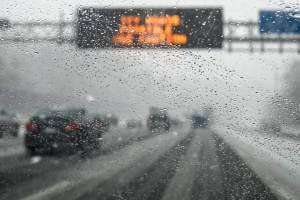
snowy road with digital sign over roadAs temperatures drop, there is a greater chance of encountering snow and ice on our roads.  While it is important to take the necessary precautions to help ensure your safety, crashes can still happen.  These collisions have the potential to be very dangerous, particularly when ice is involved because vehicles do not stop as easily in these conditions.

When a crash happens and snow or ice was a factor, it is only natural to have questions or concerns about how this may impact your ability to seek insurance compensation for injuries and damages.

Will the insurance company claim you are at fault because you were driving too fast?  Will the other driver attempt to avoid responsibility for the crash by claiming it was caused by snow or ice?

If you have questions after a car crash, it is important to reach out to a qualified lawyer for assistance.  The Bloomington auto accident attorneys of TSR Injury Law have obtained millions in compensation for crash victims and have detailed knowledge of car insurance claims in Minnesota.  The initial consultation is free.

What if I Am Partially to Blame for the Crash?

One of the benefits of living in a no-fault state like Minnesota is you can file a claim against your personal injury protection (PIP) coverage no matter who was at fault.  PIP may provide compensation for things like medical expenses, lost wages and the cost of replacement services.

However, what happens if your damages exceed the value of your PIP coverage or if you want to pursue a pain and suffering claim against the other party?

Minnesota requires a minimum of $40,000 in PIP coverage. $20,000.00 for wage loss ($500.00 weekly increments) and $20,000.00 for medical.  However, even if you purchased more than that, damages from a severe injury could quickly hit your coverage limit.  In addition, no matter what happens with the PIP claim, you have the right to pursue a bodily injury claim.

When pursuing a claim against the other driver’s liability insurance policy (for unpaid bills, wage loss or pain and suffering) the at-fault insurance will always blame snow or ice to deflect responsibility.  Early investigation by an attorney on your side can often offset these ice and snow defenses.  In addition, even if you are partly at fault for the crash, your lawyer may still be able to file a claim because Minnesota law says you can recover compensation if you are less than 51 percent at fault.

Anyone who bears partial fault will see his or her compensation award reduced by the percentage of fault he or she is assigned.  That means someone who is 20 percent at fault will see his or her compensation award reduced by 20 percent.  Just one more reason to start investigating and documentation collection right away after a crash to avoid any insurance discounts.

Contesting Partial Fault for a Crash

Insurance companies will look for any reason to assign fault for a crash.  The presence of snow or ice could be reason enough for them to say you were at least partially to blame.  They may say you were speeding, or your tires were old and could not gain enough traction.  They could argue their client had no idea there was ice on the road and the crash was “unavoidable” and therefore no one is at fault.

If you can safely collect evidence at the scene, you should try to do so.  For example, taking pictures of the damage to both vehicles could be very important.  Often, the damage to both vehicles helps to prove how the crash occurred.  Listening to what the bad driver says to the police could later help.  If the ice defense pops up later but was never said to police that is good evidence.

You may be tempted to admit partial fault for a crash.  For example, you think “maybe I was going to fast…”  Do not admit anything.  The insurance company will take an innocent questionable statement and argue it as a fact.  Always tell your attorney your opinions and concerns and let us determine the best way to present them.  We simply are trying to prevent the insurance company assigning you a lot more fault than you deserve.

Preparing Your Car for Winter Weather

While it is not possible to prevent every crash, there are things you can do to help ensure your car is safe to drive in winter weather.  Taking these steps may also help prevent the insurance company from claiming you are at fault for a crash in icy or snowy conditions.

  • Check your tire pressure each week
  • Keep an eye on the tread depth of your tires – make sure to replace tires when the treads are too low as they will struggle to gain traction in snow or ice.  Best case is to change to winter ties for the cold months and summer tires for the rest.
  • Change out your windshield wipers for winter windshield wipers
  • Make sure you have enough windshield washer fluid
  • Make sure your gas tank is at least half full to prevent moisture from forming in the gas line and freezing
  • Slow down in winter weather – this allows you more time to slow down or maneuver away from danger
  • Drive defensively – reckless drivers do not change their behavior just because of bad weather
  • Make sure your headlights and brake lights work and replace any broken lights or burned out fuses
  • Stay off the roads if you are concerned about your safety or your ability to drive safely
  • Be cautious on bridges and overpasses, as ice may form more quickly on these surfaces
  • Leave more room between the car in front of you than you normally would
  • Use your headlights, even during the day, as they may help you find shiny spots on the road that could be ice

TSR is Here to Help. Call to Schedule a Free Consultation

You do not have to go through the legal process alone.  You have the option of hiring an attorney to represent your best interests and hold the insurance company accountable for compensating you for damages covered by the policy.

TSR’s experienced legal team has been fighting for crash victims for more than 20 years and has recovered over a billion on behalf of our clients.

Your initial consultation is always free and there is no obligation to take legal action.  We also do not charge legal fees unless you receive compensation.

Call today for help and answers to your questions. Ph: (612) TSR-TIME

Liability for a Car Accident Caused by a Heart Attack or Sudden Medical Emergency

test result images under stethoscope on tableOne of the scariest things that could happen to any driver is for him or her to suffer a sudden medical emergency, like a heart attack, seizure, stroke or sudden loss of consciousness. Drivers could easily lose all control of the vehicle and get into a life-threatening crash.

Generally, a heart attack or other medical emergency is not the driver’s fault. That may raise questions about whether the driver can be held liable for the damages the crash caused.

TSR Injury Law discusses this issue in greater detail below, explaining some of the issues that will likely need to be considered. Our firm offers a free consultation for crash victims to discuss their potential legal options. Whether you are considering filing a claim, or already have and are struggling to negotiate with the insurance company, Bloomington auto accident lawyers may be able to help.

What is a Sudden Medical Emergency?

A sudden medical emergency is an unforeseen situation that puts a person’s life at risk. For example, people do not know when a stroke, heart attack, seizure or sudden loss of consciousness (syncope) may occur. When these things happen, immediate medical treatment is essential to save the person’s life and try to stabilize his or her condition.

If you have ever experienced a sudden medical emergency or witnessed someone else experiencing this type of emergency, you know they would be unable to safely operate a motor vehicle while it is happening.

That is why it is so important for people who are experiencing signs of a stroke or heart attack to get off the road as soon as possible.

Signs of a heart attack include:

  • Pain in the center of the chest that feels like pressure or squeezing
  • Pain in one or both arms, neck, jaw or back
  • Shortness of breath, with or without chest pain

Signs of a stroke include:

  • Numbness or weakness in the face, arm or leg, particularly on one side of your body
  • Confusion
  • Trouble speaking
  • Sudden, severe headache
  • Loss of balance
  • One side of your face is drooping

Can Drivers Use a Sudden Medical Emergency Defense?

Many states allow drivers to use a sudden medical emergency defense to escape liability for a crash that occurred when they were incapacitated. The theory of this defense is the driver did not act negligently cause the crash, so he or she should not be held liable for any resulting damages.

However, Minnesota does not appear to have clear statutes or case law on this type of defense. This shows why it is so important to work with a licensed attorney, as countering this defense could be quite complicated.

In March 2000, an appellate court in Minnesota discussed this issue in a case involving a car crash where one driver suffered a seizure. The court said the standard for the sudden incapacity defense was not well-established in the state and existing case law on sudden medical emergencies is sparse. In the appeal, the victim of the crash was requesting the court to reverse the district court’s summary judgment in favor of the other driver.

The appeal argued there was inconclusive evidence the other driver suffered a seizure. The appeal disputed the testimony of the emergency medical technician, who said witnesses said they thought the driver had a seizure. The appeal asserted there was abundant evidence the driver fell asleep and did not have a seizure.

Another case that dealt with this issue was dismissed by a federal district court in February 2014. The lawsuit involved a crash between a fuel truck and a passenger vehicle.

Medical tests found the truck driver had a sudden drop in blood pressure that caused him to pass out. The fuel truck driver’s defense team argued this was an “Act of God” and the court dismissed the case. The fuel truck driver did not face liability for the crash.

Generally, the key to successfully using an Act of God defense is to provide evidence the event could not have been foreseen or mitigated by human activity.

What if the Emergency was Foreseeable?

Sudden medical emergencies are often not foreseeable. However, there are times when drivers should know they have an increased risk of losing consciousness or becoming suddenly incapacitated. For example, someone who is prone to seizures may have been told not to drive by his or her doctor.

Someone diagnosed as diabetic needs to carefully monitor his or her blood sugar to make sure it does not get too low. If this happens, there is a higher risk of the driver passing out. If a diabetic does not eat for a long period of time and gets behind the wheel, he could be putting himself and others at risk.

As noted earlier, there are common signs of a heart attack or stroke, so if a driver identifies these symptoms for getting behind the wheel, he or she may not be able to use a sudden medical emergency defense.

If you are involved in a crash with a driver who was incapacitated, your attorney may look for a history of medical issues to determine if the emergency was foreseeable or not.

Need Help After a Crash? Give TSR Injury Law a Call

Our experienced attorneys know how important it is to recover compensation after a crash. We want our clients to have the compensation they need to properly treat their injuries and give them the chance to make the best recovery possible.

Our firm has obtained over a billion on behalf of our clients and we do not charge upfront fees for our services.

Schedule a free consultation today to learn more. (612) TSR-TIME

How Long Do I Have to Claim an Injury After a Car Crash?

Current image: How Long Can You Claim Injury Social

Car crashes that do not result in significant damage to your vehicle can still cause you to suffer significant injuries. However, you may not notice symptoms immediately after the crash. Unfortunately, crash victims in this situation may delay seeking medical attention or filing an injury claim with their insurance company. However, is this a bad idea? Do you still have time to file for damages?

The short answer is that you still have time to file a claim, but it will be a lot harder to prove you have a case than if you had filed right away. For one, the insurance company will use the delay against you. They will argue that if you were truly injured, you would have gotten medical care immediately after the crash. Alternatively, they may say that if you were hurt, it happened elsewhere and was caused by something besides the crash.

Another factor that could complicate your ability to claim your injury is if you talked to the insurance company right after the crash. Did you tell them were not injured? Did you say you felt OK? If so, they will likely use these words against you.

While your lawyer may still be able to obtain compensation, statements like this could present a significant obstacle.

What Is the Deadline for Filing a Car Crash Claim?

Your insurance company likely has a deadline for filing a claim, and if you miss it you may lose the right to do so. That is why it is important to contact a Minneapolis car accident lawyer right away to determine if you may be eligible for compensation.

In addition to the basic setting up a claim, there are also legal deadline requirements to file a lawsuit on injury claims. Statute of limitations vary by state and also by type of claim. The SOL can be as short as  two years from the date of the crash. Even though most car crash claims are resolved through an insurance settlement, sometimes your lawyer may need to take the insurance company to court to pursue maximum compensation.

By contacting a lawyer right away, he or she can determine if you may have a case and get to work gathering evidence. You want to give your lawyer enough time to prepare to file a lawsuit if it becomes necessary.

What Is the Risk If I Wait to File a Car Crash Claim?

Not only could you pass the deadline for filing a claim, you could be giving the insurance company and at-fault party a strong reason to deny or devalue your claim.

After a car crash, insurance companies and at-fault parties are always looking for some way to attack your credibility. If there is a significant gap in time (more than a day or two) between the crash and you filing a claim, they may say you are just trying to get money and are not significantly injured.

They are especially likely to use these arguments if you did not seek treatment for weeks or months after the crash. The burden of proof for linking an injury to a crash is on the victim. It can be very difficult to establish this connection if your injuries were diagnosed a week or a month after your crash.

It is never a bad idea to go to the hospital or urgent care after a car crash. A licensed medical professional can look you over and run tests to help determine if any injuries occurred.

It may take more time for significant injuries to develop, but by seeking treatment quickly, you are documenting your initial pains that later can be linked to the crash. You are also helping to make it that much harder for insurance companies and at-fault parties to dispute your intention for filing a claim or attack your credibility.

What Statements Should I Give the Insurance Company?

It is best to keep your statements to the insurance company brief. You may not think you are seriously injured, but that may change in the future. You want to leave yourself room to maneuver if you begin experiencing symptoms. That means avoiding definitive statements about your condition, as these statements could soon prove to be inaccurate.  The number one rule is to speak to an attorney before ever giving an insurance statement.

TSR Injury Law is Here to Help. Call Us Today.

If you have any questions about your claim or the legal process, give us a call today. We are here to help crash victims, including assessing whether you may have a valid claim for compensation.

There is no risk in contacting us because we do not charge for an initial consultation and you are not required to hire us if we find you have a case. In fact, our attorneys are not paid to represent you unless we obtain compensation for your damages.

Read our testimonials page to see what our clients have to say about the representation we provided them.

Call TSR Injury Law. No upfront fees. (612) TSR-TIME.

Can Minnesota Car Insurers Deny Coverage Over Fraud When You Obtained the Policy?

claim form for auto insuranceIs a car insurance company legally allowed to cancel a policy and deny coverage based on allegations the policyholder committed fraud when he or she obtained the policy?
You may be surprised to learn the answer is likely “no” in the state of Minnesota, thanks to the frozen liability rule in the No-Fault Automobile Insurance Act. Below, learn more about this rule and how it could apply when a crash victim files a claim.

If you are struggling to obtain compensation from your car insurance company, or they have claimed you obtained the policy fraudulently, TSR Injury Law is here to help. Give us a call today to schedule a free consultation. We may be able to help and there are no upfront fees for our services. We do not get paid unless you receive compensation at the end of the legal process.

Minnesota’s Frozen Liability Rule

Minnesota’s No-Fault Automobile Insurance Act has a section that has been referred to as a frozen liability statute. According to the statute (65B.49 Subdivision 3. (3)(a)):

Insurance carriers have absolute liability for any injury or damage that is covered by the policy. Absolute liability is not waived based on statements made by or on behalf of the policyholder. Nothing the policyholder said or did before or after the crash, including fraudulent statements, could void the policy.

For example, if you said you would be the sole operator of your vehicle when you bought your policy, but then allowed someone else to operate it, the insurer may claim fraud. However, you should still be eligible for coverage after a crash.

However, it is important to note, the law only requires insurance companies to pay statutorily required minimum coverage. If you purchased $100,000 in personal injury protection, you would only be able to obtain $30,000, because that is the minimum required by law. The insurance policy itself may contain a fraud exclusion that limits your coverage – however, sometimes parts of insurance policies can be successfully challenged in a courtroom.

The frozen liability rule is consistent with legislators’ public policy interest in crash victims having a source of compensation. Allowing insurers to rescind coverage would almost defeat the purpose of minimum coverage requirements.

Is There an Argument for Obtaining Full Coverage?

This is a question you should discuss with a licensed Bloomington auto accident lawyer, as this is a complex issue. If you were in a serious crash, the cost of treating your injuries may very well exceed the minimum coverage limits. If the insurance policy will not cover those damages, you may have to pay them out of your own pocket.

You should seek out an experienced attorney for help, as he or she is more likely to be familiar with recent cases where this issue has come up, or he or she will have the resources and/or staff to research similar situations to see how they may help with your case.

At TSR Injury Law, we have obtained over a billion on behalf of our clients, including millions for car crash victims. We have taken on a wide variety of car crash cases and have extensive knowledge of relevant laws.

We are ready to aggressively work to hold insurance companies accountable and try to obtain maximum compensation for your damages. We are fully prepared to go to court to attempt to recover the compensation you need, unlike some attorneys who may be unable or unwilling to say that. It is important to be represented by an attorney with the resources and knowledge to fight for full compensation on your behalf.

Need Legal Help? Give TSR a Call Today

Crash victims could greatly benefit from a meeting with a licensed attorney. At TSR, this initial meeting is free and there is no obligation to hire our firm. We take cases on contingency, which means there are no attorney fees unless you receive compensation.

Learn more by calling (612) TSR-TIME. We are here to help.

Can I Seek Compensation After a No-Contact Car Crash?

driver jerking steering wheelCar crashes are almost always started by one vehicle hitting another one. Often, the driver who crashed into the other car is found at fault for the accident.
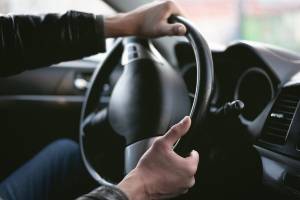
Sometimes, a car accident is not caused by a collision. If another driver brakes or changes lanes unexpectedly, you may swerve or brake to avoid hitting that car. If your reaction causes you to crash into another car, or a car collides with you, you have just been in a no-contact car crash. There are many other examples of no-contact car accidents.

No-contact crashes usually do not occur without the negligence of another driver, even though that driver did not hit your vehicle. However, you could also get into an accident because of a defective part or negligent repair work. In those types of cases, you may have grounds for a product liability claim against a product manufacturer or a negligence claim against the mechanic.

Much like victims of hit-and-run accidents, victims of no-contact crashes may wonder if they can pursue compensation for their injuries and other losses. The answer to this question is based on various factors, which you should discuss with your Bloomington car accident lawyer. The initial consultation with an attorney from TSR is free.

Causes of No-Contact Crashes

There are many reasons a no-contact crash could occur. Here are some of the most common:

  • A driver cuts you off and you make an evasive maneuver only to hit a third vehicle
  • A driver changes lanes without signaling, forcing you to maneuver out of the way
  • You get run off the road or into another vehicle when someone changes lanes without looking
  • A left-turning driver cuts across your path, forcing you to swerve to avoid a crash, only to collide with someone else
  • The driver in the car directly in front of you stops suddenly and you get in an accident while trying to move out of the way
  • You are in the lane of merging traffic when another driver, who is not paying attention, is about to sideswipe you. You slow down, but get rear-ended

No-contact crashes may also involve fixed objects, and not just other vehicles. For example, you could maneuver to avoid a collision and hit a tree or a road sign. You could also hit a concrete light post.

Often, the driver who caused you to crash is unaware of what happened. This person is likely to just keep on driving without looking back. That is why these drivers are sometimes referred to as phantom drivers, because they essentially disappear after the crash happens.

Filing a No-Contact Car Crash Claim

Sometimes other drivers realize they contributed to a collision and they stop at the scene. If this happens, you may be able to file a claim the same way you would for any other type of crash. Minnesota is a no-fault state so you would turn to your personal injury protection coverage to pay for medical expenses, lost wages and replacement services.

Minnesota also requires drivers to purchase uninsured motorist coverage in case they are involved in an accident with a driver who lacks insurance. This coverage can also be used for a hit-and-run collision since a no-contact crash is considered a type of hit-and-run crash. However, it does not cover damage to your vehicle.

Steps After the Crash

Make sure to call the police at the scene so they can investigate and complete a report. They may also be able to locate the driver if you can provide a description of the driver and/or the vehicle he or she was in. Immediately after the crash, jot down what you remember about the vehicle that instigated the crash before you forget, particularly the license plate of the vehicle. Some insurance companies have disclaimers that if you do not call the police and make a report you cannot make an uninsured motorist claim.

Ask for the contact information of any witnesses at the scene. You can also record your conversation with them, with their permission of course.

Our attorneys can talk to the insurance company on your behalf. However, if they may contact you before you talk to a lawyer, it is important to be very careful with what you say. They are likely to ask you to describe what happened, and certain things you say could make it sound like you are to blame for what happened.

Avoid statements like:

  • “I should have…”
  • “I did not see him until the last second.”
  • “I was following a little too closely…”
  • “I was tired.”
  • “I was in a rush.”

While some of these statements may be true, they may have no bearing on the crash. The attorneys at TSR Injury Law are focused on your best interests. The information we discuss is confidential, which means the insurance company cannot gain access to it.

If you make statements like the ones above to the insurance company, they will likely try to pin the crash on you, or at least say you are partially to blame.

Our attorneys are committed to ensuring you are not assigned more fault than you deserve. Any fault you are assigned reduces the value of any settlement you may be awarded.

Injured in a No-Contact Crash? We are Here to Help

Our experienced attorneys have extensive knowledge of Minnesota laws that apply to no-contact car crashes, including laws on insurance coverage and partial fault for an injury.

We are prepared to help you pursue maximum compensation and determine if you have a valid claim when you meet with us for your initial consultation. This meeting is free and there is no obligation for you to take legal action.

TSR has a proven track record of recovering compensation for car crash victims.

Need help? Give us a call today. (612) TSR-TIME

How is the Value of Your Vehicle and the Cost of Repairs Assessed After a Crash?

repairing damage to carWhile medical bills, wage loss and pain and suffering are usually the largest percentage of the compensation from a car crash claim, the cost of repairing or replacing your vehicle can also be significant.  It is also usually the first part of the claim against the at-fault party to be settled.

Below, learn more about how the cost of repairing your vehicle is determined, along with how insurance companies determine what they will pay out when a car has been totaled.  It is important to make sure these figures are accurate – if your vehicle is totaled you need as much compensation as possible to help you get another one; if your vehicle can be fixed, you want to be sure the full cost is covered so you do not have to pay out of your own pocket to get it running again.

The licensed Minneapolis car accident lawyers at TSR Injury Law are dedicated to recovering maximum compensation for crash victims to help them cover medical costs, repair bills and other damages.  Over more than 20 years, we have recovered over a billion on behalf of our clients.

Cost of Repairing Your Vehicle

The first decision is which insurance company will handle the property damage.  The at-fault insurance carrier or your own?  As a general rule, if the at-fault party accepts 100 percent fault, they can handle the property claim.  If instead, the carrier is unknown (a hit-and-run crash or perhaps the driver was arrested, and his insurance is unknown) then you want to look to your own carrier.  If you have comprehensive collision coverage, your insurance will pay for the repairs.  However, if you do not have full coverage, then you need to find the other insurance carrier and clarify fault.  This is a good time to hire an attorney to assist with this initial fault fight.

The next question is: Can your vehicle be fixed or is it totaled?  If the cost of fixing your vehicle is less than 85 percent of the value of your car, the insurance company will usually want to fix the vehicle.  If you use your own carrier, a deductible may apply.  However, if the value of your vehicle and the cost of repairs are close to over 85 percent of the total value, the insurance company may declare your vehicle a total loss. If you have a dispute about this, our attorneys may be able to help you.

If the vehicle can be fixed, the third issue is where to get the repairs done.  If you have heard you are required to go to the repair shop your insurance company selects, this is not true.  You can choose where you take your vehicle to get repaired.  That said, the insurance company may require you to get two estimates.  You may want to do this anyway to be sure you are not overpaying for repairs.  If you end up overpaying, the insurance company may not cover all of it.

The insurance adjuster assigned to your claim will review repair estimates and work with the repair shop to make sure only related damage is repaired.  Insurance companies are notorious for paying out the least possible amount of compensation, which is why you should discuss any concerns you have with an experienced lawyer.  Usually, if a vehicle can be fixed, it will be fixed.  There is much more fighting over a totaled car’s worth.  The first offer you receive from the adjuster on your totaled vehicle is often just a starting point.  Your lawyer may be able to negotiate for more compensation.

Value of Your Vehicle After a Crash

How does the insurance adjuster determine the value of your vehicle when assessing if the vehicle is a total loss?

There are many factors to consider.  They include:

  • Make and model
  • Year
  • Damage/ wear and tear that existed before the most recent accident
  • Has the vehicle had a prior crash
  • Mileage as compared to other similarly aged vehicles
  • Extra features in the vehicle, such as leather seats, upgraded stereo or remote starter

While consumers may rely on Kelley Blue Book, NADA and Edmund’s to determine a vehicle’s value, insurance companies may have their own proprietary valuation systems.  These systems are likely to favor the interests of the insurance company over providing more compensation for consumers.

That is why you should not just take the insurance company’s word for it.  Do your own research and talk to a lawyer.  The attorneys at TSR Injury Law can discuss your situation in a free consultation at no risk to you.

Insurance companies are counting on accident victims being unsure of their options and desperate for compensation, but you can take steps to try to protect your best interests.

Need Help with Your Car Crash Claim? Call Today

Our trusted attorneys are to answer your questions and determine how else we may be able to assist you.  There is no cost for an initial consultation and no upfront fees for taking your case or while we work on your case.  You pay nothing unless we recover compensation for your damages.

Learn more about how our firm may be able to assist you by calling today or completing our Free Case Evaluation form.  We have helped many car crash victims and have extensive knowledge of the many issues involved with these claims.

We are ready to take your call. No upfront fees. Phone: (612) TSR-TIME