
Do I Have a Case if My Injury Symptoms were Delayed After the Crash?

Current image: Woman Sitting on Couch with Headache Social

For some reason, injury victims tend to downplay their injuries. Maybe they do not want to deal with the inconvenience of seeking medical treatment and having a doctor tell them to limit physical activity. Maybe they think they are just a little sore and will recover within a few days or a week. Perhaps the millions of dollars insurance companies spend claiming everyone is suing each other makes you feel guilty for actually being hurt. Whatever the reason, many victims discover their injuries were much worse than they thought once they get treatment. This often raises important questions about your ability to seek compensation, since insurers frequently use delaying the start of medical treatment as an excuse to deny an injury claim.

The Bloomington auto accident lawyers have experience helping injury victims and may be able to help you recover the compensation you need, even if your injuries were delayed.

Below, learn more about seeking compensation for a delayed injury. TSR Injury Law offers a free legal consultation to discuss legal options following a crash injury.

Car Crash Injuries with Delayed Symptoms

There are some injuries that may leave you feeling a little sore at first. You may also experience headaches. Unfortunately, many crash victims think of these as minor symptoms and think they will likely heal on their own.

However, these kinds of symptoms could be signs of more serious injuries. Symptoms of these injuries are likely to get worse in the coming days and weeks.

Back Injuries

Back pain could be much more serious than you think. Pain could indicate damage to the spinal cord, a herniated disc or whiplash.

If you have back pain, watch for other symptoms, such as tingling in your legs.  A neck injury could also cause tingling or zapping pain into your arms or hands.  This may indicate a pinched nerve.

Other symptoms to watch for include:

  • Headaches
  • Trouble breathing
  • Losing your balance
  • Losing bladder or bowel control

Whiplash

If your head and neck were whipped forward or back during and after impact, the tendons in your neck and shoulders may have been stretched too far. While you may have some pain right away, it may not get bad until the next day or the next few days.

While whiplash sometimes heals on its own, it is important to seek treatment right away. This could help the injury heal faster and prevent other symptoms, which may include:

  • Ringing in the ears
  • Blurry vision
  • Trouble sleeping

Concussion/Traumatic Brain Injuries

Contrary to what some people may believe, you can suffer a concussion without being knocked out. You do not even need to hit your head on something to suffer a concussion. Simply being jolted around violently could cause the brain to slam against the inside of your skull.  The term shaken baby syndrome is an unfortunate reality because of this exact phenomenon.

Potential symptoms of a concussion may include:

  • Headaches
  • Sensitivity to light or sounds
  • Mood swings
  • Disorientation or dizziness

Internal Bleeding

If you cannot see an injury, you may not think it exists. However, some injuries do not cause damage you can see. Crash victims may dismiss abdominal pain without realizing it may be a sign of internal bleeding. If you feel dizzy or faint you may have suffered internal bleeding. Sometimes internal bleeding causes large dark bruises.

Filing a Claim for a Delayed Injury

If you waited to seek treatment, you should strongly consider meeting with an attorney. The insurance company may claim your injury was caused by something other than the crash. You need an experienced attorney to build a strong case that may help you counter these claims.

It is also important to tell the doctor you see that you were in a car crash, and your symptoms started then and have become worse since. The doctor will note that in your medical records, which should help link the crash and your injuries.

You may be concerned the insurance company will review your medical history to discover preexisting medical conditions and blame your injury on one of these conditions. However, you do not automatically need to give them access to old medical records. If you are concerned about a preexisting injury affecting your claim, discuss it with your attorney, as it will be protected by attorney-client privilege.

You should also make sure to follow the doctor’s advice and continue your treatment. This helps to show the severity of your injuries and you are taking the situation seriously. Missing appointments and stopping treatment gives the insurance company something to use against you.

Need Help Filing a Claim? Call TSR Today

If you were in a car crash and suffered an injury diagnosed by a doctor, you should be able to seek compensation through an insurance claim. This is likely true even if you delayed seeking treatment after a crash.

However, in these situations, it is important to find an experienced attorney with a track record of success. You cannot rely on the insurance companies to treat you fairly after a crash. You need an experienced attorney with a history of negotiating with insurance companies and obtaining compensation.

There are no upfront fees, and the initial consultation is free of charge.

Give us a call today to learn more. (612) TSR-TIME

What You Should Know About Filing a Claim for a Crash in a Construction Zone

roadway construction with road signsPassing by or a through a construction zone can be dangerous, which is why there are usually signs, cones and even construction workers to help direct traffic. However, despite safety measures like these, you could get into a crash in a construction zone.

It is possible the construction company or its workers may hold some liability for a crash, particularly if they were negligent in how they marked off the area or directed traffic. This could make filing a claim more complicated, which is why it is important to seek qualified legal help.

At TSR Injury Law, we have helped many crash victims recover compensation for the damages they have suffered. Our firm has secured over a billion in compensation on behalf of our clients.

An initial consultation with an experienced Bloomington auto accident attorney is free of charge.

When Construction Companies May Bear Liability

Most car crashes are caused by negligent drivers, but there may be other factors involved, particularly if the crash occurred in or near a roadside construction site.

There are a variety of reasons a construction company could be liable for a collision:

  • Designing a route through the site that forces drivers to make sudden or dangerous maneuvers
  • Failing to display warning signs or placing them in areas with low visibility
  • Placing barricades or cones too close to an active lane of traffic
  • Moving construction equipment into the roadway without warning
  • Displaying warning signs that give inaccurate information
  • Failing to warn about changes in the road grading
  • Construction debris being left in the road
  • Creating debris or dust in the air blocking driver’s vision

The construction company could be vicariously liable for the actions of its employees/workers. In other words, since the construction company exerts control over their workers’ actions, if these workers act with negligence, their employer may hold liability.

It is possible your crash happened because of another driver’s actions that seemed to be negligent. However, that driver may have been forced into a reckless maneuver because of a construction worker’s negligence. In this situation, the construction company could bear liability.

For example, maybe a driver had to make a sudden maneuver because of the way traffic was directed through the construction site. Maybe a construction vehicle moved out into the road and the driver had no choice but to slam on the brakes or veer over into your lane.

If you are able, take pictures of the construction site after your crash. Try to capture the obstacle/issue that you believe led to the crash. When you leave a crash scene, things may get cleaned up, clearing away potential evidence at the same time. The area may not look the way it did right after the crash.

Can You Seek Compensation from the Construction Company?

This is something that should be discussed with a licensed attorney. However, if the construction company’s negligence contributed to the crash, it may be possible to file a claim against them for compensation.

Minnesota is a no-fault state, which means drivers generally seek compensation from their own insurance policies for medical bills and wage, but they seek other compensation from the at fault person or company.

You may be able to file a lawsuit if your injuries created medical bills of at least $4,000, left you disabled for at least 60 days, or caused permanent injury or disfigurement.

Lowering Your Risk of a Construction Zone Crash

While you cannot control the actions of other drivers, you can control how you drive when you approach a roadside construction site. Simply slowing down and leaving a safe distance between your vehicle and the one in front of you could significantly lower your risk for a crash.

Stay alert and obey the signs, as well as the construction workers who are directing traffic. When people become distracted by their cellphones or the radio they may miss important road signs or workers who are directing traffic.

Make sure your taillights work. When you are driving at night, these lights help other drivers to see your taillights when you brake, giving them time to react when you slow down.

Injured in a Car Crash? TSR May be Able to Help

The licensed attorneys at TSR Injury Law are ready to help you seek maximum compensation. Give us a call today to discuss what happened and whether you may have a case.

There are no upfront fees for our services and no legal obligations. That means there is no risk in giving us a call to discuss your crash. We have helped victims of a variety of crashes secure the compensation they needed to move forward.

Local. Licensed. Lawyers. Call (612) TSR-TIME today.

How Poor Maintenance Could Cause a Commercial Truck Crash

commercial truck driver studying tiresWhile truck drivers are often the ones found to be at fault for a crash, sometimes crashes are the result of poor maintenance of the truck. For example, maybe the driver or trucking company failed to have the brakes serviced and they failed, leading to a crash with another vehicle.

Sometimes a truck was taken in to be serviced, but things were missed, or the mechanics did a poor work, making mechanical failure more likely.

In these situations, drivers, trucking companies and even repair shops could all be liable for damages that may result from a crash. Below, learn more about maintenance/mechanical issues that commonly arise with commercial trucks and how they may increase the risk of a crash.

Our Bloomington truck accident lawyers are ready to help you seek compensation. Call today.

Brake Failure

The brakes are arguably the most important piece of equipment on a commercial truck, as far as preventing a crash is concerned. If the brakes fail or do not work as well as they should, a crash is much more likely to occur.

One thing to remember about commercial trucks, and vehicles is general is this: the heavier they are, the longer they take to stop. If the brakes are malfunctioning, it may be much harder for a driver to slow down and come to a stop. This could make a crash more likely to occur.

The brake pads may be worn down and need to be replaced. Sometimes there are sets of brakes that must work harder than others. There may be mismatched sets of parts or problems with the pneumatic system. These issues could cause the brakes to lock up.

Sometimes the brakes are not the issue – the truck may be overloaded with cargo. An overloaded trailer can make it harder for the brakes to work as they are supposed to. An overloaded trailer may make the brakes more likely to fail.

Problems with Steering

If there are steering issues, either with the steering wheel itself or the axles, the driver may be unable to maneuver the way he or she needs to, to be able to avoid a crash.

Pump malfunctions, fluid leaks, blocked hoses or worn belts can all contribute to the failure of a steering system. Fortunately, drivers should be able to discover problems because steering wheels often get loose or vibrate when they may need maintenance.

Regular maintenance should solve most of these problems and prevent the need for costly repairs later.

Tire Failure

The condition of a vehicle’s tires is important no matter how big or small the vehicle is. However, the health of a commercial truck’s tires is vital to the safety of those drivers sharing the road with commercial trucks.

Tires often fail because they are underinflated, or the treads are worn down too far. If a tire is underinflated, it may be more likely to blowout. Simply hitting an object could cause the tire to fail if it is not properly inflated.

Worn or uneven treads can make a commercial truck harder to control. Sometimes uneven treads are created by underinflation or overinflation, poor alignment or mismatched tires.

One of the many benefits of hiring a licensed attorney to represent your case is he or she can investigate maintenance issues with the commercial truck that caused your crash. He or she can obtain maintenance records and review state and federal regulations to determine if any may have been violated.

Why Do These Issues Regularly Come Up?

When you consider the danger maintenance issues may create, you may be asking why so many drivers and trucking companies seem to let things go.

The problem is that companies and drivers are under immense pressure to meet tight deadlines. That often results in violations of federal or state laws. Drivers may let some things slide because they need to make a deadline.

As these issues are quite common, they may have contributed to your crash. That is why the crash needs to be thoroughly investigated to assess why it occurred and who may be liable.

Injured in a Truck Crash? You May Have Legal Options

TSR Injury Law is prepared to help truck crash victims seek full compensation for their injuries. Our initial consultations are free of charge and come with no legal obligations. That means there is no risk in contacting our firm to discuss the crash.

For more than 20 years, we have been advocating for those injured in crashes. Our firm has secured over a billion in compensation on behalf of our clients.

Give us a call today to learn more. Call (612) TSR-TIME.

What You Need to Know About Arbitration for a Minnesota Car Crash Claim?

shaking hands at table after reaching an agreementCrash victims may think there are only two ways to recover compensation: file an insurance claim or file a lawsuit. However, there is also arbitration, which is a quicker and less expensive process compared to a lawsuit.

There are several things you need to know about this process, including the qualifications of arbitrators, the process involved, how long arbitration may take to complete, and how to prepare.

Below, the experienced Minneapolis-based car accident lawyers at TSR Injury Law discuss these issues. If the insurance company has undervalued your claim, give us a call to discuss the situation in a free legal consultation. We may be able to help you pursue full compensation.

In one case decided by a panel of arbitrators, TSR Partner Rich Ruohonen was able to secure more than $3 million on behalf of the victim of a semi-truck crash on highway 94.

Mandatory Arbitration of No-Fault Claims in Minnesota

Minnesota is a no-fault state, which means car crash victims usually turn to their own insurance policies to recover compensation for medical expenses, replacement services and lost wages.

Under state law, when a respondent (the insurance company) denies a no-fault claim, the respondent (injured party) must tell the claimant of his or her right to demand mandatory arbitration. This only applies to claims of $10,000 or less.

For claims worth more than $10,000 at the time arbitration begins, the insurance company can tell the claimant whether it is willing to submit to arbitration.

How the Process Starts

Things usually start with the victim’s attorney filing a Petition for No-Fault Arbitration with the American Arbitration Association (AAA). This can be done after a claim has been denied or if you do not receive compensation within 30 days of filing your claim.

The AAA sends a list of four arbitrators to both parties. These arbitrators are randomly selected. Your attorney and the insurance company may cross one arbitrator a piece off the list. They rank the other arbitrators in their preferred order. The AAA then chooses from the arbitrators left on the list.

It is important to note arbitrators are bound by a code of ethics that requires them to disclose relationships that might make them biased in favor of one party.

If an arbitrator accepts the appointment, a hearing will be scheduled on a date that is mutually agreed upon. The hearing usually occurs within four to six months. That way both sides have time to prepare.

Typically, the hearing occurs in the arbitrator’s office, a AAA office or another place that is agreed upon by both parties.  Zoom is often the new mode of meeting with Covid.

Preparing for the Hearing

Both sides can share information, but they are not required to share as much as they would in a lawsuit. That said, the insurance company is entitled to the following information:

  • Medical reports
  • Medical authorizations directed to all medical providers the claimant consulted with in the seven years before the crash
  • Employment records and authorizations for the two years before the crash if wage loss is in dispute
  • Supporting documents that are required under the No-Fault Arbitration Rule
  • Other exhibits that will be offered at the hearing

Your attorney can meet with you to help prepare your testimony. You should be prepared to discuss your injuries and the symptoms you are experiencing. Explain how they may have changed over time and some of the ways these symptoms impact your daily activities.

What Happens at the Hearing?

These hearings are informal – each party gets the chance to present its case and the arbitrator is free to ask questions. The arbitrator will also consider evidence that is presented, including statements from witnesses, medical records and other evidence that would be admissible in court.

Once both sides have presented their cases, the arbitrator will ask both parties if they have anything else to present. If they do not, the arbitrator will declare the hearing closed. After that, the arbitrator has 30 days to determine if compensation will be awarded and how much.

Arbitration in Non-No-Fault Claim in Minnesota

Injury claims usually resolve by settlement or a jury trial.  A third option is binding arbitration.  Instead of the time and expense of a jury trial, the plaintiff and defense attorney each agree to binging arbitration.  Each side picks an arbitrator, and the two chosen arbitrators pick a third neutral.  The three together will listen to evidence presented and at least two of them will have to agree on a verdict.

The actual hearing is similar to a fast trial.  Witnesses testify, exhibits are shown and the respective attorneys present opening and closing arguments.  The advantages are speed of getting to the hearing date and cost.  A trial date may be a year after a lawsuit is filed and can cost $10,000 to $250,000.00 in costs for experts, depositions and other trial costs.  An arbitration can often be presented for a few thousand dollars and the three arbitrators have years of experience in the personal injury filed so they can quickly process evidence, provide a hearing date months after agreement and a “verdict” is rendered quickly.

Injured in a Crash? We Are Here to Help

We know you may have many questions about what to do after a crash. That is why we offer a free legal consultation to discuss your situation. There is no obligation to take legal action after meeting with us. We do not charge upfront fees for our services and are only paid if you get paid.

Call today for assistance. (612) TSR-TIME

What Are Some Reasons Car Crash Insurance Claims Get Denied?

Current image: Claim Denied Written on Notepad Social

You may think you have a strong argument for why an insurance company should provide compensation after a car crash. However, insurance companies are known to deny claims that seem perfectly legitimate.

It is important to keep this in mind: as a for-profit business, insurance companies are looking out for their best interests, not yours. When they can find a valid reason to not pay out on a claim, or at the very least reduce the value, it protects their bottom line.

Below, review some of the most common denial decisions policyholders receive. If you are suspicious of the denial reasons the insurance company gave you, call TSR Injury Law to schedule a free consultation.

‘You Waited Too Long to Report the Crash’

You should always call the police immediately after a car crash, even if you think your injuries are not that serious. They could get worse over the next few days. When you call the police, an officer will be sent to the scene to investigate and complete a report that serves as an official record of the crash.

Without a police report, it may be difficult to recover compensation, and the insurance company may try to use this against you. They may claim you were not injured in the collision and are seeking compensation for an unrelated injury. “How bad could it have been?” is a common defense when the police are not called.

Not only is it a good idea to call the police, sometimes the state requires it by law. If the crash caused injuries or property damage of $1,000 or more, you must report it to the police within 10 days. Some auto insurance policies also require a police report. This is especially true for uninsured motorist claims.  Insurance companies assume fraud when their insured’s claim an uninsured motorist hit them. A police report is the best way to protect yourself from later accusations of fault and fraud.

‘You Did Not Get Medical Treatment Soon Enough’

The insurance company is looking for some way to attack your credibility. If you wait to seek treatment, they are likely to say your injury is unrelated to the crash. They are only financially responsible for injuries that happened during a collision or where a direct cause from the crash.

You may think your injuries are not that bad and should heal on their own over a few days or a week. However, you need qualified medical professionals to examine you to determine the type and severity of injuries you may have suffered. Car crash injuries are often much worse than victims realize.

There are multiple reasons to always see a doctor and get checked out. On the human side, if you wait to go to the doctor, your injuries could get worse. They could take longer to heal and affect you for a longer period than they might have if you had sought treatment sooner. Even if the doctor confirms your injuries are not very serious, you can receive the care you need and likely recover more quickly.

On the legal side, the longer you wait to document your related injuries, the harder it is to prove they were the direct result of a crash.

‘You Were Breaking Traffic Laws at the Time of the Crash’

Breaking a traffic law could mean you are at least partially to blame for a crash. However, you are still able to seek compensation from your no-fault coverage. You can be 100 percent at fault for a crash and still be entitled to all your medical and wage loss benefits.

Your own fault for the car crash may affect your ability to seek compensation for pain, suffering or property damage from another involved vehicle, but only if you are more than 50 percent at fault. In other words, you may be partially at fault, but still have a valid claim. Insurance companies often argue if you are at fault there is nothing they can do. This is not true.

Even if fault is an issue, sometimes traffic citations are unrelated to the crash. For example, drunk driving is likely connected to the crash, but driving without a license is not related to the cause of the crash and is irrelevant when determining fault and what an insurance company owes you.

‘You Missed a Premium Payment’

Make sure to pay your insurance premiums on time. You may need to double check that a payment went through online or that your insurer received a check in the mail. Insurance companies will check for missed policy payments as a reason to avoid paying compensation for a claim. While most insurers allow a grace period after your due date, it is risky to pay late. Some insurance companies may purposely delay depositing your payment, causing it to miss the final deadline and your policy to lapse.  Minnesota requires written notice from an insurance company to cancel a policy for non-payment.

However, even if a payment was late, and you actually lose coverage on your vehicle, they are many ways to still have a valid claim against another at fault driver. An attorney may still be able to help you recover compensation. Each case is different, so it is important to review your options with an experienced lawyer.

If you have questions about the denial of your claim, do not hesitate to give our firm a call. We have helped many crash victims and we are prepared to go to court if necessary.

TSR Injury Law is Here to Help. Call Today

Car crash victims often have many questions about what to do next. That is why contacting an experienced Bloomington auto accident lawyer can be an important step.

You may think recovering the compensation you need should be relatively easy. However, the recovery process is often more complicated than many drivers realize. Insurance companies know how to take advantage of crash victims.

For more than 20 years, TSR Injury Law has been recovering compensation for injured victims. We have obtained millions and we know how to protect the full value of a claim.

No Upfront Fees. Call today: (612) TSR-TIME.

Do Insurance Companies Undervalue Car Crash Claims?

Current image: Confused Man Looking at Letter Social

There is no question insurance companies regularly undervalue car crash claims. It is often shocking to see the gap between the insurance company’s initial offer and the final amount an attorney recovered. Sometimes the victims in these cases are permanently injured, yet the insurance company’s offer barely begins to cover medical treatment.

The good news is attorneys are often able to negotiate with the insurance company to obtain significantly more than the insurance company initially offers. However, you need an experienced attorney with a history of results.

Call TSR Injury Law today to learn more about how our Bloomington-based car accident lawyers may be able to assist you. We have recovered millions on behalf of car crash victims. The initial consultation is free.

Below, learn more about why insurance companies undervalue claims and what your attorney can do about it.

Reasons Claims are Undervalued

Insurance companies are a business, and like any other business, they must make a profit to survive. In other words, they need to have more money coming in than going out. For an insurance company, that means taking in more money with customer’s premium payments than they pay out in compensation to injured people.

Insurance companies’ interests are at odds with the interests of their customers. It is in the best interests of the insurance company to look for some way to deny or lowball a claim.

When the insurance company cannot flat out deny a claim because there is enough proof of liability on their behalf, the second option for them is to at least devalue the claim. But the insurance company needs to give a reason for why a claim is not worth the amount you are asking for.

You Caused the Crash

Insurance companies often say this even when it seems blatantly obvious you are not at fault. In a case where the victim was hit by another car whose driver was excessively speeding or did not have the right of way, the insurance company may claim you made some minor mistake and that was the cause of the crash. They argue you are 10 percent at fault for being on the road. Every 10 percent reduction adds up to their profit margin.

You must be careful what you tell the insurance company because an innocent statement like “I was in a rush,” will be used against you.

The insurance company may cite your failure to wear a seat belt as a reason to deny your claim even though it has nothing to do with the actions of the other driver.

You are Partially at Fault

Even if you are partially at fault, you can still seek compensation for your damages. However, insurance companies like to pin significantly more fault on victims because if you are found to be more than 50 percent at fault, you cannot recover any compensation, no matter how hurt you are.

It is best not to take the insurance company at their word about your percentage of fault. You should discuss the issue with your lawyer, and above all do not admit fault to the insurance company.

Your Injuries are not That Serious

There is a myth that soft-tissue injuries are not as bad as broken bones. However, soft-tissue damage can cause lingering pain and other medical problems

The people who work at insurance companies are not doctors. Medical professionals are the ones who should judge the severity of your injuries. Often, the severity of an injury is not known right away. It takes weeks or months for doctors to see how a patient responds to treatment to determine the long-term impact of a car crash injury.

It is important to not give the insurance company something to use against you. That is why it is important to seek treatment right away and continue that treatment. That makes it harder for the insurance company to argue about how bad your injuries may be.

You did not Seek Treatment Quickly Enough

Insurance companies will look to see when you sought treatment after the crash. If there is a significant gap in time between the crash and the date you first sought treatment, they may use it against you. Minnesotans are often injured in crashes, but delay seeking medical care. They assume the “pain will go away”, or do not like visiting doctors or have a “high threshold for pain.” All of these are real reasons to delay seeking medical treatment, but they are also ammunition for the at fault insurance to claim you are not hurt. The insurance company will say you were injured because of something else besides the crash and you are just trying to get money.

You did not Continue Your Treatment

If you stop going to treatment, you risk having your injuries worsen. You also give the insurance company a reason to devalue your claim. If you stop treatment, they will argue you are fine and do not need compensation for future treatment. Stopping treatment allows the insurance company to call your credibility into question.

Need Help After a Car Crash? Call Today

Talking to a lawyer can be an important step after suffering an injury in a car crash. You cannot rely on the insurance company to take care of you.

Our experienced attorneys have seen how insurance companies deny and devalue legitimate claims. We have also challenged them and secured compensation for many victims.

Our attorneys work on contingency, which means there are no upfront fees and no fees while we work on your case. There is no risk in contacting us.

Millions Recovered. No Upfront Fees. Call (612) TSR-TIME.

Staying Safe in These Dangerous Minneapolis Intersections

cars going through intersectionMany car crashes are the result of another driver’s actions. For example, many drivers simply do not pay enough attention to those around them or exercise caution when changing lanes or making other driving maneuvers.
There are still things you can do to help lessen your risk of a crash, even when approaching and passing through a dangerous intersection.

Below, learn more about some of the most dangerous intersections in the Minneapolis area and how to lower your risk of a crash.

If you suffered an injury caused by another driver’s negligence, give us a call today to discuss how we may be able to help you. The consultation is free and if we validate your claim, there are no fees while working on your case.

Our Minneapolis auto accident lawyers have recovered millions on behalf of our clients.

Dangerous Minneapolis Intersections

If you can avoid going through these intersections and find an alternate route, you should do so. However, sometimes this is just not possible. That is why you need to know about what makes these locations dangerous and how you can lower your risk of a potentially serious crash.

East 26th Street and MN 55

There are a lot of rear-end crashes here because it is the first light when exiting the freeway. Drivers are often speeding or distracted, and they do not give themselves enough time to stop. There are often dozens of crashes every few years.

66th Avenue and MN 252

Drivers often do not yield when turning right, which results in many crashes. Unfortunately, if you give drivers too much freedom, they often abuse it and put themselves and others at risk.

MN 55 (Olson Mem) East Ramps and IS 94

Unfortunately, drivers are often confused and trying to find out where to go. When drivers are unsure about what to do, they often do not pay enough attention. They may slow down unexpectedly or change lanes without signaling. This increases the risk of a crash.

Lake Street West and Lyndale Avenue

This is a risky area for pedestrians. If you are on foot, keep your eye out for approaching cars. Only cross the street in designated crosswalks and do not assume drivers see you. Try to make eye contact and wave at drivers.

Some of the other dangerous intersections that may have a higher risk of crashes include:

  • MN 36 and MN 120
  • MN 65 and 221st Avenue and East Bethel
  • US 52 and CSAH 9
  • IS 94 and MN 55 (Olson Mem) West Ramps
  • MN 65 and 93rd Lane in Blaine
  • US 2 and MN 89 Near Wilton

Meanwhile, these intersections can be very dangerous for pedestrians:

  • Franklin Avenue and Nicollet Avenue
  • Lake Street West and Blaisdell Avenue
  • Cedar Avenue and Riverside Avenue
  • Hennepin Avenue and 4th Street South

Avoiding Crashes in Intersections in Minnesota

There are some general rules for staying safe in intersections. As with other driving situations, the key is not to assume other drivers will act responsibly.

Never Change Lanes

This is a rule people often forget or simply ignore. Not only is this illegal, but other drivers are not expecting it. Changing lanes in an intersection could easily cause a sideswipe crash.

Pay Attention When Turning Right

Sometimes drivers rear-end other drivers while waiting to make a right turn on a red light. If you are in a line of cars waiting to turn right, do not pull ahead until the car in front of you makes the turn.

Do Not Assume Other Drivers Will Stop

Sometimes drivers run red lights. You should always check for oncoming cars when you turn right. If you are unsure, slow down and wait a second.

Use Extra Caution When the Traffic Lights Are Not Working

When this happens, the intersection become a four-way stop. Try to make eye contact with the other drivers to determine when it is safe to go. Remember, it is one line of cars at a time. Do not try to sneak in behind other cars.

Keep an Eye Out for Pedestrians

Stop before the front of your car gets into the crosswalk. Watch for pedestrians as you pull up to make a right turn. As you complete your turn, look left and right to be sure no one is coming. Unfortunately, pedestrians do not always pay enough attention.

Give Us a Call Today for Help After a Crash

Think you do not need an attorney after a crash?

You cannot count on the insurance company to take care of you. Insurance companies regularly deny and devalue claims, even when fault is clear, and victims have suffered severe injuries.

You need an experienced attorney to help you recover maximum compensation for your damages. While compensation cannot change what happened, recovering compensation can be an essential part of moving forward after a crash.

Give us a call today to learn more. Call: (612) TSR-TIME.

Do You Know What to do After a Crash Caused by the Other Driver’s Road Rage?

driver angrily honking car hornOne of the last things you want to have to deal with after a crash is the other driver approaching your vehicle yelling or screaming at you or making threats. Unfortunately, this happens, even though the other driver may be to blame for the crash.

You do not know this person, so it is difficult to know how serious the other driver may be about any threats he or she makes. Even though you do not want to simply sit there and take the verbal abuse, engaging with the other driver could make things worse.

It is important to know how to respond to these situations to stay safe, after all you may already be injured, and you do not want to suffer further injury.

If you were injured in a crash caused by another driver, call today to discuss possible legal options with a Bloomington-based car accident lawyer. There are no upfront fees.

Why do Drivers Experience Road Rage?

There are many reasons why someone may experience road rage. For example, drivers who often drive in an aggressive manner may experience road rage. People who speed on a regular basis are more likely to have road rage.

Other reasons people experience road rage include:

  • Stress caused by personal relationships or a driver’s job
  • Feeling the need to punish other drivers for their bad habits
  • Taking things personally, such as being cut off by another driver
  • Mental health issues, like Intermittent Explosive Disorder, which involves repeated, sudden angry outbursts or violent behavior
  • Driving while tired or after having consumed alcohol

How Road Rage Can Lead to a Crash

It is important to note there is a difference between aggressive driving and road rage. Someone can drive in an aggressive manner without experiencing road rage. The difference is those having a bout of road rage intend to do harm to others by using their vehicle as a weapon.

For example, many people speed, but they are not all experiencing road rage. However, if someone intentionally tailgates another vehicle with the intent to scare the driver or cause a rear-end crash, it is an example of road rage.

Other examples of road rage include:

  • Yelling at another driver or making threats
  • Honking out of anger or annoyance with another driver
  • Gesturing angrily at other drivers
  • Intentionally cutting another car off
  • Getting out of your vehicle to confront another driver
  • Ramming another vehicle on purpose
  • Preventing another car from changing lanes
  • Brake-checking other drivers
  • Trying to run another vehicle off the road

All these things could potentially lead to a crash that injures another driver. Road rage could also cause other drivers to act aggressively, potentially putting others at risk for a crash.

What if I Get into a Crash Because of Road Rage?

You should take steps to try to prevent the situation from escalating. If the other driver approaches you, do not make eye contact and do not get out of your car. Call the police and wait for them to arrive. You should also lock your doors.

It can be difficult to simply sit there listening to someone call you names or make threats, but if you engage, you risk making things worse.

When you call the police, tell the dispatcher if the other driver is confronting you or is angry and making threats.

Sometimes it may be best to drive to the nearest police station instead of pulling over. Hopefully, this results in the driver calming down, but if not, the police will be around to help protect you.

Are There Ways to Avoid Becoming a Victim of Road Rage?

There is no foolproof way to avoid ever becoming a victim of road rage – you cannot control the actions of other drivers. However, there are some things you can do that may reduce your risk:

  • Avoid getting overly angry with other drivers – There is no need to take the actions of other drivers personally. Avoid making eye contact or gesturing at other drivers, as this could cause the situation to escalate.
  • Try to be considerate of the drivers around you – This means avoiding distractions, avoiding tailgating other vehicles, and making sure to check your blind spots before changing lanes.
  • Never pull over and bring your car to a stop ­– There is no way to know how a situation may escalate. If you stop your car, you are giving the other driver a chance to get out and confront you, and potentially initiate physical violence against you. You do not know if this person has a gun or other weapon.
  • Never drive to your home or place of work if an angry driver is following you – You do not want to show this person where you live or work.
  • Avoid using your horn – You should only use this if you are trying to prevent a crash. People can get very angry when they are honked at, particularly if someone holds down the horn for more than a second or two.

Contact Us to Schedule a Free Case Review

After a crash involving a driver who has road rage, you may not be sure what to do or who may be able to help you. That is why talking to an experienced attorney can be an important step. You may be eligible for compensation for medical bills for treating any injuries caused by the crash as well as other damages that were caused by an angry driver.

For nearly 20 years, TSR Injury Law has helped crash victims in Minnesota pursue the compensation they need and have recovered millions on their behalf.

We offer a free consultation and do not charge you anything up front or while we work to build your case.

Call today to learn more about our services. Phone: (612) TSR-TIME.

Can I File a Claim After a Car Crash That Happens Outside Minnesota?

overpasses near airport in minnesotaCar crashes can happen anywhere at any time because you never know when you may cross paths with a negligent driver. It could even happen while you are on vacation or driving out of state for some other reason, such as a business trip.

You may be unsure about how to pursue compensation after such a crash, particularly because Minnesota is a no-fault state and most other states are not.

If you have any questions after an out-of-state car crash, you should strongly consider contacting an experienced attorney. The Minneapolis-based auto accident lawyers at TSR Injury Law are prepared to help you pursue maximum compensation for your damages. Our firm has obtained over a billion in compensation on behalf of our clients.

Does My Insurance Policy Still Cover Me?

This is often one of the first questions victims have after an out-of-state car crash. The good news is if you have Minnesota auto coverage, it will apply everywhere in the U.S., and often in Canada. That means the coverage you have in Minnesota will be the same in another state, such as Wisconsin, Iowa, Florida or New York.

You will still be able to use your car insurance to recover Minnesota no fault benefits such as wage or medical bill compensation for your damages. However, the laws of the state where the crash happened also play a part. There are many examples of each state having different laws that can affect your right to make a claim. For example, the statute of limitations varies per state, or thresholds required to be compensated for pain and suffering, or the right for your auto insurance so subrogate against the at fault insurance carrier, to name a few. Because each state is different, we recommend speaking with a licensed attorney because an out-of-state accident claim could become quite complicated.

Which State’s Laws Govern the Claim?

Generally, the laws of the state where the crash happened governs the claim. That means if your crash happened in Wisconsin, your claim would be governed by Wisconsin tort law and not Minnesota tort law, but Minnesota no-fault laws would also apply. This is a particularly important distinction because Minnesota is a no-fault state and Wisconsin is not.

While there may be some disadvantages to this, there can also be some advantages. For example, in Minnesota you cannot file a lawsuit for car crash damages unless you suffered:

  • $4,000 in medical expenses
  • Death
  • Miss 60 days of work or have
  • Permanent injury, scarring or disfigurement

However, in tort states you generally do not have these limitations. That may make it easier to seek injury compensation. Back to our Wisconsin example, they do not require any thresholds for a pain and suffering claim.

Tort States

Most states in the U.S. follow a tort system, including:

  • Wisconsin
  • Indiana
  • Ohio
  • Illinois
  • Iowa
  • West Virginia
  • Virginia
  • Maryland
  • North Carolina
  • South Carolina
  • California
  • Oregon
  • Washington
  • Nevada
  • Arizona
  • Texas
  • Oklahoma
  • South Dakota
  • Nebraska
  • Georgia
  • Maine
  • New Hampshire
  • Vermont
  • New Mexico
  • Colorado
  • Wyoming
  • Arkansas
  • Alabama
  • Mississippi
  • Alaska
  • Tennessee
  • Missouri
  • Iowa
  • Rhode Island
  • Montana
  • Louisiana
  • Idaho
  • Connecticut

No-Fault States

These states follow a no-fault system after car crashes:

  • Florida
  • Hawaii
  • Kansas
  • Kentucky
  • Massachusetts
  • Michigan
  • Minnesota
  • New York
  • North Dakota
  • Pennsylvania
  • Utah
  • New Jersey

What Should I do After an Out-of-State Car Crash?

You should handle it the same as if you were injured in a crash in Minnesota. Call the police and then, if you can do so safely, take pictures of the accident scene and talk to witnesses. You should also consider reaching out to an experienced attorney to represent you and protect your legal interests. Remember, insurance companies are a business first, so they often look for some way to deny or devalue your claim.

You need an attorney who has a track record of success and one who has previously handled claims involving crashes like yours.

Call TSR Injury Law Today to Learn More

You could greatly benefit from a free initial consultation with a licensed attorney following a car crash. Having an attorney on your side helps to ensure your best interests are protected throughout the legal process.

At TSR Injury Law, there is no risk in meeting with us. Not only is the consultation free, but there are also no fees while we work on you case. Our lawyers are not paid unless you get paid.

Give us a call today to learn more. Call (612) TSR-TIME.

Whose Insurance Covers Rental Car Costs After a Car Crash?

male hand on door handleFor most of us, going just a few hours without reliable transportation can make our lives very difficult. That is why crash victims often need to rent a car to get to and from work, to pick up their kids from school or make it to doctor appointments for their injuries. They may drive the rental for several days or longer while their car is either repaired, or while they wait for the check from the insurance company so they can start shopping for a new vehicle.
Renting a car for just a couple days can be quite expensive. Fortunately, these costs are likely to be covered by insurance, particularly after a crash. Below, learn more about how rental car costs may be covered after a crash.

Rental Car Coverage

If your car insurance policy has rental car coverage, it should cover the cost of renting a car after a crash. If your policy does not have this coverage, you may be able to obtain coverage from the at-fault driver’s policy.

Rental car coverage may only apply for a specified time, such as until your car is repaired or you have time to replace your totaled car. There may also be caps on amount per day or total amount allowed for the rental car duration of use. That is why it is important to get your car repaired as fast as possible or get a new car as soon as possible. Otherwise, you may need to pay out of pocket to continue renting a car.

While insurance is likely to cover the cost of renting a car, you may not get the exact rental car you want. You will be limited by the terms of the coverage or what the insurance company will allow. In other words, you may not be able to rent a car that is as big as your own car.

Talk to the insurance company so you are clear on how long they will cover the rental car. You want to make sure you will not receive an unexpected bill a few weeks or months later.

Coverage for Damage to the Rental Car

Fortunately, state law requires all insurance policies to cover damage to a rental vehicle and loss of use of a rental vehicle. Minnesota insurance policies must also extend basic economic loss benefits, liability insurance and uninsured and underinsured motorist coverage.

Minnesota prohibits rental car companies from selling collision damage waivers or other insurance products unless you acknowledge in writing that your personal auto insurance must cover the cost of damage to the rental car.

Optional Rental Car Coverages

You can choose to purchase additional coverage from the rental car company. For example, you can buy a collision damage waiver that eliminates your liability for damage to the car. Another optional coverage is supplemental liability protection that covers you if you cause a crash. However, this coverage does not kick in until you exhaust your other auto insurance coverage. These extra coverages are also not paid for by the insurance company. You will owe the added costs.

Tips on Avoiding Extra Costs

It is important to remember the rental car company will expect the car to be returned in the same condition as it left the lot, aside from normal wear and tear. Other than that, they will hold you financially liable for any damage to the vehicle, even if it is not your fault.

That is why it is important to carefully inspect the vehicle and tell the rental car company about any damage. Make sure the damage is documented. You may also want to take pictures of the vehicle before you leave the lot, so you have photographic proof of how the vehicle was before you drove it.

TSR Injury Law is Here to Help. Call to Schedule a Free Consultation.

For more than two decades, TSR Injury Law has been helping injury victims in Minnesota recover compensation to help them move forward with their lives. Our Bloomington-based car accident attorneys have obtained tens of millions of dollars on behalf of our clients, including many car crash victims.

We are prepared to thoroughly investigate your crash, build a strong case and aggressively pursue maximum compensation.

There are no upfront fees for our services, which means there is no risk to you in contacting us.

Give us a call today. We are here to help. Call (612) TSR-TIME.

Holding a Third Party Responsible for an Alcohol-Related Accident

Current image: Gavel Next to Keys on Table Social

Alcohol-related accidents happen all too often, resulting in serious injuries and deaths. When an at-fault driver is found intoxicated after an accident, the injured victim may be able to file a claim against him or her. But what about the third party who served the alcohol to the driver?

In Minnesota, a vendor (such as a bar or restaurant) or social host (such as at a house party) generally cannot be held liable if they served alcohol to an adult who then causes an accident. However, a bar could be jointly responsible if they served alcohol to a minor who then caused an injury or death. This also holds true if the bar serves an obviously intoxicated person who later causes a crash.

If you have been harmed or lost a loved one due to an intoxicated driver, TSR Injury Law is here to help. Our firm offers free initial consultations with no risks or obligations. We are well-versed in dram shop laws and social host liability. Our firm has a proven track record of recovering millions in compensation on behalf of our clients.

Understanding Minnesota’s Dram Shop Law

Minnesota’s dram shop law says a third party could potentially be held liable for the actions of a drunk driver if:

  • Alcohol was served illegally.
  • The sale of alcohol played a role in the driver getting drunk.
  • Drunkenness caused your injury.
  • You suffered damages – such as medical costs or lost wages.

Generally, the third party cannot be held liable unless alcohol was served to a minor or served to an obviously intoxicated customer.  Investigation is vitally important to prove a dram shop.  How can we prove a person was overserved?  What witnesses were at the bar?  What employees were on the clock and what was their training to make sure they do not overserve customers?  What drinks were served and can we find credit card receipts to prove it?  Is there video of a customer falling down or acting drunk, yet kept getting served?  Necessary evidence often disappears over time.  Memories fade or receipts get lost.  Videos get erased or recorded over.   The blood alcohol of the driver is often not enough evidence by itself to prove over serving.

In addition to evidence being tough to gather, bars aggressively defend these claims.  If accused of serving a minor, they may claim a fake I.D. was used.  If accused of overserving, they may argue there is no video, that a friend came to their bar and took the alcohol back to a table so the bar tender never saw the obvious intoxication, or they may argue the driver left their bar and went to another bar before causing the crash.  The claimant has the burden to prove the claim.  The bar simply has to poke holes in the evidence.

Social Host Liability for Underage Drinking

A social host is an adult who hosts parties where alcohol is served on a property he or she owns, leases or otherwise controls. For instance, parents may allow their underage children and underage friends to consume alcohol in their home.

However, this is illegal. If a social host served alcohol to a minor who then drives while intoxicated and injures someone else in an accident, he or she could be sued for negligence.

Taking Legal Action Against a Third Party

Anyone injured or killed in an alcohol-related accident by an underage driver may be eligible to bring a claim for damages against any third party who knowingly provided alcohol to the minor.

Vendors or social hosts cannot be held responsible unless your attorney can prove negligence played a role in the accident and your injuries. In other words, your lawyer must establish a third party had a legal duty to act as another reasonable entity would have by refusing to serve alcohol to someone not of legal drinking age.

Having legal representation on your side would be beneficial in these cases. Our experienced Bloomington car accident attorneys are prepared to conduct a thorough investigation and gather evidence to help build a strong case for compensation on your behalf.

Damages Available for Alcohol-Related Accidents

The amount and types of damages injured victims of alcohol-related accident could recover will vary. However, some damages that may be available include:

  • Medical bills to help treat the injury
  • Lost wages and benefits if unable to work
  • Property damage caused by the accident
  • Pain and suffering, both mental and physical

No Upfront Fees for Our Legal Services

TSR Injury Law is ready to hold those responsible for your injuries accountable. We have decades of experience pursuing compensation for car crash victims. To date, our firm has recovered millions of dollars in compensation on behalf of Minnesota residents.

Call us today to discuss your potential case in a free initial consultation. We do not charge upfront fees to represent you and no costs unless we are successful in recovering damages for you.

Trusted. Local. Lawyers. Ph: (612) TSR-TIME.

Study Shows Stop Lines Not as Effective as Intended for Driver Safety

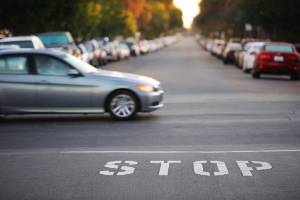
car crossing intersection in front of stop lineTraffic safety officials take certain precautions to keep drivers and pedestrians safe. Often, those measures are taken by analyzing driving patterns and traffic density.

One of the measures taken by traffic safety officials in Minnesota is the use of white safety lines called “stop lines” to designate the spot where drivers are meant to stop at an intersection. However, a recent study shows these lines were ineffective in keeping driver’s safe by getting them to stop sooner.

What Are Stop Lines?

Stop lines, also called stop bars, are white lines drawn on the road at intersections where there is a stop sign or traffic light. They are meant to show drivers where they should come to a full stop at the intersection.

These lines are often put in because of vision obstructions for other drivers on the road. Say the stop sign at a particular intersection is right at the intersection, this could potentially be troublesome for drivers who are making a turn that crosses the path of the vehicle stopped at the intersection – if the car at the stop sign is pulled all the way up to the sign, the car making the turn could scrape the front of the other car by not making a wide enough turn.

What Does the Study Show?

The study, which was conducted by the Minnesota Local Road Research Board, was carried out for over 14 years observing the metropolitan intersections where the stop lines are painted. The study found that the lines were ineffective at getting drivers to stop where they are meant to stop.

The Star Tribune reports that the study’s lead investigator, John Hourdos of the University of Minnesota, says that the stop lines are effective in slowing drivers down.

Hourdos tells the Tribune “stop lines do affect the driver’s approach behavior, so if they are used, they need to be used appropriately. Since they are not globally beneficial, they can be used on locations where vehicles are approaching at high speeds to slow down the unavoidable roll-and-stoppers.”

What was the Purpose of the Study?

Stop lines, or bars, are used almost everywhere in the United States. And although drivers are legally required to stop at stop signs and traffic lights, there is no law that says they must stop on or before the stop lines. That is why researchers wanted to review the effectiveness of the stop bars in reducing crashes and promoting driver safety.

Have Questions? Call Us Today

If you have been involved in a crash with a driver who did not stop at the designated stop lines of an intersection, you may be wondering what legal options are available to you.

The Bloomington-based car accident attorneys at TSR Injury Law are prepared to review your claim and see if you are eligible for compensation.

We do not charge you anything up front and only get paid if you do.

Call today to schedule a free consultation at (612) TSR-TIME