Assessing Fault for a Crash Involving a Vehicle Making a U-Turn

yellow u-turn sign in front of cloudy skySometimes you must make a U-turn to get where you are going. Other times, you missed a turn and need to head back the way you came.

The problem is that this is a dangerous maneuver. You can consider this a left turn, which you may know is much more dangerous than a right turn. Unfortunately, there is often a lot of confusion about who has the right of way in these situations, and it can lead to crashes and other drivers getting angry as they try to turn left while waiting for a U-turning driver to get out of the way.

Below, our experienced attorneys discuss fault for a crash involving a vehicle making a U-turn. If you were injured in a crash in Minnesota, give us a call today to discuss how we may be able to help. We have helped numerous crash victims secure compensation for medical expenses, lost wages and other damages. An initial consultation is 100 percent free.

What Does State Law Say About U-Turns?

According to Minnesota Statute 169.19 Subd. 2., you are prohibited from making a U-turn on a curve or crest of a grade if approaching vehicles cannot see you from a distance of 1,000 feet. You are also prohibited from making a U-turn if you cannot do so safely and without interfering with traffic.

It is also illegal to make a U-turn when a sign says you are prohibited from making a U-turn. Even though you have a green arrow, you are required to yield to the drivers who are turning right onto the road where you are making a U-turn. Unfortunately, drivers either do not know this or do not care. U-turning drivers often violate the right of way of right-turning drivers – they may do this because the drivers behind them are honking because they are waiting for the U-turning driver to get out of the way.

What Does This Mean for Assessing Fault?

When a Bloomington car accident lawyer reviews a crash involving a turn, he or she is going to try to determine who may have had the right of way. The driver who violated the right of way is likely to be found at fault for the crash.

Keep in mind that drivers turning left may also have the right of way versus a U Turning driver because they are often turning because they have a green arrow. Even if they are turning right on a red light, they probably have the right of way compared to a U turning car. If you want to make a U-turn and are concerned about making the drivers behind you angry, pull up and a little around the median to give them space to get around you. It should be possible to do this without getting in the way of left-turning drivers.

Assessing fault may be complicated if the driver who wants to turn right waves you ahead, but then your two vehicles crash anyway. Does this gesture give you the right of way as the driver making a U-turn? Can you still be found partially or fully at fault for the crash?

Impatience is often a factor in car crashes. It is important to wait to make a turn to be sure you have enough time and space to do so. If you are unsure about whether you have enough time, it is probably better to wait for more traffic to clear. You should not assume right-turning drivers will slow down or yield. They may not even be looking for you, as they assume they do not need to stop or yield because they have the right of way.

If possible, avoid making a U-turn, as it can be a dangerous traffic maneuver.

Call TSR Injury Law for Help After a Car Crash

Think the insurance company is going to fork over the compensation you need after a car crash?

Oftentimes, insurance companies deny or underpay claims, even when liability seems clear, and the victims’ damages are covered by the insurance policy. You need an experienced advocate at your side to aggressively pursue the compensation you need.

TSR Injury Law has been assisting crash victims for decades and has secured millions on behalf of our clients.

Free Consultation. No Upfront Fees. Call (612) TSR-TIME.

How Credibility Can Affect Car Crash Eyewitness Statements

blocks with trust spelled outEyewitness statements could go a long way toward validating a car crash claim. However, the witness must be believable because you can be sure the insurance company will attack the witness’s credibility. For example, the insurance company may say the witness did not have a good view of the crash or that he or she does not seem very certain of what he or she saw.

Below, learn more about eyewitness credibility and what factors into it. It is important to understand that a credible witness can help a claim, but a witness who lacks credibility could hurt a car crash claim.

If you were injured in a car crash and are unsure if an eyewitness may have good credibility, give us a call today to schedule a free consultation. Our experienced Minneapolis motor vehicle accident lawyers have helped many crash victims recover compensation. We can determine if you have a valid claim and if an eyewitness could help your case. There are no upfront fees for our services.

What Factors into Eyewitness Credibility?

When someone has good credibility, people trust what that person says. They believe he or she is being truthful and not lying. When someone lacks credibility, it is very difficult to take what they are saying seriously.

There are a variety of things that affect someone’s credibility, particularly if they witnessed a car crash. For example, a witness’s vantage point has a significant impact on what may have been witnessed. If a witness was a significant distance away from the crash, it is difficult to believe specific details about what they claim they saw because the witness’s view may have been obstructed by other things, like other cars.   A witness’s vision may also be an issue.  Do they wear glasses, was it dark out, how far away what the event they saw?

Another factor to consider is how much of the crash the witness saw. Did he or she watch the whole thing? Did the witness hear something and turn to look, meaning he or she did not see the whole crash?

However, even if a witness were close to the crash, his or her credibility could be in question. The witness may have looked away or been more focused on getting out of the way to stay safe.

Another factor affecting credibility is bias. For instance, if the witness is a family member or close friend, he or she may be more likely to say things that are favorable to your claim. Family members and close friends tend to feel a strong obligation to help.

There are many other factors that may affect the credibility of an eyewitness to a car crash:

  • Criminal record
  • How likely the witness’s account is
  • Whether the witness is hard of hearing or visually impaired
  • Whether he or she made contradictory statements
  • What the witness was doing before and during the crash
  • If the witness is easily confused
  • If other evidence contradicts what the witness says
  • If others say the witness has a reputation for regularly lying
  • Whether the witness had been drinking or using drugs
  • Whether the witness’s testimony is supported by the testimony of other witnesses

If you talk to witnesses at the scene, make sure to get their contact information and provide this to your attorney. If you have suspicions about whether a witness is telling the truth, relay that to your attorney.

TSR Injury Law has managed countless car crash claims and we know how to determine if an eyewitness has good credibility and may help strengthen your claim. For example, sometimes the damage to the vehicles involved and the injuries suffered by the crash victim are enough to validate a claim. Even though there may be witnesses, their statements may not be needed.

Each car crash is unique, which is why it is so important to have an experienced lawyer managing your claim. The insurance company is working against you and those who hire attorneys often recover more compensation compared to those who do not.

Need Help with Your Car Crash Claim? Call Today

For more than two decades, the attorneys at TSR Injury Law have been assisting car crash victims and we have obtained millions in compensation on their behalf.

We know how important it is for crash victims to recover full compensation for the damages they have suffered as they try to move forward. If we validate your, we are committed to pursuing maximum compensation. There are no upfront fees or obligations, which means no risk to you in contacting us.

TSR Injury Law. A firm you can trust. Call (612) TSR-TIME.

Could You Benefit from a Second Opinion About Your Crash-Related Injuries?

Current image: Doctor Talking to Patient About Symptoms Social

You could greatly benefit from seeing another doctor to review your diagnosis and treatment plan. Even though the second doctor may concur with the first’s opinion, this should offer you some peace of mind.

Below, learn more about the potential benefits of seeking a second opinion about your crash-related injuries. You want to make sure all your injuries are being treated appropriately so you have the best chance to make the best physical and legal recoveries possible.

You also want to be able to include all your medical costs in your claim for compensation. You do not want treatment expenses to be left out of your claim, meaning you must pay them out of your own pocket. Another doctor may recommend another treatment the first doctor did not, potentially improving your recovery.

Reasons You Might Want a Second Opinion

Crash victims often seek additional treatment after the emergency room when they notice new or worsening symptoms a few days after the crash. This is not necessarily a second opinion.  It is more akin to simply getting more treatment outside the emergency room setting which is usually one stop.  Once a continuing treatment plan is chosen, such as chiropractic or physical therapy treatment, it is common to seek a second opinion if the pain plateaus or gets worse.  Medical doctors, pain management specialists, neurologists or surgeons are all viable options to make sure your treatment plan is working for you.

Another common reason for seeking a second opinion is concern the doctor is not doing enough or is taking the wrong approach. For example, maybe you think the doctor could do more to reduce your level of pain. Maybe you have heard about alternative treatments, or you know someone else who had a similar injury and was treated differently.

It is very important to trust your doctor and the treatments he or she is recommending. If you do not trust your doctor, you may be less likely to continue treatment, which could hurt your chances of recovering fully both physically and legally

When a doctor recommends surgery, you should carefully weigh the pros and cons of the procedure. Make sure to get answers to your questions and if you are still uncertain about the surgery, getting another opinion may be a good idea. The second doctor may agree with the first doctor, and that should help reassure you that surgery is a good option.

However, the other doctor may disagree with the first. If this happens, you have a lot to think about. The important thing is that you make a well-informed decision that you feel comfortable with, but you should be naïve and fail to understand the insurance company’s view of your injury if your own doctors cannot agree.

If the first doctor you saw is a general practitioner, or is not board-certified, it may be wise to seek an opinion from another doctor whose sole focus or accreditation is on the injured area of your body.

Another reason for seeking a second opinion is if your treatment seems to be progressing poorly. If you have talked to the doctor about it and you do not feel like he or she is listening or making changes to your treatment, a second opinion may be warranted.

Your health is your top priority after a crash, and if you think a second opinion would help, you should give it some serious thought.

If you are concerned about how this may affect your claim for compensation, give your attorney a call and ask. At TSR Injury Law, we are committed to answering your questions promptly and returning your calls.

When Might Insurance Companies Request a Second Opinion?

You seeking a second medical opinion is very different than the insurance company seeking one.  The insurance company will be looking for some way to deny your claim or pay less than its full value. One option may be to request an “independent medical exam” better known as an “adverse exam”.

It is important to discuss a request for an independent medical exam with your attorney. He or she can advise you on whether you are required to go through with it and help prepare you for it. Your lawyer’s advice may help you protect the value of your claim during the exam. There is nothing independent about an insurance exam.  Your attorney will cover the rules of what you are required to do and what are oversteps by the insurance company.  The attorney will also be able to overturn the exam’s results and make sure your bills get paid.

Need Help After a Collision? Call Today with Your Questions

Our licensed Bloomington vehicle collision lawyers at TSR Injury Law have been assisting crash victims for decades, and we have a record of getting results for our clients. If you were injured in a collision and have questions about your claim, give us a call as soon as possible.

Our firm takes car crash cases on contingency, which means no upfront fees or obligations. We are not paid unless our clients get paid. That means there is no risk in contacting us to discuss what happened and learn how we may be able to help you during this difficult time.

We are ready to take your call. Ph: (612) TSR-TIME.

Minnesota Has Recorded 202 Traffic Fatalities in First Six Months of 2021

highway leading into minneapolisWe are just six months into the year, and already more than 200 people have died on Minnesota roads. Minnesota Department of Public Safety (DPS) data show there have been 202 traffic fatalities in the first half of the year, the first time this happened in more than 10 years.

This is an increase of 54 deaths compared to the same period last year. However, in 2020, the 200th traffic fatality occurred only one month later than it did this year.

While the crashes that caused these deaths have a variety of causes, many were the result of speeding, and drunk or distracted driving. Not wearing a seat belt also contributed to fatal injuries in these crashes.

Speeding was a factor in 40 percent of the deaths in the first half of the year. There were 80 deaths that resulted from crashes involving speeding – there were just 49 speeding-related deaths at this point last year. This is also the most speeding-related deaths in the first half of the year since 2009.

Drivers continue to drive over the speed limit despite attempts by the State Patrol to crack down on speeding, according to an article from the StarTribune. Between June 10 and the beginning of the year, 38,819 motorists had been cited for speeding and 550 tickets had been written for drivers who were traveling at a minimum of 100 miles per hour. This month, there will also be a speed enforcement campaign to discourage speeding.

There were 46 people who were not wearing their seat belts who died in the first six months of the year. Another 45 died in crashes involving alcohol and five people died in crashes involving a distracted driver.

Drunk driving is one of the biggest problems on the July 4 weekend. In 2019 alone, 38 percent of crashes that happened during this holiday weekend were a result of drunk driving, according to the Insurance Institute for Highway Safety. The July 4 holiday weekend is the second-worst holiday for drunk driving, as nearly 3.5 drivers are arrested every hour.

These are behaviors drivers “can and need to control,” said DPS Office of Traffic Safety Director Mike Hanson.

“What is it going to take for drivers to understand the importance of driving smart?” said Hanson.

The National Safety Council predicted 580 motorists will die over the July 4 holiday weekend. Minnesota DPS data show there was an average of five deaths and 1,500 injuries on the July 4 weekend from 2013 to 2018.

Injured in a Crash? Call TSR for Legal Help

Our experienced car crash attorneys in Minneapolis offer a free consultation to crash victims to discuss their legal options. We understand this is a difficult time and we are prepared to help.

There are no upfront fees for our services, and we have a proven track record of success, having recovered millions in compensation on behalf of our clients.

Give us a call today to learn more. (612) TSR-TIME

What Should I Do After a Minneapolis Crash? Exchange Information or Call the Police?

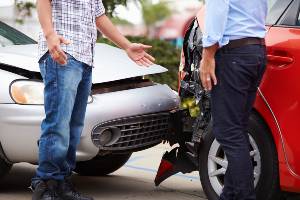
argument in front of damaged cars

Some crash victims do not want to make a big thing out of a crash. They would prefer to exchange information with the other driver and leave. They figure they can deal with the aftermath of the collision on their own without calling the police.

Below, the experienced Minneapolis auto accident lawyers at TSR Injury Law talk about the steps you should take after a collision. We also explain why it is usually a good idea to call the police after a crash, even if you think you only have minor injuries.

If you have questions about what to do after being involved in a car crash, give us a call to set up a free consultation. We have helped many Minneapolis crash victims secure the compensation they needed for a car crash injury.

TSR Injury Law. Experienced Lawyers. Proven Results. Call (612) TSR-TIME.

Why Only Exchanging Information May Be a Bad Idea

You could run into trouble if you do not call the police after a crash. Here are a few of the reasons why:

How Do You Know the Other Driver Is Being Honest?

How do you know the other driver is giving you accurate information, including his or her:

  • Real name
  • Phone number
  • insurance information

Even if he or she shows you a valid driver’s license and insurance card and sends you a text message so you have the phone number in your phone, he or she may not return your calls.

People often forget or put off updating their driver’s license. The address on it may no longer be correct.

Sometimes at-fault drivers rush through exchanging information. They may say they have an appointment to get to or some other obligation.

They may seem nice and like someone who will take responsibility for their actions. The fact is you do not know them and there is no way to know if you can trust them.

You May Not Be Able To Seek Compensation Without a Police Report

If you call the insurance company, they may deny liability. They may claim you do not have a case because you did not call the police.

Even though Minnesota is a no-fault state, it is important to have a police report from the scene of the crash because:

  • Some insurance policies require a police report to set up a claim.
  • The at fault party may change their story and when you try to make a liability claim, it is denied.

It Can Be Harder To Prove Fault

If you do not have a police report, it may be difficult to establish fault. If the driver leaves the scene, you will not have pictures of the damage to his or her vehicle. The insurance company may say the crash could not have been that big of a deal because you did not call the police right away.

Your Injuries May Be More Severe Than You Realize

It may take a few hours or days for symptoms to develop, and by that point you could be dealing with a significant amount of pain.

If you do not call the police or seek treatment right away, you are giving the insurance company room to claim your injuries were caused by something else.

Linking Your Injuries and the Collision

It is important to establish a strong connection between your injuries and the accident. You can do this by calling the police right away, seeking treatment, and contacting a licensed attorney to help review your options. When victims treat a crash as a serious situation, it becomes more difficult for insurance companies to say otherwise.

When Are You Required to Call the Police After a Minneapolis Crash?

Leaving the scene of a crash without calling the police may be illegal, depending on the details of the crash. Under state law, those involved in collisions that result in bodily injury or death must provide notice to:

  • Local police if the crash happened within a municipality
  • State patrol if the crash happened on a highway
  • Office of the sheriff of the county

What Are the Penalties for Not Reporting a Crash in Minneapolis?

Minnesota imposes severe penalties on drivers who fail to report a crash that results in injury or death:

  • In case of a fatality:
    • If the collision results in the death of another person, and you, as the driver, fail to report it, you are facing serious consequences.
    • The law considers this a felony.
    • The penalties can include imprisonment for up to three years, a fine of up to $5,000, or possibly both.
  • In case of great bodily harm:
    • If the accident results in “great bodily harm” (a term legally defined in section 609.02, subdivision 8), not reporting it is also a felony.
    • Penalties include imprisonment for up to two years, a fine of up to $4,000, or both.
  • In case of substantial bodily harm:
    • For accidents causing “substantial bodily harm” (as defined in section 609.02, subdivision 7a), the penalties are slightly less severe but still significant.
    • You could face imprisonment for up to 364 days, a fine of up to $3,000, or both.
    • Additionally, if the collision results in any kind of bodily harm and you fail to report it, you may be sentenced to imprisonment for up to 364 days, or a fine of up to $3,000, or both.

What if it Was Just a Fender Bender?

You might think it is unnecessary to call the police after a fender bender where there are no injuries and only minor damage. However, there are compelling reasons to consider making that call.

A Police Report Provides an Official Account of What Happened

This can be crucial if there are disputes about what happened, and there often are. Insurance companies may be less likely to believe a crash occurred if there is no report.

Minor Damage May Be Worse Than You First Think

What appeared to you as minor damage initially may turn out to be more significant upon closer inspection. Having a police report can simplify the process of claiming insurance coverage for such hidden damages.

Police Reports May Help Resolve Disputes

In cases where the other party seems uncooperative or there is a disagreement about the events, police intervention can help to document the scene.

Ultimately, while it might be legally permissible to skip calling the police for very minor incidents, doing so provides a layer of protection and documentation that can be valuable in the long run, especially in dealing with insurance matters and potential legal disputes.

6 Steps To Take After a Minneapolis Collision

Here is a straightforward guide that outlines the steps you should take after being involved in a crash. These steps are about protecting your health and your legal rights:

  • Move your vehicle away from traffic – This is essential for the safety of everyone in your vehicle. You do not want to get hit by an approaching car, which could cause additional injuries. Turn on your hazard lights and, if you have them, set up road flares behind your vehicle.
  • Check yourself and your passengers for injuries – You may be able to provide first aid to help stabilize certain injuries. You also need to know if someone has a life-threatening injury. When you call 9-1-1, you can tell the operator and they may be able to give you tips on saving the person’s life while you wait for the ambulance to arrive. Remaining calm is critical, as it will help you manage the situation effectively.
  • Report the accident – Immediately call 9-1-1. Provide detailed and factual information to the police, offer your driver’s license and insurance details and get the officers’ names and badge numbers. If police cannot reach the site, you can file a report at a local police station.
  • Document the scene – Take out your smartphone and take pictures of your vehicle and the other driver’s vehicle. It is helpful to get pictures from different angles. You can also take pictures of street signs, crash debris, visible injuries and anything else that may help insurance companies and lawyers understand what happened.
  • Exchange information – Exchange contact and insurance details with the other driver. If there are witnesses, be sure to request their contact information too. This step is critical, whether you call the police or not.
  • Seek medical attention – Even if you feel fine, some injuries manifest later. A medical professional can assess and document any injuries, which is crucial for insurance and legal purposes.

Following these steps can help protect your interests and ensure a smoother process in dealing with the aftermath of a car accident. Remember, your actions immediately following an accident are critical in safeguarding your rights and well-being.

Contact TSR Injury Law Today To Schedule Your Free Legal Consultation

Give us a call today to learn more about how our experienced attorneys may be able to help you. We have assisted many car crash victims over the years, securing millions in compensation through settlements and courtroom verdicts.

There is no risk in contacting us for help because there are no upfront fees for our services. We do not get paid unless our clients get paid, which means there are no fees while we work on your case.

Check out our client testimonials page to see what our past clients had to say about their experience working with us.

TSR Injury Law. We are here to assist you. (612) TSR-TIME

Should You Talk to a Lawyer First or File an Insurance Claim?

Current image: Woman Studying Vehicle Damage Social

Most drivers do not think about what they would do after a crash. They either do not want to think about a crash or they think they will simply figure out what to do if a crash happens.

However, your actions after a crash could go a long way in helping or hurting your claim for compensation. For example, if you talk to the insurance company before talking to a lawyer, you might say things that devalue your claim or give the insurance company a basis for denying your claim.

Below, learn more about the benefits of talking to a lawyer before talking to the insurance company. Learn how insurance company representatives often mislead crash victims and even try to trick them into saying things that hurt their claim.

Call TSR Injury Law for help after a crash. (612) TSR-TIME

Dangers of Talking to the Insurance Company First

Crash victims often contact a lawyer after filing an insurance claim. In some cases, the victims themselves reach out to the insurance company first, while in others, the insurance company contacts the victim first.

While many of these victims may end up recovering compensation, particularly the ones who hire attorneys to represent them, there are some risks in talking to the insurance company before talking to a lawyer. These risks are present even if you only want to file a claim and not discuss much else.

Why Insurers Contact Victims

Consider the reasons why the insurance company would contact a victim first. Are they doing it because they want to ensure you receive the compensation you need? Are they really trying to do their best to help take care of you like their advertisements say they are?

Remember that insurance companies are businesses. Their number one goal is to make a profit so they can stay in business. They would not be able to stay in business if they fairly compensated every person who files a claim. They have an incentive to deny or devalue claims whenever possible. The less they pay on claims, the more profit their shareholder’s gain.

That means the insurance company is probably contacting you to find some way to deny or devalue your claim. To help them accomplish this, they often ask for details about your injuries and what you remember about the crash, but they also may suggest a quick (cheap) settlement “to help you” or ask for information they have no right to. Without legal guidance, damage or elimination may be done to a legitimate claim

Protecting Your Claim When Talking to the Insurance Company

You do not need to have a long conversation about the crash. If you just want to file a claim you can provide the date, time and location of the crash and say you have or are seeking treatment for your injuries. You could also tell the insurance company where your car has been taken. You do not need to discuss anything else and there is no obligation to allow a recording of the conversation.

Getting into a long conversation about the crash plays right into the insurance company’s hands. Insurance company representatives may seem friendly and helpful, but your best interests are not theirs.

Discussing the severity of your injuries may seem harmless, but the insurance company will try to use statements about the seriousness of your injuries against you. Crash victims tend to downplay the severity of their injuries, which can hurt a claim for compensation. If you say, “I’m OK,” or “It is not that bad,” or “I am sure it will go away”, the insurance company may use those statements as a basis to deny your claim or later make a lowball offer.

You may think you know exactly what happened in the crash, but you may have some details wrong. It is human nature to be stressed and mix up or forget key details. Statements you make right after the crash may be contradicted by statements you make later in the claim process or by the police report

No matter what the insurance company tells you, you do not need to settle the claim right away. You do not need to accept the first offer the insurance company makes – this is never the final offer they will make. They are trained to use subtle, and sometimes not subtle, pressure to make victims think they must quickly settle or “lose out.” Some will even threaten the offer will disappear if you call a lawyer or suggest the “lawyer will take some of the settlement so why pay them for the getting the same offer.”

Pros of Talking to a Lawyer First

Despite what the insurance company may tell you, you have the right to talk to a lawyer and you will not be hurting your case. In fact, instead of talking to the insurance company about the crash, you could simply refer them to your lawyer.

The main thing to remember about a lawyer is that he or she will be committed to your best interests. Your attorney’s goal is to secure maximum compensation for your damages, which is also your goal. Compare this to the insurance company, which is looking for a way to deny or underpay your claim.  Claimants with attorneys get more compensation offered. Even after paying the attorney fee, you end up with more.  There is usually no fee for property damage, undisputed medical bills or wage loss so the insurance is lying by suggesting you would get less if you hire an attorney. The opposite is true. You get more, do not have to deal with the insurance and the paperwork will be done correctly.

Attorney-Client Privilege

Once you hire an attorney, your conversations are protected by attorney-client privilege. That means the things you discuss cannot be disclosed to the insurance company and potentially used against you. For example, you may be concerned about how your preexisting medical issues may affect your claim, and you can have a private conversation about this with your attorney. You can also discuss concerns you may have about being partially at-fault for the crash.

Your Lawyer is Committed to Your Best Interests

By calling a lawyer first, you can get an objective opinion about whether you may have a valid case. Attorneys are unlikely to recommend filing a claim unless they think there is a case, and they are likely to obtain compensation. Injury attorneys, like those at TSR Injury law, do not get paid unless their clients get paid.

Injured in a Car Crash? TSR Injury Law is Here to Help

Have questions about what to do after a crash? Unsure about your options for pursuing compensation?

It is often in the best interest of a car crash victim to seek legal help from an experienced attorney. At TSR Injury Law, we have been helping car crash victims for over 25 years and have secured millions in compensation on their behalf.

An initial consultation with a licensed Minneapolis auto accident attorney is free. There are also no upfront fees for our services.

Learn more. Call today for legal assistance. (612) TSR-TIME

Am I Allowed to Switch Lawyers After Filing an Auto Accident Claim?

concerned woman looking at phoneOne of the main reasons car crash victims hire attorneys is so they can manage the legal process. That way, crash victims can focus on their treatment and know their claims are being managed properly.

The last thing victims want is to feel like their lawyer is not doing a good job. Not only does this raise questions about whether they will receive compensation, it may also cause victims to think about changing attorneys.

Below, our licensed Bloomington auto accident lawyers discuss switching lawyers in the middle of a claim. If you have questions about seeking compensation for a car crash injury, give our firm a call to schedule a free legal consultation. Our firm has obtained over $1 billion in compensation on behalf of our clients.

Free Case Review 24/7. Ph: (612) TSR-TIME.

Is it Too Late to Make a Switch?

This is an important question to consider if you are unhappy with your attorney. If a lawsuit has been filed, it may be next to impossible to get another lawyer to agree to take on your case. In fact, the judge in the case may not allow it.

Even if a lawsuit has not been filed, it may be difficult to make a change in the middle of settlement negotiations with the insurance company. Injury attorneys are not paid by the hour. They receive a percentage of the end result settlement or jury verdict.  They also recover fronted costs to pursue the case. If another lawyer has been working on your case and is fired, he or she is still entitled to recoup for their time and expenses fronted. The fired attorney will file a lien with the involved insurance companies and their name may be added to any checks that are sent after settlement.

Wrapping up a case is often the hardest part. A new lawyer has to take over the case, often fix errors or redirect the case to a more positive direction. The new attorney may not want to assume the risk and work of a new case and have to repay the first attorney for their time and expenses. More work and less pay is often not enticing for any professional.

As a general rule, the less time the prior attorney has worked on the case, the easier it is to switch.  If you are unsure if it may be too late to make a switch, you can reach out to another attorney you are considering and schedule a free consultation. Most personal injury law firms offer a free initial consultation to answer questions about taking legal action, including our law firm.

Do You Have a Good Reason for Making a Change?

Before making a change, you should review why you want to change lawyers. Injury victims often have many misconceptions about the legal process, and they are often anxious to recover compensation because of mounting medical bills or missed time at work.

Concerns About Delays

If you want to make a change because you think things are taking too long, that may not be true. Typically, claims are not settled until the victim has healed or reached maximum medical improvement. That could take several months or even years.

Delays are not always the fault of the attorney. Insurance companies are notorious for dragging their feet and making lowball offers. Insurance companies want to give attorneys and the victims they represent as little time as possible to file a lawsuit before the statute of limitations for filing a lawsuit runs out.

If you have concerns about how long it is taking, call your attorney to ask for an update. Your attorney should get back to you promptly and give you a detailed update. Experienced attorneys should understand concerns like these and be able to reassure their clients.

Talking to Your Lawyers

One of the biggest complaints from clients is their attorneys do not respond to calls or emails.  If you are unhappy or have questions, reach out to your attorney.  Give them a reasonable amount of time to respond.  If despite your best effort to get answers, there is no response, then you might want to consider making a change.

Another complaint is when attorneys miss deadlines or constantly ask the insurance company for more time.  This may indicate the attorney lacks experience or has taken on more cases than he or she can handle.

You should be able to trust your attorney and be able to communicate with him or her on a regular basis. Your lawyer should be interested in explaining things to you to help give you peace of mind.

The attorneys at TSR Injury Law are committed to answering your questions from the first day we represent you until the resolution of your case. We use teams of attorneys, secretaries and paralegals to always work on your case and communicate and respond to questions. The attorneys give out their cellphones and will always text, email or call back in a reasonable time. We believe in building strong relationships with clients because this is a difficult time in their life.

Lack of Relevant Experience

Another good reason for making a change is if you find out the attorney has not managed cases like yours before. This is something to research before hiring an attorney. If your attorney does not have much experience with car crash cases, or with injury cases like yours, he or she may be less likely to build a strong case or be able to recover maximum compensation.

Lack of Courtroom Experience

It is also important to have an attorney who regularly takes cases to court. It is unlikely you will need to go to court because most cases settle. However, insurance companies know the attorneys who rarely go to court. Insurers may not feel the need to make a better settlement offer to these attorneys because insurance companies do not think there is much of a chance of a lawsuit being filed.  Without the fear of a potential jury verdict, there is no pressure to make the best most fair offer.

Call TSR Injury Law to Discuss Your Claim

Our firm works on contingency, which means our attorneys are not paid for their services unless our clients get paid. We do not charge fees up front before taking a case or working on a case. That means working with one of our licensed attorneys comes with no risk.

If you have any questions about the crash or your insurance claim, give us a call. We have obtained tens of millions in compensation for our clients, many of whom were injured in motor vehicle crashes.

TSR Injury Law is here to help. Call (612) TSR-TIME to learn more.

What You Need to Know About Verbal Settlement Agreements For Minneapolis Injury Claims

man making phone call from couchTalking to the insurance company after a Minnesota car crash is dangerous because you may be tempted to accept a settlement.

Insurance companies may make a property damage offer and add a few hundred for the rest. You might verbally agree because you are desperate for compensation and do not know how much your case may be worth. You might not know property claims cannot be bound to injury claims as “take it or leave it” offers.

Backing out of a verbal settlement agreement can be complicated. You should discuss the situation with an experienced attorney before signing anything. A lawyer may still be able to negotiate for more compensation.

Call the Minneapolis-based auto accident lawyers at TSR Injury Law for a free legal consultation.

No upfront fees or legal obligations. Call (612) TSR-TIME.

What is a Settlement Agreement in a Minneapolis Personal Injury Case?

Settlements are legally enforceable contracts signed by two or more parties to resolve a dispute. A Minneapolis car crash settlement is typically a written agreement between the victim of a car crash and an insurance company. The settlement ends the victim’s claim against the insurance company in exchange for compensation for damages.

The settlement also includes a section releasing the insurance company from any future liability for damages from the crash. Once the agreement is signed and compensation is paid out, the victim is barred from seeking any more compensation from the insurance company for the crash.

How are Settlement Agreements Reached?

Sometimes the victim of a Minnesota car crash files a claim on his or her own and reaches a settlement with the insurance company. Some crash victims hire an attorney and he or she negotiates a settlement with the insurance company.

When working with an attorney, he or she begins the process by investigating the crash and the victim’s damages and then drafts a demand letter requesting a certain amount of compensation. The demand letter explains why the victim should receive compensation and includes evidence to back up the argument. The insurance company typically rejects the attorney’s first offer, which starts the negotiation process. Both sides are likely to go back and forth until they reach an agreement.

Can You Verbally Agree to a Settlement?

Accident victims could verbally accept a settlement offer in a phone conversation with the insurance company or in person at the company’s office.

Verbal agreements can be difficult to enforce, so you may be able to rescind your acceptance in writing. The agreement might not be legally binding until you sign it.

How Should I Respond to a Settlement Offer?

When you think about when to accept a settlement offer, remember that you do not have to say “yes” or “no” right away. You should not be making decisions on the insurance company’s timeline, no matter how hard the adjuster pushes you for an answer. You need to do what is in your best interest.

You can tell the adjuster that you need time to consider the offer. You can also tell the adjuster you plan to discuss the offer with your lawyer.

It is perfectly OK to have second thoughts or feel apprehensive about accepting a quick settlement offer. The insurance company is only trying to scare you when they say you will not get any compensation if you reject their first offer. This is an intimidation tactic. They are just trying to mislead you.

Why You Might Have Second Thoughts About an Insurance Settlement Agreement

Initial settlement offers are often inadequate because it is not in the insurance company’s best interests to offer full compensation.  Their profit margin is enhanced every time they can quickly settle for $1,000. when a case is truly worth $10,000 or more.

It is also difficult to assess the value of a claim so early in the process. Victims need to finish their treatment, and doctors need to see if your injury will have any long-term effects. It is only at that point that doctors can determine if you need ongoing treatment or if your injuries will impact your ability to work or live the rest of your life pain free.

If doctors and your attorney need time to determine the value of your case, there is no way the insurance company can know what it may be worth.

Your lawyer needs time to assess your damages, which may include:

  • Emergency transport from the scene of the crash
  • Hospitalization
  • Medical testing right after the crash and during your treatment
  • Prescription and over-the-counter medication
  • Lost wages
  • Lost earning capacity
  • Physical therapy
  • Rehabilitation
  • Pain and suffering
  • And more

Can a Verbal Settlement Offer be Rescinded?

This is a complex question and multiple factors need to be considered to answer it.

For example, did you agree to the insurance company recording your phone conversation? If so, and you said you agreed to a settlement offer, it will be more difficult to undue the contract. Text messages or emails could also be used against you if you try to rescind your acceptance of the insurance settlement agreement.

However, verbal settlement agreements may have a hard time holding up in court. One of the issues that may need to be decided in court is whether you verbally agreed with the intent to stick to the agreement. If there is proof of this, including proof you later changed your mind, the insurance company’s position may be favored.

Was the agreement for property damage and got expanded to all matter? The greater the overreach, the easier it is to cancel the agreement.

It is very important that you do not sign anything until discussing it with a lawyer. While the insurance company is focused on paying out the smallest settlement, an experienced attorney should be focused on obtaining maximum compensation.

Making Insurance Companies Wait

You may be concerned about making the insurance company wait. However, insurance companies often try to convince crash victims they need to accept the first offer because there will not be another one. This is often not the case, particularly when you have an attorney advocating for you.

Insurance companies often argue “why hire an attorney? They will simply take half of your settlement.” This is not true. Some services like property damage and medical bills paid by no fault are done without a charge.

In addition, well known statistics show people with an attorney often get three times the settlement as those without representation. So even after paying a fee, people with attorneys come out ahead and have the comfort of knowing the settlement was done legally correct.

You have the right to discuss a settlement offer with an attorney before agreeing to it. If you already gave verbal acceptance, you may need to formally rescind your acceptance offer. This is something an attorney should be able to assist you with. You should call a lawyer right away, because, if you delay, the insurance company may use this against you.

What Happens if You Sign a Settlement Offer?

Once you sign a settlement offer, it is very unlikely you will be able to back out of it. Settlement offers usually contain clauses releasing insurance companies from any future liability for the accident in question.

That is why you need to be certain the settlement offer provides all the compensation you will need. The best way to do that is to talk to an experienced lawyer about it. The lawyers at TSR Injury Law are focused on your best interest and will fight to recover maximum compensation.

What if My Injury Gets Worse Later?

Your injury could worsen after you sign the settlement agreement and you have received all your compensation. However, you cannot pursue more compensation at this point.

You need to make sure the settlement provides compensation for any medical expenses and other damages you may accrue in the future. You also need to account for worsening of your injury. This is something your lawyer can evaluate by reviewing medical records, talking to doctors and possibly medical and economic experts.

Was the Agreement Reached in Good Faith?

Unless you can prove the insurance company committed fraud, coerced you into settling or you can prove a lack of mental capability to understand the contract, it is unlikely you would be able to seek more compensation. In other words, the settlement may be unenforceable if it was entered into in bad faith.

That said, it is very difficult to prove a settlement was not agreed to in good faith.

Need Help After a Minneapolis Car Crash? Set Up a Free Consultation Today

Car crash claims are often worth more than the insurance company says they are. Their goal is to pay out the least possible amount to protect their bottom line.

That is why it is important to meet with a licensed attorney to discuss your claim. TSR Injury Law has obtained over $1 billion in compensation on behalf of our clients. Your initial consultation is free, and there are no upfront fees while we work on your case.

Call Today for Legal Assistance. Phone: (612) TSR-TIME.
How Crash Damage May Be Used as Evidence of Speeding

black speedometer in carDo you think the driver who caused your crash was speeding?

Proving the other driver was speeding may be difficult without the help of an experienced attorney who has taken on these cases before. You need a lawyer who knows how to obtain evidence of speeding. For example, it may be possible to prove speeding by citing damage to both vehicles.

Victims of speeding-related crashes should consider seeking experienced legal help. The attorneys at TSR Injury Law have recovered millions in compensation on behalf of car crash victims. We have been assisting injury victims in Minnesota for more than 20 years.

What Vehicle Damage May Say About the Cause of the Crash

Rear-end crashes result in damage to the lead car’s bumper and damage to the rear car’s front end. Depending on the speed of the crash, there could also be damage to the engine block, radiator, or other things under the hood. The faster the rear car is traveling, the more likely it is to sustain significant damage from the crash.

Rear-ending another car at high speed may indicate distracted driving, as a driver who was paying attention may have been more likely to slow down sooner and avoid a crash or not hit the lead car as hard. However, it could also indicate speeding, as a car traveling at a slower speed may have been more likely to stop and avoid a collision.

This is just one example of how vehicle damage may indicate whether the at-fault driver was speeding. The collision rating for your vehicle may also indicate how fast the other vehicle was traveling when the collision occurred.

Vehicle manufacturers have collision ratings for all their vehicles. Collision ratings describe the amount of damage done based on the speed of the at-fault driver’s vehicle. When your car is taken to a repair shop to assess the value of damage, the shop will look at the damage done and link that to the appropriate collision rating. This may indicate if the other driver was traveling over the speed limit.

Your attorney may want to bring in an accident reconstruction expert, and this person may refer to vehicle damage to describe the cause of the crash. For example, if the speed limit where the crash occurred was only 25 or 35 miles per hour, and your vehicle sustained catastrophic damage, this may serve as proof the other driver was speeding.

Other Evidence to Build a Case for Speeding

Fortunately, vehicle damage is not the only form of evidence that may help your lawyer prove speeding. Other physical evidence from the scene may indicate speeding.

For example, skid marks may indicate the speed of the at-fault driver’s vehicle. Cars that were speeding are likely going to leave longer skid marks compared to cars that were not speeding. Cars that are speeding also take longer and need more room to stop compared to cars that are not speeding.

Road debris may also be indicative of speeding. The faster vehicles are traveling, the farther debris may get flung from the point where the two vehicles collided. If possible, take pictures of debris created by the crash. If you can, get pictures from many different angles, as this can better help your attorney assess the speed of the vehicles involved in the collision.

Other types of evidence that may help prove another driver was speeding includes:

  • Police reports – The police report should list traffic citations issued for the crash. The officer may also give his or her opinion as to who caused the crash and why.
  • Witness statements ­– Witnesses in other cars or pedestrians may have seen the crash. While they cannot know how fast the vehicles were traveling, he or she may be able to tell if one car looked like it was speeding. For example, if a car was weaving in and out of traffic, the driver was likely speeding.
  • Camera footage – Dashcam footage or security camera footage may be available. Your attorney may be able to use the footage to prove the other driver was speeding.                          

Call TSR Injury Law Today to Schedule a Free Consultation

Speeding continues to be one of the leading causes of car crashes, and many of these crashes result in serious injuries or fatalities. Victims and their loved ones should seek experienced legal representation, as those who hire lawyers often recover more in compensation compared to those who do not.

The initial consultation with one of our experienced Minneapolis auto accident lawyers is free of charge and there is no obligation to take legal action after this meeting.

TSR Injury Law. Millions Recovered. Call (612) TSR-TIME.

How Motorcycle Bias Might Affect Your Claim for Compensation

motorcycle rider in the summertimeAs it warms up outside, motorcyclists are more likely to hit the road to take advantage of the summer weather. Before you get out on the open road, it is important to remember to take appropriate safety precautions. A crash could result in severe, life-altering injuries, and recovering compensation could be challenging because of motorcycle bias.

Even if you have never been in a crash, you may have experienced some of the preconceived notions about motorcycle riders, such as the assumption that most riders engage in reckless behavior and have little concern for their safety or the safety of others on the road.

Our experienced Minneapolis motorcycle accident lawyers discuss motorcycle bias and how it may impact a compensation claim for crash-related damages.

Motorcycle crash victims should strongly consider seeking legal counsel, as victims represented by attorneys often receive more compensation than those who do not have a lawyer. At TSR, there are no upfront fees, and the initial consultation is free.

What is Motorcycle Bias?

There is no official definition of motorcycle bias. The term was created to describe the types of biases people often hold about motorcycle riders. You could also refer to these biases as stereotypes.

People who are biased against motorcyclists may assume riders are to blame for a crash, even if they did nothing wrong. Perceptions like these are often not based on statistics, but personal experiences. For example, maybe someone once saw a motorcycle rider popping wheelies on the interstate, and this has contributed to his or her perception of motorcycle riders.

People may also allow portrayals of motorcycle riders from TV shows and movies to influence their perceptions about motorcyclists. For example, people may think many riders are in gangs or have criminal records. Movies often show chase scenes with bikers speeding and running lights. People may not like loud pipes and think all bikers are obnoxious.

Unfortunately, at-fault drivers, police officers, insurance companies, judges and juries may all display some level of motorcycle bias against riders who are seeking compensation. This unfair bias can make it harder for riders to recover full compensation for their injuries.

How do I Fight Against Motorcycle Bias?

Some people, particularly those who work for insurance companies, may never change their preconceived ideas about motorcycle riders. Even if an insurance adjuster has a reasonable opinion about motorcyclists, he or she may still manage a motorcycle crash claim in a way that seems biased against the rider. Insurance companies are all looking for a way to deny or devalue a claim. 20 percent fault for being on a bike is the norm.

Despite these biases, there are things you can do to show you are a responsible rider, which may make it harder to dispute the validity of your claim.

Wear a Helmet

Even though you are not required to wear a helmet if you are at least 18 years old, wearing a helmet could reduce your risk of serious or fatal injury in a crash. Wearing a helmet is also the responsible thing to do.

You can be the sure the insurance company will try to use the failure to wear a helmet against you when you are seeking compensation. They argue “the head injury would not have happened if she was wearing a helmet, so we are not responsible for all the damages.”

Get a Helmet Camera

Another step you could take is to install a helmet camera. The footage may go a long way toward establishing what happened in the crash and potentially proving the fault of the driver. It can prove the biker was not speeding or acting in any unreasonable manner.

Be a Safe Driver

Following traffic laws and avoiding reckless driving can help prevent the police from issuing traffic citations. Even though your past driving record should have no bearing on your claim for compensation, the insurance company may try to use it against you.

Seek Treatment Immediately

Getting to the hospital right after the crash is an important step that helps to establish a solid connection between your injuries and the crash. For example, if the crash happened at 5 p.m. and you get to the hospital an hour or two later, it is difficult for the insurance company to argue that something else caused your injuries.

If you wait a day or more to go to the hospital, however, the insurance company may say you suffered an injury somewhere else after the crash. Not seeking treatment right away makes it seem like you are not taking the situation seriously.

Talk to a Lawyer

You may not think you need a lawyer to recover compensation for your injuries, but insurance companies are notorious for denying and undervaluing claims. What if you need treatment after your claim is settled? Do you know how to estimate the cost of future treatment? What if the insurance company denies your claim? What if the insurance company assigns you an unreasonable amount of fault for the crash?

TSR is fully prepared to assist you with your claim, fighting for full compensation for your injuries and other losses. We have recovered fair compensation from insurance companies countless times, and we know how to build a strong case.

Hiring a lawyer often causes insurance companies to take claims more seriously or make a better offer of compensation, particularly if your lawyer has a history of winning cases in court. Insurance companies know attorneys usually do not take cases to court unless they think they have a strong argument that is likely to appeal to a jury.

Are You the Victim of a Motorcycle Crash? Call Today

For more than 20 years, TSR Injury Law has been assisting crash victims seeking compensation for their damages. Our firm has secured over $1 billion in compensation in a variety of cases, many involving motor vehicle crashes.

We are here to answer your questions and assist you during this difficult time. There are no fees to meet with us to discuss the crash, and if you have a case, there are no fees while we work on it.

Call TSR Injury Law today: (612) TSR-TIME.

Mistakes That Could Hurt Your Chances of Recovering Car Crash Compensation

Current image: Pencil Erasing Mistake Social

Car crashes are traumatic, often unexpected events. Victims may have many questions and much uncertainty about what to do. Unfortunately, this could lead to many mistakes that may hurt your chances of recovering all the compensation you need.

It is important to learn more about some of these common mistakes so you can avoid them if you get into a crash.

If you have questions after a crash, give TSR Injury Law a call to schedule a free legal consultation with a licensed attorney. There are no upfront fees for our services, and our firm is dedicated to securing maximum compensation for Minnesota injury victims.

Admitting Fault

You may bear some amount of fault for what happened. However, you might be blameless – sometimes crash victims apologize or think they could have done more when that is inaccurate. It is important not to make quick judgments about the crash, particularly when you are talking to the insurance company. If you admit fault, they will use that against you to devalue your claim.

If you have concerns about your role in the crash or think it may have been partially your fault, contact TSR as soon as possible. A licensed Bloomington auto accident lawyer can discuss the situation with you.

Waiting to Get Treatment

It is best to get treatment immediately after the crash. It is difficult to know how severe your injuries may be, as pain is often masked by adrenaline.

If you wait, you risk allowing your injuries to become much worse. You could also hurt your chances of securing full compensation for your damages. The insurance company will use the gap between the crash and the start of treatment against you. By seeking treatment immediately, you help show you are taking the situation seriously, you are injured, and you are making an effort to get better.

Accepting the First Offer

Do not be surprised if the insurance company offers you a settlement soon after the crash. They are not doing this because they want to fairly compensate you.  They are trying to get a release for as cheaply as possible. Insurance companies make a profit by collecting premiums and then not paying out. If they can convince you to settle for $10,000.00 when the claim is truly worth $30,000.00, they just saved $20,000.00 for profit.

If you receive a settlement offer, you should discuss it with a licensed attorney. Unlike the insurance company, an attorney is committed to your best interests.

It is also important to remember the first offer is not the only offer. Typically, the first offer is a baseline to negotiate from. If you accept the first offer, you cannot later ask for more compensation, even if your claim is truly worth more. This would potentially include waiving future medical coverage, wage loss reimbursement or compensation for pain and suffering in the past and for the rest of your life.

Waiting Too Long to Talk to a Lawyer

If you wait too long to discuss the situation with a lawyer there may be little a lawyer can do to help you. By waiting, you risk evidence disappearing (such as video and witness’s memories) by signing releases you may waive privacy rights we cannot regain, and you may miss the timeline to start a lawsuit. For example, there is a statute of limitations (sometimes as short as two years) from the date of the crash to file a lawsuit. It takes time to build a strong case, as lawyers need to investigate, gather evidence, write a demand letter, etc.

At our firm, the initial consultation is free and comes with no obligation to take legal action. The initial consultation is to determine if you may have a case and if you may need an attorney’s help. We get paid on a contingent basis, so our fee is the same if we get hired on day one or day 100. There is zero risk allowing TSR to investigate your case and help you earlier rather than later.

Posting About the Crash on Social Media

You can continue posting things to social media while pursuing compensation after a car crash. However, be careful not to post things about the crash or things that could be used to attack your credibility.

For example, posting pictures from your vacation is a bad idea. The insurance company may use these pictures to argue you are not really hurt. If you can go on vacation and enjoy yourself, how much pain can you really be in? Are you following the doctor’s orders about physical activity?

You may think it does not matter what you post on social media, but insurance companies often review a claimant’s social media accounts to find things that can be used against them. Even if you are using privacy settings, there may be ways around them. Make sure not to accept friend requests from people you do not know, as they may be insurance company representatives snooping for information.

Unsure if You Can Recover Compensation? Call Today

Our firm has a proven track record of securing compensation for crash victims. We have recovered tens of millions of dollars in compensation over more than 20 years serving Bloomington and the surrounding areas.

The initial consultation is free and comes with no obligation to hire our firm. We take cases on contingency, which means no upfront fees while working on your case.

Get the Legal Help You Need. Call (612) TSR-TIME.

Filing a Claim for Compensation After a Crash Involving a Ridesharing Vehicle

inside ridesharing vehicleWhile people often use ridesharing services to avoid the stress of driving, there is still a risk of a crash. You do not know the person driving or his or her driving habits. The driver may also be in a rush because once he or she arrives at your destination he or she can pick someone else up to earn more money.

The last thing you want to think about is getting into a crash, but it might happen. If it does, do you know how to seek compensation? What if you were driving for a ridesharing service?

Unfortunately, people often do not think about these things before they happen, and people may be unprepared when they do. Our Minneapolis auto accident lawyers discuss what you should know about filing these claims.

If you have questions after being injured in a crash, give us a call to schedule a free legal consultation. There are no upfront fees for our services.

Insurance Coverage for Ridesharing Drivers

Minnesota Statute 65B.472 requires drivers, or the companies that they work for, to carry certain amounts of insurance coverage to provide compensation in case of a crash. Coverage requirements differ depending on whether the driver is transporting a passenger or is simply logged into the app and ready to pick up a passenger. This insurance is considered primary coverage. That means this is the first insurance policy crash victims would file a claim against.

Insurance While Logged into the App

Drivers or ridesharing companies are required to carry liability coverage for injury and property damage:

  • $50,000 for injury or death to one person
  • $100,000 for death or injury to two or more people in one crash
  • $30,000 for property damage

Drivers can satisfy the requirements of this section by purchasing this coverage on their own or by relying on the ridesharing company’s coverage, or through a combination of their own insurance and the ridesharing company’s insurance.

Insurance While Transporting a Passenger

The driver or ridesharing company must have insurance for injury or property damage of at least $1,500,000. As with coverage while the driver is not transporting a passenger, the requirements can be satisfied by the driver, ridesharing company or a combination of the two.

What if I Was Not in a Ridesharing Vehicle?

The law considers the ridesharing driver’s coverage to be the primary coverage. That means you would likely file a claim against that coverage first.

What Should I Do After a Crash Involving a Ridesharing Vehicle?

Try to get the names and contact information of everyone involved in the crash. That will help you and your attorney pursue compensation for your damages.

If you are able, contact the police so an officer can be dispatched to the scene to investigate and complete a police report. The police report helps to prove the crash happened and involved a ridesharing driver.

Even if you do not feel much pain or think you have minor injuries, it is important to go see a doctor right away. Your injuries could be worse than you think and going to the hospital right away helps to link your injuries to the crash.

When your injuries have been diagnosed and stabilized, you should strongly consider calling an attorney for assistance. The attorneys at TSR Injury Law have secured millions in compensation on behalf of crash victims. If we represent you, our goal is to secure maximum compensation to help secure your future.

It is important to receive full compensation so you can obtain the treatment recommended by doctors. Many people do not have the financial resources to pay for ongoing medical treatment for a severe injury. Without recommended treatment, it may be harder to make the best recovery possible.

TSR is Here to Assist You After a Crash

Since 1998, TSR Injury Law has been an advocate for those injured by the negligence of others. We have secured tens of millions in compensation on behalf of our clients and are prepared to help you with the legal process.

We take cases on contingency, which means no upfront fees or obligations. Our attorneys do not get paid unless you get paid.

TSR Injury is here to help after a crash. Call (612) TSR-TIME.