Holiday Drunk Driving Crashes in Minnesota: Why Winter Conditions Make Injuries Worse

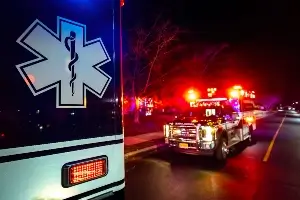
ambulance attempting rescue after winter car accident

Drunk driving crashes during Minnesota’s holiday season create a dangerous combination — impaired judgment paired with icy winter road conditions. When a drunk driver loses control on snow-covered or frozen roads, the resulting collision often causes far more severe injuries than similar crashes in dry, warm weather. Freezing temperatures, slick highways, and slower emergency response times can turn otherwise survivable crashes into life-threatening emergencies.

TSR Injury Law represents Minnesota victims who suffer serious injuries in winter drunk driving crashes. Our experienced car crash attorneys understand how freezing weather conditions worsen crash injuries and complicate recovery. We work with medical experts who recognize the unique challenges winter crash victims face and account for every factor that may increase the value of your damages.

Insurance companies often downplay how winter conditions contribute to injury severity. They focus on settling claims quickly — before you have an attorney and before you fully understand the long-term impact of your injuries. We push back against these tactics, assess the true value of your damages, and pursue the maximum compensation you deserve for medical costs, lost income, and pain and suffering.

Injured in a winter drunk driving crash? Call TSR Injury Law for your free case review today. (612) TSRTIME.

Why Do Winter Drunk Driving Crashes Cause More Severe Injuries?

Ice and snow eliminate the margin of control drivers normally rely on to slow down or reduce the force of a collision. When a drunk driver is already impaired, winter conditions dramatically increase the likelihood of high-force impacts that cause catastrophic injuries.

  • Higher Impact Speeds: Alcohol slows reaction time and impairs judgment. Drunk drivers often fail to recognize hazards early enough to brake or take effective evasive action. On icy roads, even late reactions may be useless — vehicles slide across frozen pavement at full speed and do not benefit from the braking time that normally reduces crash force. As a result, the body absorbs the full energy of a high-speed impact.
  • Reduced Visibility: The communities surrounding the Twin Cities region are well known for their treacherous winter extremes — including blizzards, heavy snowfall, whiteouts, and snow squalls. Reduced visibility makes it harder for impaired drivers to detect stopped traffic, intersections, or pedestrians until it is too late.
  • Longer Stopping Distances: All drivers need more time and distance to stop on icy or snow-covered roads. Drunk drivers typically fail to brake early enough even in dry conditions. Combined with winter road hazards, impaired braking dramatically increases the risk of severe and high-speed collisions.
  • Black Ice: Winter weather creates numerous dangerous driving conditions in Minnesota — and black ice, which is difficult to detect at night even for sober drivers, may instantly cause vehicles to spin out or skid uncontrollably into other cars, guardrails, or fixed objects.
  • Multiple Points of Impact During the Collision: Winter crashes rarely involve a single point of contact. When a drunk driver loses control on ice, the vehicle may strike multiple objects from different angles. Each point of impact during the collision may cause trauma to the head, neck, spine, and internal organs.
  • Vehicles Slide After Initial Impact: Cars do not stop immediately when they collide on icy roads. Momentum often causes continued sliding — leading to secondary and tertiary impacts. These additional collisions increase the overall force applied to the body and spread injuries across multiple areas instead of concentrating force in one location.
  • Compromised Vehicle Safety Features: Airbags and crumple zones are designed for controlled, direct impacts. Winter crashes often involve side impacts or unpredictable angles that may overwhelm these safety systems, reducing their ability to protect occupants from severe injuries.

How Does Minnesota’s Extreme Cold Exacerbate Crash Injuries?

The moments after a serious crash are critical — and extreme cold adds another layer of danger. When victims are injured and exposed to freezing temperatures, the time spent waiting for rescue and medical care becomes even more critical as injuries may worsen due to cold exposure.

  • Hypothermia Occurs More Quickly: Blood loss — common in high-speed crashes — is always dangerous. In freezing conditions, exposure may cause body temperature to drop rapidly, especially if victims are trapped in a vehicle or lying on frozen ground. Hypothermia places additional strain on the cardiovascular system and may worsen shock and bleeding.
  • Extreme Cold Slows Blood Clotting: Cold temperatures may interfere with the body’s ability to clot blood normally. Internal bleeding that might be manageable in warmer weather may become life-threatening when the body is cold, increasing the risk of fatal hemorrhaging.
  • Frostbite Adds to Crash Injuries: Extended exposure to extreme cold — combined with clothing that may be wet from snow, injuries, or perspiration — causes faster heat loss. This increases the risk of frostbite, particularly in extremities exposed during the crash.
  • Impaired Muscle and Mental Function: Cold exposure after an acute injury may impair coordination and mental processing. Victims who remain conscious may feel confused, clumsy, or unable to perform basic tasks — including making a phone call for help.
  • Delayed Emergency Response in Winter Weather: Snow-covered roads slow ambulance response times. A ten-minute drive may stretch to thirty minutes or longer. Emergency vehicles must travel cautiously on icy highways, and medical helicopters may be grounded due to poor visibility or heavy snowfall. Delays in treatment increase the risk of serious complications from injuries such as internal bleeding or traumatic brain injury.

Are Drunk Drivers in Minnesota Relieved of Liability if Black Ice or Snow Conditions Led to the Crash?

No. Drunk drivers remain liable for crashes they cause regardless of weather conditions. Minnesota law does not excuse impaired driving simply because roads are icy or snow-covered. Choosing to drive while intoxicated makes the driver responsible for the harm that follows.

  • Choosing to Drive Drunk in Winter Is Reckless: Every Minnesota driver knows winter brings dangerous road conditions. Choosing to drive while impaired — when ice and snow already make driving hazardous — demonstrates a reckless disregard for the safety of others.
  • Severe Winter Weather Is Foreseeable in Minnesota: Insurance companies may argue that black ice or snow caused the crash. Minnesota courts generally reject this defense when impairment is involved. Winter weather is foreseeable, and drivers are required to adjust their behavior accordingly. Drunk drivers cannot use weather conditions to excuse their impairment.
  • Drunk Driving Remains the Proximate Cause: Even if ice contributed to loss of control, the decision to drive while intoxicated remains a primary cause of the crash. A sober driver may have avoided the collision or reduced its severity.
  • Compensation Is Still Available: An insurance company cannot avoid responsibility by blaming weather conditions. Victims may recover compensation for injuries, medical expenses, lost wages, and pain and suffering caused by the drunk driver’s negligence.

Are Punitive Damages More Likely if a Drunk Driver Chose to Drive on Icy Roads?

Yes. Choosing to drive drunk when roads are already dangerous from ice and snow may demonstrate deliberate disregard for the safety of others. Under Minnesota law, courts may award punitive damages when conduct rises beyond ordinary negligence.

  • Drunk Driving in Winter Worsens the Conduct: A drunk driver who chooses to drive during a Minnesota winter knows they are impaired and knows the roads are hazardous. Making that choice anyway strengthens the argument that their behavior was egregious.
  • Punitive Damages Punish and Deter: Punitive damages are intended to punish particularly dangerous behavior and deter similar conduct. Driving drunk in icy conditions may support a claim for these additional damages when supported by clear and convincing evidence.

Frequently Asked Questions About Winter Drunk Driving Crashes in Minnesota

How hard is it to get punitive damages if my winter crash was caused by a drunk driver?

Punitive damages in Minnesota require clear and convincing evidence that the driver acted with deliberate disregard for your safety. Driving drunk on icy roads may help establish this standard, but punitive damages are not automatic. Your attorney must prove the conduct warrants punishment beyond compensatory damages.

If the driver who caused my winter crash was drunk, is the insurance company more likely to settle?

No. Insurance companies know these cases carry higher potential exposure — including punitive damages — and often attempt to settle quickly for less than full value. They frequently fight these claims aggressively, which is why working with an attorney who understands insurance tactics is critical.

Can I still sue if the drunk driver’s insurance company says I share some blame for my winter crash?

Yes. Minnesota’s comparative fault system allows recovery if you are less than fifty-one percent at fault. Any compensation awarded is reduced by your percentage of fault, but a drunk driver cannot escape liability by blaming black ice or winter conditions.

TSR Injury Law Understands the Full Scope of Winter Crash Injuries

Insurance companies want to treat winter crashes like any other collision. They ignore how freezing temperatures, delayed rescue, and extended recovery times increase your damages. We work with medical experts who recognize the additional complications Minnesota winters create for crash victims. Our team accounts for every factor that increases the severity of your injuries when calculating the compensation you deserve.

At TSR Injury Law, our experienced car crash lawyers present the complete picture of how winter conditions impacted the severity of your injuries and the length of your recovery. We don’t back down to insurance companies and always demand full compensation for your losses.

Worried about the cost of calling a lawyer? Don’t be. Your initial consultation is completely free. When we represent you, there are also no upfront fees or out-of-pocket costs to pay. Because we take car crash cases on contingency, you only pay our fees if we win.

Injured by a drunk driver this winter? Call Our Trusted Minnesota Car Crash Lawyers today. (612) TSRTIME.

Holiday Crashes Due to Drunk Driving: Do You Know Your Rights as a Victim in Minnesota?

woman driving at night with wine glass in hand

Holiday celebrations in Minnesota can quickly turn tragic when drunk drivers get behind the wheel. One reckless decision by an impaired driver can leave you with life-changing injuries, crushing medical bills, and months – or longer – of recovery. You did not choose this, but you can choose to fight back.

TSR Injury Law represents Minnesota victims injured by drunk drivers during the holidays or anytime throughout the year. Our experienced car crash attorneys know how to build strong cases against impaired drivers and their insurance companies. We handle the legal fight while you focus on healing and getting your life back on track.

Drunk driving cases require immediate action to preserve critical evidence and protect your legal right to compensation. Insurance companies often try to minimize payouts or deny valid claims. You need a knowledgeable legal team that has deep knowledge of Minnesota law and will not back down from aggressive insurers.

Injured by a drunk driver in Minneapolis? Call TSR Injury Law for a free case review today. (612) TSR-TIME

What Should I Do First if I Was Hit by a Drunk Driver

Drunk driving crashes are different from other types of collisions. Often the impaired driver may try to flee before police arrive. They may also exhibit unpredictable behavior or become aggressive at the crash scene. In this situation, it is vital that you put your safety first and avoid engaging with the drunk driver. Even in this situation, though, there are steps you can take to protect yourself and your claim.

First steps to take after being hit by a driver you believe to be drunk or impaired:

  • Call 911 Immediately: Tell the dispatcher you think the other driver is drunk. Voice your concerns if the driver also seems aggressive. The dispatcher may stay on the phone with you in that situation until police arrive. Police can assess the other driver when they arrive at the scene.
  • Stay at the Scene: Never leave a crash scene before police arrive. Officers need to take your statement, document the crash scene, and test the other driver for alcohol or drugs.
  • Stay in Your Vehicle if Safe: Don’t approach a potentially intoxicated driver. They may be combative, confused, or attempt to leave the scene. If your car comes to rest in the middle of traffic and you can safely move it, drive it to the side of the road and away from traffic.
  • Note Specific Signs of Impairment: From your vehicle, observe and write down any signs of slurred speech or behavior patterns that indicate the driver is impaired.
  • Watch for Flight Risk: Note the other vehicle’s license plate and description. Drunk drivers often panic and flee the scene. Any details you can capture or recall can help police locate the driver and vehicle.
  • Get Medical Attention Immediately: Don’t refuse medical care at the scene and tell emergency responders about any symptoms you have after the crash, no matter how small. Seek an emergency medical evaluation at a nearby hospital right after the crash. Adrenaline can mask serious injuries in the moments to hours after a crash, and you want to rule out any internal bleeding or organ damage that may have occurred at impact.
  • Preserve Phone Records and Dash Cam Footage: Your call logs and GPS data can prove where you were and when the crash occurred. If you have dash cam footage that captured the crash, this may also support your claim. Do not delete or modify it in any way. Your attorney will know the correct/legal way to preserve and use this evidence.
  • Don’t Give Statements or Sign Anything Without Legal Advice: Insurance companies may pressure you to settle quickly before you fully understand your injuries.

Call TSR Injury Law Before Talking to Any Insurance Company at (612) TSR-TIME  Our winning Minneapolis legal team will help you navigate the process, take next steps while evidence is fresh, and protect your legal rights.

How Is a Minnesota Car Crash Claim Different if the At-Fault Driver Was Drunk?

Drunk driving crashes will result in both a criminal case and a civil injury case. The criminal case punishes the driver. Your civil case seeks to compensate you for your injuries, medical costs, and other losses. These two cases are separate legal matters with different purposes and timelines.

  • Crash Scene Investigation Is More Thorough: Officers document chemical test results, field sobriety tests, and any witness statements that observed the driver’s impairment.
  • Criminal Cases Can Support Your Claim: Criminal proceedings of the driver’s intoxication and behavior create official records that can be used to support your claim.
  • Punitive Damages May Be Available: Some drunk driving cases are so egregious that they qualify for punitive damages. These damages go beyond covering your economic and non-economic losses.
  • The Driver’s Conduct Matters: Choosing to drive drunk demonstrates reckless disregard for the safety of others.
  • Check Your Own Insurance Coverage: Under Minnesota’s mandatory requirement to carry uninsured and underinsured motorist insurance, your policy should provide at least the minimum coverage if the drunk driver is either underinsured or has no insurance at all.

Can I Still Sue if the Drunk Driver Who Hit Me Left the Crash Scene?

Hit-and-run crashes trigger police investigations, but there is no guarantee they will find the driver who hit you. That said, you can pursue a claim for compensation for both situations where the police are able to locate and identify the driver who fled or even if they cannot find the drunk driver.

Be sure to report the crash immediately and provide as many details about the vehicle and driver as you can recall. All details, especially recording the license plate, can help police with their investigation. Leaving a crash scene creates additional criminal liability for the driver.

Your UM/UIM Policy Provides Some Compensation if the At-Fault Driver Flees

If the driver cannot be located, you still have some additional options for compensation through your own policy.

No-Fault Insurance Protection

Minnesota is a no-fault insurance state, and the state’s minimum coverage requirement provides you with some protection no matter who caused the crash. If you only purchase the minimum required limits, your no-fault insurance pays up to $20,000 of your initial medical costs and up to $20,000 of your lost wages. You can purchase higher amounts of coverage to give you even more protection.

Uninsured/Underinsured Motorist Coverage (UM/UIM)

Minnesota requires all drivers to carry uninsured and underinsured motorist coverage as part of their auto insurance. The mandatory minimum required auto insurance coverage is $25,000 per person and $50,000 per incident. Again, you can purchase higher limits for better protection. The additional coverage is a small price to pay for peace of mind. This is especially true if you sustain severe, life-altering injuries, and the at-fault driver cannot be found or lacks sufficient insurance.

We recommend reviewing your policy at least once per year to make sure you have the protection you need and understand the coverage you purchased.

What Could My Car Crash Claim Be Worth in Minnesota?

It is important to understand that no two crashes have the same value. Even similar types of traffic incidents can result in very different settlement amounts. The value of your claim depends on multiple factors unique to your situation.

These and other factors impact the total value of your claim:

  • Extent and severity of the injuries you sustained
  • Medical expenses – including your initial costs after the crash, present treatment, and future care
  • Lost wages while you are unable to work
  • Pain and suffering
  • Permanent disabilities, scarring, and disfigurement
  • How the crash impacts your daily life and future
  • The length of your recovery
  • Your need for ongoing medical care
  • Prior similar injuries

The amount of compensation you recover is also impacted by the overall insurance limits available

Punitive Damages May Be Awarded

Courts consider the driver’s conduct when deciding whether to award punitive damages. Driving drunk shows a willful disregard for the safety of others. However, not every drunk driving case qualifies for these additional damages.

Punitive Damages Are Not Automatic and Are Separate Compensation

Punitive damages are separate from the compensation you receive for medical bills, lost wages, and pain and suffering. They serve a different purpose. The purpose of economic and non-economic damages is to help make you whole again. Punitive damages have a completely different purpose; they are to punish particularly harmful behavior.

Punitive Damages Are Not Capped in Minnesota

Minnesota does not cap punitive damages. The amount awarded depends on the specific facts of your case and the driver’s conduct. Your attorney must present evidence showing why punitive damages are appropriate in your situation.

Punitive Damages Requires Solid Evidence and Documented Proof

Pursuing punitive damages requires thorough documentation of the drunk driver’s actions. The legal standard for these damages differs from proving your injury claim. An experienced attorney knows how to build a case that supports a request for punitive damages.

FAQs About Holiday Drunk Driving Crashes in Minnesota

What is a victim impact statement for a DUI?

A victim impact statement is part of the criminal case against the drunk driver. You have the opportunity to tell the court how the crash affected your life. This statement happens during the sentencing phase of the criminal proceedings. You can describe your injuries, emotional trauma, financial losses, and how the crash changed your daily life. The judge considers your statement when deciding the driver’s punishment. However, the victim impact statement does not directly affect your civil injury claim for compensation. Your civil case remains separate from the criminal case.

How much can you sue for if a drunk driver hits you?

The value of your case depends on your specific circumstances. Every crash is different. Your medical expenses, lost wages, pain and suffering, and permanent injuries all factor into the amount. The drunk driver’s insurance coverage and your own insurance policies affect what you can recover. Some cases qualify for punitive damages in addition to compensating your actual losses. Consult with TSR Injury Law to understand what your specific case may be worth.

On what holiday do most drunk driving crashes occur?

Several holidays see increased drunk driving crashes. New Year’s Eve, Independence Day, Thanksgiving, and Christmas typically have higher rates of impaired driving incidents. Law enforcement often increases DUI patrols during these times. However, drunk driving crashes happen throughout the year, not just during major holidays. Any celebration involving alcohol can lead to impaired driving and serious crashes.

How Long Do I Have to File a Claim After a Drunk Driving Crash in Minnesota?

Minnesota law gives victims six years from the date of their injury to file a claim. Missing this deadline causes you to lose your right to seek compensation forever – no matter how badly you were hurt or how much evidence there is against the other party. The clock starts ticking from the date of your crash. Different types of claims may have different time limits (as short as 1 year) so be sure to check with a qualified attorney to determine what filing deadline applies in your situation.

We strongly recommend contacting an attorney immediately after your crash. Building a strong case takes time. Your attorney needs to investigate, gather evidence, interview witnesses, and calculate your full damages. Waiting until just before the deadline leaves insufficient time to prepare properly.

How a Holiday Crash Could Affect How Quickly Evidence Can Be Preserved

Holiday crashes create unique challenges for preserving evidence. Witnesses visiting from out of town return home after the holidays. Tracking them down later can be much harder or, in some cases, impossible. The longer you wait to get a witness statement, the more likely critical details are to fade.

  • Businesses close during holiday weekends. Surveillance footage from nearby stores, restaurants, or gas stations may not be accessible immediately. Many systems automatically overwrite footage after a short period. Delayed access means lost evidence.
  • Law enforcement agencies experience backlogs during holidays. Getting copies of police reports, crash scene photos, and witness statements may take longer than usual.
  • Attorney offices may have limited hours during major holidays. However, evidence preservation cannot wait.

Contact TSR Injury Law at 6128778463 immediately, even during holidays. We understand the urgency and take steps to protect your case right away.

Can You Sue the Social Host, Bar, or Restaurant That Served the Drunk Driver?

You may have legal claims against more than just the drunk driver that caused your crash. Minnesota’s dram shop laws recognize that some parties who provide alcohol share responsibility when someone drives drunk and causes a crash. These third-party liability claims can provide additional compensation beyond what the driver’s insurance covers.

Bars and Restaurants That Overserve

Commercial establishments that serve alcohol have a legal duty to their patrons and the public. The state’s dram shop law prohibits bars and restaurants from serving someone who is visibly intoxicated. They also cannot serve alcohol to minors. When these establishments violate these duties and someone gets hurt, they may be held liable.

Proving a bar or restaurant overserved the drunk driver requires evidence. Witness testimony, receipts, credit card statements, and surveillance footage help establish how much the establishment served. Your attorney investigates the driver’s activities before the crash to identify which establishments may bear responsibility.

Social Hosts Who Provide Alcohol

Private individuals who host parties or gatherings can face liability under Minnesota law. Social host liability applies when hosts serve alcohol to minors or to visibly intoxicated persons.

A social host is anyone who provides alcohol at a private residence or event. The host’s responsibility depends on what they knew or should have known about the person’s condition. Social host cases require proving the host served someone they knew was already intoxicated or served a minor. These cases are complex and require thorough investigation of the events leading up to the crash.

Third-party liability claims increase your potential compensation sources. This is critical, especially if the drunk driver lacks sufficient insurance to cover your damages. Pursuing all responsible parties helps to ensure you receive full compensation for your injuries.

Call TSR Injury Law for Legal Help With a Drunk Driving Crash Claim in Minnesota

Time matters in drunk driving cases. Evidence disappears quickly; witnesses forget critical details or return home after the holidays, and insurance companies move quickly to minimize what they pay. You don’t have to navigate the legal process alone – and we strongly recommend you don’t try it.

At TSR Injury Law, our reputable law firm is prepared to manage every aspect of your case, allowing you to fully focus on your recovery. There are no upfront fees or out-of-pocket costs to pay. We take injury cases on contingency, so we only get paid if you do.

Injured by a drunk driver? Call (612) TSR-TIME to speak with a TSR Injury lawyer today.
Your case review is cost and risk-free, and we would be honored to help you

Whiplash After a Minnesota Car Crash: What Is It and Why Do I Need a Lawyer to Prove My Claim? 

X-ray-like graphic of person in car crash

Whiplash is the most common injury after a car crash, but it is also one of the hardest to prove and one of the easiest for insurance companies to dismiss. The violent back-and-forth motion at impact can tear muscles and ligaments in your neck in just seconds. But the pain and limitations can last for months, years, or a lifetime. Insurance adjusters often argue that a whiplash injury is minor, exaggerated, or not even related to the crash. They count on you accepting a lowball settlement before you realize how badly you are hurt and how much it will cost you at the end of the day. 

At TSR Injury Law, we have fought for countless drivers throughout Minnesota against insurance companies trying to minimize the pain and suffering of a neck injury. We are very familiar with the challenges of proving soft tissue injuries and how to build a strong case even when your damage does not show up on X-rays.

Our experienced car crash lawyers located in Bloomington and helping all Minnesotans refuse to let insurance companies get away with treating whiplash as minor damage, when your day-to-day is full of pain, loss, and limitations. We are ready to counter their arguments, gather strong medical evidence, and fight for the full and fair compensation that reflects the true impact of your injury. 

What Exactly Is Whiplash and How Does It Happen in a Car Crash? 

Whiplash is a soft tissue injury to your neck caused by the sudden, forceful back-and-forth movement that happens in a crash when your vehicle slams into something else. That kind of impact is forceful.This motion causes the muscles, tendons, and ligaments in your neck to hyperextend far beyond their normal range of motion.

The name “whiplash” comes from the whip-like motion your head makes during impact, especially in rear-end collisions. Your head snaps backward, then violently forward in a fraction of a second, but the resulting damage is real and often severe. 

Rear-end crashes cause most whiplash injuries, but side-impact collisions and even head-on crashes can produce the same hyperextension. Your body is restrained but your head is still free to move, creating the dangerous whipping motion. Even low-speed crashes can generate enough force to cause whiplash. Necks are not able to absorb that kind of sudden, violent movement. Even if there is no visible damage to your vehicle, you should not assume your neck escaped injury. 

Why Do Insurance Companies Always Try to Dismiss Whiplash as Minor? 

Whiplash injuries are an easy target for insurance companies, because like other soft tissue injuries, there is little to no visible damage, making them harder to prove. Insurance companies use this to their advantage, training their adjusters to attempt the same tired arguments over and over again. These tactics often work on victims who don’t have a lawyer and don’t know all their legal rights.

The insurance company’s goal is simple: Convince you that your whiplash injury is no big deal and that their lowball settlement is the best offer you can expect. Their hope is that you will believe them, accept the offer, and sign the agreement that fully releases them from any further liability. 

  • No Visible Damage: Insurance adjusters claim that if they cannot see your injury on an X-ray or photograph, it must not be serious or even real. 
  • Minor Vehicle Damage: Insurers are quick to argue that low-speed crashes with minimal property damage could not possibly cause real injuries, ignoring medical evidence that proves otherwise. 
  • Common Injury: Because whiplash happens frequently, insurance companies treat it like a minor nuisance rather than the painful, debilitating condition it actually is. 
  • Delayed Symptoms: When your pain starts days after the crash, adjusters use this normal medical phenomenon to argue something else caused your injury. 
  • Quick Recovery Claims: Insurance companies point to cases where whiplash heals in weeks and pretend your months of suffering must be exaggerated or fake. 
  • Preexisting Conditions: Any prior neck pain or degenerative changes in your medical history become their excuse to deny your claim entirely. 
  • Fraud Assumptions: Adjusters have been trained to assume whiplash claims are exaggerated or fabricated, putting the burden on you to prove you are not lying about your pain. 

What Medical Evidence Do I Need to Prove My Whiplash Injury in Minnesota? 

Like every other car crash injury, you need specific medical documentation that directly links your whiplash injury to the crash that caused it. No easy task. Because whiplash does not show up on standard X-rays, you need to make sure you undergo more extensive diagnostic tests. Having the right evidence makes the difference between a denied claim and full compensation for your injuries. 

Evidence that helps to support a whiplash injury claim includes: 

  • MRI Results: Magnetic resonance imaging (MRI) can in some instances reveal tissue damage, torn ligaments, muscle tears, and disc involvement that X-rays miss entirely. 
  • CT Scan Findings: These scans can show bone injuries and spinal alignment issues that contribute to your whiplash symptoms and pain. 
  • Detailed Emergency Room Records: Documentation from your first medical visit that specifically notes neck pain, limited range of motion, and also states your symptoms began immediately after a car crash. 
  • Physical Therapy Progress Notes: Ongoing documentation from your therapist showing your range-of-motion limitations, pain levels, and slow improvement proves your injury is real and requires ongoing treatment. 
  • Orthopedic or Neurologist Evaluations: Specialist examinations help by documenting muscle spasms, nerve damage, and reduced mobility. Having additional expert opinions strengthens the connection between your condition and your car crash.
  • Range of Motion Testing: Objective measurements help by showing how far you can move your neck compared to normal ranges. This type of testing clearly demonstrates specific functional limitations caused by your whiplash. 
  • Pain Management Records: These records document your ongoing pain treatment, including injections, medications, and procedures required to manage your chronic whiplash symptoms. 
  • Documented Symptom Progression: Your medical records track everything about your whiplash injury, from the date your symptoms first appeared, to how they evolved after the crash date, and how they continue to impact your daily life. This progression helps by showing the injury worsened or persisted despite treatment. 
  • Daily Pain Journal: Keeping a consistent and accurately documented pain journal at home can also help show the progression of your injuries. Documenting and dating your pain levels twice per day, along with specific activities you are unable to do, and how your pain affects your ability to sleep. We can guide you further on the most effective and accurate way to track your whiplash injury. 

Do I Still Have a Claim if My Whiplash Symptoms Started Days After My Car Crash in Bloomington? 

Yes. Delayed whiplash symptoms are medically normal and well-documented, even though insurance companies pretend otherwise. Adrenaline floods your system during and immediately after a crash, masking pain for hours or even days. Inflammation in your neck tissues builds gradually, and muscle stiffness often does not peak until 24 to 72 hours after impact. You may feel fine walking away from the crash scene, then wake up the next morning barely able to move your head. 

That said, if you go to the ER after your car crash – even if your whiplash symptoms are not yet noticeable – you at least have documentation of your car crash. Returning days later when your symptoms are becoming more evident will be less challenging to prove than if you did not seek any medical help right after your car crash. 

Insurance adjusters will still try to use your delayed symptoms against you, claiming that if you were really injured, you would have felt pain immediately. But this argument ignores basic medical facts. Doctors and emergency room physicians see delayed whiplash symptoms every single day.

What matters is getting medical attention as soon as your symptoms appear and making sure your doctor documents that your neck pain started after the car crash. The gap between your crash and your first symptoms of whiplash does not invalidate your claim. It likely means, however, that the insurance company will fight harder to minimize or deny your claim. To deal with these arguments, you need an experienced lawyer who understands their tactics and knows how to effectively dispute them. 

What Mistakes Hurt Whiplash Claims the Most? 

Whiplash claims fail when victims make one or more of these common, but preventable mistakes that give insurance companies ammunition to deny or reduce compensation. These errors may seem minor, but they can devastate your case. Insurance adjusters are trained to spot these mistakes and exploit them ruthlessly. 

  • Delaying Medical Treatment: Waiting days or weeks to see a doctor after your crash gives insurance companies the perfect excuse to claim your whiplash injury was either not as bad as you say or that it was not caused by the collision. 
  • Missing Medical Appointments: Skipping physical therapy sessions or follow-up visits signals to insurance adjusters that your injury must not be serious if you cannot bother to attend treatment. People who are truly in pain want to get better. 
  • Giving a Recorded Statement: During these sessions, insurance adjusters ask leading questions designed to get you to minimize your pain or contradict yourself, then use your own words against you. You may have to give a statement at some point, but you should never do this without first speaking with a lawyer. 
  • Posting on Social Media: Photos of you smiling at a family gathering or doing yard work become “proof” you are not really injured. Social media can be pretty damaging and impossible to control, so it is really best to avoid it completely until your case resolves. 
  • Not Following Doctor’s Orders: Ignoring medical restrictions or failing to take prescribed medications gives insurance companies reason to blame you for your continued pain. 
  • Accepting the First Settlement Offer: Agreeing to a quick settlement may solve your immediate money problems, but it can leave you paying thousands out of pocket. It is crucial to your future financial stability to wait to settle until you know the full extent of your whiplash injury. Once you settle, you cannot ask for additional compensation, even if your condition gets much worse. 
  • Trying to Handle the Claim Alone: Insurance companies take advantage of victims who don’t have a lawyer and who also do not know the value of their whiplash claim. 

Our Lawyers Know How to Build Strong Whiplash Claims to Overcome Insurance Company Tactics 

At TSR Injury Law, we have seen every tactic insurance companies use to deny and minimize whiplash claims, and we know exactly how to counter them. Our experienced Minnesota car crash lawyers gather the specific medical evidence that proves soft tissue injuries by: 

  • Working with specialists and medical experts who can testify about your condition. 
  • Clearly documenting your case to ensure it clearly connects every symptom directly to the crash.
  • Anticipating the arguments adjusters commonly make about delayed symptoms, minor vehicle damage, and preexisting conditions. 
  • Shutting down the insurance company’s arguments with solid evidence and aggressive advocacy.

We don’t let insurance companies bully us into accepting inadequate settlements. We have a reputation for taking cases to trial, and they know we are always fully prepared to represent you in court if they refuse to offer fair compensation. 

Call Our Trusted Minnesota Law Firm for Help With Your Whiplash Injury Claim Today 

Whiplash injuries are real, painful, and often more serious than insurance companies want to admit. You deserve full compensation for your medical bills, lost wages, pain and suffering, and every other loss caused by someone else’s negligence. Insurance adjusters are not going to offer you what your claim is worth, however, unless someone holds them accountable. 

At TSR Injury Law, holding at-fault parties accountable is what we do best. We fight every day for Minnesota crash victims, including those with whiplash injuries that have been minimized or denied by insurance companies. 

Injured in a Minnesota car crash? Don’t wait to call. We get it – calling a lawyer can be intimidating, but we promise you we have loved ones and families too, and we know how we would feel if they were the ones injured. We handle every injury case as if it were one of our own.

Don’t worry about costs. There are no upfront fees or out-of-pocket costs to pay. We only get paid if you do. Don’t let insurance companies take advantage of you and leave you paying thousands for damages you did not cause.

At TSR Injury Law, we want to help. Call our trusted Minnesota law firm for your free case review today. (612) TSR-TIME

The True Cost of Car Crash Neck Injuries: Beyond Medical Bills

woman with neck injury upset by medical bill

Most people think a neck injury from a car crash means a short recovery, a few medical bills, and maybe some lost wages. But for many, how long their neck injury lasts and the financial impact goes far deeper than a hospital visit and a few physical therapy sessions. Insurance companies count on you not knowing the full value of what you have lost, hoping you will accept a quick settlement that covers only a fraction of your actual damages.

At TSR Injury Law, we have seen the impact of severe neck injuries in our clients’ lives in Minnesota. We also understand that your losses may extend far beyond what appears on a medical bill. Our experienced lawyers know how to identify, document, and fight for compensation that reflects the complete financial and personal toll of your neck injury.

You deserve full compensation for every way this injury has affected your life. Insurance companies will not volunteer to pay you what you truly deserve. They need someone who will hold them accountable for every hidden cost they try to ignore.

How Much Does a Neck Injury From a Minneapolis Car Crash Really Cost?

The answer depends on how severely your neck was injured and how it affects your ability to work, care for yourself, and live your life. A mild strain might cost a few thousand dollars in medical treatment and a week or two of lost wages or it could cause a permanent injury that requires a lifetime of pain management. A herniated disc, cervical fracture, or nerve damage can easily exceed hundreds of thousands of dollars — or more — when you factor in surgery, ongoing treatment, permanent disability, and a lifetime of limitations.

Insurance companies focus only on your immediate medical bills because that number looks manageable. They want you to settle before you realize how much your injury will cost. The true price includes many hidden costs, such as lost earning capacity, hired help, transportation needs, and the inability to do things you used to enjoy. Every neck injury carries its own unique financial burden. 

What Compensation Can I Claim if I Cannot Work While Recovering From a Neck Injury in Minnesota?

When your neck injury keeps you out of work, you can claim compensation for the paychecks you have already missed and the future income you will lose. This calculation goes beyond just tallying up the days you missed – it includes these additional sources of income:

  • Lost Wages: You can recover every dollar of income you missed while unable to work, including overtime, commissions, and bonuses you would have earned. Your no-fault insurance covers up to 85% of lost wages initially, but you can seek additional lost income and benefits in your claim against the at-fault party.
  • Lost Earning Capacity: If your neck injury prevents you from returning to your previous job or limits your ability to earn what you once did, you can claim the difference for years to come.
  • Lost Benefits: Health insurance, retirement contributions, paid time off, and other employment benefits you lost during recovery are compensable damages.
  • Self-Employment Income: Business owners and independent contractors can recover lost profits and business opportunities they missed while they could not work.
  • Missed Promotions and Raises: If your injury forces you to miss a scheduled promotion or annual raise, that lost advancement is part of your claim.
  • Retraining Costs: When your neck injury requires you to change careers or learn new skills for less physically demanding work, the at-fault driver pays for that vocational rehabilitation.

Hidden Costs of a Severe Neck Injury That Insurance Companies Often Ignore

Insurance adjusters want to keep your claim focused on medical bills and lost wages because those numbers are easy to calculate and cap. But a severe neck injury creates additional expenses that quietly drain your bank account while reshaping how you live every single day. 

These hidden costs are real financial burdens that Minnesota law allows you to recover, but insurance companies will fight hard to pretend they don’t exist. They hope you won’t think to ask for compensation for the home health aide, the lawn service you need, or the fact that your spouse had to quit their job to care for you.

Recovery Costs When You Need Help at Home

When neck pain makes it impossible to cook, clean, or care for yourself, you need to hire help. Home health aides, meal delivery services, and housekeeping costs add up quickly. Even if family members step in to help, their time has value. 

Minnesota law recognizes that the at-fault driver must compensate you for these and other necessary services. This compensation applies whether you pay a professional or rely on loved ones who sacrifice their own time and income to care for you.

How Vocational Changes and Career Limitations Create Lasting Financial Damage

A construction worker who can no longer lift overhead, a nurse who cannot turn patients, a truck driver who cannot check blind spots – these are not temporary setbacks. When your neck injury forces a complete career change, you lose years of experience, seniority, and earning potential. 

The financial gap between what you earned in your chosen field and what you can make now in a less physically demanding job are real damages that may continue for the rest of your working life.

Adding Home Modifications to Aid Your Recovery and Increase Independence

Severe neck injuries may require changes to your living space. Grab bars in the shower, a walk-in tub, raised toilet seats, adjustable beds, ramps, and even stairlifts may become necessities. These modifications can cost from hundreds to thousands or tens of thousands of dollars. You should not have to pay for renovations caused by someone else’s negligence.

Transportation Needs: The Cost of Being Mobile if You Can No Longer Drive

When turning your head to check traffic causes shooting pain, and driving becomes dangerous or impossible, you need to find another way to get to your medical appointments and physical therapy. You also need transportation for other basic errands, like getting food from the grocery store or picking up prescriptions. 

Rideshare costs, specialized transportation services, or even purchasing a vehicle with adaptive equipment are legitimate expenses. If family members drive you around, they deserve compensation for their mileage and time away from their own jobs and responsibilities.

The Financial Impact if You Cannot Maintain Your Home Yourself

Yard work, snow removal, gutter cleaning, home repairs, and other tasks you once handled yourself now require paid help. These ongoing maintenance costs add up month after month, year after year. 

When neck pain and limited mobility limit your ability to maintain your property, the at-fault driver’s insurance company should pay for every service you have to hire out.

Putting a Dollar Amount on Lost Time with Family and Friends

Missing your child’s sports games because sitting on bleachers triggers unbearable neck spasms has real value. Skipping family gatherings, canceling vacations, and watching life pass by from your couch while others enjoy activities you once loved – these losses matter. 

Under Minnesota law, you can seek compensation for loss of enjoyment of life. Your injury stole experiences that money cannot replace but under the law, it must be accurately measured.

When Even Simple Pleasures Are Out of Reach

Reading a book, gardening, playing with your dog, working on your car – hobbies and activities that once brought you joy may now cause too much pain. When your neck injury strips away the simple pleasures that made life worth living, you have suffered a compensable loss. 

The at-fault driver took more than your physical health. They took your ability to live the life you built for yourself.

Changes to Relationships: When Family Members Become Caregivers

Severe neck injuries often transform marriages and family dynamics. When your spouse becomes your caregiver, the relationship changes. Intimacy suffers. Resentment can build. Adult children may need to care for their parents decades earlier than expected. 

Relationship strains and the loss of consortium – the companionship, affection, and partnership you once shared – are all considered real damages under Minnesota law.

Long-Term Care Needs After a Life-Altering Neck Injury

The most severe neck injuries may need ongoing care for years or even a lifetime. In-home nursing care, assisted living facilities, or full-time caregivers cost enormous sums of money. Physical therapy may continue indefinitely. Prescription medications become a permanent budget item. 

When your neck injury creates permanent disabilities, we consult with medical experts to create a life care plan and calculate these future care costs. The at-fault driver should be the one to pay for every dollar of care you will need for the rest of your life.

How Is Pain and Suffering From a Neck Injury Calculated in Minnesota?

Minnesota does not use a formula or calculator to determine pain and suffering damages. Unlike medical bills you can prove with receipts or lost wages you can establish with employment records, your physical pain, emotional distress, and diminished quality of life require a different approach. 

Multiple Factors Are Considered When Calculating Your Pain and Suffering

Juries consider the severity of your injury, the length of your recovery, the level of your pain, and how long it lasted, how it affected your daily activities, and whether your limitations are permanent. They also look at your age, your life before the injury, and medical testimony about your prognosis.

Minnesota Law Gives Broad Discretion to Compensate You Fairly

Insurance companies often try to use arbitrary multipliers or software programs to lowball your pain and suffering damages. But Minnesota law gives juries broad discretion to award whatever amount fairly compensates you for what you have suffered and continue to endure. 

Your Attorney Prevents Key Evidence That Supports Your Claim and Compensation Needs

Your attorney presents evidence through medical records, testimony from family and friends, your own account of daily struggles, and documentation of how your neck injury changed your life. The goal is to put a monetary value on suffering that cannot easily be captured in a dollar figure but must be compensated, nonetheless.

Should I Accept an Early Settlement from the Insurance Company?

No – we cannot recommend taking an early settlement. Insurance companies often rush to offer crash victims settlements far too early. They try to catch you off-guard — before you know the full extent of your neck injury and its long-term costs. Insurers know that once you agree to a settlement, sign a release, and cash their check; your case is closed. You cannot come back for more money even if your condition worsens or unexpected costs pile up. 

Early settlements rarely offer enough to cover all your costs, which is why adjusters push them so aggressively. We can say this with confidence, because you cannot know the final cost of your neck injury until you reach maximum medical improvement (MMI). Your MMI is the point where doctors say your condition has stabilized and you are not likely to recover further than the progress you have already made. 

Reaching your MMI can take months or longer, in some cases. Settling early means gambling that your neck will heal completely and that no complications will arise. But what happens if you need surgery six months after settling? What if you develop chronic pain that prevents you from working? What if you discover you need ongoing treatment for the rest of your life? Once you settle, the insurance company will not reopen your case or pay another dollar.

Early settlements fail to account for:

  • Future Medical Treatment: Surgery, injections, physical therapy, and medications you will need months or years down the road.
  • Permanent Disability: The lifelong impact on your earning capacity if your neck never fully recovers.
  • Worsening Conditions: Degenerative changes and complications that develop over time as a direct result of your initial injury.
  • Hidden Costs: Home modifications, ongoing care needs, and lifestyle changes that become apparent only after you try to resume normal activities.
  • Full Pain and Suffering: The complete toll on your quality of life that reveals itself gradually as you realize what you have permanently lost.

Our knowledgeable legal team can evaluate whether a settlement offer truly compensates you for every loss you have suffered and will suffer. Insurance companies count on victims accepting inadequate offers before they call a lawyer. Don’t let them pressure you into a decision that benefits their bottom line but does little to protect you.

Minnesota Law Recognizes the Full Economic and Personal Costs of Neck Injuries

Minnesota law allows you to recover compensation for every economic and non-economic loss resulting from the car crash that caused your neck injury. 

Economic damages include:

  • Current and future medical costs
  • Lost wages
  • Future care costs
  • Home modifications
  • Property damage
  • Other financial damages that have a clear dollar amount 

Non-economic damages cover your pain and suffering, emotional distress, loss of enjoyment of life, and the overall impact on your quality of living. 

Minnesota does not cap damages in car crash cases, which means juries can award whatever they determine fairly compensates you for the full extent of your losses.

Minnesota recognizes that negligent drivers must be held fully accountable for the harm they cause. Your neck injury did not just create medical bills. It disrupted your entire life, your family, your career, and your future. The at-fault driver’s insurance company should pay for all of it, not just the portions they acknowledge.

Call TSR Injury Law: We Know How to Get the Results You Need and Deserve

At TSR Injury Law, we know that insurance companies will fight to minimize every dollar of your neck injury claim. Their goal is to protect their profits; not ensure you receive fair compensation. 

Our experienced Minnesota car crash attorneys don’t play their game. We bypass their inadequate offers by thoroughly documenting every hidden cost. We leverage that evidence to fight for the full compensation you deserve. Our legal team is not just knowledgeable; we are deeply committed to holding negligent drivers accountable for the damage they caused you.

Worried about costs? Don’t be. We accept neck injury cases on contingency, which means you pay no upfront fees and no out-of-pocket costs. We don’t get paid unless we win your case.

Don’t try to face the insurance company alone. Let us fight for the full value of your claim while you focus on getting better.

Call Our trusted Minnesota law firm today. (612) TSR-TIME
We would be honored to help you.

Challenges of Recovering Compensation for Catastrophic Car Crash Injuries

Recovering fair compensation for a catastrophic car crash injury involves dealing with obstacles that don’t exist in typical injury claims. The stakes are higher, the process is more complex, and insurance companies fight harder to minimize payouts.

young man with prosthetic leg in physical therapy

At TSR Injury Law, our experienced car crash lawyers in Bloomington understand the unique difficulties catastrophic injury victims face when pursuing compensation. We are tireless advocates for our clients and have helped countless victims with catastrophic injuries navigate complex claims, securing favorable outcomes and resources they need for long-term care and recovery. Our knowledgeable legal team anticipates challenges before they arise and develops strategies to address them effectively.

If you’re dealing with catastrophic injuries from a car crash, navigating this process alone could leave you with thousands of dollars less than you deserve. Contact us today to see how we can help. Your initial consultation is completely free, and we welcome your questions. We’ll explain the challenges you may face and what legal options you may have for seeking full compensation.

What Makes Catastrophic Injury Claims More Difficult Than Typical Car Crash Cases?

Catastrophic injury claims are tough because often you need to prove damages that extend decades into the future. Minor injury claims, which are short-term, often involve medical bills you’ve already received and wages you’ve already lost. Catastrophic claims require projecting lifetime medical needs, estimating future lost earnings, and quantifying how permanent disabilities will affect your quality of life for years to come.

The documentation requirements for a catastrophic injury case are significantly more complex. At a minimum, you will need the following:

  • Comprehensive medical records
  • Expert testimony
  • Life care plan
  • Economic analyses
  • Vocational assessments

Each element must be thoroughly documented and supported by credible professionals. Missing or incomplete documentation gives insurance companies ammunition to dispute your claim’s value.

Settlement timelines also create pressure. You may be dealing with mounting medical bills and lost income while your claim remains unresolved. Insurance companies know this financial pressure exists. They use it as leverage, hoping you’ll accept inadequate settlements rather than wait for fair compensation.

Multiple parties and insurance policies often come into play. The at-fault driver’s personal auto policy may provide only a fraction of what you need. You might need to pursue your underinsured motorist coverage, business liability policies, or other sources. Coordinating claims across multiple policies adds complexity and extends the process.

The permanent nature of catastrophic injuries means you only get one chance to settle correctly. Once you accept a settlement and sign a release, you cannot come back for more money, even if your actual costs exceed expectations. This finality makes accurate damage calculation absolutely critical.

How Do You Prove the Full Extent of Your Catastrophic Injuries?

Proving catastrophic injuries requires more than submitting medical bills and records. You must demonstrate how injuries affect every aspect of your life now and will continue affecting you permanently.

  • Comprehensive Medical Documentation: Your treating physicians will need to provide detailed records showing your diagnosis, treatment, prognosis, and limitations. Generic medical notes are not enough for this type of high-value claim. You need specific statements about permanent impairments and functional limitations.
  • Diagnostic Evidence: MRI results, CT scans, X-rays, and other imaging provide objective proof of injury severity. These diagnostic tools show structural damage that insurance companies cannot easily dispute.
  • Expert Medical Testimony: Respected medical professionals must explain your injuries, treatment needs, and prognosis to insurance adjusters or juries. Their opinions carry weight that your own statements cannot match.
  • Functional Capacity Evaluations: These assessments objectively measure what you can and cannot do physically. They document limitations that affect your ability to work and perform daily activities.
  • Impact on Daily Life: Videos, testimony, and documentation in a pain journal that shows how your injury forces you to navigate daily tasks differently. This “real-world” documentation demonstrates your new reality in a way that medical records alone cannot convey.
  • Psychological Evaluations: Catastrophic injuries often cause victims to experience depression, anxiety, and PTSD. Mental health professionals document these changes as part of your overall damages.

Each piece of evidence contributes to a full picture of how your catastrophic injuries have altered your life permanently. If there are gaps in your documentation, insurance companies will use it to their advantage to minimize your claim,.

What Challenges Could Come Up When Calculating Future Medical Costs and Care Needs?

Estimating your medical expenses over a lifetime is challenging, because your attorney needs to predict your future needs – and their costs – that span decades or a lifetime. Insurance companies will use any uncertainty in this process to dispute projected costs.

Here are some of the specific challenges of calculating future medical costs and care needs:

  • Changes to Medical Technology: Treatment options evolve constantly. Predicting what care will be available and necessary 20 or 30 years from now involves educated guesswork that insurance companies challenge.
  • Inflation and Cost Increases: Healthcare costs rise faster than general inflation. Life care plans must account for these increases, but insurance companies dispute inflation projections as excessive.
  • Life Expectancy Debates: How long you’ll need care directly affects total costs. Insurance companies hire experts who argue for shorter life expectancies to reduce projected expenses.
  • Complications and Secondary Conditions: Catastrophic injuries often lead to additional health problems over time. Predicting and costing these future complications involves some degree of uncertainty that insurers exploit.
  • Home and Vehicle Modifications: Wheelchair accessibility, specialized equipment, and vehicle adaptations cost substantial sums. Insurance companies dispute necessity or argue for cheaper alternatives.
  • Attendant Care Needs: Whether you’ll need full-time care, part-time assistance, or family help affects costs dramatically. Insurers minimize these projections and dispute hourly rates.

Life care planners develop comprehensive cost projections, but insurance companies hire their own experts who typically project lower costs.

How Does Inadequate Insurance Coverage Complicate Catastrophic Injury Claims?

Minnesota’s minimum insurance requirements fall far short of covering catastrophic injury costs. When the at-fault driver carries only basic coverage, it limits the compensation you can recover.

The at-fault driver’s personal assets rarely bridge this gap. Most people don’t have millions in assets available to satisfy judgments. Even if you win a substantial verdict, collecting it becomes virtually impossible if the defendant lacks resources.

UM/UIM Motor Vehicle Coverage Helps to Fill Gaps If the At-Fault Driver’s Insurance is Not Enough

In these type of situations, your own insurance becomes critical. Carrying underinsured motorist coverage helps to fill critical gaps if the at-fault driver’s insurance is insufficient. If the at-fault driver has no insurance, your uninsured motorist coverage.

Minnesota’s Minimum Requirements for UM/UIM Coverage

In Minnesota, all drivers are required to carry a minimum of $25,000 per person and $50,000 per incident. This additional coverage provides an additional source for compensation. You would need to make a claim against your own policy for the amounts the at-fault driver’s insurance doesn’t cover.

Your Attorney Should Rule Out All Possible Sources of Compensation

Identifying all potential sources of compensation requires thorough investigation. Was the at-fault driver working when the crash occurred? Employer liability might apply. Was a defective vehicle part involved? Product liability claims might exist. Multiple defendants and policies can provide additional compensation sources.

Minnesota Allows Drivers to Stack Policies (If They Don’t Waive That Right)

In Minnesota, you might be able to increase your No Fault coverage by combining limits on multiple cars (the insurance term is called stacking) to get more money initially after a collision. But this gets complicated fast and you have to be careful about signing anything because insurance companies make this process confusing on purpose. They may offer you a settlement or ask you to sign papers. Often, they may do this without clearly explaining first that by doing so, you are giving up your right to money from your other insurance policies. Signing this type of document could be a huge mistake that ends up costing you thousands.

What Evidence Is Critical for Building a Strong Catastrophic Injury Claim?

Catastrophic injury claims stand or fall on the quality of evidence supporting them. Insurance companies know this and look for weaknesses they can exploit to reduce payouts. To have a really strong case, you need to begin building evidence from day one.

Critical evidence for a catastrophic injury claim includes:

Crash Scene Evidence

Police reports, witness statements, photographs, and physical evidence establish how the crash occurred and who bears responsibility. This evidence deteriorates quickly as memories fade and physical conditions change. When you hire our law firm, we can begin gathering evidence on your behalf from day one.

Medical Records From Day One

Having complete documentation that begins immediately after the crash shows a hard-to-dispute injury timeline. With catastrophic injuries especially, any gaps in treatment or delayed medical attention give insurance companies valid opportunities to question whether your injuries really are severe.

Economic Documentation

Tangible records, like tax returns, pay stubs, employment records, and benefit statements, prove lost income and earning capacity. Without solid economic evidence, insurance companies dispute lost wage calculations.

Life Care Plans

Comprehensive projections from qualified life care planners detail future medical needs and costs. These plans must be thorough, developed by credible professionals, and well-supported with documentation.

Expert Opinions

Medical experts, economists, vocational specialists, and other professionals may be needed to provide testimony that insurance adjusters and juries rely on heavily. The quality and credibility of your experts directly affects your claim’s value.

Personal Impact Evidence

Recording your recovering journey by documenting your injuries, daily pain levels, and how your injuries are preventing you from enjoying your life or even doing basic activities, like household work, making your food, or bathing. Testimony from family members, friends, and colleagues also helps. They can share their direct observation of how your injuries have changed your life. Before-and-after comparisons show losses that medical records alone cannot capture.

Gathering this evidence takes time and resources. Every day that passes without taking action allows critical evidence to disappear. The timing and thoroughness involved in gathering evidence matters, but this is something we can help you with.

How We Help Clients Overcome These Challenges

Our legal team has managed many catastrophic injury claims throughout Minnesota, so we are very familiar with the potential problems and challenges that may arise. Our approach addresses each challenge systematically – we build claims that insurance companies must take seriously.

  • We Provide Legal Guidance: Our legal team guides you throughout the legal process, which includes helping you gather the evidence needed for your case. With catastrophic injuries, this may often include consulting with medical experts, life care planners, economists, and vocational specialists to provide credible evidence for your claim. We work closely with these professionals to make sure their work stands up under the insurance company’s scrutiny.
  • We Thoroughly Investigate Financial Resources: A thorough investigation includes reviewing all available insurance policies, examining employer liability, and exploring other avenues that maximize available resources. In short, we identify all available coverage to make sure we don’t leave money on the table.
  • We Handle Communication With the Insurance Companies: We are very familiar with the tactics insurance adjusters may attempt, so we handle communication on your behalf to protect your legal rights. We make sure they don’t pressure you into accepting inadequate settlements that don’t even begin to cover all your damages. We negotiate from positions of strength backed by solid evidence and preparation.
  • We Move Quickly to Preserve Evidence: This includes taking legal steps to ensure video footage of your collision or other key evidence is not lost, overwritten, or destroyed. We also make sure you fully understand the full financial impact of your injuries before you accept any settlement offer.

Contact TSR Injury Law for Help With Your Catastrophic Injury Claim

Catastrophic injury claims are too complex and valuable to handle without experienced legal guidance. The challenges are real, the stakes are high, and insurance companies have significant resources working against you.

At TSR Injury Law, we’ll explain the specific challenges your claim faces and how we can help you overcome them. And since we take injury cases on contingency, there are no upfront costs or out-of-pocket fees to worry about when you hire our firm. We only get paid if we recover compensation for you.

Contact TSR Injury Law today. We would be honored to help you. (612) TSR-TIME

How Insurance Companies View Catastrophic Injuries

ambulance at crash scene at night

Auto insurance companies treat catastrophic injury claims very differently than claims involving minor crash injuries. The potential payouts are substantial, so insurers scrutinize every detail. It’s important to know how insurance companies view and evaluate these claims so you can take steps to protect your rights while seeking fair compensation.

At TSR Injury Law, our knowledgeable car crash lawyers in Minneapolis have seen firsthand how insurance companies operate in catastrophic injury cases. We know their tactics and case evaluation methods well. We also recognize when they’re attempting to undervalue legitimate claims. Our experienced legal team is ready to work tirelessly on your behalf to counter insurance company strategies. Our goal is simple – and it aligns with yours: Secure the full compensation you deserve.

If you’ve suffered catastrophic injuries in a Minneapolis car crash, there’s no need for you to deal with the insurance company or navigate the legal process alone. Contact us today for a free, no-risk consultation. We will review your case, answer your questions, explain how insurers are likely to view your claim, and discuss strategies to protect your rights.

Ready to get started? Call TSR Injury Law for your FREE case review: (612) TSR-TIME

How Do Insurance Companies View Catastrophic Injuries?

Insurance companies view catastrophic injuries through a financial lens, which makes sense from their perspective. Their primary goal is to protect their bottom line, and these claims represent some of an insurance company’s largest potential losses.

Here are some factors insurance companies consider when dealing with a catastrophic injury case:

  • Higher Financial Risk: Catastrophic claims threaten significant losses for insurance companies.
  • Greater Likelihood of Litigation: Severely injured victims almost always hire attorneys, which means they are more likely to take cases to trial.
  • Complex Damage Calculations: Lifetime medical care, permanent disability, and lost earning capacity are complicated. To ensure accuracy, these cases typically involve an experienced attorney and other medical and financial experts to properly assess and evaluate.
  • Regulatory Scrutiny: High-value claims attract attention from insurance regulators who monitor how companies handle large payouts.
  • Potential Bad Faith Exposure: Mishandling catastrophic claims can result in punitive damages that multiply the insurer’s losses exponentially.

These factors force insurance companies to assign specialized teams, conduct thorough investigations, and implement multi-level approval processes. They’re protecting themselves against massive financial and legal exposure.

Why Do Insurance Companies Handle Catastrophic Injury Claims Differently?

A single catastrophic claim can cost millions, while typical injury claims settle for thousands. This difference in exposure changes everything about how they approach your catastrophic injury case, which is why they seek fundamentally different resources, higher levels of expertise, and increased oversight.

  • Specialized Adjuster Assignment: Senior adjusters with extensive experience in complex claims take over these cases. They have higher settlement authority and report through different management chains.
  • Comprehensive Investigations: Insurers hire crash reconstruction experts, medical consultants, and private investigators. They conduct surveillance and scrutinize every detail of your claim.
  • Multi-Level Approval Requirements: Settlement decisions require sign-off from supervisors, legal departments, and often executive management. Single adjusters cannot authorize large payouts alone.
  • Substantial Reserve Allocations: Companies must set aside significant funds and report these reserves to regulators. These financial commitments appear on balance sheets and affect corporate planning.
  • Extended Claim Timelines: Catastrophic claims take months or years to resolve. Insurance companies prepare for lengthy negotiations and potential litigation from the outset.

These procedural differences mean your catastrophic injury claim will face more scrutiny, require more documentation, and take longer to resolve than standard car crash claims.

What Factors Do Insurers Consider When Evaluating Catastrophic Claims?

When evaluating catastrophic injury claims, insurance companies use a comprehensive analysis that goes far beyond reviewing medical bills. They carefully examine every aspect of your injury, treatments, and life circumstances to determine potential liability exposure. The intense scrutiny of these cases helps adjusters to identify any factor that might help them reduce their payout obligation.

  • Injury Severity and Permanence: Insurers assess whether your injuries are truly permanent or if recovery is possible. They review medical records, diagnostic imaging, and physician prognoses to determine the degree of any long-term impact.
  • Medical Treatment History: They scrutinize every treatment you’ve received for your injuries. This includes any gaps in care, missed appointments, or delays that might suggest injuries aren’t as severe as you claimed.
  • Pre-Existing Conditions: Insurers search your medical history for any prior injuries or health issues. If they find any, they may try to attribute your current condition to pre-existing issues rather than the crash.
  • Life Care Plan Requirements: They evaluate projected future medical needs, including surgeries, therapies, medications, and assistive devices. Insurance companies often challenge these projections as excessive or unnecessary.
  • Lost Earning Capacity: Insurers analyze your age, education, work history, and career trajectory. They calculate your lost wages and diminished future earning potential, often hiring economists to dispute your projections.
  • Quality of Life Impacts: They assess how injuries affect daily activities, relationships, and independence. Non-economic damages significantly influence settlement valuations.
  • Liability Strength: Insurers evaluate fault percentages under Minnesota’s comparative negligence rules. They look for any evidence that could help them shift blame to you or other parties.

How Do Insurance Companies Try to Minimize Catastrophic Injury Payouts?

Insurance companies use many strategies to reduce what they have to pay on catastrophic injury claims. These tactics are deliberate, well-practiced, and very effective against victims who are not protected by legal representation.

These are some of the methods insurers may use to try to devalue or deny your claim:

  • Surveillance Operations: Insurers may hire investigators to follow you, photograph your activities, and monitor your social media accounts. They are looking for evidence that may suggest your injuries are less severe than you claimed.
  • Independent Medical Examinations (IME): Insurance companies send you to doctors they choose and pay. These physicians conduct brief exams and frequently conclude that injuries are less serious; treatment is unnecessary, or recovery prospects are better than your doctors indicate.
  • Disputing Causation: Insurers may argue that your injuries resulted from a pre-existing condition or causes unrelated to the crash. If granted full access to your medical records, they will scrutinize your entire medical history looking for alternative explanations.
  • Challenging Treatment Necessity: Don’t be surprised if the insurance company questions whether your surgeries, therapies, or even medications are truly required. They often try to claim treatments are experimental, excessive, or outside standard medical protocols.
  • Dispute Future Care Projections: Insurance companies may dispute life care plans developed by your medical team. They hire their own experts who will of course project lower costs and shorter treatment durations.
  • Early Settlement Pressure: Adjusters may attempt to make you a quick lowball offer before you fully understand your injury’s long-term impact. They know injured victims are often struggling financially, something they shamelessly exploit and hope you will accept – even when the compensation is grossly inadequate.
  • Delay Tactics: Insurers drag out investigations, request excessive documentation, and postpone negotiations. They know financial pressure increases over time and it may help them to get a victim to agree to a lesser settlement.

What Role Do Insurance Company Doctors Play in Catastrophic Claims?

Insurance companies routinely require catastrophic injury victims to undergo Independent Medical Examinations. Despite the name, these exams are neither independent nor conducted for your benefit. The insurance company selects the doctor, pays their fee, and expects findings that favor their goals to diminish the value of your claim.

Insurance Companies Choose Favorable Doctors

Insurers maintain lists of physicians who consistently produce reports that help them reduce high-value, high-risk claims. Future referrals depend on providing insurance-friendly opinions.

Examinations Are Brief

IME doctors typically spend 15 to 30 minutes with you. They don’t review your complete medical history or consult with your treating physicians.

Reports Frequently Downplay Injuries

These physicians often conclude that injuries are less severe than your doctors determined. They may even try to claim that you’ve reached your maximum medical improvement (MMI), or that future treatment is unnecessary.

Findings Contradict Your Treating Doctors

The doctor who sees you once for 20 minutes will dispute conclusions from physicians who’ve treated you for months.

You Cannot Refuse to Attend

Insurance policies require cooperation with IMEs. Refusing can jeopardize your claim. However, you may be able to bring someone with you and have the exam recorded.

Their Reports Become Negotiating Tools

Insurance adjusters use IME findings to justify lower settlement offers and dispute your claim’s validity.

How We Counter Insurance Company Tactics in Catastrophic Cases

After managing countless catastrophic injury cases over the years, we are extremely familiar with how insurance companies operate.

Our approach is to dispute and neutralize their tactics while protecting your best interests and legal rights. Here are some of the steps we take to counter insurance company tactics in catastrophic injury cases:

  • Strong Medical Documentation: We work with your doctors to make sure they document every critical aspect of your injuries, prognosis, and future care needs.
  • Qualified Medical Experts: We retain respected physicians to counter insurance company doctors with credible, thorough opinions.
  • Detailed Life Care Plans: We calculate the true cost of your lifetime medical needs, accounting for inflation and realistic care requirements.
  • Accurate Economic Analysis: We hire economists and vocational experts to accurately assess and document your full lost earning capacity.
  • Trial Preparation: We build every case as if it will go to trial. Insurance companies know we won’t accept inadequate settlements, which may make them more likely to negotiate a fair offer.
  • IME Protection: We prepare you for insurance company medical examinations and ensure the process follows proper protocols.

Our goal is to protect your interests and secure maximum compensation for your medical costs and other current and long-term damages.

Call TSR Injury Law for Legal Help After a Minneapolis Car Crash That Caused You Catastrophic Injuries

Catastrophic injury claims are complex and challenging to navigate alone. Insurance companies have experienced teams and extensive resources working to protect their interests. You deserve the same level of representation working for you.

At TSR Injury Law, our highly qualified legal team understands how these claims work. We offer free consultations to review your case and explain your options. Contact us today. Since we take injury cases on contingency, you pay us nothing unless we recover compensation for you.

Call our Minneapolis law firm for legal help after a car crash. (612) TSR-TIME

Catastrophic Car Crash Injury Claims in Minnesota: What You Need to Know

attorney shaking hands with injured person

Being involved in a car crash that causes catastrophic injuries requiring you to undergo extensive medical treatments and long-term care is extremely stressful. Trying to deal with your physical recovery while juggling ongoing doctor’s appointments can be overwhelming for most people, especially once the medical bills start rolling in.

At TSR Injury Law, our experienced car crash lawyers in Minnesota have seen firsthand the devastating impact catastrophic injuries have on victims and their families. Our legal team is deeply committed to holding at-fault parties accountable for their careless or negligent actions. When we represent you, we work tirelessly to recover the full and fair compensation you need and deserve.

This guide explains how Minnesota law treats catastrophic injury claims. You’ll learn about the types of injuries that qualify, how insurance requirements affect your claim, and the legal deadlines you need to meet. We’ll also cover how fault is determined and what steps you should take to protect your rights.

Does Minnesota Law Define Catastrophic Injuries in Personal Injury Claims?

Minnesota law does not officially have a separate legal category called “catastrophic injury.” However, these life-altering injuries are recognized and treated differently from minor injuries that victims can fully recover from.

Minnesota Insurers, Courts & Lawyers Recognize and Manage Catastrophic Injuries Differently

Insurance companies, courts, and legal professionals recognize that certain injuries are fundamentally different from other, more minor injuries. A broken finger that heals in weeks is managed much differently than a spinal cord injury that causes paralysis and changes everything in a person’s life forever. The law accounts for these significant differences through how damages are calculated and proven.

Minnesota Injury Claims Are Valued Based on Their Overall Impact

Minnesota courts evaluate injury claims based on their actual impact on the crash victim. Severe injuries that result in permanent disability, long-term care needs, or substantial life changes receive different consideration than temporary injuries. The compensation available reflects the true scope of harm the victim suffered.

Why Do Injury Distinctions Matter When Calculating Damages?

Medical expenses for catastrophic injuries often reach millions of dollars. Lost earning capacity can represent decades of income. Pain and suffering calculations account for lifetime impacts. Courts and juries understand that these injuries deserve substantial compensation.

What Types of Injuries Are Considered Catastrophic in Minneapolis Car Crashes?

Catastrophic injuries fundamentally alter a person’s ability to function independently. These injuries often involve permanent damage, long-term disability, or life-threatening complications. The medical treatment required is extensive, expensive, continuing for years or a lifetime.

These are some of the most common catastrophic injuries resulting from car crashes in Minneapolis:

  • Spinal Cord Injuries: Damage to the spinal cord can result in partial or complete paralysis. Victims may lose function below the injury site. These injuries often require lifetime care, mobility assistance, and home modifications. Many spinal cord victims may also suffer from secondary complications requiring additional care.
  • Traumatic Brain Injuries (TBI): Severe head trauma can cause permanent cognitive impairment, personality changes, and physical disabilities. TBI victims may need ongoing rehabilitation and, depending on the severity of their injury, may never be able to return to work.
  • Amputations: Loss of a limb drastically impacts a person’s daily life. Victims face challenges with mobility, employment, and basic activities. Prosthetics require ongoing maintenance and replacement.
  • Severe Burns: Third-degree burns covering significant body areas cause permanent scarring and disfigurement. Treatment includes multiple surgeries, skin grafts, and long-term therapy.
  • Multiple Bone Fractures: Compound fractures or multiple broken bones can lead to permanent mobility limitations. Some victims develop chronic pain conditions that last indefinitely.
  • Organ Damage: Internal injuries affecting vital organs can require transplants or lifelong medical management. These injuries often come with ongoing health complications.
  • Permanent Disfigurement: Facial injuries and severe scarring affect both physical function and psychological wellbeing. These injuries may require reconstructive surgery and counseling.

The common thread connecting these injuries is permanence. Recovery may be partial at best. Many victims never return to their previous quality of life. Medical expenses often continue for years. The ability to work and earn income is permanently affected.

How Do Minnesota’s Insurance Requirements Affect Catastrophic Injury Claims?

Minnesota requires all drivers to carry minimum liability insurance coverage. As of current law, drivers must carry at least $30,000 in coverage per person for bodily injury and $60,000 per collision. Unfortunately, these minimums fall dramatically short when catastrophic injuries occur.

A spinal cord injury victim can face medical bills exceeding one million in the first year alone. Lifetime care costs can reach five million or more. The state’s minimum insurance requirements don’t come close to covering these expenses. This creates a serious problem for injury victims.

Minnesota Does Not Cap Damages in Personal Injury Cases

Minnesota does not cap damages in personal injury cases. Unlike some states that limit compensation for pain and suffering, Minnesota allows juries to award what they determine is appropriate. This means catastrophic injury victims can pursue full compensation without artificial limits.

It is Difficult to Recover Full Compensation From At-Fault Drivers With Minimum Insurance

However, the absence of damage caps doesn’t help if the at-fault driver lacks adequate insurance. When the responsible party carries only minimum coverage, victims hit a financial ceiling. The insurance policy pays its limits, and victims must look elsewhere for additional compensation.

Purchasing Optional UM/UIM Insurance Can Provide Additional Coverage

This is where the limits and options you purchase for your own insurance becomes critical. Your policy can provide additional compensation when the at-fault driver’s coverage is insufficient. Many Minnesota drivers carry uninsured/underinsured motorist coverage—which is optional in Minnesota—specifically to protect against catastrophic injury scenarios. Some drivers operate vehicles illegally without any insurance. If an uninsured driver causes your catastrophic injury, your own UM coverage may be your only source of compensation.

An Experienced Attorney Can Identify All Sources of Compensation

The gap between minimum requirements and actual needs emphasizes why pursuing every available source of compensation matters. Having an experienced attorney manage your case who knows how to identify all potential sources of recovery can make a significant difference to your claim. This might include multiple insurance policies, business liability coverage, or other assets.

What Is Minnesota’s Statute of Limitations for Catastrophic Injury Claims?

Minnesota law generally allows six years from the date of the accident or injury to file a personal injury lawsuit. This timeframe is significantly longer than in many other states. The extended deadline gives victims time to understand the full extent of their injuries before committing to a settlement.

However, several important exceptions can affect this timeline. If you miss your filing deadline, you will likely be barred from pursuing any compensation at all – even if your injuries are severe. To find out what deadline applies to your situation, you should contact an experienced lawyer as soon after your crash as possible. Despite the six-year window, waiting too long creates problems. Evidence disappears. Witnesses forget details. Medical records become harder to obtain. Insurance companies become less willing to negotiate.

How Does Minnesota’s Comparative Fault Rule Impact Your Catastrophic Injury Claim?

Minnesota follows a modified comparative fault system with a 51 percent bar rule. This means you can recover compensation as long as you were 50 percent or less at fault for the crash. If you were 51 percent or more responsible, you cannot recover any damages.

If you are partially at fault but not enough to bar you from filing a claim, you will still have to pay compensation for your percentage of fault. Any compensation awarded to you will be reduced by your percentage of fault. If you were 20 percent to blame, with damages totaling one million, you would receive $800,000.

Insurance companies frequently dispute fault percentages in catastrophic injury cases. They know that increasing your fault percentage by even 10 percent effectively reduces their payout – potentially by hundreds of thousands of dollars. They investigate thoroughly and often argue victims bear more responsibility than they actually do.

The 51 percent threshold creates an all-or-nothing scenario in some cases. If the insurance company successfully argues you were 51 percent at fault, you receive nothing regardless of how severe your injuries are. This makes aggressive legal representation essential when insurance company disputes fault.

Our Approach to Catastrophic Injury Cases in Minneapolis

For a catastrophic injury claim to be successful, you need an attorney who has a comprehensive understanding of both immediate and long-term damages. Our legal team works with medical professionals, life care planners, and economic experts to document and calculate the full scope of your losses. This includes current medical expenses, future treatment needs, lost earning capacity, and lifetime care requirements.

Building a strong catastrophic injury claim takes time and resources. We investigate thoroughly to establish liability and calculate economic losses accurately, accounting for inflation and future needs. We prepare cases as if they will go to trial, even while pursuing settlement negotiations.

Insurance companies take these cases seriously too, because the stakes are high. They scrutinize your claim thoroughly, looking for any reason to deny or reduce your claim.

Why Experience Matters in Catastrophic Injury Claims

Catastrophic injury cases involve complex medical evidence, substantial economic analysis, and sophisticated legal arguments. These claims often involve multiple insurance policies, disputed liability, and negotiations with experienced insurance defense teams. The difference between adequate and excellent legal representation can mean hundreds of thousands or millions of dollars.

High-quality legal teams understand how to value these claims properly. They know which experts to consult and how to present medical evidence effectively. They recognize when insurance companies are making lowball offers and have the resources to take cases to trial when necessary.

Need Legal Help After a Catastrophic Injury in Minneapolis? Contact TSR Injury Law Today

We’ve handled complex injury claims throughout Minnesota for decades. This experience is important, because it means we have an up close and personal understanding of how a car crash and the resulting consequences impact you and your family every day.  

If you or a loved one sustained a catastrophic injury in a car crash, time for filing a claim is not on your side. Once we are managing your case, we will take immediate steps to preserve evidence and help you gather medical documentation. You don’t need to manage your case or even communication with the insurance company on your own.

Contact TSR Injury Law today for a free consultation. We are ready to help and listen to your story. Once we know more about your situation, we can answer your questions and explain your legal options. Since we take injury cases on contingency, you pay us nothing up front. We do not get paid unless we recover compensation for you.

Call TSR Injury Law. We’d be honored to help you. (612) TSR-TIME

Who Pays When Teen Drivers Cause Car Crashes in Minnesota?

female teen driver being handed keys to car

Teen drivers cause thousands of crashes across Minnesota each year, over 11,000 in 2024, leaving victims with serious injuries and unexpected financial costs. Even if a crash occurs because of a teen’s inexperience behind the wheel, you still need to be compensated for your damages. So, who pays in this situation?

At TSR Injury Law, we are native Minnesotans who are deeply committed to helping victims injured by driver negligence. Our experienced car crash lawyers based in Minneapolis understand the unique laws involving teen drivers, including what insurance may apply. Despite the young age of a teen driver, we put our clients first and work hard to ensure you recover the full and fair compensation you need and deserve.

Need legal help after a crash with a teen driver? We have the staff and resources to fully investigate and manage your case from day one. Call for a free case review today – we welcome your questions and can help you understand your legal options.

Fill out our short, confidential evaluation form online or call (612) TSR-TIME to request a free case review today.

Are Teens Always Assumed at Fault After a Car Crash in Minnesota?

Minnesota law does not automatically assume any teen driver is at fault simply because of their age or inexperience behind the wheel. When determining who caused a crash, investigators and Minnesota courts must examine the specific facts and evidence of each case.

Teen drivers face the same legal standards as adult drivers when courts determine fault for a car crash. Insurance companies and attorneys must prove negligence through evidence, such as police reports, witness statements, traffic violations, and physical evidence, from the crash scene.

While inexperience may often contribute to crashes involving young drivers, Minnesota law requires actual proof of negligent behavior rather than presumptions based on age alone.

Do Parents Pay for Damages If Their Teen Causes a Crash in Minnesota?

Minnesota is a no-fault state, so your own insurance will cover your initial medical bills and some lost wages, no matter who caused the crash. Any economic losses that exceed your insurance coverage need to be recovered against the at-fault party’s insurance. In cases involving a teen driver, you would likely sue the parents as most teens drive their parents’ cars and are covered under their parent’s auto insurance policy as a listed driver.

Can I Still Sue the Parents If a Teen Driver Has Their Own Insurance?

Teens don’t usually have their own insurance policies due to cost considerations. However, if a teen does have their own insurance, you may still be able to sue the parents. To start with, Minnesota liability coverage follows the car, so if the vehicle belongs to the teen’s parents, they can still be held financially responsible.

At TSR Injury Law. Our experienced legal team has decades of experience and extensive knowledge of complex state and insurance laws, including how they may apply to your situation.

How Does Minnesota’s No-Fault Insurance Affect My Ability to Sue After a Crash With a Teen Driver?

While PIP covers your initial medical bills and lost wages – regardless of fault – the liable party (even if it is a teen driver) is financially responsible for damages that exceed your insurance coverage, including:

  • Reasonable and related medical costs
  • Property damage
  • Lost wages

You may also be eligible to recover non-economic damages, but there are certain state threshold requirements you must meet first, including:

  • Medical costs for your injuries exceed $4,000
  • You sustained a permanent injury or disfigurement
  • Total disability for 60 days or more
  • The crash caused fatal harm to a loved one

How Much Can Parents Be Sued for if Their Teen Driver Causes a Crash?

Minnesota does not have a cap on damages, but the amount parents can be sued for generally depends on their degree of negligence and the extent of damages victims incurred.

Key circumstances where parents may be liable:

  • Negligent “Entrustment: May apply if parents allowed a teen with a known history of reckless or careless driving to use their car.
  • Unsafe Vehicle: If it contributes to the crash, parents may be liable for allowing a teen to take a car that has not been properly maintained or is known to be unsafe (such as having old tires or faulty brakes).
  • Vehicle Ownership: If the vehicle being driven by a teen at the time of the crash is owned by a parent.
  • Allowing an Unlicensed Teen to Drive: If a parent knowingly allows a teen to drive without a license.

Does Vicarious Liability Apply to Parents in Minnesota if Their Teen Driver Causes a Crash?

Yes, vicarious liability applies in Minnesota when parents own the vehicle their teen was driving. Under this legal doctrine, parents become automatically responsible for damage their teen causes while operating the family car, even if they didn’t give permission for that specific trip.

Minnesota applies vicarious liability through the owner liability principle. Under this law, vehicle owners are liable for damages caused by drivers who use their car with permission. Since teens typically have implied permission to drive family vehicles, parents are considered liable if their teen causes a crash in that situation.

The vicarious liability law ensures crash victims have a viable source of compensation when teen drivers cause serious injuries. Minnesota upholds the law that parents who provide vehicles to teen drivers should bear financial responsibility if they allow them to drive and it leads to a crash.

Insurance Coverage Parents of Teen Drivers Must Carry in Minnesota

Minnesota requires all vehicle owners, including parents with teen drivers, to carry minimum liability insurance coverage. Parents must maintain adequate coverage when their teens begin driving to comply with state law and protect their family’s financial assets.

What Is the Minimum Auto Insurance Coverage Required by the State?

Minnesota mandates specific minimum insurance coverage for all drivers. The required minimums include $30,000 per person for bodily injury, $60,000 per occurrence for bodily injury, and $10,000 for property damage. Parents must also carry Personal Injury Protection coverage of at least $20,000 for medical and $20,000 for wage loss as well as uninsured motorist coverage with minimum limits of $25,000 per person and $50,000 per occurrence.

Parent’s Must Notify Their Insurer as Soon as a Teen Gets Their License

Parents must immediately notify their insurance company when their teen gets their driver’s license. Insurance companies require this notification to properly assess risk and adjust coverage accordingly. Failing to report a new teen driver can void coverage and leave parents personally liable for any crashes their teen causes.

Why Minimum Coverage Often Is Not Enough With a Teen Driver

Minimum insurance coverage is typically inadequate when teen drivers cause serious crashes. Medical expenses for severe injuries often easily exceed the available coverage. This can leave parents personally liable for damages beyond their insurance limits. This can be devastating to the family of a teen driver who causes a car crash. Hospital bills, rehabilitation costs, and lost wages can quickly reach hundreds of thousands of dollars in serious crash cases.

How Teen Drivers Increase Insurance Premiums

Adding a teen driver to a family’s insurance policy generally increases premiums by 50 to 100 percent. Insurance companies recognize that inexperienced drivers pose significantly higher crash risks than seasoned adult drivers. Parents cannot avoid these increased costs by keeping teens off their policy if the teen regularly drives family vehicles.

How Likely Is It Your Teen Will Cause a Crash?

As parents, we hope our teens don’t get involved in a crash or cause a crash due to careless or reckless behavior. But teen drivers have a greater risk of getting into a collision than experienced drivers simply because of their inexperience and still developing decision-making skills. Young drivers also have a harder time recognizing dangerous situations on the road. This elevated crash risk directly impacts parents through increased liability exposure and higher insurance costs.

Need Legal Help for a Crash With a Teen Driver? Call TSR Injury Law Today

At TSR Injury Law, we are here to help you after a crash involving a negligent driver, including teens. Despite their young age and inexperience, we work to hold teens and their parents financially accountable if their negligence caused your car crash and resulting damage.

Worried about the costs of hiring a lawyer? Don’t be – we take injury cases on contingency. Essentially, this means we take on the risks up front so you don’t have to. There are no upfront costs or fees to pay. We only get paid if you do.

Call (612) TSR-TIME today. We are serious about getting results and would be honored to help you.

Top Reasons Minneapolis Teen Drivers Have a Greater Risk of a Car Crash

two blonde teens in car; one driving

Teen drivers have a much higher risk of being involved in a crash than more seasoned adult drivers. There are many reasons for this increased risk, from the still-developing brain patterns of young teens to inexperience handling Minnesota’s challenging road conditions.

Below, we take a closer look at specific reasons teens have a greater crash risk, some of the biggest contributing factors, and what parents can do to help their teens drive more safely.

At TSR Injury Law, our seasoned car crash lawyers in Minnesota understand the complex dynamics involved when teen drivers cause crashes in Minneapolis, the Twin Cities, and across the state. We strive to help the victims injured in these crashes to secure fair compensation for their injuries and other losses.

Why Do Teen Drivers in Minneapolis Have a Higher Crash Risk Than Adult Drivers?

According to data from the Insurance Institute for Highway Safety, teens have four times the crash rate per mile driven compared to adults 20 years and older, and three times the fatal crash rate per mile driven.

Here are some additional key factors that impact younger drivers, increasing their risk of a crash:

  • Brain Development: The prefrontal cortex (part of the brain that controls decision-making and impulse control) continues to develop and mature well into the twenties.
  • Limited Experience: Teens need more time behind the wheel to hone their driving skills. They are still learning and building pattern recognition and hazard detection skills, but these and other driving competencies develop over years of practice.
  • Risk-Taking Behaviors: Research shows adolescent brains’ reward systems are especially sensitive when friends and other peers are around, increasing the likelihood of a teen engaging in dangerous driving behaviors.
  • Unfocused Attention: Teen drivers struggle more with multi-tasking and are particularly vulnerable to distraction from electronic devices, loud music, or rowdy passengers.

What Types of Negligent Actions Are Most Common for Teen Drivers?

Teen drivers engage in specific types of negligent behaviors, many of which directly stem from the inexperience and developmental factors we already mentioned. But this immaturity results in poor judgement behind the wheel, resulting in teen driver negligence that includes:

Distracted Driving

Teen drivers are much more likely to use their phones to text, take selfies or videos, engage in calls, and post on social media. Other types of distracted driving teens may do behind the wheel including:

  • Adjusting their GPS
  • Eating or drinking
  • Brushing hair, shaving, putting on make-up
  • Changing the music they’re listening to
  • Grabbing something off the floor or from the backseat
  • Interacting with other teen passengers in the car

Drinking and Driving

Despite zero-tolerance laws in Minnesota, some teen drivers still operate vehicles under the influence of alcohol, creating extremely dangerous situations for themselves and other motorists.

Speeding

Teen drivers, especially young male drivers, are more likely to speed. According to a news release from the Minnesota Department of Public Safety, approximately 30 teens between the ages of 16 and 17 are killed in crashes each year. In 2022, the NHTSA reported that speed was a contributing factor in 19 percent of fatal crashes involving female teen drivers and 35 percent of fatal crashes involving male teen drivers. In 2023, speeding was found to be a factor in 34 percent of fatal crashes with younger teen drivers aged 15-18 years.

Following Too Closely (Tailgating)

Tailgating is a leading cause of rear-end collisions – and one of the most common types of teen crashes. Following too closely violates Minnesota law, which requires drivers to maintain a “reasonable and prudent” following distance, based on speed and road conditions.

Failure to Wear Seatbelts

According to the CDC, teens and even young adult drivers often skip buckling up. A 2020 report found that 56 percent of teens involved in fatal crashes were not wearing their seatbelts. Teen drivers have the lowest seatbelt usage rate of all age groups.

Failure to Yield Right-of-Way

Inexperience, immaturity, and impairment may result in teens not yielding to other vehicles or pedestrians at intersections or pedestrian crossings.

Running Red Lights and Stop Signs

Teen drivers may violate traffic control devices by trying to beat a yellow light or recklessly running red lights and rolling through stop signs without fully stopping.

Improper Lane Changes

A lack of spatial awareness, combined with poor decision-making and immaturity may lead teens to frequently drift between lanes, cut off other drivers, or engage in other unsafe lane changes.

Carrying Teen Passengers May Create Dangerous Situations

Teen drivers carrying a vehicle full of teen passengers is a lethal combination. Passengers talking loudly, joking around, or being rowdy is a huge distraction for young, inexperienced drivers. It can also lead to teen drivers being pressured into risky behaviors.

Caving to Social Pressures Behind the Wheel

When passengers are other teens, there may be social pressure placed on the driver to speed, ignore traffic signals, or drink and drive. Inexperienced drivers may be more likely to cave to this pressure or make risky choices they might not otherwise make to impress their friends.

How Does Inexperience Behind the Wheel Impact Teen Driver Safety in Minnesota?

Inexperience significantly impacts teen driver safety. Not only are they still developing their skills as newer drivers, but they have not yet learned to recognize dangerous situations quickly enough. More experienced drivers are more likely to see and respond appropriately to unexpected dangers on the road. This inexperience affects their safety on the road in specific areas:

  • Carrying Rowdy Passengers Creates Dangerous Situations: Teen drivers struggle to manage vehicle control while dealing with loud, distracting passengers who encourage risky behaviors and poor decision-making.
  • Caving to Social Pressures: Inexperienced drivers often make dangerous choices to impress friends or avoid appearing cautious, leading to speeding, reckless maneuvers, and ignoring safety rules.
  • Failing to Adjust Driving for Minnesota Weather and Road Conditions: Less experience behind the wheel means teens may not always recognize when to slow down for rain, snow, ice, or heavier traffic conditions.
  • Missing Critical Road Hazards and Objects: New drivers struggle to effectively scan for unexpected dangers, like objects in the road, a bicycle turning in their blind spot, or a swerving vehicle. They may often be focusing too narrowly on just staying in their lane.
  • Slow Response to Construction Zones and Traffic Pattern Changes: Navigating unexpected road construction projects in Minnesota can lead to a crash when teen drivers fail to slow down, follow detours, or merge safely.

Does Night Driving Have Any Impact on Teen Car Crash Rates in Minneapolis?

Night driving has a significant impact on teen car crash rates in Minneapolis and throughout Minnesota. According to the Minnesota Department of Public Safety, teen drivers are twice as likely to crash at night compared to driving during normal daylight hours. Key factors contributing to this risk include reduced visibility and fatigue. There is also a greater likelihood of encountering impaired drivers on the roads at night.

How Minnesota’s Graduated Driver Licensing Program Addresses Teen Crash Prevention

Minnesota’s graduated driver licensing program helps to address these risks by restricting teen drivers from being on roads between midnight and 5 a.m. during their first six months with a provisional license, recognizing that nighttime driving poses substantially greater dangers for inexperienced drivers throughout Minneapolis and the state.

Active Steps Parents Can Take to Reduce Their Teen Driver’s Crash Risks

State laws merely provide the foundation for better road safety. Parents have much more influence and can build upon this framework by setting clear expectations and taking other proactive steps. Giving your teen lots of practice time behind the wheel with a responsible adult driver is also critical. The more they drive in different situations with an adult driver to guide them, the faster they will hone their skills.

Here are some additional steps parents can take to help their teens become safer, more confident drivers:

  • Establish Clear Driving Rules and Consequences: Set specific guidelines about when, where, and under what conditions your teen can drive. Implement consistent enforcement of violations that go beyond state requirements.
  • Require Additional Supervised Practice: Provide more than the minimum 50 hours of required practice. Focus on challenging situations like highway merging, parallel parking, and tackling severe weather conditions common in Minnesota.
  • Monitor Driving Behavior Through Technology: Use smartphone apps or vehicle monitoring systems to track speed, location, and driving patterns while maintaining open communication about safety expectations.
  • Limit High-Risk Driving Situations: Restrict driving during peak crash times, in unfamiliar areas, or during severe weather until your teen demonstrates consistent safe driving habits.
  • Lead by Example: Model safe driving behaviors yourself, as teens often mirror their parents’ driving habits including phone use, speeding, buckling up, and aggressive behaviors.
  • Regularly Discuss Driving Experiences: Have ongoing conversations about challenging situations your teen encounters, near-misses, or concerns they have about other drivers on the road.
  • Gradually Increase Driving Privileges: Allow expanded driving freedoms, but after your teen consistently demonstrates responsibility and safe decision-making behind the wheel.

Involved in a Crash Involving a Teen Driver? Call TSR Injury Law for Legal Help Today

At TSR Injury Law, when you call our trusted law firm, we will get an investigator out right away to examine your crash scene and find out what happened. We are proud to have a team of seasoned attorneys, knowledgeable legal staff, and a solid reputation for getting results.

When we represent you, there are no upfront costs or out-of-pocket fees to pay. We only get paid if you do.

Call TSR Injury Law today.
We would be honored to help you. (612) TSR-TIME

100 Deadliest Days of Driving in Minnesota | TSR Injury Law

blonde teen driver texting while male passenger takes wheel

Traffic safety officials across the country call summer months the “100 Deadliest Days” because fatal car crashes spike dramatically on Minnesota roads and across the country during this time.

At TSR Injury Law, we keep you informed about how you can stay safer behind the wheel. But when you get into a collision, despite your best efforts, we are also ready to protect your legal rights from day one. Navigating a legal claim on your own is challenging, especially while you are still healing from your injuries. The good news is that you don’t have to go it alone. Call to speak with one of our highly qualified car crash lawyers today. We are ready to get to work on your behalf, and we have the resources and staff to do it so you can focus on healing.

Not sure if you have a case? Call TSR Injury Law today to learn more about your legal options in a completely free consultation.

Call (612) TSR-TIME today to request your FREE case review!

What Are the 100 Deadliest Days and When Do They Start in Minnesota?

Traffic safety officials use this term for the summer months spanning from Memorial Day weekend through Labor Day weekend. According to AAA, this period, which spans roughly 100 calendar days and falls between these two holiday weekends, has a sharp increase in fatal crashes each year.

This pattern of devastating crashes occurs each year between late May and continues through early September.

Why Are the Roads More Dangerous Between Memorial Day and Labor Day?

Summer brings nice weather, and people look forward to getting out without having to first scrape off the ice or warm up their cars. Schools are closed, too, making it a great time for families with children to take a road trip. Along with the pleasures of enjoying the nicer weather, however, you have a dangerous combination of increased traffic and inexperienced drivers. Other seasonal factors between Memorial Day and Labor Day also contribute to the “100 Deadliest Days” of Summer.

Is It True More Teen Drivers Are Involved in Crashes During Summer’s 100 Deadliest Days?

According to studies done by AAA, this is absolutely true. Nationwide between 2019-2023 they found that 30 percent of fatal crashes occurred during summer’s 100 deadliest days. Of those crashes, eight victims each day during the summer months were killed in a collision involving a teen driver. That number is compared to the seven killed each day by a teen driver during the rest of the year.

Key Factors That Increase Crashes During Minnesota’s Summer Months

Increased traffic volume combined with more inexperienced drivers being on the road are major factors contributing to the rise in serious crashes during the summer months. But there are additional factors we are all pretty familiar with that have a significant impact or create hazardous driving conditions during this time.

Some of the most common crash factors in Minnesota – and across the country – through Labor Day include:

Road Construction Projects

Minnesota has an intense construction season, locally known as “orange barrel season.” The numerous projects that occur across the state during the summer can turn into hazardous obstacle courses for drivers, with unexpected stops and detours along the way. Even experienced drivers may get caught off guard if their attention is not fully focused on the road.

More Motorcycle Riders on the Road

The warmer weather gets everyone outside – and this is the perfect time of year to dust off your motorcycle and enjoy some time connecting with the outdoors. But the higher volume of motorcycle traffic is another contributing factor to the overall number of motor vehicle collisions between Memorial Day and Labor Day. All drivers, but especially drivers who are more reckless or inexperienced, may not remember to check for these less visible, two-wheeled vehicles.

Impaired Driving After Summer Social Events

Summertime brings a plethora of festivals, concerts, parties, and all kinds of other outdoor activities and celebrations. From Minneapolis to Bloomington, the Twin Cities, and throughout the state, this means there are bound to be more intoxicated drivers on the road. Many of these crashes happen during the weekend and at night, when people are coming home from these events. Even though Minnesota has a Zero Tolerance law for drivers under 21, many drunk driving crashes often involve teen drivers and young adults.

Distracted Driving on Popular Summer Routes

Many couples, families and friends take road trips between Memorial Day and Labor Day, taking advantage of the nice weather. Some may travel across the state while others take day trips enjoying some of Minnesota’s local scenic drives, like the Grand Rounds National Scenic Byway that loops around our parks and lakes. Unfortunately, drivers may become distracted by:

  • Rowdy, excited passengers – especially if the driver is a teen or young adult
  • Kids in the backseat arguing, playing, or asking mom and dad 100 questions
  • Loud music getting everyone pumped up – including the driver
  • Drivers and influencers riding solo attempting to take selfies and videos

Impatient Drivers Getting Reckless or Aggressive in Heavy Traffic

Whether it’s vacation-bound drivers or daily commuters, being stuck in heavy traffic due to construction or other unexpected hazards causes some drivers to become reckless. This level of impatience may tempt drivers to dart in and out of traffic lanes to get further ahead. Aggressive drivers may also speed excessively when traffic is moving, tailgating drivers they feel are going too slow.

Drowsy Driving After Social Events or Long Road Trips

While there is nothing like a weekend concert, camping trip, or even a long day trip over a summer weekend to de-stress, the drive back can be dangerous. People often push themselves on a return road trip to try to get home sooner. The longer daylight hours combined with drowsy drivers on the road pose a serious risk on the roadway. Overly tired drivers are slower to make decisions or to react to unexpected hazards. Sometimes, drowsy drivers may not even see a road risk, such as another vehicle cutting them off, until it is too late.

Weather-Related Hazards

Unexpected weather changes, especially severe thunderstorms in summer, can cause roads to become slick and dangerous in minutes. Drivers who are not fully focused on the road could quickly cause a crash involving multiple vehicles.

Which Major Routes in Minneapolis May Have Higher Crash Rates in Summer?

Summer travel patterns and increased traffic volume significantly increase the risk of a crash, even on roads in residential areas. But you are more likely to see significantly higher crash rates on Minneapolis’s busiest transportation corridors, including along these types of roads:

Interstate Highways: Major routes like I-35W and I-94 become deadly corridors as heavy vacation traffic creates the perfect storm for catastrophic multi-vehicle crashes during peak travel season.

Highway Corridors: Highway 169 and other major highways are also likely to have more severe or fatal crashes, including head-on collisions, during heavier summer traffic.

High-Speed Arterials: Major city streets with higher posted speed limits become extremely hazardous routes in summer due to increased traffic volumes, especially since you have more inexperienced and unfamiliar drivers from out-of-state trying to navigate these and other major commuter routes while traveling.

Construction Zones: Summer road work gives everyone headaches, but it also creates treacherous bottlenecks with lane restrictions. Sudden traffic pattern changes are also problematic and can catch any driver off guard while traveling through the metropolitan area, especially at night.

Recreational Traffic Routes: Highways leading to popular summer destinations like lakes and state parks become hazardous as inexperienced drivers flood Minneapolis roadways while rushing to reach favorite vacation spots.

Commercial Corridors: Major streets with heavy truck traffic and multiple access points turn into collision hotspots when combined with distracted summer vacation travelers navigating busy intersections.

Key Tips for Avoiding Crashes During the 100 Deadliest Days of Summer in Minnesota

Driving safer is primarily following all the traffic rules and paying attention to what is going on in front of you and around you. But it is easy to forget some of the most crucial factors that impact road safety.

These key tips can help you to avoid crashes during the 100 deadliest days of Summer:

  • Prepare Your Vehicle and Route: Make sure your vehicle is properly serviced and road ready and plan your route in advance to avoid road construction and the heaviest traffic.
  • Don’t Drive While Distracted or Impaired: Avoid distracting behaviors, like texting and driving, or driving while impaired by alcohol. Never get into a vehicle driven by someone who is impaired.
  • Maintain Safe Speeds and Following Distances: Follow posted speed limits, adjusting your speed and allowing extra distance between vehicles as needed for road conditions, traffic, and the weather.
  • Stay Hydrated and Rested: Make sure you drink plenty of water and plan to take rest stops along the way.
  • Always Buckle Up: Be sure to use your seatbelt and insist any passengers riding with you buckle up as well.
  • Stay Alert for Vulnerable Road Users: Watch for pedestrians, cyclists, and motorcycle riders.
  • Be Prepared in Case You Break Down: Flat tires, overheating engines, and other car breakdowns are more common in summer. Be sure you have a fully charged phone, water, snacks, and a plan for what to do/who you can call.

What Should You Do Immediately After a Summer Crash in Minnesota?

Sometimes, despite your best efforts, you may still get involved in a crash. If this happens, it is important to stay calm. What you do immediately following a crash is critical to your safety – and the safety of others.

Immediate steps to take after a summer collision in Minnesota:

Check for Injuries and Call 911

Assess yourself and passengers for injuries before calling 911. It is a good idea to call emergency services even if you think your crash and your injuries are relatively minor. You cannot know if you are badly hurt without a proper medical examination and diagnostic testing to rule out internal injuries.

Turn on Vehicle Hazard Lights

Activating your vehicle’s emergency flashers helps to alert approaching drivers. This can help others see your vehicle sooner and recognize something is wrong so they can maneuver around you more safely.

Move Vehicle to Safer Location if Possible:

If your vehicle is drivable after the crash and still close to passing traffic, try to maneuver it further off the road, being mindful to watch for traffic around you.

Document What You Can From the Safety of Your Vehicle

Never exit your vehicle after a crash, as you could be putting yourself at risk of being hit by passing traffic. If you can do so safely, try to take pictures of the road and where the crash occurred from inside your vehicle. Remember, though, that crash scene investigators and police officers will document and gather crash details when they arrive on the scene, and they are trained to do so safely.

Exchange Information With Other Drivers

If police are present, they will be gathering the insurance information and contact details of all drivers for the police report. When police do not respond because a crash is minor, this is information you should make sure you collect.

Identify and Get Contact Details From Witnesses

When there are observers or other witnesses to your car crash, be sure to identify them and collect their contact details. Your attorney can vet their statement and determine if they have credible information that could strengthen your claim for a legal case.

Seek Immediate Medical Attention

Waiting to get a medical examination could put your health – and your legal claim – at risk. Your health should always be a priority over anything else. Visit a nearby hospital emergency room for a medical evaluation immediately after your car crash. Sometimes an urgent care center may suffice if the crash is more minor and if one nearby is open.

Getting an immediate medical evaluation is also critical if you intend to seek a legal claim for your medical costs, property damage, and other losses. Your visit – including the reason, diagnosis, testing, and prescribed plan of care will all be documented in your medical records. This vital evidence helps to link your injuries to the car crash that caused them.

Notify Your Insurance Company

As soon as your injuries are stabilized, you need to inform your insurance company. Many policies allow only a short time for you to do this. Be sure you are familiar with the deadline required under your policy.

Contact a Personal Injury Lawyer

At TSR Injury Law, we have a team of highly qualified staff and experienced attorneys ready to manage your case. When we represent you, we begin protecting your legal rights and best interests right away. We can also communicate with your insurance company and other third parties on your behalf and protect you from common mistakes injured victims often make – like agreeing to give a recorded statement.

Need Legal Help After a Summer Crash in Minnesota? Call TSR Injury Law Today

Summer collisions often involve complex factors that require experienced legal representation, and this is where we shine.

At TSR Injury Law, our knowledgeable local Minneapolis car crash attorneys help victims injured by negligent drivers every day. This means we have in-depth and firsthand knowledge of the unique challenges that arise in a car crash legal case. Our objective is to protect your legal interests, strategically manage the complex aspects of your case, and recover the maximum possible compensation on your behalf. We have your back so you can focus on your healing.

Injured by a negligent driver? Call TSR Injury Law today for a free consultation to discuss your case and learn how we are prepared to help you move forward. We would be honored to help you, and since we take cases on contingency, you pay no upfront costs or out-of-pocket fees to hire us. We only get paid if you do.

Need a Lawyer Who Gets Results? Call (612) TSR-TIME today!

How Much Can I Recover After a Minneapolis Work Zone Car Crash?

Current image: "Road Work Ahead" sign against blue sky

Work zone crashes often involve multiple responsible parties, higher insurance limits, and more serious injuries than other types of traffic incidents. This combination of factors can have a significant impact on the amount of compensation you may be able to recover.

At TSR Injury Law, our Minneapolis-based car crash lawyers have extensive experience handling complex crash cases throughout the Twin Cities region. Our highly qualified legal team works hard to identify all liable parties and potential sources of compensation. When we represent you, you can be sure we will work hard on your behalf to maximize compensation for your recovery.

Not sure if you have a case? Contact our Minnesota legal team for a free, no-risk case review. We will compassionately listen to your story, answer your questions, and discuss your legal options.

Call (612) TSR-TIME to request your FREE case review with a TSR lawyer today. We are here to help you.

Why Are Settlements for Work Zone Crashes Often Higher Than Other Crashes?

Work zone crashes typically result in higher settlement amounts because these cases involve unique factors. The confined nature of construction areas, presence of heavy equipment, and potentially multiple responsible parties create circumstances that often lead to more substantial compensation awards.

  • Multiple Insurance Policies Available: Construction companies, government entities, equipment operators, and subcontractors each carry separate insurance policies, creating multiple sources of compensation rather than relying on a single driver’s coverage.
  • Enhanced Duty of Care Standards: Construction zones require heightened safety measures, and when parties fail to meet these stricter standards, it strengthens your claim and increases potential settlement values.
  • More Severe Injuries: Confined spaces, concrete barriers, and proximity to heavy machinery in work zones often result in catastrophic injuries that require extensive medical treatment and long-term care, driving up compensation amounts.

How Much Could My Work Zone Car Crash Be Worth in Minnesota?

Every work zone collision case is different. When we assess the overall value of your case, there are multiple factors we must consider, including the cause of your collision, the type and severity of your injuries, and who may be liable for your resulting damages.

Work zone cases often have multiple parties with substantial insurance coverage, which can increase your ability to recover full compensation for medical costs and other losses. Your case could also be negatively impacted if you contributed to the crash in any way.

These are some of the key factors that influence the value of your case and how much you may be eligible to recover from your Minneapolis work zone crash:

  • Severity and Type of Injuries: Catastrophic injuries like spinal cord damage, traumatic brain injuries, or multiple fractures typically result in higher compensation than minor injuries requiring limited treatment.
  • Future Medical Expenses: Long-term care needs, ongoing rehabilitation, prescription medications, and future surgeries all factor into your total compensation amount.
  • Lost Earning Capacity: Your ability to work and earn income in the future, not just current lost wages, plays a significant role in determining settlement value.
  • Number of Injured Parties: Multi-vehicle crashes with several injured people may reduce individual compensation amounts as insurance coverage gets divided among multiple claimants.
  • Strength of Evidence: Clear documentation of safety violations, witness statements, and expert testimony about construction zone failures can increase your compensation.
  • Number of Liable Parties: Cases involving multiple responsible parties with separate insurance policies often yield higher settlements than single-party claims.
  • Your Percentage of Fault: Any contribution you made to the crash will reduce your total compensation under Minnesota’s comparative negligence law.

What Type of Compensation Can I Recover After a Work Zone Crash in Minnesota?

Minnesota law allows work zone crash victims to recover two main categories of compensation for their injuries and losses. Economic damages cover your measurable financial losses, like medical costs, lost wages, and property damage. Non-economic damages, which are harder to quantify, compensate you for the physical and emotional impact of your injuries.

The types of compensation available in Minnesota work zone crash cases include:

  • Medical Expenses: All costs related to the treatment you need after the work zone crash, including emergency room visits, hospital stays, surgeries, prescription medications, physical therapy, and future medical care needs.
  • Lost Wages: Income you lost if you were unable to work while recovering from your injuries. This compensation includes missed vacation days and any sick leave you have to use for medical appointments.
  • Lost Earning Capacity: This compensation provides for the reduction in your ability to earn income in the future due to permanent disabilities or limitations caused by your injuries.
  • Pain & Suffering: These damages take into consideration the daily physical discomfort, emotional suffering, and other limitations you experience daily as a result of your injuries.
  • Post-Traumatic Stress Disorder (PTSD): PTSD, combined with other types of emotional or mental anguish, anxiety, depression, and psychological trauma may result from the crash and your injuries.
  • Loss of Enjoyment of Life: Compensation for your inability to participate in activities, hobbies, and experiences you enjoyed before the crash.
  • Property Damage: Repair or replacement costs for your vehicle and any personal belongings damaged in the crash.
  • Out-of-Pocket Expenses: Transportation costs for medical appointments, home modifications for disabilities, and other crash-related expenses.

What if the At-Fault Driver in My Work Zone Crash Was Impaired or Cited for Reckless Driving?

If the at-fault driver who caused your work zone crash was impaired or cited for reckless driving, it could pave the way for significantly more compensation, far beyond standard damages.

Minnesota law allows for punitive damages in personal injury cases where a defendant shows an egregious or purposeful disregard for the safety and well-being of others.

Impaired or reckless driving in work zones can result in additional compensation through:

  • Punitive Damages: Minnesota permits a court to award further compensation for damages, not to reward the victim, but to punish the defendant.
  • Higher Settlement Leverage: Insurance companies recognize the serious liability exposure when their insured driver was impaired or reckless, often leading to higher settlement offers to avoid trial.
  • Increased Pain and Suffering: The traumatic nature of being injured by an impaired or reckless driver often justifies higher non-economic damage awards for emotional distress and mental anguish.

Does Minnesota Cap Punitive Damages?

Minnesota does not place a cap on punitive damages; a jury or judge will decide what amount is fair after reviewing your case. However, you must prove through clear and convincing evidence that the driver acted with deliberate disregard for safety.

What If I Am Partially at Fault for the Work Zone Crash That Injured Me?

If you are partly to blame for your work zone crash, you may still be able to recover compensation. Under Minnesota’s comparative negligence law, injured parties can recover some compensation for their damages, but only if they are not more than 50 percent at fault

Here is one way this could work: Say you were assessed with 30 percent of the fault and awarded $100,000 for your damages. If awarded in this scenario, you could still recover $70,000.

If you are found to be 51 percent or more at fault, you cannot recover any compensation. Work zone cases often involve complex fault determinations. You want legal representation that will fight to dispute any fault unfairly assessed against you while maximizing your recovery.

How Long Work Zone Crash Victims Have to Recover Compensation

After a work zone crash in Minnesota, you have six years from the incident to file a personal injury lawsuit against the liable parties. This generous period gives you significantly more time than the statute of limitations in many other states, which is often just two years.

Despite the longer deadline, we don’t recommend putting off filing or waiting until the last minute to try to find a lawyer. Critical crash scene evidence can help an attorney build a compelling case on your behalf. But this evidence can quickly get lost, destroyed, or overwritten if proper legal steps are not taken to preserve it.

The longer you wait to file your claim, the harder it will be to recover full compensation. Witnesses are harder to locate, and even if your attorney can get them, it is important to remember that they are not personally invested in the outcome of your case. The more time that passes, the less they will remember about your crash and how it happened. All these factors weaken your bargaining power for a stronger settlement.

If you fail to file within the six-year window, you will be solely responsible for the costs and consequences of your injuries. If you attempt to file after that time, the courts will dismiss your case, and you will lose the right to seek compensation.

Injured in a Minneapolis Work Zone Crash? Call TSR Injury Law Today

Work zone crashes can involve multiple responsible parties and complex insurance issues that are difficult to handle on your own.

At TSR Injury Law, our seasoned attorneys know exactly what evidence is needed to build a compelling case. While no one can give you a guaranteed amount, our firm has a proven history of securing favorable outcomes. We are deeply committed to protecting our clients’ interests and work hard to uncover every source of available compensation.

Contact our law firm today for legal help you can trust. When TSR represents you, there are no upfront costs or fees to pay.

Our firm is here to provide the support you need. Call (612) TSR-TIME.

Minnesota’s Orange Barrel Season Is Here: What Key Laws and Safety Tips Do You Need to Know?

Current image: Orange barrels set up for road construction

Minnesota’s orange barrel season has arrived, transforming familiar roads once again into challenging obstacle courses. Are you ready to navigate this year’s construction zones, lane closures, and ever-changing traffic patterns? The irony of construction season is how it introduces necessary infrastructure improvements, while simultaneously increasing road risks.

What does this mean for drivers? You need to know the specific laws that apply to work zones and how to navigate these areas safely. Being “in the know” when the orange barrels roll out can be the difference between reaching your destination without incident and facing costly fines, traffic violations, or worse.

At TSR Injury Law, we are Minnesota natives, so we know the headaches that construction season presents to local drivers. We also have extensive knowledge of the specific laws that apply to work zones during construction season.

If you have been injured in a construction zone collision, let our Minneapolis-based car crash attorneys help. We are prepared to fight for your legal rights and help you recover the full compensation you deserve.

Call (612) TSR-TIME for a free consultation – we work on contingency, so you pay nothing unless we win your case.

What Is Orange Barrel Season and When Does It Peak in Minneapolis?

If you’ve been in Minnesota long, you’ll know that orange barrel season is the term we use to describe the months when construction projects dominate our roadways. Those bright orange barrels, cones, and barriers seem to multiply overnight, marking everything from simple road repairs to major highway reconstruction projects across the Twin Cities.

Orange barrel season in the Twin Cities typically runs from late April through October, with peak activity occurring during the summer months of June, July, and August. The longer, colder winters force the state to compress an entire year’s worth of infrastructure projects into this shorter window. This concentration of construction activity means Minneapolis drivers can expect to encounter multiple work zones during their daily commutes throughout the warmer months.

How Does Orange Barrel Season Affect Me as a Driver?

The construction zones popping up during orange barrel season create a ripple effect that touches every aspect of your daily driving routine. Your familiar commute routes may suddenly include lane restrictions, temporary detours, or complete road closures that force you onto unfamiliar side streets. What used to be a predictable 20-minute drive to work can easily stretch to 35 or 40 minutes when construction zones slow traffic to a crawl.

Beyond the obvious time delays, construction zones present unique hazards that require you to stay completely focused on the road and ready to quickly respond if a problem arises.

Some of the unexpected issues you encounter while navigating a work zone include:

  • You may encounter workers operating heavy machinery just feet from traffic.
  • Sudden lane merges with little warning
  • Confusing signage that conflicts with your GPS directions.
  • Reduced visibility around equipment and barriers
  • Stop-and-go nature of construction zone traffic tests even the most patient drivers.

These conditions can be stressful, especially if you are running behind time to get to your destination. Work zones demand heightened awareness and defensive driving skills that go well beyond normal highway travel.

What Are the Speed Limits in a Minnesota Work Zone?

Speed limits in Minnesota work zones are set by the agency overseeing the construction project. For highways or city and county roads, this is typically MnDOT. When you see these reduced speed limits, it is important to adhere to them, because they are not suggestions. They carry the full force of law once proper signage is posted. Work zone speed limits typically range from 45 mph on highways that normally allow 70 mph. In areas where workers operate close to traffic, speeds may sometimes drop to 25 mph or less.

The speed limit becomes legally enforceable as soon as you see the first work zone sign. This applies even if you do not see any active construction or workers present. Reduced speeds remain in effect 24 hours a day, seven days a week. They stay active until the work zone signage is officially removed.

Violating work zone speed limits triggers Minnesota’s doubled fine structure. A speeding ticket that would normally cost you $150 could jump to $300 or more. The penalties become even more severe if your speed violation results in injury to a construction worker. This could lead to criminal charges beyond the standard traffic citation.

What Other Laws or Rules Apply to Orange Barrel Zones in Minnesota?

Beyond speed limits, Minnesota has several specific laws and traffic rules that you need to know about and follow when navigating construction zones. These rules are designed to protect both drivers and construction workers while maintaining traffic flow through work areas. Understanding these requirements can help you avoid costly violations and navigate construction zones more safely.

Understanding Zipper Merge Rules

Minnesota officially endorses the zipper merge technique in construction zones where lanes close ahead. This means you should use both lanes until the merge point, then alternate one car from each lane like a zipper. Do not merge early or block drivers who are using the closing lane properly. The zipper merge reduces overall traffic delays and prevents dangerous last-minute lane changes. Drivers who aggressively block merging traffic can be cited for impeding traffic flow.

Adhere to Move Over Law Requirements

Minnesota’s Move Over Law extends beyond emergency vehicles to include construction equipment and maintenance vehicles in work zones. When you see flashing lights on construction vehicles, tow trucks, or maintenance equipment, you must move over one full lane if it is safely possible. If you cannot change lanes safely, you must slow down significantly below the posted speed limit. Failing to move over or slow down can result in fines starting at $200, with higher penalties if your violation causes injury.

Never Go Through Blocked Roads and Barriers

Never attempt to drive around or through areas blocked by orange barrels, cones, or barriers in construction zones. These barriers mark areas where the road surface may be damaged, equipment is operating, or workers are present. Entering blocked areas is illegal and extremely dangerous. Penalties for violating barrier restrictions include fines and potential criminal charges if your actions endanger construction workers.

Do Construction Flaggers Have Legal Authority Over Minneapolis Traffic?

Yes, construction flaggers have full legal authority to direct traffic in Minnesota work zones, and drivers are required by law to obey their signals and directions. Flaggers undergo specialized training and certification to safely manage traffic flow around construction activities. Their authority is equivalent to that of a traffic signal or stop sign, meaning failure to comply with flagger instructions can result in traffic citations and fines.

A flagger’s authority includes:

  • Traffic Direction: Flaggers can stop, slow, or direct traffic flow through construction zones using standardized hand signals and stop/slow paddles.
  • Lane Control: Flaggers have the authority to direct vehicles into specific lanes or around obstacles, even if it means temporarily using the opposing traffic lane.
  • Speed Control: Flaggers can require drivers to reduce speed below posted limits when conditions warrant slower movement through work areas.
  • Access Restriction: Flaggers can prevent vehicles from entering certain areas of the work zone or redirect traffic to alternate routes.
  • Requesting Citations: Flaggers can radio police officers to cite drivers who refuse to follow their directions or who drive aggressively through flagging operations.
  • Work Zone Coordination: Flaggers coordinate with equipment operators and other workers to ensure safe passage of vehicles around construction activities.

When approaching a flagger, your responsibility as a driver is to:

  • Slow down and prepare to stop.
  • Make eye contact with the flagger and watch for their signals.
  • Follow flagger directions even if they conflict with normal traffic rules.
  • Be patient and avoid aggressive driving behaviors around flagging operations.

What Is a Pilot Car in an Orange Barrel Zone?

A pilot car is a vehicle that leads cars through construction zones where only one lane is open. These cars have special signs that say they are pilot cars. Construction crews use them when the work zone is too narrow or dangerous for drivers to go through alone.

If a pilot car is being used, it means cars going in both directions will need to use the same lane but at different times. Flaggers control when each group of cars can go through the work zone.

When you reach a pilot car area, wait for any cars coming from the other direction to finish going through first. A flagger will tell you when it is your turn. Follow the pilot car and stay behind it the whole time. Do not try to pass the pilot car or other cars. The pilot car knows the safe speed for the construction zone. Following these rules keeps you from running into cars coming the other way in the narrow work area.

Why Minnesota Doubles Fines During Construction Season

Minnesota doubles all traffic fines in work zones to protect construction workers and encourage safer driving. This law recognizes that construction zones create more dangerous conditions for everyone. Workers often operate just feet away from fast-moving traffic. Even a small mistake by a driver can have deadly consequences.

Where the Doubled Fine Rule Applies

The doubled fine rule applies to all traffic violations in work zones. Speeding, following too closely, illegal lane changes, and distracted driving all cost twice as much when they happen in construction areas. A typical speeding ticket that costs $125 becomes $250 in a work zone. More serious violations can result in fines over $500.

When Are Higher Penalties Used?

These higher penalties stay in effect 24 hours a day while construction signs are posted. It does not matter if you see workers or not. The doubled fines apply whether construction crews are actively working or the site appears empty. The law also increases penalties beyond just money. Violations that injure construction workers can lead to license suspension and criminal charges.

Minnesota created this law because regular fines were not preventing dangerous driving in work zones. The higher costs get drivers’ attention and make them think twice before speeding or driving recklessly around construction areas. The goal is simple: protect the workers who are improving our roads and keep all drivers safer during construction season.

Leading Tips to Help You Avoid a Minnesota Work Zone Car Crash

As for any time you get behind the wheel, you want to remain alert and focused on the road. Drive defensively, making sure you adjust your driving behavior and speed well before you enter a work zone.

Here are some additional steps you can take to avoid being involved in a work zone car crash:

  • Reduce Your Speed/Slow Down: Begin adjusting your speed as soon as you see work zone warning signs, even before you reach the actual construction area.
  • Use the Zipper Merge: Use both lanes until the merge point, then take turns merging one car at a time like a zipper. Do not merge early or block drivers who are properly using the closing lane.
  • Adjust Your Following Distance: Maintain at least a 4-second distance between your vehicle and the vehicle ahead of you.
  • Eliminate Distractions: Stay off your phone or do not engage in any activities that take your eyes or mind off the road and your hands off the wheel.
  • Stay in Your Lane: Avoid sudden lane changes or vehicle maneuvers within the construction area. Use your turn signal when a change or merge becomes necessary.
  • Be Patient with Slower Traffic: Everyone around you is in the same boat, so resist the urge to speed up between work zones.
  • Watch for Workers, Equipment, or Other Vehicles: Scan traffic around you continuously to monitor for any vehicles or workers that may enter your travel lane unexpectedly.

Injured in a Work Zone Crash? How a Poorly Designed Construction Zone May Strengthen Your Claim

Poor work zone setup can make construction companies liable for crashes. When companies do not follow safety rules for designing construction areas, they create dangerous conditions that strengthen your injury claim.

What Construction Companies Must Do

Construction companies must place warning signs at the right distances before work zones. They need to position cones and barriers correctly to guide drivers safely. Traffic control devices must clearly show drivers where to go. When companies skip these required steps, they become liable for resulting crashes.

Common Setup Problems That Cause Crashes

Several work zone design failures create dangerous conditions that lead to work zone crashes:

  • Warning signs placed too close to the work zone
  • Missing or poorly positioned traffic control devices
    Sudden lane changes without adequate advance warning
  • Construction equipment parked too close to active traffic lanes
  • Confusing signage that conflicts with normal traffic patterns

This evidence can help to prove the construction company made mistakes that contributed to your crash.

Experienced Minneapolis Lawyers Help When Construction Season Goes Wrong

If you were injured in a work zone crash, we would love to hear from you. Our legal team is deeply committed to helping victims injured by the negligence of others. We want you to be able to focus on healing while we manage our case and fight for maximum compensation.

At TSR Injury Law, our Minneapolis attorneys understand the complex legal situations that often arise from construction zone crashes, and we have a history of proven results.

Call (612) TSR-TIME today for a free consultation – we work on contingency, so you pay nothing unless we win.