Is It Normal to Be Tired After a Minneapolis Car Crash?

tired man sitting on couchMany car crash victims initially feel soreness and fatigue. While soreness may take weeks or months to dissipate, fatigue usually resolves itself within a couple of days.

However, there are exceptions when crash victims may continue to feel fatigued for several days or more. They may be sleeping a lot more than normal, but the extra rest does not bring back the energy they had before their car crash. In these situations, fatigue might be a sign of something more serious, like a traumatic brain injury.

If you are experiencing fatigue after a car crash in Minnesota, our car crash lawyers in Minneapolis may be able to help you take legal action to recover compensation for your damages. Our services come at no upfront cost, and we have obtained more than $1 billion for our clients.

We are ready to take your call. Phone: (612) TSR-TIME.

Why Am I So Tired After a Car Crash?

Car crashes are incredibly stressful, which commonly triggers the body into releasing adrenaline. Adrenaline helps to provide the energy your body needs to get through physically traumatic events.

Once the adrenaline wears off, however, crash victims often feel completely exhausted. They may also feel sore from the injuries they sustained in the collision. Your body is simply responding to what happened, and it needs sleep to start the healing process. This is a typical reason that victims may feel much more tired than normal during the days following a crash.

That said, sometimes feeling excessively tired is not just a normal response to a stressful experience. Sometimes fatigue after a crash may indicate a severe injury.

Do I Have a Traumatic Brain Injury?

You may be feeling excessive fatigue because you suffered a traumatic brain injury in the crash. Feeling drowsy or fatigued are two common symptoms of a traumatic brain injury, such as a concussion. This is particularly true if your excessive fatigue and excessive sleeping lasts for more than a few days.

You might doubt you suffered a head or brain injury because you didn’t hit your head during the collision. What you may not realize is you can suffer a concussion without hitting your head. Your head getting jerked forward and backward could be enough to cause a brain injury.

Sometimes crash victims hit their head, but they do not remember it happening. That is why you should never dismiss symptoms of a possible brain injury.

Could You Be Feeling Tired Because You Are Depressed?

While much attention is paid to the physical consequences of car crashes, these situations can also exact a heavy emotional toll. Victims may feel anxious or overwhelmed because of everything they need to deal with in the aftermath of a collision. They may feel anxious about their recovery and depressed because of the pain and discomfort they feel.

Emotional suffering may sometimes make it harder to sleep, but may also cause people to sleep much more than they did before the crash.

Trauma-Induced Migraine Headaches

Intense trauma, such as from a car crash, could cause people to experience migraine headaches. Some people who experience migraines feel intense sensitivity to light and noise. This often causes them to spend a lot of time in a dark and quiet bedroom, which can result in excessive sleeping.

Migraines can also be a symptom of a traumatic brain injury, similar to a concussion.

How Long to Wait to Sleep After a Car Crash

For the most part, it is perfectly safe to go to sleep after a car crash. In fact, sleep is an essential aspect of your recovery. Your body and your brain both need sleep to help recover from the trauma of the crash.

You may have heard stories about people going to sleep after a car crash and never waking up. They died because of a traumatic brain injury, likely due to a severe concussion or bleeding in the brain. That is why it is so important to seek immediate medical care right after a crash. With any serious injury, early diagnosis and treatment can be a critical factor in how well you recover.

You should also go back to the ER if you continue to feel fatigued, experience new symptoms or have any other reason to suspect a brain injury. In fact, even if you do not suspect a brain injury, you need to be evaluated by qualified medical professionals to determine the severity of the injuries you suffered.

How Long Could Fatigue Last After a Crash?

It is normal to feel fatigued for a couple of days after a crash. However, you should be concerned if you continue to feel exhausted for more than a few days. If you are sleeping much more than usual and you feel more tired than normal, you need to see a doctor right away.

What Should I Do if I am Experiencing Extreme Fatigue After a Car Crash?

Too often, crash victims do not err on the side of caution and wait too long to seek medical treatment. They ignore symptoms or they think these symptoms will resolve themselves over time.

However, if you are feeling excessively fatigued, you need to go to the doctor right away, so he or she can identify and diagnose your injuries. Be sure to report all the symptoms you are experiencing, including your excessive fatigue or sleeping.

If you wait to seek treatment you may be allowing a brain injury to get much worse and potentially become life-threatening. Waiting also makes it harder to connect your symptoms to the crash. If you seek treatment sooner rather than later, it helps to show that your symptoms are connected to the accident.

Make sure to follow through with your medical treatment. You may need to attend multiple follow-up appointments to monitor your condition. You may also need to get an MRI or CT scan to get a better understanding of your injuries.

Your next step is to seek help from an experienced attorney. Recovering full compensation for a serious injury is a lot more difficult without an attorney.

Victims often underestimate the cost of medical treatment for a car crash injury. If you have a brain injury, you might need treatment for a long period of time. There may be long-term or even permanent consequences that require ongoing medical interventions.

Contact TSR Injury Law For Post-Crash Legal Help

Need legal help after a car crash caused by another driver?

Many crash victims think they can handle the process on their own, but they often end up recovering much less compensation than they need. Call TSR today to learn about the benefits of hiring an attorney after a car crash. We have been representing crash victims in Minnesota for decades and have obtained millions on their behalf.

Call us today to learn more. We are here to help. Ph: (612) TSR-TIME.

Minnesota Motorcycle Laws on Helmets, Insurance, Lane Splitting and More

Whether you are an experienced or new rider, it can be helpful to review Minnesota motorcycle laws. These regulations were designed for your safety and the safety of others on the road.

TSR Injury Law has written a comprehensive guide to motorcycle laws and regulations in our state, including laws about licensing, insurance, helmets and more.

If you were injured in a motorcycle crash and need help pursuing compensation for your damages, call us to schedule a free legal consultation. Our Minneapolis motorcycle accident lawyers take cases on contingency, which means there are no fees for taking your case and no fees while working on your case.

Call us today for legal assistance: (612) TSR-TIME.

What do Riders Need Before They Get on the Road?

There are several things all motorcyclists must have before they can ride:

  • Class M endorsement on their license or a motorcycle instruction permit; you must keep this with you while riding
  • Liability insurance
  • Proof of required insurance coverage
  • Valid license plate on a properly registered motorcycle
  • Eye protection (face shield, goggles or glasses, etc. – you cannot satisfy legal requirements with the windshield on your bike)

Obtaining a Class M Endorsement in Minnesota

You must have a valid Minnesota driver’s license to apply for a Class M endorsement or motorcycle instruction permit. Assuming you have a driver’s license, you can take a written knowledge test at a driver examination station.

You can only take the test once per day. If you fail the test, you will have to wait until the next day to retake it.

Riders who are under the age of 18 are required to present a certificate of completion of a motorcycle rider training course approved by the state. If you do not present this certificate, you cannot take the knowledge test.

If you pass the test, you can request an instruction permit or continue the process of obtaining a motorcycle endorsement. There is a $29 fee for the permit.

Can I Ride on the Highway With a Motorcycle Permit?

You are prohibited from riding a motorcycle on any interstate highways while you have an instruction permit. You are only allowed to ride a motorcycle on public roads with this permit until the Basic Rider Course is completed.

Instruction riders must also abide by the following restrictions:

  • Wear a helmet and federally approved eye protection
  • Do not carry any passengers
  • Do not ride at night, which includes a half hour before sunset and sunrise

Motorcycle Skills Test

When you are ready, you can take the skills test to obtain your motorcycle endorsement. The skills test requires riders to complete four exercises to demonstrate vehicle control and their ability to respond to hazards.

When you go to the driver examining station, you must present your current driver’s license and motorcycle instruction permit. If you are under the age of 18 you must also present a certificate of completion of a rider training course.

The motorcycle you use must have the required equipment and be properly registered and insured. You need to have proof of valid registration and insurance. Make sure you have a helmet approved by the Department of Transportation (DOT) and required eye protection.

Riders who fail the test will be assigned practice time. You must complete your assignment before you will be allowed to retake the skills test.

Riders who are at least 18 years of age and have a valid driver’s license and instruction permit do not have to take the skills test if they complete the Minnesota Motorcycle Safety Center Basic Rider Course.

Is There a Fine For Not Having a Motorcycle License in Minnesota?

If you are caught riding a motorcycle without a Class M endorsement on your license or instruction permit, you could be fined $1,000 and potentially spend 90 days in jail. Your motorcycle will also be impounded.

Motorcycle Registration

You cannot ride a motorcycle in Minnesota unless it has been registered with the state and the license plate bears the sticker showing the bike has been registered. Bikes must be registered every year between March 1 and the end of February.

If you are a new resident, you have 60 days from the date you became a new resident to register your bike.

Required Motorcycle Insurance

You are not allowed to ride a motorcycle in Minnesota unless you have the minimum required insurance.

Unlike drivers, motorcyclists are not required to purchase personal injury protection insurance. Riders are required to have liability insurance that covers:

  • $30,000 per person for bodily injury
  • $60,000 per crash for bodily injury
  • $10,000 for damage to property

There are additional coverages riders can purchase to provide extra protection in case of a crash. For example, you can purchase collision or comprehensive coverage. Collision coverage pays for damage to your motorcycle from a crash, while comprehensive coverage pays for damage from a no-contact crash.

Is it Legal to Ride a Motorcycle in Minnesota Without a Helmet?

Minnesota’s motorcycle helmet law requires riders and passengers who are under the age of 18, and those who only have a permit and not a motorcycle endorsement, to wear a DOT-approved helmet.

Although helmets are not required for every rider, the Minnesota Department of Public Safety strongly recommends that all motorcyclists and passengers wear them.

What are the Motorcycle Equipment Requirements in Minnesota?

Minnesota motorcycle laws also address the equipment your bike must have to be street legal. This includes:

  • One or two headlights that have high-beam and low-beam settings; bikes can have no more than four headlights with these settings
  • One red taillight, with an accompanying stop lamp or brake light
  • Floorboards or footrests for passengers if the bike has a passenger seat
  • One front or rear brake that can be operated by your foot or your hand
  • Rearview mirror that reflects the road for at least 200 feet to the rear of the rider
  • Horn that makes a sound that can be heard from at least 200 feet away
  • License plate that is securely fastened so it does not swing
  • Turn signals that can be seen from 100 feet in front and 100 feet to the rear of the bike
  • Muffler that blends the exhaust noise into the overall noise of the vehicle; the exhaust system cannot create a sharp popping or crackling noise

Minnesota state law says motorcycle headlights must always be turned on when you are riding.

Rules of the Road for Motorcyclists in Minnesota

You must follow many of the same laws that drivers must follow. For example, all state laws about driving under the influence of alcohol or drugs apply to drivers and riders. You cannot operate your bike carelessly or recklessly, which includes doing wheelies, stoppies (riding on the front wheel) or standing on the seat.

Here are some of the other laws you must follow when you are riding your motorcycle:

  • You must be sitting on a permanent seat, facing forward with one leg on each side of the bike
  • Passengers must be able to reach both footrests while seated on the bike
  • You cannot carry anything (animals, packages, bundles or other cargo) that impairs your ability to hold the handlebars
  • You may make full use of a lane of traffic; no other motor vehicle can be operated in such a way that a motorcycle rider is deprived of the full use of a lane of traffic
  • You are permitted to use high-occupancy vehicle/carpool lanes
  • You can wear headphones while riding, but only in one ear
  • You are permitted to use hand signals to indicate that you are turning
  • Two motorcycles can ride side by side in one lane if both riders agree to do so
  • Park completely within a marked space
  • If you are parking next to passing traffic, angle your bike so it points at the nearest lane of traffic, as this allows you to see traffic in both directions

Is Lane Splitting Illegal in Minnesota?

In Minnesota, it is illegal to ride a motorcycle between lanes of traffic that are stopped or moving slowly. Police officers are the only ones permitted to lane split.

What if the Traffic Signal Does Not Detect Your Motorcycle?

If you reach an intersection with a broken traffic signal, or one that stays red for an unreasonably long time, you are permitted to cross the intersection on your motorcycle. If you are cited for illegally crossing the intersection, you may be able to avoid penalties if you can prove all the following:

  • You came to a complete stop at the intersection
  • The signal is broken or it was programmed to change to green after detecting a motor vehicle, but it fails to detect motorcycles
  • The traffic light stays red for an unreasonably long time
  • No other motor vehicle or person is approaching, or they are so far away they are not an immediate threat to your safety

Contact an Experienced Attorney Today

Motorcycle crashes can and often do cause catastrophic injuries to riders. One of the most important things you can do after suffering a severe injury in a motorcycle crash is talk to an experienced lawyer about pursuing compensation.

We know recovering compensation cannot change what has happened, but it is a vital part of the recovery process. You cannot rely on the insurance company to take care of you. Research has shown the odds of recovering full compensation increase when victims hire experienced attorneys.

TSR has secured more than $1 billion on behalf of our clients and we are ready to assist you.

No upfront fees or legal obligations. Call TSR today: (612) TSR-TIME.

Although helmets are not required for every rider, the Minnesota Department of Public Safety strongly recommends that all motorcyclists and passengers wear them.”
}
},{
“@type”: “Question”,
“name”: “Is Lane Splitting Illegal in Minnesota?”,
“acceptedAnswer”: {
“@type”: “Answer”,
“text”: “In Minnesota, it is illegal to ride a motorcycle between lanes of traffic that are stopped or moving slowly. Police officers are the only ones permitted to lane split.”
}
}]
}

Minnesota’s New Survivorship Statute Allows Survivors to Seek More Compensation

dice with new law written on themEffective May 20, 2023, there are two big changes in wrongful death claims in Minnesota. First, a personal injury claim can continue after the victim dies (even if the death was not caused by the original claim). Previously, the law stated these cases end when the victim passes away, other than a claim for unpaid medical bills.  Second, there is now a claim for the pain and emotional distress suffered by the decedent when they die.

Minnesota’s new Survivorship Statute also amends existing law to say that recovery in these cases is for “all damages suffered by the decedent” that resulted from the injury that occurred prior to death. This change applies whether the victim’s death was caused by the accident or by some unrelated cause.

This means these lawsuits may be able to include compensation for non-economic damages, which may include:

  • Pain and suffering
  • Disfigurement
  • Emotional distress
  • Fear

Before this change to the law (573.01 Survival of Causes Subdivision 1. Death action.), wrongful death cases could only include pecuniary losses that resulted from the death if the death was caused by the same incident. Pecuniary losses are economic losses, such as medical costs and lost wages as well non-economic damages sustained by surviving family members.  The previous law did not recognize damages for the person that actually died, nor did it allow for surviving family members to seek non-economic damages if the death was unrelated to the original injury incident.  The new law does.

Another change with this new law is the time limit for pursuing a case when someone dies from a cause unrelated to the injury. Legal action must commence within three years of the date of death and no more than six years from the date of the injury. These same rules apply to claims in which the victim died because of the injury. It is also important to note there is no statute of limitations for claims involving victims of murder.

These are all monumental changes that apply to all future causes of action and any claims that were pending as of May 20, 2023. Unfortunately, this change is long overdue, as Minnesota is the last state in the nation to adopt this type of law. A total of 49 states have had the same statute, or something similar, since 2008. It is long past due that Minnesota recognizes a modern wrongful death action.

This was not a Democrat or Republican issue, as the bill that was voted into law had bipartisan support.

How This Affects Insurance Companies

In the past, insurance companies often tried to delay the legal process when the victim had a potentially fatal injury. This was particularly common in nursing home abuse cases.

Insurers did this because they knew that once victims died, a significant portion of their claims died with them. That meant insurance companies would have much less financial liability.

However, the new law means delaying the process is no longer an effective strategy for insurance companies.

It is important to note this does not mean insurance companies will immediately offer full compensation to claimants. Insurance companies are still going to fight hard to avoid accountability and pay out as little compensation as possible.

That is why victims need an experienced attorney to manage their case. At TSR, we have been helping injured victims for decades. We have extensive knowledge of the many aspects of the legal process, including relevant laws.

In fact, TSR Partners Rich Ruohonen and Jenny Olson discussed the new law in a Zoom webinar on June 21st, 2023. The webinar, titled “The New Survivorship Law and What You Need to Know”, was put on by the Minnesota Association for Justice (MNAJ). It covered how personal injury lawyers and their staff can adapt law firm procedures to accommodate the new law.

Rich Ruohonen regularly speaks about personal injury litigation and has written several articles on the subject. He is also a past president of the MNAJ.

Can This New Law Help You? Call TSR Injury Law Today to Find Out How

While recovering compensation cannot erase what occurred, it does provide some amount of justice for the victim’s loved ones. This is particularly true when claimants can seek compensation for ALL of the damages that occurred.

TSR Injury Law has been a tireless advocate for the injured in Minnesota for decades. Our firm has obtained more than $1 billion on behalf of our clients. We are ready to help you and there are no upfront costs.

Contact us to schedule your free legal consultation. Call (612) TSR-TIME.

What Qualities Should You Look For When Selecting a Lawyer For Your Minneapolis Car Crash Claim?

touchscreen with legal icons

Car crashes can cause many injuries that are expensive to treat. Even minor injuries you do not consider a big deal can prevent you from working, which can create significant financial hardship.

To make matters worse, many vehicle crash victims who file claims on their own have a hard time recovering fair compensation. That is why you need to find a qualified attorney to take on the insurance company on your behalf.

If you are searching for a Minneapolis car crash lawyer, there are several traits you should look for. If a lawyer has these traits, you can feel confident that they will be able to secure a favorable result.

The licensed attorneys at TSR Injury Law possess these qualities and are ready to assist you after a crash. Our attorneys take cases on contingency, which means no upfront fees.

Call today to schedule your free legal consultation: (612) TSR-TIME.

What Traits or Qualities Should You Look for in a Car Crash Lawyer?

There are many specific qualities to look for when seeking a car crash lawyer. The first thing people may do is an online search, which is a great place to start. However, there are specific traits you should look for in this search that can impact the outcome of a case.

Relevant Experience

You want a lawyer who has handled cases like yours and avoid lawyers that learn as they go. In other words, has a lawyer handled similar cases to yours and been successful?

For example, say you were catastrophically injured in a rollover crash. A lawyer who has handled other catastrophic car crash injury cases will be more than qualified for your case. They will know if there are additional product claims, as well as the best way to prepare for defenses of these crashes. A qualified lawyer will also have a better understanding of the injuries cause by your specific crash versus other types of accidents.

You can visit the case results page of the TSR website to learn more about the kinds of car crash cases our firm has handled and the compensation we have recovered. We have been representing crash victims for decades and have secured over a billion dollars for their pain, suffering, lost wages and medical expenses.

A Proven History of Results

You want an attorney who has a track record of success because these attorneys are more likely to recover the compensation you need. Hiring an attorney with a proven track record should also make you feel more confident in the outcome of your case.

Prepared to Represent You in Court

Another critical trait to look for is how much experience an attorney has taking cases to court. While most car crash cases are resolved through a settlement, you do not want a lawyer who only settles. Insurance companies know which lawyers are only willing to resolve cases through a settlement. This can have a negative impact on the amount of compensation you receive. Insurance companies are less likely to offer full compensation to these attorneys because they know there is no possibility of a lawsuit.

Extensive Legal Knowledge

You do not want just any lawyer handling your case. You want one whose practice is focused exclusively on car crash/personal injury cases.

You would not hire a real estate lawyer to handle your divorce, so why hire a lawyer for a car crash claim who doesn’t specialize in personal injury? Each legal practice area is unique – the legal processes, case law, insurance coverages, deadlines, standards of proof and many other aspects can vary significantly by area of the law.

Lawyers who have experience with cases like yours will have extensive knowledge about the many unique aspects of them and how they can vary depending on the case. This knowledge helps them to ask the right questions and take the appropriate steps to gather evidence, evaluate your damages and negotiate for maximum compensation.

Positive Reviews From Clients

One of the most reliable predictors of future performance is past performance. That is why it is important to read about what past clients have to say about working with an attorney.

Past clients can tell you what it is like to work with an attorney and their law firm. Was the attorney easy to contact? Did the attorney answer the victim’s questions? Did the client feel the attorney was fighting for them and the case was in good hands? These are all important things to consider when determining which law firm will best represent you.

One of the most important things an attorney can do for the victim is to help put his or her mind at ease. In their reviews, some clients talk about how they felt less stressed or anxious about the case because of how their attorney was handling things.

While it is important that the attorney you choose has a lot of positive reviews, it is OK if there are some negative reviews. Everyone is not going to be satisfied with their lawyer. You should be concerned if the negative reviews all have something in common. Also note if the negative reviews have a response. Sometimes people write reviews that were not actually clients of the firm or were unhappy that the lawyer gave them an honest, but frustrating, feedback of the merits of their case.

Visit the testimonials page of the TSR Injury Law website to see what past clients have to say about our services. We have received hundreds of five-star reviews.

Compassion

Injured victims want an attorney who understands they have been through a traumatic event. They want to know the attorney cares about what they have experienced and is committed to securing a positive result. Experienced, successful law firms often receive reviews in which clients talk about how their cases were handled with compassion.

Resources to Manage Your Case

Will the attorney be able to bring in expert witnesses, if necessary? Does your lawyer have the staff and financial resources to thoroughly investigate the crash?

When lawyers do not have all the resources necessary to manage a case, they may try to take shortcuts, which could hurt your chances of recovering full compensation.

When you meet with a lawyer, ask him or her about what it will take to win your case. Ask the lawyer about the resources and staff that will be brought in to manage your case.

Professionalism
If you were meeting with a realtor and he or she was late, you might think about finding another realtor. That is because it can be tough to have confidence in someone who is late or disorganized. If someone fails to act in a professional manner, he or she may be more likely to miss deadlines or forget important details.

The same logic applies to personal injury lawyers. The legal process is complex, and you need strong evidence to prove a car crash case. Lack of professionalism makes it hard to trust that your case is being taken seriously and is being given the attention it deserves.

Meeting with a lawyer should offer clues about professionalism. Is the office organized? Was your lawyer able to answer your questions? Was their communication clear and easily understandable? Disorganized offices and the inability to answer questions may be bad signs.

Commitment to the Legal Profession

Lawyers who have been recognized by legal associations have demonstrated an unwavering commitment to their clients, community and to their legal profession. That means they are going to go the extra mile to achieve the results their clients deserve. TSR attorneys have been recognized by organizations like Super Lawyers, The National Trial Lawyers, and the American Board of Trial Advocates.

Some lawyers also have leadership positions in prominent legal organizations. For example, partner Charles Slane has been elected president of the Minnesota Association for Justice. Partners Steve Terry and Rich Ruohonen have also been past presidents of this organization, with partner Jenny Olson scheduled to be President in a few years.

TSR lawyers are often asked to teach other lawyers, which is another indication of high achievement and legal competence. Most recently, in February 2023, partner Nate Bjerke taught a group of lawyers at a Minnesota CLE seminar.

Availability to Address Your Questions and Concerns

Your lawyer should always be available to answer your questions and address your concerns. Client testimonials are typically a good indication whether or not a law firm possesses these qualities.

If a lawyer is not available, it becomes harder for victims to feel that their case is being taken seriously. Taking too long to respond to an email or phone call could also indicate a lack of organization.

TSR Injury Law is Ready to Help You. Call to Learn More

Car insurance companies know how to manipulate and mislead crash victims into accepting lowball settlement offers.

The good news is you do not have to sit idly by and let them get away with it. You can hire an experienced lawyer to advocate for your best interests.

At TSR, our legal services come with no upfront costs. What this means is our services carry no financial risk for our clients.

We are here to help you seek full compensation. Call (612) TSR-TIME.

What Happens if You Get Into a Crash With Someone Driving a Rental Car in Minnesota?

clipboard with rental car agreementCar crashes are difficult enough without the extra wrinkle of the at-fault driver’s vehicle being a rental car. When victims find out, they may have a lot of questions about seeking compensation for their damages.

Is the rental car company responsible? Does the at-fault driver’s personal insurance apply to the crash?

If you got hit by a rental car in Minnesota and you have questions about the legal process, call TSR Injury Law to find out how we may be able to assist you. Our experienced attorneys have successfully recovered millions for victims of motor vehicle crashes.

Helping crash victims at no upfront cost. Call TSR: (612) TSR-TIME.

Can the Rental Car Company be Held Liable?

Victims of rental car crashes often want to know if they can sue the rental car company for damages. With rare exceptions, you will not likely be able to sue the rental car company for damages.

One of the possible exceptions would be if the crash was caused by poor maintenance of the rental car. In this case, the rental car company is responsible for maintenance of the vehicle, the driver is not.

There are numerous examples of maintenance issues that could cause a car crash, such as:

  • Underinflated tires
  • Problems with steering
  • Wheels that are out of alignment

However, the rental car company cannot be held liable unless you can prove the crash was caused by a maintenance issue. You must also prove the rental car company knew or should have known about the maintenance issue and failed to address it.

This type of case is complicated, which is why you need a licensed Minneapolis car accident lawyer managing the process on your behalf.

Can You Seek Compensation From the Rental Car Driver’s Personal Insurance Policy?

Minnesota requires all auto insurance policies to extend liability coverage to rental cars. This means you should be able to seek compensation from the liability insurance of a rental car driver’s personal insurance policy.

Your lawyer must prove the driver of the rental car was at fault for the collision. This means your lawyer must establish the driver was negligent and directly link this negligence to the cause of the accident.

Filing a Claim Against the Rental Car Insurance

Rental car companies offer additional insurance when you rent a car. This may be another avenue for recovering compensation after a crash with a rental car.

The question is, which insurance policy takes priority? If the rental car driver already has personal insurance, do you seek compensation from that policy first?

These are important questions that can be answered by an experienced lawyer. TSR Injury Law’s attorneys have extensive knowledge about seeking compensation after a Minnesota car crash. We know how to determine what insurance policies apply to the situation and which policy to seek compensation from first.

Using Your Own Car Insurance After a Rental Car Crash

Minnesota requires all drivers to purchase Personal Injury Protection (PIP) insurance.  PIP provides compensation to the policyholder no matter who is at fault for the collision. That means you can seek compensation for your medical costs from your own insurance policy. It does not matter if the at-fault driver was in a rental car or not.

What You Should do After a Crash With a Rental Car

There are several steps you should take after a crash with a rental car to help protect your claim for compensation.

1. Call 9-1-1 Right Away

No matter what type of crash or how minor you consider your injuries to be, it is always recommended to call 9-1-1. That way the police will come out, secure the scene, investigate the crash and complete a report. The police report is often a vital piece of evidence for crash victims who are trying to prove a collision was caused by another driver’s negligence.

2. Exchange Information With the Other Driver

After calling 9-1-1, you will need to wait at least a few minutes for the police and other first responders to arrive. While you are waiting, you can exchange information with the driver of the rental car, including:

  • Name and contact information
  • Insurance information
  • Name of the rental car company
  • Driver’s license number
  • Name of the driver’s personal insurance company

3. Collect Evidence About the Crash

Another step you can take while waiting for the police to arrive is to start gathering evidence. For example, you can take pictures of:

  • Your vehicle
  • The rental car
  • Injuries that are visible to the naked eye
  • Landmarks that help identify the location of the collision

If there are any witnesses, ask them for their contact information. Your lawyer can get in touch with them later to ask them about what they saw.

The most important thing to remember is to not gather evidence if you are seriously injured. While it can be very helpful to your attorney to gather evidence right after the crash, your health and safety is most important.

4. Get Treatment For Your Injuries

You should never wait to seek medical treatment after a crash. You do not want your injuries to worsen or possibly become life-threatening.

Many crash victims make the mistake of assuming their injuries are not that bad. Then they wait to seek treatment, their injuries get worse, and it becomes much harder to recover compensation. Waiting to seek treatment also gives the insurance company a reason to claim you were not injured in the crash.

Contact TSR Injury Law for Help After a Rental Car Crash

The legal process after a car crash can be a lot more complicated than victims realize. Trying to handle this on your own can be overwhelming. You should think about hiring a lawyer to guide you through each step.

Crash victims have been turning to TSR Injury Law for decades and we have secured millions in compensation on their behalf.

We know you may be concerned about the cost of hiring a lawyer. However, we work on contingency, which means no upfront fees.

Learn more by calling us at: (612) TSR-TIME.

Why Do Most Car Crashes Happen So Close to Home?

sunset on neighborhood roadMost drivers are not that concerned about getting into a crash close to home. They assume there is much less risk because they are in a familiar area.
Research shows these assumptions are often false, as a large percentage of crashes happen when drivers are only a few miles away from home. It’s important to note that drivers can be just as reckless close to home as they are anywhere else.

TSR Injury Law dives into the statistics and some of the reasons why so many car crashes happen close to drivers’ homes. If you were injured in a car crash in Minneapolis, our Minneapolis-based car accident attorneys may be able to help you.

More than $1 billion recovered. No upfront fees. Call (612) TSR-TIME.

What Percentage of Car Crashes Happen Close to Home?

Research has revealed that a large percentage of car crashes happen when drivers are close to home.

According to a study published in 2015 in the Journal of Trauma Acute Care Surgery, 77.1 percent of the car crashes that were studied happened within 10 miles of the victim’s home. Another 87.6 percent happened less than 20 miles from the victim’s home. Researchers studied more than 10,000 injury incidents, including 1,644 traffic incidents.

Most Americans do not drive more than 10 or 20 miles from their homes each day. The average American drives just 29.2 miles per day, according to the AAA Foundation for Traffic Safety and the Urban Institute. The National Highway Traffic Safety Administration (NHTSA) has stated that more than 50 percent of all car crashes happen within 25 miles of drivers’ homes.

Another study from 2020 also seems to back up the idea that car crashes happen close to home. Dolphin Technologies found that 25 percent of car crashes happen within the first three minutes of a trip, with another 14 percent of crashes happen within the first six minutes of a trip.

In other words, there is a high risk of a crash on short trips in the car. Many of these trips are likely to begin at home or somewhere close to home.

Dolphin Technologies produces telematics devices that get installed in vehicles. The findings cited above are from a study of 3.2 million trips that involved 40,000 people between 2018 and 2019. There were 1,986 crashes during these 3.2 million car rides.

Another important data point from the Dolphin Technologies study is that the risk of a crash significantly increases for trips that last more than 40 minutes. Some of these drivers may have been coming home from work or from somewhere far away from their home. As they get closer to home, drivers tend to relax, often causing them to drive in a more negligent manner.

Why Most Collisions Happen Within a Few Miles of Home

There are many reasons why so many car crashes happen so close to victims’ homes.

Drivers Tend to Relax

It is only natural to feel more comfortable when you get closer to home. You are on familiar roads, and you know exactly where you are going.

Becoming relaxed and overconfident can lead to dangerous behavior behind the wheel. For example, drivers may speed, not pay as much attention to the traffic around them, or fail to stay in their lanes.

Drivers Get Tired

Drivers may be coming home from work or from a long drive, which means they may be tired. This is especially true if the crash happens at night or early in the morning.

Drivers often do not realize how tired they are and how dangerous it is to drive while drowsy. They may fall asleep at the wheel or forget to pay attention to other drivers on the road. Fatigue can impair reaction time and judgment and drivers tend to get into a trance because they have driven the route so many times before.

Even though it would be better for tired drivers to pull over and rest, many drivers try to push through their fatigue, which can be very dangerous.

Drivers Often Get Distracted

When drivers relax, they may be more likely to give in to distractions. They may start looking at their phones or sending text messages. They may look away from the road because they are eating or drinking something or playing with the car stereo.

Some of the other distractions include personal grooming, adjusting the position of the driver’s seat, and looking at distractions outside. Drivers’ concentration may drift away from the road due to a song or podcast playing on the stereo.

Drivers May be Intoxicated

People who have been drinking often decide to get behind the wheel when they only have a short distance to drive. They may think a crash is less likely to happen because they do not need to be on the road that long and they are in a familiar location. However, alcohol makes it much harder to operate your vehicle safely, even if you have taken the same route countless times before.

Drivers Often Speed

It is easier to speed in residential areas because speed limits are much lower than they are on most other roads. You may be in a rush to get to work, or you may be itching to get home from a long day out of the house. Drivers are also more likely to speed when they feel comfortable, particularly when driving in an area that is very familiar to them, often times speeding without even realizing it.

Drivers May Not Account for Residential Traffic and Parked Vehicles

The intersections and streets around your home can easily become congested with traffic. You are also more likely to encounter parked cars, pedestrians and bicyclists. People often become frustrated with this traffic, which can lead to speeding, reckless lane changes, tailgating and other dangerous behavior. Drivers may also get distracted and forget to watch for pedestrians or parked vehicles.

How Do I Avoid a Collision When I Am Close to My House?

One of the most important steps to preventing a collision close to your home is to acknowledge the risks. Research suggests you may be less safe the closer you get to home.

That means you need to take the same precautions you would when you are driving anywhere else:

Get Set Up Before You Go So You Can Focus on Driving

One of the most important steps to take before your trip is to set things up so you can stay focused on driving. For example, eat before you get in the car and get your music or podcast set up so you do not need to fiddle with it out on the road. You can also adjust the air conditioning beforehand, so you do not need to take a hand off the wheel while your car is in motion.

Finish up phone or text conversations before you leave. You should never text and drive. Phone calls while behind the wheel can also be dangerous, even if you do not have the phone in your hand.

Focus on Driving

When your car is in motion, your entire focus should be on driving. Keep your eyes on the road, keep both hands on the wheel and concentrate on being a safe driver. It is easy to lose focus by thinking about something else that is going on in your life, whether it is positive or negative. However, this can be dangerous.

While being an attentive driver is important no matter where you are, it is particularly important in residential areas.

Watch for Pedestrians, Bicyclists, Pets and Parked Cars

Drivers are conditioned to watch for other cars, but you also need to keep an eye out for pedestrians, children, people walking their dogs and bicyclists. This should be much easier to do if you are not distracted by your phone, stereo, or something else.

Obey the Speed Limit

Speeding makes a car crash much more likely to occur. You have less time to slow down to avoid a crash and you may make an evasive or risky maneuver that leads to a collision. For example, you may swerve to avoid a rear-end collision and then hit a parked vehicle or a pedestrian.

Speed limits are lower in residential areas for a reason. There can be a lot of activity and you do not want to hit a pedestrian or bicyclist at high speed as it could cause severe or fatal injuries. There are often stop signs and speed bumps and if you are going too fast you could blow through a stop sign or damage your car by going over a speed bump at a high rate of speed.

Do Not Drive if You Are Tired or Drunk

No matter how short your trip, you should never get behind the wheel when you are drunk or drowsy. Driving while fatigued or under the influence of alcohol is incredibly dangerous, as your judgment, reaction time and vision can be severely impaired. This often leads to reckless actions that make a dangerous collision much more likely.

If Possible, Walk Instead of Drive

This is not always possible, but when it is, walk to your destination or go for a bicycle ride. This is beneficial to your physical health, and it is one less car trip, which means one less opportunity for a crash. If you are tired, maybe the trip can wait until later or even the next day. While fatigued, walking may be less dangerous than driving, but both can still be risky.

Have Questions After a Minnesota Car Crash? Call Us Today

Drivers often let their guard down when they are in a familiar area, or because they are tired, distracted or under the influence of drugs or alcohol. No matter the reason, when drivers are negligent and they cause crashes that injure others, those drivers should be held accountable.

Our firm has been holding negligent drivers and liable insurance companies accountable for decades. We represent crash victims at no upfront cost. That means there is no risk in finding out how we may be able to assist you after a crash caused by another driver.

Call us today: (612) TSR-TIME. We seek full compensation for Minnesota crash victims.

How Negligent Drivers Can Cause Rollover Car Crashes in Minnesota

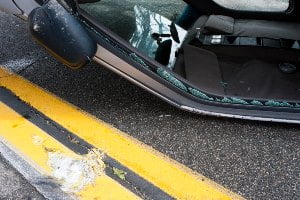
sedan rolled over on roadThe impact from a rollover crash often causes the roof of the vehicle to cave in. For the driver and other occupants, this type of collision is likely to result in catastrophic or fatal injuries.
While there are numerous factors that can contribute to a rollover crash, the main culprit in these crashes is driver negligence. For this reason, victims are urged to meet with a licensed attorney to discuss legal options.

At TSR Injury Law, we know how devastating a rollover crash can be and we are prepared to help victims, at no upfront cost. Our Minneapolis vehicle accident lawyers have obtained millions for crash victims.

Call today to set up your free legal consultation: (612) TSR-TIME.

What is a Rollover Crash?

A rollover crash occurs when a vehicle either rolls over onto its side or flips upside down. Sometimes vehicles stop rolling when they hit the pavement. However, if a vehicle is traveling at a significant speed, it may rollover two or more times before coming to rest.

Sometimes a rollover crash involves two or more vehicles. However, rollover crashes are often single-vehicle crashes where the driver made a dangerous maneuver that caused the vehicle to roll. While single-vehicle rollovers are incredibly dangerous, the risk of a death goes up significantly when more than one vehicle is involved.

How Do Cars Flip Over in a Crash?

Rollover crashes can be divided into two main categories: untripped rollovers and tripped rollovers.

Tripped Rollover Crashes

This is the most common type of rollover crash and occurs when one of the vehicle’s tires digs into soft ground or hits a curb, ditch, guardrail or median. This creates a sudden increase in lateral force, causing the weight of the vehicle to shift to one side, creating the potential to roll the vehicle before regaining control.

A tripped rollover often happens after a collision with another vehicle. The impact could push one vehicle off the road and cause the wheels to hit something that shifts the weight of the vehicle. Tripped rollovers may also be more likely to happen when the roads are slick from rain, snow or ice.

Tripped rollovers can also happen when a vehicle:

  • Bounces over a fixed object
  • Climbs up and over an object, lifting the vehicle off the ground
  • Flips forward, going end over end
  • Falls over, such as if the vehicle goes over a hill or down an embankment

Untripped Rollover Crashes

An example of an untripped rollover crash would be one that occurs when a driver attempts to turn at high speed. As the vehicle turns, gravity and inertia push the vehicle toward the outside of the curve. The weight of the vehicle itself can cause it to rollover. This can be attributed to the force of inertia overcoming your tire’s grip on the road. An untripped rollover like this is more likely to happen if the vehicle is top heavy.

Untripped rollovers can also occur when one vehicle makes evasive maneuvers to avoid a collision with another vehicle. For example, if the driver of a top-heavy vehicle swerves to avoid a rear-end crash, it could rollover in the direction he or she swerved.

What Factors Can Contribute to a Rollover Crash?

There are countless factors that could contribute to a rollover collision, such as:

  • Distracted driving
  • Speeding
  • Drunk or impaired driving
  • Turning too hard
  • Overloading the car with cargo
  • Side impact from another vehicle, such as in an intersection
  • Driving too fast around a corner
  • Losing control of the car and veering down an embankment
  • Inclement weather (rain, snow, ice, road debris, potholes, etc.)
  • Negligence by the designer or manufacturer of the vehicle
  • Drowsy driving
  • Aftermarket tires that grip the road better than stock tires
  • Old, worn tires that do not grip the ground well, which can lead to skidding and rolling over

Negligent driving is a factor in almost all rollover collisions. That means whether you were a passenger in the negligent driver’s car or in another car, you may be able to seek compensation for your damages.

Proving negligent driving can be a challenge. That is why victims need an experienced lawyer to assist them. Insurance companies often downplay car crashes and try to find a reason to deny these claims. They are also far more likely to take a claim seriously if you are represented by an experienced lawyer.

What Types of Vehicles Are Most Likely to Roll Over?

The higher a vehicle is off the ground, the more likely it is to roll over. Large trucks, SUVs and even crossovers have a higher risk of rolling over, either from driver negligence or a collision with another vehicle or fixed object. Full size passenger vans also have a higher risk of rolling over.

It is also important to note, any large vehicles will have a higher risk for rolling over if they are overloaded, particularly if cargo has been loaded on the roofs of these vehicles.

SUVs that have off-road suspensions installed may also have an increased risk of rolling over due to the raised height of the vehicle.

Common Rollover Crash Injuries

There are many reasons why serious injuries are common in rollover collisions. For example, the roof could cave in when the vehicle flips over, the airbags could deploy improperly and cause injury, and if the vehicle rolls multiple times, you could get tossed around and suffer multiple serious injuries.

Some of these injuries include:

  • Traumatic brain injuries from hits to the head or from getting violently shaken around
  • Spinal cord damage
  • Severe fractures
  • Internal organ damage
  • Lacerations, such as from broken windows or broken metal
  • Crush injuries, from a collapsed roof or body parts getting pinned under the dashboard
  • And more

How to Lower the Risk of a Vehicle Rollover

Sometimes there is no way to prevent a crash with another car. However, there are many things you can do to lower your risk of a rollover crash.

For example, avoid going too fast around a corner. This is dangerous no matter what type of vehicle you are in, but particularly in larger vehicles that are higher above the road.

Speeding is a bad idea. Not only is it against the law, but it puts you at higher risk for many types of crashes. If you hit something unexpectedly at high speed, there is a risk you could lose control of your vehicle.

Make sure your tires are properly inflated and balanced. Unbalanced tires can make the car harder to control around corners. Replacing old, worn-down tires is also a necessity.

Avoid distracted driving. If you are driving while distracted, you might not notice an avoidable hazard, causing your vehicle to roll over.

TSR Injury Law is Ready to Assist You. Contact Us

Rollover collisions can have permanent or even fatal consequences. That is why victims should strongly consider talking to an experienced lawyer about their options. An attorney may be able to recover compensation to cover the injuries and damages you suffered.

TSR Injury Law has obtained more than $1 billion on behalf of injured victims in Minnesota. We also take cases on contingency, which means there are no upfront fees for our services.

Have legal questions? We are here to help. Call (612) TSR-TIME.

Sometimes a rollover crash involves two or more vehicles. However, rollover crashes are often single-vehicle crashes where the driver made a dangerous maneuver that caused the vehicle to roll. While single-vehicle rollovers are incredibly dangerous, the risk of a death goes up significantly when more than one vehicle is involved.”
}
},{
“@type”: “Question”,
“name”: “What Factors Can Contribute to a Rollover Crash?”,
“acceptedAnswer”: {
“@type”: “Answer”,
“text”: “There are countless factors that could contribute to a rollover collision, such as:

Distracted driving
Speeding
Drunk or impaired driving
Turning too hard
Overloading the car with cargo
Side impact from another vehicle, such as in an intersection
Driving too fast around a corner
Losing control of the car and veering down an embankment
Inclement weather (rain, snow, ice, road debris, potholes, etc.)
Negligence by the designer or manufacturer of the vehicle
Drowsy driving
Aftermarket tires that grip the road better than stock tires
Old, worn tires that do not grip the ground well, which can lead to skidding and rolling over

Negligent driving is a factor in almost all rollover collisions. That means whether you were a passenger in the negligent driver’s car or in another car, you may be able to seek compensation for your damages.

Proving negligent driving can be a challenge. That is why victims need an experienced lawyer to assist them. Insurance companies often downplay car crashes and try to find a reason to deny these claims. They are also far more likely to take a claim seriously if you are represented by an experienced lawyer.”
}
}]
}

Does Insurance Cover an Auto Accident on Private Property in Minnesota?

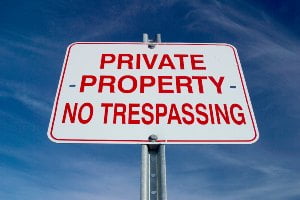
no trespassing sign Do you know your rights after a car crash on private property? Can you file a claim just like you would after a collision on public property? Could the private property owner be held liable?
If you were injured in a crash on private property in the Bloomington area, TSR Injury Law may be able to help you. Our law firm has been working with crash victims for decades, helping them secure compensation for their medical costs and other damages. The initial consultation with an experienced Bloomington vehicle accident lawyer is free, and we are not paid unless you receive compensation.

Below, we discuss some of the things you need to know about private property car crashes and your rights as a victim.

We are ready to take your call. Phone: (612) TSR-TIME.

Common Types of Private Property Car Crashes

There are many different types of car accidents that could happen on private property in Minnesota. These are some of the most common types:

Collisions Caused by Unsafe Road Conditions

Potholes and damaged roads can cause you to lose control of your vehicle, causing a crash with another vehicle or a fixed object, like a road sign, tree or construction barricade.

Crashes With Drivers Backing Out of Parking Spaces

There are many reasons why crashes happen in parking lots. One of the most common is reckless driving while a car is backing out of a parking space. For example, the driver of the car that is backing out may have failed to look before backing up. An accident may also be caused if the driver in the through lane attempts to pass another vehicle backing out of a parking space.

Crashes in Fields or Other Temporary Parking Areas

When you go to concerts, fairs or other events, you may need to park in a field which can be confusing in these locations. Drivers may not know where they are supposed to go, and they may be distracted while they are trying to figure it out.

Crashes on Gravel or Dirt Roads

It can be much harder to handle your vehicle on a gravel or dirt, as opposed to a paved roadway. Unfortunately, drivers may skid or lose control because they are either unfamiliar with driving on gravel or they failed to take precautions while driving on these types of roads.

Crashes in Parking Garages or Narrow Roadways

Parking garages often have narrow through lanes, which makes it hard to safely accommodate two-way traffic. This can make it hard to avoid a head-on collision with another car. Drivers often speed in parking garages, giving you less time to react to avoid a collision, particularly around blind corners.

What Are the Differences Between Collisions on Public and Private Property?

For the most part, private property car crashes are the same as car crashes that happen on public roads. Those involved may suffer injuries and they may also have vehicle damage that needs to be repaired.

That said, there are some key differences between public and private property crashes.

Speed of the Accident

Many private property collisions happen while vehicles are traveling at relatively slow speeds. This is partly because the speed limit on private property is lower than the speed limit on public roads. Drivers may be looking for a parking space or be unsure of where they are going, which often leads to traveling at a slower speed.

However, serious injuries can still occur in crashes that happen at slower speeds. You should never assume the pain or discomfort you feel will go away on its own. You should always seek medical care after a crash. You could be suffering from:

  • Damage to the soft tissues around your joints
  • Broken bones
  • Dislocated bones/joints
  • Whiplash
  • Traumatic brain injury, even if you never lost consciousness

Fault for the Crash

Drivers are often the ones held liable for vehicle crashes. However, sometimes other factors may play a role in a private property collision. If the condition of the road contributed to the collision, the property owner may be at fault.

Property owners have a duty of care to everyone who comes onto their property legally. Generally, property owners need to take reasonable action to avoid putting visitors in an unreasonable amount of danger. If it was reasonable to expect a road condition or other hazard to be fixed or blocked off, the property owner may be liable if the condition causes an accident.

For example, if your crash was caused by a blind corner in a parking garage, the property owner may be liable for the negligent design of the garage. If there were dangerous potholes on a private road and driving over one caused a crash, the property owner may be liable for failing to fill these holes.

Private property owners have the right to set the rules of the road. If they set the speed limit too high, they may be increasing the risk of a crash.

If there is a blind corner, it may be reasonable to put in a light that will blink when the road is clear. Without such a light, it may be almost impossible to judge if you have enough time to make the turn before approaching cars.

What Steps Should I Take After a Car Accident on Private Property?

You should take the same steps you would take after a crash on a public road or highway.

1. Call 9-1-1

Always call 9-1-1 after a crash. The officers investigating the crash will write a report which serves as one of the first official records of what happened. Without a police report the insurance company may say you were injured by something besides the crash. Even if you did not call the police while you were at the scene, you should call them after the fact.

The report contains the other driver’s insurance and contact information and may also contain the officer’s assessment of fault for the collision.

2. Exchange Information With the Other Driver

While you are waiting for the police to arrive, exchange information with the other driver, including:

  • Contact information
  • License plate number
  • Driver’s license number
  • Insurance information

It may be easier to simply take pictures of these documents.

Depending on where the collision occurred, the property owner may be nearby. If so, ask for this person’s contact information.

3. Gather Evidence at the Scene

Depending on the severity of your injuries, you may be able to collect evidence. For example, you could take pictures of both vehicles and record everything you recall from the crash. Make sure you are not putting yourself in harm’s way by staying out of the street and avoiding areas with passing traffic.

There may be security cameras that captured the collision. If you see any cameras, be sure to take pictures of them.

4. Go to the Hospital

It is a bad idea to wait to seek treatment. If you wait to seek treatment your injuries may worsen significantly. You are also making it harder to obtain compensation. Insurance companies may get suspicious about the gap between the crash and when you sought treatment and can use this timeline to bolster their case against you.

Why You Need an Experienced Attorney

There are numerous benefits to hiring an experienced attorney to help you with your car crash claim, including:

  • Comprehensively investigating what happened
  • Obtaining video footage of the collision if it exists
  • Determining if the property owner may be liable
  • Reviewing available insurance coverage
  • Negotiating with the insurance company for fair compensation
  • Filing a lawsuit, if necessary
  • And more

If you have any questions about the benefit of an experienced law firm after a car accident, we are available to answer your legal questions.

TSR Injury Law is Here to Help. Call Today

Car insurance companies are always looking for some way to get out of paying fair compensation to crash victims. That is why victims need experienced legal assistance.

TSR Injury Law has obtained more than $1 billion on behalf of our clients. We have successfully taken on powerful insurance companies and obtained favorable results for our clients.

No upfront fees or legal obligations. Call (612) TSR-TIME.

Minnesota Drivers Not Getting the Message About the Dangers of Distracted Driving

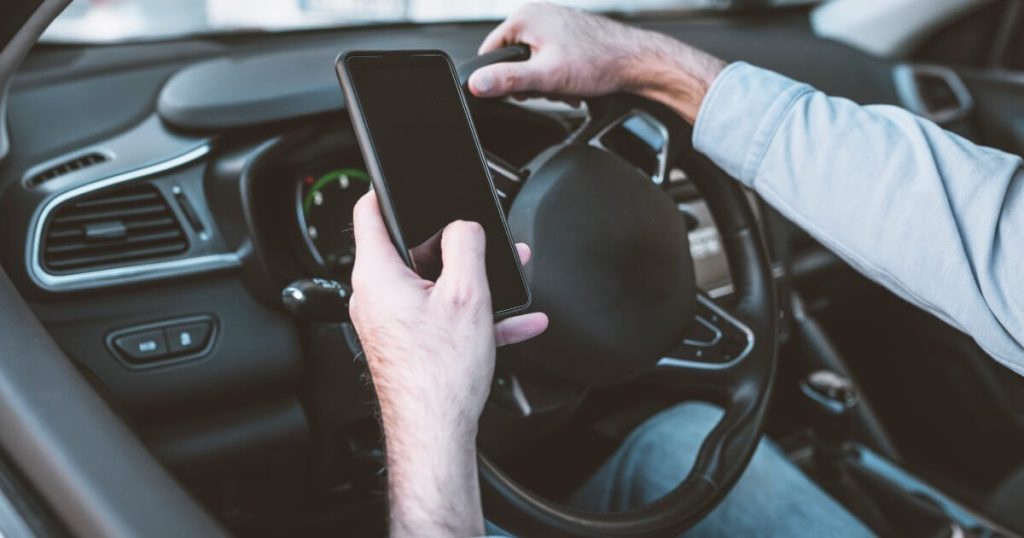
Current image: driver using phone while driving

April was Distracted Driving Awareness Month. All month long, law enforcement in Minnesota was striving to raise awareness about the dangers of distracted driving and the state’s hands-free law prohibiting texting and driving. There were more than 275 agencies in Minnesota taking part in these efforts.

However, despite the extra attention, and four people dying in distracted driving crashes earlier this year, more than 3,400 drivers were ticketed for distracted driving in April.

Below, TSR Injury Law discusses the risks of distracted driving, along with Minnesota’s hands-free law and the penalties for violating it. If you were injured in a distracted driving crash, our Minneapolis vehicle crash lawyers are ready to help you seek compensation for your medical costs and other damages.

Call today. There are no upfront fees. (612) TSR-TIME.

Alarming Statistics on Distracted Driving in Minnesota

Mike Hanson, the director of the Minnesota Department of Public Safety’s Office of Traffic Safety, says it is “mind-blowing” that drivers do not understand why they should not be distracted behind the wheel. Drivers need to be focused on the road, not their phones, food or personal grooming, according to Hanson.

Distractions put drivers at much greater risk of a crash with another vehicle, and the results of these collisions can be devastating. In 2022 alone, 22 people died and there were 126 injuries attributed to distracted driving collisions in Minnesota.

Distracted driving is not just dangerous, some forms of it are illegal in Minnesota. Starting August 1, 2019, it became illegal to hold your phone or other electronic devices while you are driving. You are allowed to use your phone to make a call, send a text, listen to podcasts or music, or to get directions. However, this is only legal if you do so with voice commands or by activating the device with one touch.

The first distracted driving offense comes with a $120 fine. The second offense and subsequent offenses come with a $300 fine. You will also be responsible for paying court fees.

While distracted driving was a factor in one of every 11 car crashes in Minnesota between 2018 and 2022, the news is not all bad. In 2022, the number of deaths and serious injuries from distracted driving crashes hit their lowest levels since the hands-free law was passed in 2019.

What Are the Risks of Distracted Driving?

Distracted driving means operating your vehicle while your attention is diverted from the task of driving. Common examples of distracted driving activities include:

  • Texting
  • Personal grooming
  • Conversations with passengers
  • Eating

There are three main types of distracted driving:

  • Cognitive distractions – A cognitive distraction is one that affects your concentration while you are behind the wheel. For example, talking on the phone or texting are examples of things that divert your concentration from driving. Even if you are not looking at your phone, your brain is focused on the conversation. Your brain can only focus on so many things at a time, which is why cognitive distractions are so dangerous. Other examples of cognitive distractions can include thinking about something that stresses you out or simply being excited about where you are going.
  • Visual distractions – Visual distractions are things that take your eyes off the road. For example, you may look away from the road to adjust the air conditioning or the radio. Other common examples may include talking to your child in the back seat or watching a weck on the side of the road while driving by.
  • Physical distractions – These are distractions that result in the driver taking one or both hands off the wheel. Some examples include taking your hands off the wheel to eat or drink, or simply grabbing a dropped toy or device for a child.

Many distractions fall under all three categories. For example, texting takes one hand off the wheel, while also taking your eyes off the road and your mind off the task of being a safe driver.

The problem with distracted driving is that it makes it harder to operate your vehicle safely and avoid a collision. For example, if you look down at your phone for just five seconds while traveling at 55 miles per hour, you will have traveled the length of a football field. This dramatically increases the risk of a crash.

Texting and driving is often a contributing factor in rear-end collisions. Drivers are looking away from the road and when they look back, they are unable to stop before crashing into the back of the car in front of them. If they were paying attention, they would have been more likely to notice the stopped car in time to slow down and avoid a crash.

Distractions like conversations with passengers or anxiety about something going on in your life might not pull your eyes away from the road. However, your lack of concentration could result in speeding, a failure to stay in a lane, or failure to use a turn signal.

While many drivers say they understand the dangers of being distracted, they continue to engage in distracted driving behaviors. Many people are unaware of how long they are not focused while driving.

Call TSR Injury Law to Discuss Legal Options After a Crash

If you were injured or lost a loved one because another driver was distracted, our experienced lawyers may be able to help you seek compensation. Our firm has decades of experience helping Minnesota crash victims recover the compensation they need.

There are no upfront costs or fees with our services. The initial consultation is also free of charge. If we do not recover compensation, we do not get paid.

TSR Injury Law. Experienced Lawyers. Proven Results. Call (612) TSR-TIME.

Illegally Parked Car Crashes: What You Need to Know About Filing a Claim in Minnesota

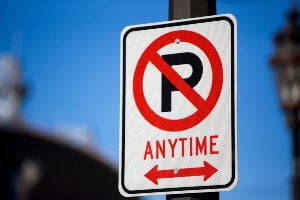
no parking sign on poleIf one of the vehicles involved in a car crash was parked, the driver of the other vehicle is most likely at fault. The situation could become more complicated if the car that got hit was illegally parked.

Is it possible for the driver who illegally parked the vehicle to be found partially at fault? What if the parked vehicle was hard to see?

Victims of illegally parked car crashes who were injured may be able to file claims for compensation. If you have questions after a Minnesota car crash, contact TSR Injury Law’s Minneapolis vehicle accident lawyers. We can discuss legal options and we have the resources and experience to guide you through the legal process.

TSR Injury Law. No upfront fees. Call (612) TSR-TIME.

What is the Definition of an Illegally Parked Vehicle in Minnesota?

An illegally parked vehicle is one that is parked in violation of state law. Under Section 169.34 of Minnesota Statutes, it is illegal to park a vehicle in any of the locations listed below:

  • Sidewalk
  • In an intersection
  • In a crosswalk
  • At the front of a driveway, whether public or private
  • Within 10 feet of a fire hydrant
  • Within 20 feet from a crosswalk at an intersection
  • Within 30 feet of a flashing beacon, stop sign or other traffic-control signal on the side of the road
  • On any elevated structure on a highway (bridge) or in a tunnel, unless the law says otherwise
  • Within 50 feet of railroad crossings
  • In a bicycle lane, unless a sign permits parking
  • Anywhere that signs prohibit parking
  • Next to a vehicle that is stopped or parked at the curb or street’s edge
  • Next to an excavation of the street or any obstruction if your vehicle would obstruct traffic or cause traffic to stop
  • Less than 20 feet from an entrance to a fire station or on the side of any street within 75 feet of the entrance
  • Between an adjacent curb and a safety zone; inside of 30 points from the curb that is opposite the end of the safety zone

The only time parking in any of these locations may be legal is if it is necessary to avoid other traffic, or you are being directed to park in these locations by the police or a traffic control device.

Parking in any of these locations is not only illegal, but it can also increase the risk of another car hitting yours. Parking rules are meant to prevent you from getting into a crash and prevent passing cars from hitting yours.

A crash with a parked car could cause serious injuries. Even though the other car was not moving, you may have been going fast enough to cause extensive damage. Even at 20 mph, you could suffer a serious injury that creates significant medical bills. For example, your head could whip forward, causing whiplash. You could also suffer other soft-tissue injuries such as sprains and contusions. This is why it is so important for drivers to only park or stop their vehicles where the law allows.

Who is at Fault for an Illegally Parked Car Crash in Minnesota?

Typically, if a crash involves one vehicle that was stopped and another that was in motion, the driver of the car that was moving is likely going to be held liable. However, the situation is more complicated when one of the vehicles was parked illegally.

In these situations, one of the most important questions is whether you could have avoided a collision with the parked vehicle. If the crash happened in the daytime and the other car was clearly visible, it would be difficult to hold the other driver at fault.

Even if another driver does something illegal, you may have time to slow down, stop or change lanes to avoid a crash. If it was reasonable for you to take steps to avoid a collision and you did not, the crash may be your fault. If you are unable to avoid a collision because you were distracted or speeding, you are probably the at-fault party.

However, if you were on a dark street at night and it was hard to see a double-parked vehicle, it may have been much harder for you to avoid a crash. For example, if you were coming around a blind corner and a vehicle was stopped in the middle of the road or halfway in the road and another car is coming in the other direction, you might be unable to slow down or stop to prevent a crash.

Another example would be a collision in a roundabout, particularly if the crash happened at night. Sometimes it is difficult to see around the curve of a roundabout because of landscaping in the middle. If a car is stopped, you might not see it until you are right up behind it and a collision may be unavoidable.

If a driver’s car stops running for some reason and the driver stops the car in the middle of the road, without turning on his or her hazard lights, that driver might be partially at fault for a collision with a passing vehicle.

What if I Was in the Parked Vehicle?

Even though you broke the law by parking where you did, another driver may be the sole party at fault for the collision. You may be able to seek compensation from that driver’s liability insurance policy. The other driver that hit you may have been negligent for hitting your car, especially if they were driving reckless, or under the influence of drugs and alcohol.

Illegally parked car crash cases can be complex, which is why you should discuss the situation with an experienced attorney.

What Happens if the Other Driver is Partially at Fault?

In Minnesota, you are responsible for the percentage of damages that corresponds to your percentage of fault for a collision. In other words, if you are found to be 20 percent at fault, you can only recover 80 percent of the cost of your damages. State law also prohibits you from recovering compensation if you are more at fault than the other party involved in the claim.

What this means for a crash with an illegally parked vehicle is you could only recover compensation in a liability claim if your percentage of fault was less than the other driver’s percentage of fault. Any percentage of fault you bear will be deducted from compensation you recover.

Filing a Claim After a Crash With an Illegally Parked Car

Even if you cannot file a liability claim against the driver of the parked car, you should be able to file a no-fault claim with your own insurance company. Minnesota is a no-fault state, which means drivers are required to purchase personal injury protection insurance. This type of insurance covers medical expenses and other damages no matter who is at fault for a crash.

What to Do After an Illegally Parked Car Crash

You should move your vehicle out of the flow of traffic. If it was hard for you to avoid a crash, it may be hard for other drivers to avoid one as well.

It is illegal to leave the scene of a car crash. If you hit a parked car and the owner is not there, you should leave a note on the parked car. The note should include your contact information, insurance information and other information you would exchange with the driver if he or she was there.

It is also understandable to expect you to make a reasonable effort to find the driver. If anyone else is there, ask if they know the driver or how to contact him or her.

If you were injured, you should call 9-1-1. They will most likely send a police officer to the scene to investigate and complete a report as well as an ambulance for medical evaluation.

While you wait for the police to arrive, you can try to collect evidence. This could include pictures of the damage to both of your vehicles. You can also photograph the location and damage created by the crash, such as skid marks or debris. That said, be cautious. You do not want to be walking around in an open lane of traffic and risk getting hit by a passing car.

Call to Discuss Your Car Crash

Many car crash victims think they do not need an attorney. They assume they can file an insurance claim on their own and get the compensation they need.

However, your injuries could be worse than you think. Insurance companies routinely try to underpay claims, even if victims were seriously injured.

TSR Injury Law has been taking on insurance companies for decades. Our attorneys have secured millions for crash victims and our services come with no upfront fees.

We are ready to help you seek compensation. Call (612) TSR-TIME.

Can You File a Personal Injury Lawsuit That Includes Damages For Scarring and Disfigurement?

Current image: psychologist doing assessment of patient

Some personal injuries will affect victims for the rest of their lives. In addition to physical disabilities, victims may also be left with permanent scarring or disfigurement.

Having a permanent scar can cause depression, anxiety and other mental health issues as victims try to cope with their new physical appearance.

Disfigurement or scarring can also affect the victim’s willingness to enter social situations, which can affect quality of life.

If you or your loved one suffered permanent scarring or disfigurement because of another’s negligence, contact TSR Injury Law today. Our Minneapolis personal injury lawyers may be able to help you seek compensation. Our firm has a history of results, having secured more than $1 billion for our clients.

Have questions after an injury? Call us: (612) TSR-TIME.

What Types of Incidents Can Cause Scarring and Disfigurement?

There are many types of accidents that could result in permanent scarring or disfigurement.

Car and Truck Crashes

Broken glass and sharp metal can cause deep cuts called lacerations. Victims often have scars from the injury and usually from the surgery as well.

If the crash causes an explosion or a fire starts, victims could suffer severe burns. This tends to be more likely if the victim happens to get trapped in the vehicle during the accident. This could happen if your leg gets pinned under the dashboard or the damage to your vehicle is so severe you cannot open your door.

Permanent injuries are more likely to happen in a commercial truck crash. The force of impact during these collisions is so powerful, passenger vehicles don’t stand much of a chance. This could result in amputations and severe crush injuries.

Dog Bites

Dog attacks can cause serious, even life-threatening injuries. While immediate treatment may prevent serious consequences, victims may be permanently scarred from a bite.

Fires and Explosions

If you are in another person’s property and a fire breaks out, you could be severely burned and need skin grafts. If it is possible the fire started due to the negligence of the property owner, you could be entitled to compensation.

Defective Product Incidents

We trust product designers and manufacturers to produce safe products that do not carry an unreasonable risk of injury. However, manufacturers and designers often fail to uphold this legal duty and consumers can suffer severe injuries as a result.

Falls and Other Accidents on Another’s Property

Slip and fall accidents are serious situations that often result in severe injuries. If you fall from high off the ground, you could suffer puncture wounds and severe fractures. As doctors treat the injury, permanent scarring may follow.

What are the Types of Scarring You Could Suffer in an Accident?

Scars develop when the skin is damaged, either from an injury or because of surgery. Minor scars may not leave a permanent mark, but anything more serious is sure to remain on your body for a long period of time.

There are three main types of scars that remain on the body after the underlying injury has healed.

Keloids

These are dark, round scars that could inhibit movement in part of the body where they are located. It is sometimes possible to freeze the scar with liquid nitrogen and it will scab up and flake off. In more serious cases, surgery may be necessary. Doctors may also recommend steroids. Keloids commonly affect those who have a darker complexion.

Contracture Scars

These are scars that are usually associated with a burn injury. These scars form as the skin comes together and can affect your mobility. It is also possible for a contracture scar to affect muscle tissue and nerves.

Hypertrophic Scars

These are red, thick scars that protrude above the skin. Keloids are often more difficult to treat than hypertrophic scars.

What is Disfigurement?

Scarring is just one aspect of disfigurement. Any scar, deformity or blemish that changes your appearance could be classified as a disfiguring injury. A severe burn injury, particularly to your face or another body part that is hard to cover up would be considered a disfiguring injury.

Disfigurement also includes the loss of a limb or an unusually shaped body part. While doctors can provide treatment to save the victim’s life, they may not be able to prevent the formation of scars and changes to the victim’s appearance.

Changes in your appearance that you cannot fix can lead to a variety of psychological and emotional troubles. People may develop a negative body image, develop low self-esteem, hide from other people, and suffer with depression and anxiety. These changes can also affect your ability to work.

Disfigurement creates a permanent physical reminder of the trauma you went through. This can cause prolonged emotional problems that can be difficult to manage.

Documenting Damages Caused by Scarring and Disfigurement

One of the challenges of recovering compensation for scarring and disfigurement is proving the value of your damages. Much of the damage from scarring and disfigurement is emotional and hard to place a value on.

Your attorney will need to work with you to gather strong evidence to prove your claim. Some of the evidence that may be used could include the following:

  • Medical records and bills showing the extent of your injury and the cost of treating it
  • Treatment notes from mental health professionals who have provided counseling
  • Cosmetic surgery records, if you chose to get surgery to try to fix the damage
  • Pictures of the injury
  • Journal entries from the victim in which he or she explains the psychological toll of the injury
  • Testimony from friends and family members about how you have changed since the injury
  • And more

What is the Value of a Scarring and Disfigurement Claim?

Your lawyer may be able to seek compensation for the following damages:

  • Cost of the initial treatment of your injury
  • Pain and suffering
  • Lost enjoyment of life
  • Loss of companionship
  • Bills for cosmetic surgery
  • Compensation for mental health counseling
  • And more

The value of the case is going to depend on numerous factors, including:

  • Location of the scar – A scar on your face, neck or hands is probably going to have a higher value than a scar on another body part.
  • Documentation about the change in quality of life – If the scarring or disfigurement affects your mobility you may have more trouble completing daily tasks you used to do.
  • Whether you are a man or woman – While each case is different, scarring may be viewed as a more significant injury for a woman than for a man.
  • Visibility of the scar – If the scar can be easily hidden under clothing, it may be harder to claim significant compensation.
  • Victim’s age – The younger you are, the more your claim for scarring and disfigurement is likely to be worth. Although the injury is still significant no matter how old you are, it is going to be harder to recover significant compensation if you are older. This is especially true if you are retired or close to retirement.

Were You Seriously Injured by Another’s Negligence? Call TSR

Our attorneys have been helping injured victims for decades, securing favorable compensation through settlement negotiations and in the courtroom. We know you probably have many questions, and we are here to help.

Our services are provided on contingency, which means there are no upfront fees. We do not get paid unless we recover compensation on your behalf.

TSR Injury Law. Experienced. Local. Lawyers. Call (612) TSR-TIME.

What is Loss of Consortium and When Can It Be Included in an Injury Claim?

rose on headstone Loss of consortium is something you may be able to claim if your spouse suffered a catastrophic or fatal injury caused by another’s negligence. Loss of consortium refers to the loss of your spouse’s companionship, affection, support and guidance, help with household chores and more. In other words, your spouse cannot provide what they did before the injury or death.

If your spouse suffered a life-changing or fatal injury, you should contact a licensed attorney to discuss your legal options. The Bloomington personal injury lawyers at TSR Injury Law are ready to help you pursue full compensation for your damages. Our firm has obtained more than $1 billion on behalf of our clients.

Call today. There are no upfront fees with our services: (612) TSR-TIME.

Who Can File a Minnesota Loss of Consortium Claim?

Generally, the surviving spouse is the only person who can file a loss of consortium claim. Minnesota court rulings have consistently reached this conclusion. These claims are typically only pursued in wrongful death cases involving the loss of a spouse.

It might be possible for a parent to seek loss of consortium damages for the loss of children. Grandparents might also be able to seek loss of consortium for the loss of grandchildren.

However, children usually are not able to recover the loss of consortium after losing a parent.

What Are Loss of Consortium Damages?

Loss of consortium refers to the intangible losses suffered after the death of a spouse or that spouse’s catastrophic injury. This can include things like:

  • Loss of love and companionship
  • Loss of a sexual relationship
  • Loss of ability to have children
  • Loss of the performance of household chores
  • Loss of care, including the loss of caring for children
  • Loss of affection
  • Loss of guidance and support

Even if the spouse did not die in the accident, he or she may be unable to provide these things because of the severity of his or her injury. For example, the spouse may have suffered a traumatic brain injury and he or she needs help with the most basic of tasks. Spinal cord injuries could also impair the ability of a spouse to perform household tasks and care for children.

What Must Your Lawyer Prove to Recover Loss of Consortium Damages?

Your lawyer must prove certain things to recover compensation for loss of consortium.

Qualifying Relationship

Your lawyer must establish that the claimant and the victim had a qualifying relationship. You must be the victim’s spouse, grandparent or parent.

Negligence Caused the Injury or Death

You must prove your loved one was injured because of another party’s negligence. For example, if your loved one was killed by a drunk driver, your lawyer would need to provide proof of the crash and the at-fault driver’s intoxication.

The Injury or Death Caused Loss of Consortium

Your lawyer would need to present evidence of what your spouse did before the injury. This can then be compared to what your spouse is able to do following the injury.

What is the Value of a Loss of Consortium Claim?

The value of any type of personal injury claim is going to be based on many factors. In a loss of consortium claim, the value is likely to be based on things like:

  • Your loved one’s life expectancy
  • Your life expectancy
  • The strength of the marriage
  • The scope of the loss (how much your loved one contributed to the relationship)
  • How severely your loved one’s injury has affected the relationship
  • The age of your children and the amount of care they need
  • Your role and your spouse’s role in childcare and household chores

If you are the one who went to work and your spouse was a stay-at-home parent, the value of your loss of consortium may be greater than the loss of a spouse who also worked full-time. You may now need to pay for childcare, which can easily cost several thousand dollars or more per year.

Call TSR Injury Law Today to Discuss Your Legal Options

The unexpected loss or catastrophic injury of a loved one is often the result of another party’s negligence. That means victims and/or their loved ones may be able to seek compensation for injuries and damages.

At TSR Injury Law, there are no upfront fees for our services. That means we do not get paid unless we successfully recover compensation for our clients.

Visit our case results page to learn more about the compensation we have obtained in a wide variety of personal injury cases.

More than $1 billion recovered. Call today: (612) TSR-TIME.