Can I Recover Compensation for Hearing Loss From a Car Crash in Minneapolis?

sound graphic going toward earHearing loss is often caused by aging or prolonged exposure to loud noises, but hearing loss can also be a side effect of a car crash injury. For example, crash victims who suffered whiplash or a head injury could suffer impaired hearing.

The experienced lawyers at TSR Injury Law discuss some of the ways a Minneapolis car crash could cause hearing loss or impairment. We discuss the symptoms of a hearing injury and how to seek compensation for medical care and other damages.

Our attorneys have been helping crash victims recover compensation for more than 25 years and there are no upfront costs to hire our services for your case.

Local Lawyers. Proven Experience. Call us today at (612) TSR-TIME.

How a Car Crash Could Damage Your Hearing

Hearing loss could be a symptom of another injury suffered in a crash, such as:

Head/Brain Injuries

Drivers or other vehicle occupants could hit their heads on something inside the car, such as the steering wheel, dashboard or window. These kinds of blows to the head could result in traumatic brain injuries that could damage your auditory pathways.

Some traumatic brain injuries may be accompanied by a skull fracture that damages the ear canal, leading to hearing impairment. It is also important to note that pieces of your broken skull have the potential to rupture your eardrum.

Other hearing-related side effects of a head or brain injury may include disruption of blood flow to the cochlea and fractures of the bones in the middle ear.

The cochlea is a bone in your inner ear that converts sound waves into electrical impulses. Damaging this bone can result in permanent hearing loss.

Whiplash

You could also suffer whiplash, a painful injury to the soft tissues in your neck caused by your head getting thrown forward and whipped backward during impact. Contrary to what some believe, you do not need to hit your head to suffer a brain injury. If your head gets thrown forward and whipped back hard enough, your brain could slam against your skull, causing a concussion.

While whiplash can result in limited mobility in your neck and pain that radiates down your shoulders and back, you could also suffer damage to your inner ear. Other conditions resulting from whiplash could include temporomandibular joint disorder (TMJ), a symptom of which is hearing loss or tinnitus.

Airbag Injuries

Sometimes hearing loss is not the result of a blow to the head, but the noise of the airbag being deployed. You may not know, but the sound of an airbag deploying can reach 160 decibels (dB). Anything over 140 dB can cause permanent loss of hearing, even if you only hear the noise once. The sound of two airbags deploying simultaneously can reach 170 dB, well above the threshold for the potential to sustain hearing loss.

What Are the Symptoms of Hearing Loss From a Car Crash?

There are several symptoms that may accompany hearing loss from a Minneapolis car crash, including:

  • Dizziness
  • Poor balance
  • Pressure in one or both of your ears
  • Your ear feels full
  • Burning or itching in your ear
  • Trouble understanding words, particularly when there are background noises
  • Struggling to distinguish between voices
  • Ringing in your ears, also known as tinnitus

If you experience hearing loss or muffled hearing after a car crash, our Minneapolis auto accident lawyers are here to help you seek compensation for your damage.

How Hearing Impairment Could Affect Your Life

Hearing loss or impairment is much more than a physical injury. For example, victims may need to change careers because they cannot work in the same field as before their injury.

This can have negative psychological consequences, as victims may experience depression and social withdrawal. Withdrawing from social situations can make depression, loneliness and other mental health challenges even worse.

Hearing loss can also affect relationships with family members and the willingness to take part in the same social and recreational activities as before the crash.

Hearing aids and other treatments may help regain hearing loss and improve your quality of life. However, these treatments can be expensive and difficult to afford without compensation from your insurance company and potentially the liable driver’s insurance company.

Proving a Hearing Loss or Tinnitus Claim

If you want to recover compensation for hearing loss from a car crash, you will first need to link your injuries to the crash. You will also need to establish the value of your damages. While bills and receipts can establish the value of your past medical bills, determining the value of other damages is not so easy.

How do you place a value on the emotional and psychological consequences of your injury? How do you determine the value of treatment you have yet to receive?

These are just two of the many reasons why car crash victims should seek help from an experienced attorney. We have been working with crash victims for decades and have a proven track record.

If you have a valid claim, our attorneys can determine the next steps you can take to document your injuries and damages. For example, you will need to see a medical specialist to fully document your hearing loss/impairment, such as an otolaryngologist and/or an audiologist. You may also need to see a neurologist if your hearing loss was caused by a brain injury.

Contact TSR To Discuss Legal Options After a Minneapolis Car Crash

Hearing loss can have a devastating impact on your life, and if it was caused by negligence, you should consider seeking legal help. An experienced lawyer may be able to pursue compensation for the cost of medical care, lost wages, pain and suffering, and more.

Give us a call to learn more about how we may be able to assist you. There is limited time to take legal action, so it is important to reach out to a lawyer right away.

There are no upfront costs with our services and the initial legal consultation is free of charge.

Call TSR Injury Law today: (612) TSR-TIME. We are dedicated to helping accident victims.
Guide to Hazardous Material Truck Crashes in Minneapolis

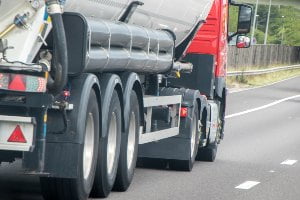
red hazmat truck on road

Hazmat truck crashes are rare, but in the past 10 years, the number of hazardous material truck crashes across the U.S. has been on the rise. In fact, according to a CBS News analysis of U.S. Department of Transportation data, these crashes have increased by 155 percent.

While any commercial truck crash is dangerous, hazmat truck accidents add an additional layer of danger. Crash victims could suffer injuries in the crash, as well as exposure to toxic materials that could lead to long-term injuries and medical issues.

At TSR Injury Law, our Minneapolis truck accident lawyers know how devastating commercial truck crashes can be, including those involving toxic cargo. Below, we discuss what drivers in Minneapolis should know about these situations, including liability and seeking compensation.

Call today for legal assistance. No upfront fees. (612) TSR-TIME

What Is the Definition of a Hazmat Truck?

A hazmat truck is a commercial truck that is specifically designated and authorized to transport hazardous materials, such as flammable liquids, explosives or acids. Hazmat trucks come in many shapes and sizes, depending on the types of hazardous materials they are transporting.

There is an extra layer of danger in operating a hazmat truck, which is why drivers must have a specific endorsement certifying they have been trained on how to safely transport hazardous cargo. Hazmat truck drivers are often required to pass a special type of background check to further ensure drivers will take the proper safety precautions.

Hazmat trucks are also required to have more liability insurance than other commercial trucks because of the additional danger their cargo poses.

Types of Hazardous Materials Carried By Commercial Trucks

The Federal Motor Carrier Safety Administration (FMCSA) created nine classes of hazardous materials, which include:

  • Class 1: Explosive materials – These are combustible materials that carry a risk of explosion, such as dynamite, flares, fireworks, ammunition and blasting agents.
  • Class 2: Compressed gases ­– This class includes compressed gases that are flammable or non-flammable, such as propane, helium and fluorine.
  • Class 3: Flammable liquids – Examples of substances in this class include gas, jet fuel, motor oil and ethanol.
  • Class 4: Flammable solids and spontaneously combustible materials – This class includes materials like activated charcoal, sulfur and aluminum powder.
  • Class 5: Oxidizers and organic peroxides – These are substances that help burn other materials, like ammonium nitrate.
  • Class 6: Toxic materials and infectious biological substance – This class includes things like rat poison, potassium cyanide and infectious viruses, like anthrax, Hepatitis B and Marburg virus.
  • Class 7: Radioactive substances – There are numerous examples of radioactive substances, such as uranium.
  • Class 8: Corrosive substances – These are substances that can quickly corrode or burn other substances, like battery fluid and other strong acids.
  • Class 9: Miscellaneous materials – Substances that do not fall into any other classes are considered miscellaneous. Common examples include lithium-ion batteries and dry ice.

Injuries That May Result From a Hazmat Truck Crash

Commercial truck accidents with smaller passenger vehicles, bicyclists or pedestrians can cause a variety of severe injuries, from soft-tissue damage to traumatic brain injuries, spinal cord injuries and amputations.

Hazmat truck crashes also create a risk of exposure to toxic chemicals that could cause serious or life-threatening illness. Once toxic substances become airborne, they can no longer be contained and even people miles away from the crash site could be in danger of breathing in toxic fumes.

In some cases, toxic substances cause short-term symptoms, like skin or eye irritation. However, others could develop a range of permanent respiratory or neurological problems or increase your risk of other dangerous medical conditions later in life. For example, exposure to a high dose of radiation could increase the risk of cancer.

Hazmat trucks often carry flammable substances that could cause large explosions. These explosions could cause serious or life-threatening burn injuries to those nearby, along with smoke-inhalation injuries. The substances that burn may also be toxic, increasing your risk of respiratory or neurological complications.

Safety Violations That Could Cause the Release of Toxic Substances

Despite the best efforts of the driver and the company that loaded the hazardous cargo, toxic substances could leak out in a crash. While the truck driver may have been cautious about loading the cargo, he or she may have been negligent behind the wheel, causing the crash. For example, the driver may have been speeding, distracted or making an unsafe turn or lane change.

Unfortunately, drivers and other parties are not always as cautious as they should be about securing hazardous cargo. There may have been various violations of FMCSA regulations on transporting hazardous materials. In fact, the FMCSA maintains a dashboard of HazMat violations. These are some of the most common violations for the 2023 fiscal year, as of September 28:

  • Package not secured in trailer – 3,427 violations
  • Transporting materials that were not prepared according to regulations – 639 violations
  • Failure to properly mark the cargo with tank with an emergency shutoff – 617
  • Failure to maintain or make emergency response information accessible – 1,398

There are specific rules about the loading, transporting and unloading of bulk tanks, and if these rules are not followed, it puts others at risk of exposure to toxic or flammable materials. There are also rules on which materials can be loaded together and which ones should not be loaded together.

Improper labeling could result in crash victims not knowing they were exposed to toxic substances during and after the collision. This could result in a delay in medical treatment, which could increase the risk of permanent illness.

Who Can Be Held Liable For a Hazmat Truck Crash?

While truck drivers are often held liable for truck crashes, their employers may also be vicariously liable. They may have been negligent in the hiring process or in the process of ensuring hazardous materials were handled properly. Trucking companies may have let a truck continue to be on the road even though it had failed inspections. The owner of the hazardous cargo may also bear liability for improper labeling and any other oversights.

Why You Need an Experienced Lawyer To Manage Your Claim

It takes an in-depth investigation to determine liability for a hazmat truck crash. This includes everything from reviewing state and federal regulations and trucking company records, to hiring a crash reconstruction expert and pulling black box details from the vehicles involved. You also need to know what to look for and what steps to take to quickly preserve evidence before it is altered or lost.

These are just a few of the many reasons victims need help from an experienced law firm. We know commercial truck crashes can result in life-changing injuries, and hiring the right law firm is the first step in determining who may be liable for the crash and which insurance policies are involved.

Are You a Victim of a Minneapolis Truck Crash? Call TSR Injury Law

Commercial truck crash victims need experienced legal assistance. These cases are not the same as car accident cases. There are so many factors involved in a commercial truck crash case, including powerful insurance companies and trucking companies fighting hard to avoid accountability.

At TSR Injury Law, we level the legal playing field, fighting for the best interests of those injured by another’s negligence. Like you, our goal is to secure maximum compensation for your injuries and damages.

Our legal services come with no upfront costs or obligations.

Give us a call today to discuss how we may be able to help you: (612) TSR-TIME.

Why Is the Insurance Company Asking You To Undergo an Adverse Medical Exam?

doctor typing report on laptopIn Minnesota, crash victims can seek certain forms of compensation from their own insurance companies. Some victims may think they are more likely to recover full compensation if they are dealing with their own insurance company.

Unfortunately, your insurance company is likely to employ the same tactics as any other. They are going to look for any reason to dispute the severity or existence of your injuries. That is why they often request that you undergo an adverse medical exam, also called an independent medical examination.

TSR Injury Law’s experienced attorneys explain what you need to know about independent medical exams after Minneapolis car crashes, including whether you are required to attend.

Contact us to discuss legal options after a Minneapolis car crash: (612) TSR-TIME.

What Is an Independent Medical Examination?

A request for an independent medical exam (IME), or adverse medical exam, may sound innocent enough. The insurance company may tell you they just want to confirm your treating doctor’s evaluation of your injury.

The word “independent” can also give crash victims a false impression, making it sound like the exam is merely an attempt to get an objective assessment of your injuries.

The truth is the doctor who performs the evaluation is anything but independent. Insurance companies select doctors who are likely to have a different opinion about your injuries than your treating doctor. Some of these doctors make a lot of money conducting these evaluations. Insurance companies hire them over and over because their opinions support insurers’ interests.

The doctor picked by the insurance company is likely to say your injuries are not as severe as your treating doctor claims. The doctor may even deny the existence of an injury or say you have a condition that existed before the crash.

The insurance company may also try to use the evaluation to attack your credibility.

When Do Insurance Companies Usually Request These Evaluations?

Some insurance policies require victims to undergo an independent medical exam in order to continue receiving treatment and having their bills paid. However, insurers may also request these exams in third-party claims when an injured person makes a claim against the at fault driver’s policy.

If the insurance company does not offer the compensation you need, your lawyer may need to file a lawsuit. After the suit is filed, the liable insurance company may request an independent medical exam while both sides are preparing for trial.

Insurance companies are more likely to request an adverse medical examination when victims are seeking significant compensation for long-term injuries.

Do I Have To Attend the Exam?

Sometimes you may be required to attend and other times you may not. For example, you are often required contractually to attend if you are filing a no-fault claim. There are limitations and the request must be “reasonable.” If you file a lawsuit against the at fault party’s insurer, you will be required to attend with few exceptions.

You should not take the insurance company at their word about whether you are required to attend. Even if they do not say you are required to attend the exam, they might tell you it will allow them to process your claim more quickly. However, it is important to keep in mind that their goal is to settle your claim for far less than it is worth, or for nothing at all.

If you are unsure about whether you are required to attend the exam, you should call an experienced Minneapolis car crash lawyer who can determine your legal rights. One of the benefits of calling a lawyer early in the process is that he or she can deal with the insurance company from that point forward. You will not need to worry about what to do when the insurance company calls or how to answer their questions.

Preparing For an Independent Medical Examination

Another advantage of being represented by an experienced lawyer is that he or she can make sure you are prepared for an independent medical exam. He or she can explain what happens during the exam and what to expect after it is done.

Getting Ready To Go To the Exam

It is important to dress well for the exam. That does not mean you need to wear a suit, but you need to look like you are taking the situation seriously. Avoid wearing worn or ripped clothing or a lot of jewelry. Women should avoid wearing high heels, as the doctor may think your injuries are not a big deal if you can walk in them.

You need to keep in mind that you may be under observation from the moment you get into the parking lot where the exam will occur.  It is important to be honest about the injuries and not to exaggerate or downplay the severity.

What Happens During the Exam?

An independent medical exam should not take much more than a half hour. The doctor is going to ask you a series of questions about your injuries, perform a physical examination and write a report. Some of the questions you may be asked include:

  • How have doctors treated your injuries?
  • Do you have any prior injuries from work, recreational activities or other accidents?
  • Have you completely recovered?
  • Do you have any long-term disabilities?

Even though the doctor may be looking for some reason to downplay your injuries, you should still be respectful and polite. Provide honest answers to the doctor’s questions, but be concise and do not exaggerate, as this can hurt your credibility. Make sure not to ramble or provide unnecessary information.

When the examination is over, the doctor may ask you to sign some paperwork. However, you should tell the doctor to send the paperwork to your lawyer for review.

What Happens Afterward?

When you get home, you should take notes about the examination. Write down what you were asked, what the doctor said and anything else you remember that you think may be important. Make sure to share your notes and observations with your lawyer, so he or she will have a better idea of how the exam went.

What if You Get a Bad IME Report? Can You Challenge It?

No matter how well you prepare, the IME doctor’s report may conflict with the evaluation of your treating doctor. Your lawyer can dispute the IME report and file a no-fault arbitration with the American Arbitration Association. TSR Injury Law has won thousands of these no-fault hearings by gathering evidence to back your claim, which can include:

  • Entries from the injured victim’s journal documenting pain and other symptoms
  • Explaining the law to the arbitrator that matches the client’s situation

Contact TSR for Legal Assistance After a Crash

Is the insurance company demanding you attend an adverse medical exam?

You need to know your rights in this type of situation, which is why it is important to contact a licensed attorney who has significant experience with Minnesota car crash claims.

At TSR, we have been helping crash victims for decades, securing millions on their behalf. Our services are provided on contingency, so there are no upfront fees and no fees while we work on your case.

Need legal help following a car crash injury? Contact us today: (612) TSR-TIME.

Why You Should Not Ignore Hip Pain After a Car Crash in Minneapolis

pen pointing at hip x-rayHip pain is a common symptom reported by car crash victims. While some experience pain right after the crash, some may not feel soreness or have any sign of an injury for several hours or days later. Either way, hip pain should be treated without delay.
If you or a loved one are experiencing hip pain or have been diagnosed with a hip injury after a car crash, our firm may be able to help you obtain compensation. While compensation may not be the first thing on your mind, it is vital to your recovery.

TSR Injury Law has recovered more than $1 billion on behalf of our clients, many of whom were injured in motor vehicle collisions.

Zero upfront costs or legal obligations. Call us at: (612) TSR-TIME.

Why Am I Experiencing Delayed Hip Pain After a Car Crash?

While some crash victims may feel symptoms of a hip injury immediately after being involved in a crash, others may not feel any pain for hours or even days. This is often a result of your body releasing chemicals (adrenaline and endorphins) that help mask the pain.

If you begin to feel pain in your hip hours or days after a collision, you may have sustained a hip injury. Unfortunately, delayed symptoms may increase the risk of complications and long-term hip problems.

Pain could indicate one of many hip injuries, including:

Hip Fracture

The impact of a crash could cause you to break one or more of the three bones in your hip, including the ilium, pubis or ischium. Some crash victims may suffer stress fractures, which may not hurt much right away, but the pain can worsen significantly as time goes on.

Hip Dislocation

Your femur could pop out of the hip socket and possibly sprain or tear supporting soft tissues. This may happen if your leg hits the dashboard during the impact of a crash.

Labral Tear in the Hip

Each hip socket contains a ring of cartilage that could get torn during a car crash.

Hip Bursitis

Many joints in your body, including your hips, contain bursae, which are fluid-filled sacs to cushion and lubricate the joints. Bursitis refers to inflammation of these sacs.

Tendonitis

Tendonitis refers to inflammation of tendons and ligaments. This soft tissue can have an impact to your overall mobility as it connects your muscles to various bones.

Sprains and Strains in the Hip

During a car crash, ligaments can get stretched too far or torn. This type of injury is extremely painful, and it can also make the affected joint unstable.

What Are The Symptoms of a Car Crash Hip Injury?

Pain is just one symptom that may indicate you have a hip injury. However, you could experience pain in a variety of places. There are other symptoms to watch for that may indicate a hip injury, including:

  • Loss of strength in your hip or the affected leg
  • Limited mobility
  • Pain or inability to put weight on the affected leg
  • Pain in your knee
  • Pain in your groin
  • Pain in your abdomen
  • Limping when you walk
  • The site of your injury feeling sore or tender
  • Struggling to move the joint
  • Increasing pain when you walk or stand up
  • Numbness, which may indicate damage to nerves
  • Clicking noises when you move the joint

If you experience any of these symptoms, you should seek treatment right away. If you wait, you may increase your risk of long-term complications from the injury.

After doctors diagnose and stabilize your injuries, you should strongly consider reaching out to an experienced Minneapolis car accident lawyer. Expensive medical care will often be needed in the event of a car crash, and victims who hire lawyers often recover more compensation than those who do not.

How Do Car Crashes Cause Hip Injuries?

Blunt force trauma is one of the most common causes of car crash injuries, including hip injuries. Your hip could get hit in a side-impact crash if the door gets bent inward. It is also possible that one or both your legs may also hit the dashboard and/or get pinned under the dashboard. Hip injuries could also occur if your body gets tossed around or violently twisted during the collision.

Treatment For Your Car Crash Hip Injury

Severe hip fractures may require surgery to repair the breaks or replace the hip. Doctors will need to do imaging tests (X-rays, MRIs or CT scans) to determine the extent of the damage and how it can be treated.

Soft-tissue injuries often do not require surgery. However, you may need to rest and limit physical activity to allow your injury to heal correctly. If you engage in too much physical activity, you risk further injury, such as another fracture.

Even if you do not need surgery, you are likely to need physical therapy to strengthen the surrounding muscles and tissues to prevent further injury. Doctors may also prescribe pain medication and anti-inflammatory medications to reduce swelling and promote healing.

While minor injuries may heal in a matter of a few weeks, severe injuries could take months to heal. Rehabilitation could also add significant time to the healing process.

What Are Your Legal Options For Recovering Compensation For Hip Injuries?

Minnesota is a no-fault state, so you can seek compensation for medical care from your own car insurance policy. Your lawyer may also be able to pursue a separate claim against the liability insurance in the at-fault driver’s policy.

Even though the insurance company may be liable for your damages, they are going to look for some way to deny or underpay your claim. When this happens, you may need to file a lawsuit to obtain the compensation you deserve.

At TSR, we are always prepared to go to trial, as our goal is to recover full compensation for medical care, lost wages and other damages.

If you have questions about legal options after a car crash hip injury, TSR Injury Law is here to help.

Call TSR Injury Law Today To Discuss Your Car Crash Claim

Many crash victims are unsure where to turn for help with the insurance company. While they might consider calling a lawyer, they may be unsure of how a lawyer can help.

TSR Injury Law manages the legal process on behalf of crash victims, which means we communicate with the insurance company, negotiate for compensation, write the demand letter, and much more. If you are already dealing with an injury, let TSR Injury Law handle the challenges of the legal process while you focus on healing.

We have been helping crash victims for decades and have established a proven record of success.

There are no upfront costs with our services. Call us today: (612) TSR-TIME.

Can I Still File a Claim if the At-Fault Driver Was Killed in the Crash?

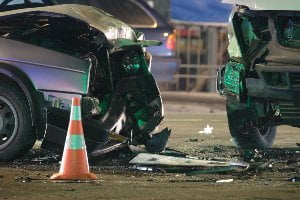
cars seriously damaged after wreckMinnesota car crashes are dangerous for everyone involved. While some at-fault drivers avoid serious injuries, others aren’t so lucky.

This raises many questions in the minds of victims. Can I still file a claim with the at-fault driver’s insurance company? Am I pursuing compensation from the deceased driver’s family?

If you were seriously injured in a crash caused by another driver, and that driver did not survive the collision, TSR Injury Law may be able to help you take legal action.

Our firm has been helping those injured in Minneapolis car crashes for many years. Our Minneapolis vehicle crash lawyers have secured millions to help these victims take back their lives.

Contact our firm today to schedule your free consultation: (612) TSR-TIME.

What Happens to the At-Fault Driver’s Insurance Policy?

If the at-fault driver had car insurance before the crash, the policy should cover the collision, whether the driver was injured, killed or unharmed. The policy does not suddenly become invalid because of what happened to the policyholder during the incident. Generally, the injuries suffered by this driver do not affect the victim’s ability to seek compensation.

This means the victim of the crash may be able to seek compensation from the at-fault driver’s liability insurance. The victim and his or her lawyer must prove the driver was negligent and link the victim’s injuries to the deceased driver’s negligence.

You may be concerned about seeking compensation, thinking that you are taking money from the family of the at-fault driver. However, it is unlikely you will be dealing with the family of the deceased at all. You and your lawyer would be asserting a claim with the at-fault driver’s insurance company. Your claim will have no financial impact on the decedent’s family.

Another reason to hire a lawyer is because the insurance company might not agree to pay out the compensation you need. A lawyer will be able to file a lawsuit on your behalf.

What if the at-Fault Driver Did Not Have Liability Insurance?

The at-fault driver may not have had insurance, or the policy may have expired before the collision occurred. In this type of situation, you would not be able to file a liability insurance claim because there would be no policy to pay out on the claim.

When there is no liability policy to recover from, you would need to turn to the uninsured motorist coverage in your own policy. This coverage is reserved for crashes with drivers who do not have insurance.

Can You File a Claim or Lawsuit Against the Deceased Driver’s Estate?

If the at-fault driver was uninsured, it may be possible to file a lawsuit against their estate. The lawsuit would make you a creditor of the decedent’s estate. If your lawsuit is successful, you would be paid as part of the probate process.

However, while filing a lawsuit against the deceased driver’s estate may be possible, it is an unlikely scenario. Most people do not have the assets to pay for medical care and other damages caused by a crash. When people get injured in Minnesota car crashes, compensation is usually paid out by the liable insurance company, uninsured or underinsured coverages.

Challenges of Recovering Compensation if the At-Fault Driver Died

People often think it should be easier to recover compensation if the at-fault driver is not there to dispute your account of the crash.

However, this could make the case more difficult to resolve. The insurance company may say it is difficult to determine what happened without hearing the deceased driver’s account of the collision. They may even say the fact their policyholder died means you are to blame for the collision. The insurance company is not going to pay out the claim because you were seriously injured.

This is why you should contact an experienced lawyer to manage your case. The experienced lawyers at TSR Injury Law have been helping crash victims for decades. We have been through the legal process thousands of times and have helped victims injured in a wide variety of collisions. We know how to build strong cases and pursue maximum compensation for victims.

Our lawyers will thoroughly investigate the collision to determine the cause of the crash, how negligence was involved, and ultimately outline a plan to get you the justice you deserve.

Call TSR Injury Law For Legal Help Following a Crash

Injured victims often have many questions after a crash. During this uncertain time, you could greatly benefit from meeting with an experienced attorney.

Our firm is deeply committed to securing full compensation to help you move forward from this unexpected crisis. There are no upfront costs with our services. That means the initial legal consultation is free and there are no fees while we work on your case.

TSR Injury Law helps injured victims with the legal process. Call us at: (612) TSR-TIME.

Blinded By the Light: What You Should Know About Minneapolis Car Crashes Caused by Sun Glare

sun glare shining into windshieldThere are many threats to your safety out on the road. One threat many people don’t think about is the sun, specifically sun glare. In fact, sun glare causes thousands of crashes each year, according to the National Highway Traffic Safety Administration.
You have probably had the experience of struggling to see traffic lights or the cars in front of you because of the position of the sun. Whether you squint, lower the visors, or put on sunglasses, sun glare still has the potential to cause a dangerous crash.

Below, our Minneapolis-based car accident attorneys discuss some of the things you should know about car crashes due to sun glare, including liability for these collisions. If you were injured in a crash and the driver blames sun glare, contact TSR Injury Law to discuss your legal options.

We are here to help. Call today to learn more: (612) TSR-TIME.

When You Are Likely to Encounter Sun Glare

Although the sun is up for about 12 hours each day, sun glare usually affects drivers early in the morning or late in the afternoon. It is easier for the sun to hit horizontal surfaces at these times, causing a bright glare off the road, water, or other vehicles.

The likelihood of sun glare is even higher if you have a dirty windshield as it can reflect off dried dirt, oils or other built-up residue. While you may think sun glare is only a risk in the warmer months, you also need to be careful during the winter months as the sun in lower in the sky and can often cause a bright reflection off the snow.

Liability For Crashes Where Sun Glare May Have Been a Factor

Sun glare can make it harder to see what is happening in front of you. In some cases, drivers literally cannot see for a few seconds, drastically increasing the risk of a dangerous rear-end crash.

Despite the difficulty of driving when dealing with sun glare, drivers cannot blame the sun for a collision. Drivers are expected to account for bad weather, such as sun glare, rain, snow or wind. If drivers do not account for bad weather and exercise additional caution, a crash could occur, and they are likely to be found liable.

Some drivers may say they could not prepare for such bright sunlight. However, it is often sunny outside just before drivers get behind the wheel. Even if it was not sunny at the time of departure, drivers are expected to account for changing weather conditions.

Another thing to remember is that sun glare usually occurs at the same times each day. Many people drive to the same places on a regular basis, meaning they are likely familiar with encountering sun glare. At-fault drivers who claim they did not expect sun glare are probably trying to avoid liability.

Avoiding a Crash When the Sun Affects Your Visibility

There are practical steps drivers can take to reduce the risk of sun glare crashes, such as:

Wearing Sunglasses

Polarized sunglasses can make it much easier to see when the sun is directly in front of you. However, if you have ever dealt with sun glare, you know sometimes sunglasses are not strong enough. You can also lower the visor inside your car to keep more of the sunlight out.

Cleaning Your Windshield

Every so often you should give your windshield a thorough cleaning to remove dirt. While driving, windshield wipers do a good job of cleaning the driver’s direct line of sight, however, often leaves residue on the outside of the wiper blade path. In addition to cleaning off left over residue, it is also recommended to replace old wiper blades and ensure your vehicle has enough wiper fluid.

Leaving Extra Space Between Your Car and the One in Front of You

When visibility is an issue, you should always leave more space between your car and the one in front of you. This gives you extra time to stop in case you lose track of how close you are to the back of that vehicle. A good rule of thumb is to keep three seconds of space in-between you and the vehicle in front of you.

Try a Different Route

This is not always possible, but if sun glare is a regular problem, you might consider taking a different route to or from work. While you might add a few minutes to your drive, not having the sun in your eyes may make your commute safer.

Another option is to leave earlier, avoiding the glare before it becomes an issue.

Turn on Your Headlights

Driving with your headlights on makes it easier for oncoming vehicles to see you. This should give other drivers more time to correct mistakes and adjust if they encounter sun glare.

What To Do After a Crash Caused By Sun Glare

You should handle the aftermath of a sun glare crash the same way you would handle the aftermath of any other collision:

  • Call 9-1-1
  • Tell the police what happened
  • Go to the hospital right away
  • Do not sign anything the insurance company asks you to sign
  • Contact an experienced lawyer to review your legal options

The other driver may try to blame the crash on sun glare. However, this is not a legitimate excuse.

That said, there is no reason to get into an argument with the other driver. Exchange information and wait for the police to arrive.

Contact Us To Discuss Your Car Crash Claim

Do you have questions after a Minneapolis car crash?

TSR Injury Law has been helping crash victims for decades. During that time, our firm has obtained more than $1 billion on behalf of our clients.

The initial consultation with an experienced attorney at our firm is free of charge, and there are no fees while we work on your case.

We do not get paid unless you get paid. Call for legal help: (612) TSR-TIME.

Who Could Be Held Liable For Injuries and Damages From a Minneapolis Head-On Collision?

front of car with frame damageA head-on collision is one of the most dangerous types of car crashes, as those involved are at much higher risk for severe or even fatal injuries.

If you were in the car that got hit and you suffered serious injuries, you may be eligible to seek compensation. TSR Injury Law’s Minneapolis-based car crash lawyers have represented many people who were seriously injured in collisions and obtained favorable results on their behalf. Our services are provided on contingency, which means we do not charge any upfront costs.

Below, we discuss why head-on collisions occur, why they are so dangerous, and how we determine liability for these types of crashes.

Contact TSR to discuss your post-crash legal options. Call (612) TSR-TIME.

What Is the Definition of a Head-On Collision?

A head-on collision occurs when two vehicles that are traveling in opposite directions crash into each other. The front of one vehicle crashes into the front of another, which is why head-on collisions are also referred to as frontal collisions.

While there is a high risk of serious injury in any head-on crash, the risk is magnified when one of the vehicles involved is larger than another, or when one of the vehicles is a motorcycle.

Why Do Head-On Collisions Happen?

Head-on collisions often happen because a driver:

  • Crossed the centerline of the road. When this occurs, it is often because the driver was drowsy, fell asleep, was impaired by alcohol or became distracted. Drivers might also lose control of their vehicles due to black ice or other poor weather conditions. Any of these conditions could cause them to drift over the centerline.
  • Failed to see, read or follow instructions on road signs. This might happen if someone has impaired vision or is elderly and gets easily confused.
  • Tried to pass another vehicle on a two-lane road using the wrong side of the road
  • Went the wrong way on a one-way street
  • Attempted to turn left without enough room, resulting in a head-on crash with a car traveling in the opposite direction
  • Lost control because of a tire blowout
  • Suffered a sudden medical emergency, such as a heart attack, stroke or seizure

Liability For a Head-On Collision in Minnesota

Most car crashes are caused by the negligent actions of one of the drivers involved. For example, it is both negligent and illegal to drive on the wrong side of the road or to drive the wrong way down a one-way street.

The driver who was negligent is going to be held liable for injuries and damages from the crash. In the context of a head-on collision, the driver who was traveling the wrong way is almost always going to be liable for the crash.

However, sometimes head-on collisions are part of a chain reaction from another crash. For example, maybe there was a crash on the other side of the road that caused another vehicle to cross the center line and get into a frontal collision with another vehicle.

In this scenario, the driver who crossed the center line might be partially at fault. However, he or she may have lost control through no fault of his or her own. That means drivers involved in the crash that started the chain reaction may bear most of the fault.

Could Someone Besides a Driver Be Held Liable For a Head-On Crash?

It may be possible to file a claim against the entity responsible for maintaining the road. For example, maybe there was a pothole that was difficult to avoid, and this caused a car to veer into oncoming traffic.

The way the road was designed may have made it easier to drift into oncoming traffic. This could be due to numerous factors such as road construction or detours.

If the crash was on a one-way street, there might not have been a sign alerting drivers to the fact that they were turning onto a one-way street.

However, these claims can be very difficult to prove without the resources of an experienced law firm behind you. Despite poor road conditions or other factors out of a driver’s control, he or she may still have been able to avoid a collision.

While there may be rare exceptions, most head-on crash claims involve car insurance companies.

Evidence For a Head-On Collision Claim or Lawsuit

One of the reasons you should consider hiring an experienced lawyer is so he or she can manage the legal process on your behalf. This includes investigating the collision and gathering evidence of the other driver’s negligence.

Your lawyer will need to establish that the other driver crossed into oncoming traffic. Your lawyer may also need to establish why the other driver could have avoided this. Evidence of alcohol impairment, distraction or fatigue, for instance, could help to bolster your claim.

Head-on collision claims often involve severe injuries. That means insurance companies are going to fight hard to avoid paying fair compensation. It also means your lawyer may need to bring in expert witnesses to help prove what happened and link your injuries to the collision.

These are just some of the reasons why you need an experienced lawyer managing your claim. TSR Injury Law is committed to securing full compensation to make sure you can get the medical care you need and deal with the other damages you suffered.

Injuries From Head-On Collisions

Head-on collisions can result in many serious injuries that could affect victims for the rest of their lives:

  • Broken bones, particularly in the arms and legs, but also the pelvis
  • Traumatic brain injuries, including open and closed head injuries
  • Broken ribs
  • Internal organ injuries
  • Crush injuries
  • Damage to the spinal cord
  • Soft-tissue injuries, which often accompany other injuries, such as fractures
  • Whiplash
  • And many more

Injured in a Head-On Collision? Contact TSR Injury Law

When people suffer catastrophic injuries in a car crash, they should not assume the insurance company will take care of them. You need a lawyer with experience managing these types of cases. You need a lawyer who has achieved results, either through settlements or courtroom verdicts.

TSR Injury Law has been helping crash victims in Minnesota for many years, securing compensation to help them start to put their lives back together.

Call us to schedule your free legal consultation: (612) TSR-TIME.

Can I File a Lawsuit if My Child Was Injured in a School Bus Crash in Minneapolis?

school children running to yellow school busSchool bus crashes are rare, but they do happen, either because of the negligence of the bus driver or another party. Even though school buses are large vehicles, the children who are on board could still suffer significant injuries.

You need to know what to do if your child is ever involved in a school bus crash. While your focus will be primarily on treating your child’s injuries, you should consider your legal options. Another party may be at fault, which means they may be liable for your child’s medical costs and other damages.

TSR’s Minneapolis auto accident lawyers discuss Minneapolis school bus crash claims below.

No upfront fees or legal obligations. Contact us today: (612) TSR-TIME.

Recent School Bus Crashes in Minneapolis

The numbers say traveling on a school bus is one of the safest ways for your child to get to and from school. The National Highway Traffic Safety Administration says children are eight times safer on a school bus than in other vehicles. However, crashes still happen:

  • On January 25, 2023, a school bus driver ran over a six-year-old in a parking lot in Brooklyn Park outside of Minneapolis. The child was hospitalized with non-life-threatening injuries.
  • On April 20, 2023, three people were injured when a school bus hit a tree at 40th Street and Cedar Avenue. Two young people and a woman were hospitalized with non-life-threatening injuries.
  • On April 24, 2023, a pedestrian was killed by a school bus at about 6:45 a.m. The crash happened close to Cedar Avenue South and 28th Street East.

Who Could be Liable for Your Child’s School Bus Injuries?

Most school bus crashes are caused by the negligence of the driver. Examples of bus driver negligence include:

  • Speeding, especially in residential areas
  • Drunk or impaired driving
  • Drowsy driving
  • Distracted driving
  • Violating another driver’s right of way
  • Running a red light
  • Ignoring a stop sign
  • Failing to use appropriate caution given the weather (rain, snow, wind, low visibility, etc.)
  • Failure to check a blind spot before changing lanes

Sometimes the driver isn’t the only one at fault, or they are only partially to blame. Other parties may have been negligent, and their actions may have caused the crash to occur.

For example, the manufacturer of the bus could be liable for equipment failure, such as brake failure. The repair shop responsible for servicing the bus may have done poor work. Mechanics may have failed to fix a mechanical problem or failed to notice a problem they should have seen.

It is also possible that the entity responsible for hiring the driver failed to conduct a thorough background check. It’s entirely possible that the driver did not have the proper training or qualifications to be operating the bus or maybe had been involved in other crashes and should not have been driving at the time of the crash.

The school district itself may also be held liable if the driver is an employee of the district. A Minnesota Supreme Court ruling in 2007 helped pave the way for school districts to be held liable for injuries to students on school grounds or during school-related activities. Districts cannot use the sovereign entity law to avoid liability.

School districts are required to develop and implement comprehensive written policies about safe transportation of school children. The policy must cover various aspects, including:

  • Appropriate student bus safety training
  • Intradistrict system to report bus crashes
  • Provisions about bus monitor qualifications, duties and training
  • Operating rules
  • Use and maintenance of type III vehicles, drivers of these vehicles, qualifications to drive these vehicles
  • Emergency procedures
  • System for maintaining and inspecting equipment

Violations of these policies could expose the district to liability if these violations led to the crash that injured your child.

It is also possible that another driver is liable for the crash. If they were operating their vehicle with negligence, they may be directly linked with the cause of the crash.

Challenges of Proving Liability For a Bus Crash

School districts and other parties that may bear liability are going to fight hard to avoid accountability. It is also going to take a comprehensive investigation to determine who may be at fault. Even if the driver is the only one to blame, your lawyer will need to establish why the crash happened and how it caused your child’s injuries. This may require experts, such as an accident reconstruction expert.

This type of investigation is best left to an experienced lawyer, who will know how to ensure no details are missed. A lawyer can also take formal steps to preserve evidence that may be vital to your claim.

What Should You do if Your Child Was Involved in a Bus Crash?

The first step is to get your child the medical treatment he or she needs. While you may have a legal claim, this is secondary to medical treatment.

Once your child’s injuries have been stabilized, you should contact an experienced lawyer to discuss next steps.

You may be contacted by an insurance company or the school district asking you to sign things or even to accept an offer of compensation. Despite their attempts to rush you into deciding, you can always discuss these decisions with your lawyer. Liable parties often try to rush victims into quick decisions that are not in their best interest.

Compensation For a Minneapolis Bus Crash

Our attorneys are committed to securing full compensation for the injuries and damages your child suffered in the crash. This could include:

  • Past and future medical costs
  • Long-term care
  • Physical therapy
  • Rehabilitation
  • Pain and suffering
  • Special equipment your child needs
  • Home or vehicle modifications
  • Permanent disability
  • Disfigurement

Call TSR Injury Law After a Bus Crash

Unsure where to turn after a school bus crash?

TSR Injury Law has been a tireless advocate for motor vehicle crash victims in Minnesota for decades. When you need legal advice you can trust, give us a call to learn how we may be able to assist you.

We take cases on contingency, which means no upfront costs. We do not get paid unless we secure compensation for you.

TSR Injury Law. Experienced Lawyers. Proven Results. Phone: (612) TSR-TIME.

Which Driver Could Be Liable For a Crash at a Minneapolis Roundabout?

aerial view of a roundaboutTraditional intersections with lights and stop signs have been used to control motor vehicle traffic for over a century. Did you know the first traffic light in the United States was installed in 1912? Although the total number of traditional intersections greatly exceeds the number of roundabouts, the number of roundabouts has steadily increased in recent years.
Since Minneapolis’s first roundabout was built in 1995, dozens more have been constructed – the Minneapolis Department of Transportation (MnDOT) estimates there are approximately 200 roundabouts across the state.

This is good news, as roundabouts tend to be much safer than traditional intersections. Unfortunately, crashes still happen, and victims need to know what their legal options are after a crash. TSR Injury Law’s Minneapolis-based auto accident lawyers are here to help, and there are no upfront costs for our services.

Give us a call for legal assistance. Phone: (612) TSR-TIME.

What Is a Roundabout?

You can think of a roundabout as a circular intersection. There are no traffic lights determining when a lane of traffic can proceed.

Instead, there is an island in the center with a road around it, with traffic moving in a counterclockwise direction around the island. Roundabouts are much more efficient than traffic signs or signals as they can handle high levels of traffic while maintaining better traffic flow.

Do Roundabouts Make Our Roads Safer?

MnDOT’s 2017 study of traffic safety at roundabouts had some encouraging findings:

  • 80 percent reduction in fatal and serious injury crashes at roundabouts compared to traditional intersections
  • 69 percent decrease in the rate of right-angle crashes at intersections with single-lane roundabouts
  • 83 percent decrease in the rate of left-turn crashes at intersections with single-lane roundabouts

Part of the reason for the decrease in traffic crashes at roundabouts is that they allow a more efficient flow of traffic. It often takes seconds to proceed through a roundabout, whereas you could wait minutes to proceed through a traditional intersection.

Some of the other benefits of roundabouts include:

  • The curve of the roundabout slows traffic down, which means crashes are less likely to be severe.
  • Turning is less dangerous because you do not need to cut across traffic or numerous lanes to find space to make a turn.
  • Vehicles travel in the same direction so there is almost no risk of head-on crashes.
  • It is easier to see pedestrians at roundabouts.

What Are the Rules of the Road For Roundabouts in Minneapolis?

The rules on driving through a roundabout are not complicated:

  • Vehicles that are already inside the roundabout have the right of way
  • Slow down as you approach and obey the posted limit while inside the roundabout
  • Proceed into the roundabout when it is safe to do so, and do not stop or pass other vehicles while inside the roundabout
  • Yield to pedestrians waiting in crosswalks, just like you would at a traditional intersection
  • Use your turn signal to indicate you are about to exit the circle
  • Remain in your lane until you exit the circle

Pedestrians should only cross the road at designated crosswalks. There should be median islands in the middle of each offshoot of the roundabout. You can use these to safely stop and check for oncoming traffic.

Common Causes of Roundabout Collisions

Despite the benefits of roundabouts, many drivers are not used to seeing them. This can lead to confusion and negligent driving that could result in crashes.

Examples of negligent driving that could lead to a Minneapolis roundabout crash include:

Exceeding the Speed Limit

Speeding increases the risk of a crash no matter where you are. Speeding gives you less time to react to avoid a collision, especially if other drivers are behaving negligently.

Failing to Yield

Some drivers who approach the roundabout fail to yield to cars that are already in the roundabout. They may also be in a rush and try to sneak in ahead of another vehicle, resulting in a collision. Drivers might also fail to yield to bicycle riders or pedestrians.

Stopping Inside the Roundabout

Drivers who are unsure about where they are going may decide to stop to try to figure things out. However, stopping in a roundabout is illegal and incredibly dangerous. If you stop at certain points around the curve, oncoming drivers may be unable to see you, increasing the risk of a crash.

Making an Unsafe Lane Change

Drivers need to be careful about changing lanes in two-lane roundabouts. Make sure to use a turn signal and confirm you have space to change lanes safely.

Failing to Maintain a Lane

Drivers need to stay in their lane until they exit the roundabout or change lanes before exiting the roundabout.

Liability For Roundabout Crashes in Minneapolis

When a collision happens in a roundabout, those investigating what happened will need to determine which driver was negligent.

The negligent driver is going to be at fault for damages from the collision. For example, one driver may have been speeding or failing to yield to another driver who had the right of way.

Drivers cannot use ignorance as an excuse for a roundabout collision. Confusion about the rules does not relieve drivers of the obligation to follow the rules. A driver who stopped and got rear-ended may say he or she bears no fault for what happened. However, this driver broke the law by stopping. At the very least, a driver who does this is going to be partially at fault.

Every roundabout crash needs to be analyzed on its own to determine who may be at fault.

TSR has the resources to reconstruct the crash scene, gather witnesses, gather vehicle black box data, and determine how best to get you the justice you deserve.

Call To Discuss Legal Options Following a Roundabout Collision

No matter where your crash occurred, our experienced law firm may be able to help you seek compensation for medical costs and other damages. We have been strong advocates for the injured in Minneapolis for decades, having recovered more than $1 billion for our clients.

Check out our client reviews page to see what our clients have said about their experience with our firm. Client satisfaction is our number one priority, as we know this is a difficult time for you and your family.

We represent crash victims on contingency, which means there are no upfront costs for you to pay.

Unsure of your post-crash legal options? Call for assistance: (612) TSR-TIME.

What Are My Legal Options After Getting Injured in a T-Bone Collision in Minneapolis?

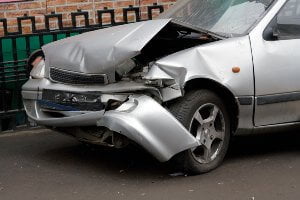
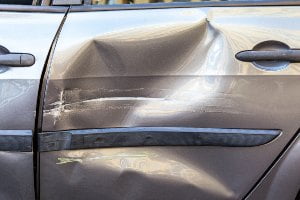
dent on silver car doorSome car crashes are more dangerous than others, putting those involved at a higher risk for severe or fatal injuries. A side-impact crash is one type of collision that can be especially devastating.

TSR’s experienced attorneys discuss the dangers of these collisions below, including the injuries they cause and why these injuries are more likely to occur.

If you were injured in a side-impact crash and the other driver is to blame, we encourage you to seek legal help as soon as possible. Our Minneapolis auto accident lawyers may be able to help, at no upfront cost to you.

Call us today to learn more: (612) TSR-TIME. Free consultation.

What is a Side-Impact Crash?

A side-impact crash involves the front of one car crashing into the side of another. These collisions often cause extensive damage to both vehicles involved.

Some side-impact crashes have an angle of impact that is almost 90 degrees. These crashes are commonly referred to as T-bone crashes because the vehicles form a “T.” Other types of side-impact collisions typically occur at an approximate 30-45-degree angle.

While side-impact crashes are extremely common in intersections, they may also occur in parking lots and other high traffic areas.

Why Do Side-Impact Crashes Often Cause Severe Injuries?

When one car strikes the front or rear of another vehicle, there is a buffer between the other car and those inside the vehicle. While airbags are the main preventative safety measure, front and rear bumpers, as well as trunk and engine compartments also offer an additional layer of shock absorption.

However, if a vehicle strikes the side of a car, the only thing protecting vehicle occupants are the doors, windows and side airbags, if the vehicle is equipped with them. Vehicles are not as well-equipped to absorb a side impact as they are a frontal or rear impact. A side-impact crash is more devastating because it is much closer to the vehicle’s occupants.

In other types of collisions, drivers may be able to slow down or stop to lessen the impact or avoid hitting the other vehicle all together. However, there is no way to slow down or steer away from a side-impact crash.

Injuries Often Caused by Side-Impact Collisions

T-bone or side-impact crashes in Minneapolis often cause severe or life-altering injuries, including:

  • Rib injuries
  • Punctured lungs, which often accompany a rib injury
  • Organ damage, along with internal bleeding
  • Spinal cord injuries
  • Traumatic brain injuries
  • Injuries to your pelvis and hips
  • Severe broken bones
  • Herniated discs
  • Lacerations from sharp metal or shattered glass
  • And much more

What Causes T-Bone Collisions to Occur?

As with most crashes, driver negligence is the main reason side-impact collisions occur. For example, a driver may blow through a stop sign or red light and crash into the side of another vehicle that had the right of way. Not only did the at-fault driver violate traffic laws by not stopping, but statistics show they were likely to be speeding as well. In addition to negligence, this could also be considered reckless or aggressive driving.

Side-impact crashes could also happen as a result of driver negligence during a U-turn or failing to recognize who has the right of way. Drivers who fail to yield or come to rolling stops at stop signs and stop lights are far more likely to be involved in these types of crashes.

Impaired driving is another common factor that can lead to a side-impact collision. Drivers impaired by alcohol and other substances are also a factor in many of the most devastating crashes throughout Minnesota.

Liability for a Side-Impact Crash In Minnesota

The liable party is likely to be the driver who ran into the side of the other vehicle. However, determining fault for a crash requires a full investigation as it always depends on the unique details of the crash.

If there is a traffic jam preventing vehicles from moving out of an intersection when the light changes, it increases the risk of a side-impact crash. If those cars are still in the intersection when the light changes, the vehicles that have a green light should wait, even though they have the right of way. If they proceed, it could cause a side-impact collision. In that situation, those drivers would probably be at least partially at fault if their actions lead to a crash. This is because they could have avoided a crash by simply waiting for the cars in the intersection to move.

If you were injured in a side-impact crash, your lawyer can help you gather evidence to prove what happened. For example, it is often possible to work backwards from vehicle damage to determine why the crash occurred and how negligence was involved.

Other evidence that may help prove your case includes:

  • Medical records documenting your post-crash treatment
  • Testimony from witnesses
  • Police report
  • Pictures of the scene

Call TSR Injury Law For Post-Crash Legal Help

One of the most important phone calls you can make after a crash, besides the phone call to the police, is the call you make to a lawyer. During this difficult time, you need legal guidance you can trust from attorneys who have been helping crash victims for decades.

At TSR Injury Law, we represent victims injured in crashes caused by the negligence of other drivers. We take on the insurance companies and advocate for the best interests of our clients. Over the years, we have obtained more than $1 billion on behalf of our clients.

There are no upfront fees with our services. Call us today at: (612) TSR-TIME.

Can I File a Claim For Compensation After a Hit-and-Run Crash in Minneapolis?

photographing frontal crash damageEvery driver involved in a Minneapolis crash is required to stay at the scene to exchange information, render reasonable medical aid to the injured and notify the police so a crash report can be completed.

Leaving the scene without doing these things is a crime that carries significant penalties, especially if someone suffered substantial bodily harm or death.

Despite the harsh penalties, drivers still flee from car crashes on a regular basis. This is why you need to know what to do if you’re a victim of a hit-and-run. TSR’s experienced Minneapolis-based vehicle accident lawyers discuss these types of crashes below. If you were injured in a crash, we are ready to help you, and there are no upfront costs to hire our services.

We are ready to take your call. Phone: (612) TSR-TIME.

What is a Hit-and-Run Crash?

A hit-and-run crash occurs when the driver who caused the crash leaves the scene. In other words, the driver who flees knows that he or she caused the crash and decides not to stop.

Leaving the scene of a crash is a crime in every state, and the penalties increase with the severity of the crash victim’s injuries.

Why Do Drivers Flee a Crash Scene?

There are numerous reasons why the at-fault party would leave the scene of the crash. The main reason why drivers flee the scene of a crash is because they do not want to take responsibility for it. They do not want the victim filing a liability insurance claim, because this will result in the at-fault driver’s insurance premiums going up.

Sometimes drivers flee because they fear criminal consequences for the crash. Often times, the at-fault party is under the influence of drugs or alcohol which clouds their judgement. In their mind, if they wait for the police to arrive, they are likely to be charged with Driving While Intoxicated (DWI).

There may also be rare cases when an at-fault driver has a warrant out for his or her arrest or is still in the act of committing a crime and is fleeing the previous crime scene.

Steps You Should Take if a Driver Flees the Scene of Your Crash

If you are ever involved in a hit-and-run crash in Minneapolis, there are steps you can take to help protect your claim for compensation.

Remaining Calm

One of the most important things you should try to do is remain calm. Seeing a driver flee can make people so angry they fail to try to collect information about the car or the driver. They may even chase after the driver.

Should I Chase After a Hit-and-Run Driver?

You should never chase after a driver who hits your car and flees the scene. If you do, you will be putting yourself and other drivers in danger.

The at-fault driver may be fleeing the scene of a crime or may have a warrant out for his or her arrest. That means this person may be dangerous. It is best to leave the task of finding the fleeing driver to the police.

It is also important to consider that your vehicle might not be safe to drive because of damage sustained in the crash.

Gathering Information About the Fleeing Car and Driver

The fleeing driver may be out of view in a matter of seconds, so it may not be possible to get any information about the car or its driver. However, you might be able to get a few details that could help law enforcement officers find the car and driver.

Take note of the following information, if possible:

  • License plate number
  • Vehicle make
  • Vehicle model
  • Description of the driver (male or female, hairstyle, identifying features, etc.)
  • Damage to the vehicle
  • If there were other occupants in the vehicle
  • Which way the car was headed when you last saw it

Moving Your Vehicle Out of Harm’s Way

If you are still in the flow of traffic, you should move your vehicle to the side of the road and away from passing cars. However, you should only move your car if it is safe to do so.

Calling 9-1-1

Your next step is to call 9-1-1 to bring the police to the scene. While you are on the phone, explain that the driver fled the scene and provide the information you collected about the driver and the car. That way, the police have a much better chance at finding the car and driver.

When the police arrive at the scene, explain how the crash occurred to help the officer complete the police report.

Talking to Witnesses

If you see any witnesses, be sure to point them out to the police. It is always best to gather names and numbers of any witnesses in case they leave before police arrive. They may have seen things you did not, which may help the police locate the driver and/or the car.

Seeking Medical Treatment

You should go from the scene to the hospital to get treatment for your injuries. You should not take any chances by waiting to go later, as this could potentially allow your injuries to worsen. Seeking immediate treatment also helps connect your injuries directly to the crash.

Calling an Experienced Lawyer

You should call a lawyer after getting treatment for your injuries. It is difficult for crash victims to obtain full compensation trying to handle the legal process on their own.

Seeking Compensation After a Minnesota Hit-and-Run Collision

One of the advantages of living in a no-fault state like Minnesota is that you can recover compensation for medical expenses from your own insurance, no matter who is at fault for the crash. That means you can recover compensation for medical costs and other expenses from the personal injury protection coverage (PIP) in your own insurance.

The challenge with hit-and-run crashes comes when the police cannot find the driver who fled the scene. If the police find the driver, your lawyer may have the option of filing a claim against that driver’s liability insurance. However, this assumes the fleeing driver has insurance.

If the police cannot find the driver, or the driver doesn’t have insurance, you can file a claim with your own policy which has mandatory uninsured motorist coverage. Priorities for uninsured coverage are different than no-fault, so an attorney is needed to make sure the correct insurance company is contacted and provides coverage.

The bottom line is that recovering compensation after a Minneapolis hit-and-run crash can be complicated. That is why you should contact a licensed attorney to manage your claim on your behalf. The attorneys at TSR Injury Law have extensive legal knowledge, including how to determine the insurance coverage that may apply to a crash.

Have Legal Questions After a Car Crash? Call Us

There are many reasons why you should seek out an experienced attorney after getting injured in a car crash. For example, you absolutely need a lawyer if the at-fault driver left the scene.

At TSR, there are no upfront costs with our services. The initial consultation is also free of charge, and we do not get paid unless you receive compensation. We have obtained more than $1 billion for our clients.

Give us a call today to learn more about how we can assist you. Call (612) TSR-TIME.

When Will I Get the Settlement Check For My Minnesota Car Crash Claim?

Current image: checkbook on table with pen

You might think you will get a settlement check soon after your lawyer reaches an agreement with the at-fault insurance company. However, there are still many steps that occur after you reach a settlement agreement and before you receive a settlement check for your damages.

TSR Injury Law’s experienced Minneapolis-based car accident attorneys explain how long it takes to get a settlement check for a Minnesota vehicle crash claim. You can learn more about this process when you contact our firm. The bottom line is, we are committed to getting full compensation for your damages as fast as possible.

We have been assisting crash victims and other personal injury victims for decades, and we have recovered more than $1 billion on their behalf.

No upfront fees to discuss your claim. Call to learn more: (612) TSR-TIME.

What is a Settlement?

You can think of a settlement as a contract between an injured party and the insurance company of the at-fault party. The insurance company agrees to pay a certain amount to cover your damages (medical bills, lost wages and more). In turn, you give up the right to file any more claims against the insurance company for the same incident.

A settlement ends a dispute between two parties. In a car crash case, the dispute is often about the value of the crash victim’s damages. The insurance company may also dispute the connection between the crash and the cause of your injury in order to avoid as much responsibility and payout as possible.

Most cases settle because insurance companies want to limit risk and clients want to wrap up the case for an acceptable amount and not wait for a trail result that could be years away. Injured victims should still hire an attorney who has courtroom experience because going to court is sometimes the only way to obtain the compensation you deserve. Settlements are also higher when the insurance company knows the attorney has gone and will go to court. The fear of a potential jury trial makes insurance companies more likely to settle, especially when facing expert trial lawyers like those at TSR.

What Are the Steps to Receiving a Settlement Check in Minnesota?

It is true that every Minnesota car crash case is different. That said, the steps in the legal process are usually the same, including the process for receiving your settlement check.

Signing the Settlement Agreement

A settlement agreement cannot be finalized until both parties involved have signed it. From the insurance company’s perspective, one of the most important parts of the settlement agreement is the release from liability.

This section says that once you have given your signature, you agree to give up the right to take further legal action against the insurance company. This step protects the insurance company and gives them certainty of future financial exposure as there would be no reason for the insurance company to settle without obtaining protection from further legal action.

Your attorney will review the settlement agreement before giving it to you to sign. This review ensures the release accurately reflects the settlement. Nothing more and nothing less. There are many types of releases and legal jeopardies that must be reviewed.

Processing the Settlement and Issuing a Check

Sometimes an insurance company will send the check and release at the same time. If instead, a signed release is precedent before sending a check, the release is sent back to the insurance representative and the settlement check is mailed. The check is usually made out to the client and law firm.

Clearing the Check and Paying Liens and Legal Fees

After receiving the check from the insurance company, your lawyer will deposit the check into the firm’s IOLTA account. This stands for Interest on Lawyer’s Trust Account. All settlement checks go into and through the IOLTA account. There is a five-day waiting period for the check to clear. After five days, the attorney will distribute the funds to the client and any other entities that are agreed upon to be paid. This includes medical providers, subrogation liens, attorney fees and file costs. Legal costs are above the legal fee. Fees are how the lawyer earns a living and the costs are reimbursements for expenses already spent on a file. They could include costs for:

  • Hiring an expert witness
  • Court reporting fees
  • Obtaining medical records
  • Obtaining medical bills
  • Filing court documents
  • And more

A portion of the settlement may repay health insurance subrogation liens. This is something victims incur when they have bills paid by their health carrier above and beyond the auto insurance coverage.

There may also be liens on the case that have to be paid from a settlement. An example of a lien would be for child support. If the victim owes child support, some of the settlement would go to the child support organization to pay off the lien.

Sending You a Check

Once all the fees, costs and liens have been paid, your attorney’s law firm will send you a check with the rest of your settlement. This amount will be known before the settlement is finalized so the client can agree to it before processing.

How Long Will It Take to Get a Settlement Check in Minnesota?

It usually takes several weeks to receive a settlement check. However, it could happen sooner. If you have concerns or questions about how quickly this happens, you can discuss it further with your lawyer.

Potential Delays in the Settlement Check Process

These are some of the common reasons why there may be delays in receiving your car crash settlement check:

  • Clerical errors made by the insurance company
  • Missed signatures
  • Bank delays, which could happen for many reasons, such as if the check was received on a Friday or the day before a holiday
  • The claim involves a minor or an estate
  • There are disputes about the release from liability
  • The insurance adjuster got sick or went on vacation
  • Your lawyer needs more time to negotiate liens, which may help you to keep more of your settlement
  • Insurance company stalling

Contact TSR Injury Law to Discuss Your Car Crash Claim

Our firm has helped many car crash victims in Minneapolis recover compensation for medical costs and other damages. We have taken on many insurance companies and have extensive knowledge of the legal process.

At TSR Injury Law, we work hard to secure favorable results for our clients.

There are no upfront fees for our services, and we do not get paid unless we obtain compensation for you.

Call us to schedule your free consultation: (612) TSR-TIME.