10 Myths and Misconceptions About Minnesota Car Crash Claims

myths and facts on road signsUnfortunately, there are a lot of myths and misconceptions about filing a car crash claim after a crash in Minneapolis. These misguided beliefs can cause crash victims to make bad decisions that hurt their chances of recovering favorable compensation.

Below, TSR Injury Law debunks 10 of these myths, explaining some of the things crash victims need to know about their legal options.

At TSR Injury Law, our Minneapolis-based car crash attorneys understand the confusion and stress that victims face. Our goal is to provide clarity and support throughout your legal journey. We represent crash victims on contingency, which means there are no upfront costs for you to pay.

Call us to find out if you have a case and learn how we may be able to help you.

TSR Injury Law. Experienced lawyers with a proven record of success. (612) TSR-TIME

Myth: You Do Not Need an Attorney for a Car Insurance Claim

Some crash victims mistakenly believe they do not need a lawyer unless they are filing a lawsuit. However, most car crash claims are resolved through an insurance settlement, and victims who hire lawyers often recover more compensation from the insurance company.

An experienced lawyer can also manage the process on your behalf. This means you do not need to worry about building a case, interpreting state laws or the many other aspects of the legal process for a car crash case.

Myth: You Do Not Have Enough Money To Hire an Attorney

Many people do not know that most injury lawyers, including those at TSR Injury Law, work on a contingency fee basis. This means they only get paid if they win your case, either in the courtroom or through an insurance settlement.

This approach makes legal representation accessible to everyone, regardless of their financial situation.

Myth: You Need to File a Lawsuit To Secure Compensation

A significant number of car crash claims are settled through negotiation, without ever needing to file a lawsuit. Insurance companies would like to avoid the extra time and expense of going to court. They also do not want to leave the case in the hands of a jury, which might award more compensation than the insurance company could have paid to settle the case.

However, it is important to hire an experienced lawyer, as he or she will have a much better chance of resolving the case through a settlement.

Myth: You Can File a Claim Any Time After a Collision

In Minnesota, the statute of limitations for filing a car crash claim is generally six years from the date of the crash. Once those six years pass, you will not be able to seek compensation.

You may think that six years gives you plenty of time to call a lawyer, but it is best not to wait. The sooner you contact a lawyer, the sooner he or she can investigate and start building a case, assuming you have a valid claim.

The insurance claims process can take several months or longer. Contacting a lawyer soon after the crash gives him or her plenty of time to pursue insurance compensation and file a lawsuit if the insurance company denies or undervalues your claim.

Myth: You Do Not Need To File a Claim For Minor Injuries

Sometimes crash victims think they have a minor injury only to later discover it is much more severe than they realized. For example, you may think soft-tissue injuries are not as severe as broken bones. However, soft-tissue damage can lead to months or years of pain and discomfort that require ongoing treatment.

Myth: You Cannot Recover Compensation if the Other Driver Is Uninsured

Minnesota mandates uninsured motorist coverage on all auto insurance policies.  If you are injured by an uninsured driver, you still have a valid claim for recovery through your own auto insurer. However, sometimes it may be necessary to file a liability claim as well.

Myth: You Cannot Claim Compensation if You Are Partially at Fault

There are a handful of states where this is true, but Minnesota is not one of them.

Under Minnesota law, even if you are partially at fault, you may still be eligible for compensation, provided you are not more at fault than the other party. In other words, any victim who is 50 percent or less at fault, can seek compensation for damages.

It is also important to consider if it is true that you are partially at fault. The insurance company may have told you that, but you should be careful taking their words at face value.

Myth: If You Reject the First Settlement Offer, You Will Not Get Compensation

First offers from insurance companies are typically starting points for negotiation. You are entirely within your rights to reject an offer, and the idea that rejecting an offer means you will not receive any compensation is false.

However, you should hire an experienced attorney to manage your negotiations. At TSR Injury Law, we have been negotiating with insurance companies for decades and have a proven history of securing favorable compensation for our clients.

Myth: The Insurance Company Will Offer a Fair Settlement

The insurance company’s primary goal is to pay as little as possible. They routinely offer less than the full value of a claim.

An experienced attorney can assess if an offer truly covers all your damages, including future medical expenses, emotional distress, and more.

Myth: The Only Thing I Need To Prove My Claim Is the Police Report

Police reports are certainly important in a car crash case, and it is important to call the police after any crash, even if you think it is not that big of a deal. However, police reports often do not capture the complete picture of a crash, nor are they admissible as evidence.

Gathering additional evidence, such as witness statements, photos of the scene, and medical reports provides additional proof and insight about how your crash occurred, and it can significantly strengthen your claim.

Injured by a Reckless Driver? Contact Us For Legal Assistance

The information provided here is just a starting point. For personalized advice and representation, our Minneapolis-based attorneys are here to assist you every step of the way.

At TSR Injury Law, we understand the challenges and uncertainties that come with car crash claims in Minnesota. If you or a loved one has been involved in a car crash in Minnesota, you do not need to navigate the legal process alone. Contact us to set up a free consultation.

Have legal questions following a crash? Contact us today: (612) TSR-TIME.
Understanding Causation in Minnesota Personal Injury Claims

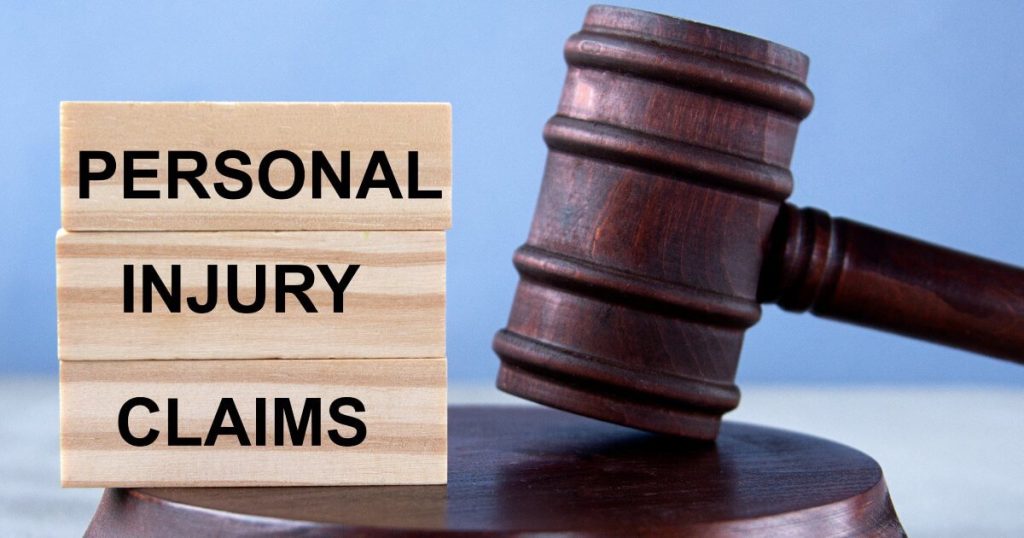
Current image: gavel next to wood blocks that say personal injury claims

Causation is a central aspect of a personal injury case. Causation connects an injury to the actions of another person, such as a driver or property owner.

In this blog, the experienced lawyers at TSR Injury Law provide a detailed explanation of this legal concept. We also discuss the challenges of proving causation and the evidence that can be used to support a personal injury claim.

At TSR Injury Law, we have been advocating for Minnesota injury victims for more than 25 years. During that time, we have obtained more than $1 billion in compensation over a wide variety of cases. Our knowledgeable Minneapolis personal injury lawyers represent clients on contingency, which means no upfront costs for you.

Schedule a free legal consultation to learn if you have a case. Call (612) TSR-TIME.

What Is Causation in Personal Injury Law?

Causation in personal injury law refers to the link between someone’s actions and another person’s injury. Essentially, one person breached a duty of care, and the breach resulted in an injury to another. A duty of care is a legal responsibility to take reasonable steps or precautions to prevent an injury to someone else.

Establishing this connection is crucial for a successful personal injury claim. You can think of causation as the linchpin of a personal injury claim, without it, there is no case. There needs to be an unbroken chain between the actions of the at-fault party and your injuries.

What Are the Two Elements of Causation?

Causation has two parts: cause in fact and proximate cause. This is sort of like a two-part test for establishing whether causation exists in an injury claim:

  • Cause in fact: This can be referred to as the “but for” test. In other words, your injuries would not have happened without the actions of the defendant. For example, say that a pedestrian got hit by a car whose driver ran a red light. The crash would not have happened if the driver had not run a red light. The driver’s actions were the direct cause in fact of the pedestrian’s injuries. One of the challenges of proving cause in fact is being able to counter if the insurance company tries to argue that something else likely caused your injuries.
  • Proximate cause: Proximate cause is about foreseeability. It determines whether the injuries were a foreseeable result of the negligent action. For instance, if a property owner neglects to clear ice from their sidewalk and someone slips and gets injured, the owner’s negligence is the proximate cause of the injury. Foreseeability is based on the reasonable person standard. That means if a reasonable person could have expected his or her actions would result in harm, the injury was foreseeable. For example, it is reasonably foreseeable that and result in injuries.

Evidence That Can Be Used to Prove Causation

Proving causation requires concrete evidence. This might include:

  • Medical records: This documentation is pivotal in linking the injury directly to the accident. Detailed medical records also provide your diagnosis, a timeline of your treatment and explain the severity of your injuries.
  • Expert testimony: Experts can help establish the cause-and-effect relationship between the defendant’s actions and your injuries. They use their advanced knowledge and experience to provide detailed insight into what occurred. For example, medical experts can explain exactly how a crash caused an injury.
  • Accident reconstruction: Sometimes, reconstructing a crash can provide a clearer picture of how the events unfolded and led to the injury. Accident reconstruction experts can provide a visual and scientific explanation of what happened in the collision. They can explain the chain of events, including how the other party’s negligence led to your injuries.

At TSR Injury Law, we understand the complexities of proving causation in personal injury cases. Our lawyers and legal staff are adept at gathering convincing evidence for a variety of cases. We also know how to counter the liable insurance company’s arguments about what caused your injuries or whether a reasonable person could have foreseen what would happen.

Contact TSR Injury Law for Post-Injury Legal Help

Causation is a critical element of personal injury claims, and understanding it is key to securing fair compensation.

If you are an injured victim in Minneapolis, reach out to TSR Injury Law. Our experienced lawyers and legal team are here to answer your questions and guide you through the legal process. We are committed to securing the justice and compensation injury victims need.

We do not charge any upfront fees for our services. The initial legal consultation is always free.

More than $1 billion recovered. Call today: (612) TSR-TIME.

Public Service Announcement: Minnesota Launching Pilot Project to Study Oral Tests for Marijuana and Other Drugs

driver taking breathalyzer testWhen legislators voted to legalize cannabis use in Minnesota, they created a significant challenge for law enforcement officers. There is currently no widely accepted roadside test for marijuana and other drugs like there is for alcohol.

However, this challenge was anticipated, and the Minnesota Office of Traffic Safety is already working to begin solving the problem. Minnesota law enforcement officers are set to start using new oral tests as part of a pilot project to detect drivers impaired by drugs. Beginning next month, selected officers will be equipped with two types of roadside tests aimed at identifying impairment from substances like THC, opioids, and methamphetamine.

This initiative, overseen by the Minnesota Office of Traffic Safety, was authorized by the state legislature. Mike Hanson, the Director of the Office of Traffic Safety, emphasized the need to expand the current tools available for detecting drug impairment, citing technological advancements as a key driver of this initiative.

The takeaway for drivers is clear: Driving while intoxicated by drugs, including cannabis, is against the law and the police are taking steps to safeguard Minnesota roads and the public from this reckless behavior.

Understanding the New Testing Devices

The two devices included in the pilot project are the SoToxa Oral Fluid Mobile Analyzer and the Dräger DrugTest 5000. Both devices, which have been used in other states and selected after an extensive review process, are designed to detect several classes of drugs in a person’s saliva within minutes. According to Abbott, the healthcare company producing SoToxa, the device can identify substances like THC, cocaine, and opioids, among others.

The Pilot Project and Its Implications

Highly trained drug recognition evaluators will be the primary users of these tests. Importantly, the tests will be voluntary, and the results will not be permissible in court or as probable cause for an arrest. Instead, the focus is on data collection, as officers cannot view the results during traffic stops.

The pilot project, which is expected to last about a year, aims to gather data on the effectiveness of these tests and identify any emerging trends. This information will be compiled in a report to the state legislature by February 2025, potentially influencing future law changes regarding their use in evidence collection.

Concerns and Challenges

Jim Stuart, Executive Director of the Minnesota Sheriffs’ Association, welcomed the project but expressed concerns about taking officers off the street for certification, especially amid recruitment and retention challenges. However, he acknowledged the critical need for effective tools to address the growing issue of drug-impaired driving.

Comparisons to the early days of breathalyzers for alcohol detection were drawn by Minnesota State Patrol Chief Col. Matt Langer, highlighting the potential for these devices to become trusted tools in law enforcement. There is widespread trust in breathalyzers, despite questions many people had about their accuracy when they were first implemented.

The pilot project is seen as a step towards addressing the increasing problem of drug-related impaired driving, which has seen a significant rise in recent years.

Looking Ahead

By the end of the year, law enforcement groups in Minnesota hope to have concrete data to present to lawmakers, underlining the need for additional tests and legal adaptations for their use. The pilot project in Minnesota follows the footsteps of other states, like Michigan, where similar tests have been conducted. These earlier pilot projects revealed interesting insights into drug use patterns among drivers.

This new initiative by Minnesota law enforcement marks a crucial step in tackling drug-impaired driving. As the state navigates the complexities of enforcing laws post-marijuana legalization, these oral tests represent a forward-thinking approach to ensuring road safety and responsible driving in our communities.

Can Minnesota Drivers Be Held Liable for Wearing Earbuds or AirPods While Driving?

woman using airpods while drivingPeople do all kinds of activities while listening to music through their AirPods or earbuds. The problem is that music can be distracting, especially when engaging in activities that require higher levels of focus, like driving.

While drivers may prefer to listen to music through their earbuds instead of their car stereos, this is a highly dangerous activity that can result in severe car crashes.

TSR Injury Law’s experienced Minneapolis car accident lawyers discuss Minnesota’s state law on using headphones while driving, the dangers of this activity, and liability for collisions that may occur. We have been assisting crash victims in Minnesota for decades, recovering millions on their behalf.

There are no upfront fees when you hire our services. Call (612) TSR-TIME.

Is It Legal To Use Earbuds or AirPods While Driving in Minnesota?

Minnesota law is quite clear on the use of headphones or earphones while driving:

It is illegal to wear headphones or earphones on or in both ears to listen to broadcasts or reproductions, such as music or podcasts, from sound-producing or transmitting devices.

However, the law does make some exceptions:

  • Minnesota does not prohibit the use of hearing aids for individuals who need them.
  • Firefighters are allowed to use a communication headset while operating a fire department emergency vehicle when responding to an emergency.
  • Emergency medical services personnel can also use a communication headset while operating an ambulance.

The bottom line is you can use a single earpiece, but using headphones or earphones in both ears for entertainment purposes while driving is against the law.

Why Driving While Using Earbuds or AirPods Is Dangerous

Headphones create a distraction for drivers, and distractions can make drivers much more likely to cause a collision that could result in significant injuries.

Ford Study on Wearing Headphones While Driving

In 2021, Ford Motor Company did a study about how wearing headphones affects drivers’ spatial recognition. Disrupting your spatial recognition behind the wheel could impair your ability to respond to audio cues, like sirens, horns or pedestrians calling out.

Ford used an app that played 8D spatial audio and displayed a virtual-reality street with sound cues that participants were asked to identify. For instance, study participants would be asked if they heard an ambulance approaching them from behind.

The 2,000 participants in the study were divided into two groups: one group wore headphones that played music, and another did not.

The study revealed that individuals who wore headphones while driving and listening to music were, on average, 4.2 seconds slower in recognizing and responding to auditory cues compared to those without headphones. This delay in reaction time could be the difference between avoiding a crash and not.

Risks of Using AirPods or Earbuds Behind the Wheel

Ford’s study serves as a compelling reminder of the importance of maintaining full awareness while driving and refraining from potentially hazardous distractions like headphones.

When headphones are in your ears, you are less likely to hear audio cues, such as horns honking, police car sirens and various other traffic sounds. In addition, headphones can also be a manual distraction. For example, you may take your eyes off the road to change songs or podcasts on your phone. Often, people may take one or both hands off the wheel to do this.

Liability for a Collision Caused by a Driver Who Was Using Earbuds or AirPods

If you were injured in a crash and you think the driver was wearing headphones in both ears at the time of the collision, he or she is more likely to be liable for damages. This is not only a violation of Minnesota law, but also dangerous behavior.

Crash victims must provide evidence of the other driver’s negligence to establish liability. You may be wondering what evidence there could be, short of a picture or video of the driver in the moments before the crash.

However, you may not need to prove the other driver was distracted. You just need to show the driver did something negligent behind the wheel, such as drifting into your lane of traffic and hitting your vehicle or rear-ending you when you were stopped at a red light.

The experienced lawyers at our firm have helped many crash victims establish liability for damages. We know how to investigate collisions to determine what happened and explain how the incident could have been prevented. We also know how to preserve evidence that may be vital to the success of your compensation claim.

Injured by a Distracted Driver in Minnesota? Call TSR Today

If a distracted driver has caused you harm, remember that you have the legal right to seek compensation for the losses you have endured. At TSR Injury Law, our team of experienced attorneys is fully equipped to guide you through every step of the legal journey.

Do not hesitate to reach out to us today. Your well-being and pursuit of justice are our top priorities, and we are here to support you during this challenging time.

Call to schedule your free legal consultation: (612) TSR-TIME.

Can I File a Minneapolis Slip-and-Fall Claim if There Was a ‘Wet Floor’ Sign?

Current image: yellow sign warning of wet floor

Property owners may be able to avoid liability for a slip-and-fall injury if they can prove the victim was adequately warned about the danger. For example, putting out a “wet floor” sign could be seen as a reasonable step for warning about a spill or a recently mopped floor.

However, you should not assume there is no way to file a slip-and-fall claim if there was a “wet floor” sign at the scene. You may have had a hard time seeing the sign, or it may have only warned about part of the danger.

TSR Injury Law’s experienced Minneapolis slip-and-fall attorneys explain how the presence of a “wet floor” sign can affect a Minnesota slip-and-fall claim.

Schedule a free legal consultation today. No upfront costs. Call (612) TSR-TIME.

Are Property Owners Required to Put Out ‘Wet Floor’ Signs?

The owners of retail stores and other commercial establishments have a legal obligation to take reasonable steps to help prevent visitors from getting injured while on the property. There are various examples of reasonable actions property owners can take to accomplish this goal, such as:

  • Routinely inspecting the property to search for possible hazardous conditions
  • Removing merchandise and other objects obstructing areas where customers and other visitors commonly walk
  • Putting out a “wet floor” sign if there is a spill, an unnatural accumulation of snow or ice, or the floors were recently mopped and are likely to be slippery

Putting out a “wet floor” sign is not the only way to warn people about a potential danger. For example, property owners could use orange cones or rope the area off to prevent people from getting closer to the wet or slippery floor.

A warning might not be necessary if the property owner takes immediate steps to resolve the problem, such as drying up the wet area of the floor.

How Does the Presence of a ‘Wet Floor’ Sign Affect a Slip-and-fall Case?

It is important to note that a “wet floor” sign is not a one-size-fits-all solution to reducing the risk of a slip-and-fall injury. Other factors could come into play that could mean the property owner still bears liability for the accident, such as:

  • It was unreasonable to expect an average person would be able to see the sign. If the area was poorly lit, a visitor might not be able to see the sign.
  • If a sign was poorly placed, such as if it were posted a significant distance away from the wet or slippery area. Visitors may not understand what area the sign is referring to.
  • The property owner left the “wet floor” sign out for a long time without cleaning up the spill or drying the floor to make it safe for visitors to walk on.
  • The sign was put out while your back was turned and you were not made aware the sign had been posted.
  • The sign was put in a heavily trafficked area where you had to walk, such as to exit the store or go to the cash register to buy something.
  • There was another problem that contributed to your fall, such as broken glass or some other object or spilled goods that presented a tripping hazard.

Partial Fault for a Minnesota Slip-and-fall Injury

It may be difficult for slip-and-fall victims to avoid any liability for their injuries if the property owner had posted a “wet floor” sign or a similar type of warning. The at-fault party can argue you should have taken reasonable steps to avoid the area. In Minnesota, you can be up to 50 percent at fault, however, and still recover compensation, so partial fault does not always eliminate legal options.

Liability for a slip and fall is going to be based on the evidence presented. That is why victims should contact a licensed attorney to discuss whether they may have a case.

You can be sure the property owner is going to dispute liability and continue to reemphasize the presence of the “wet floor” sign. Even if you could not see the sign or it was badly placed, you are going to need evidence to prove your claim.

Slip-and-fall cases can be difficult to prove, and evidence can get lost if you do not act fast. That is why contacting a lawyer right away is so important. Even if you are unsure if you have a case, it does not hurt or cost you anything to call to learn more about possible legal options. At TSR, we are experienced at quickly preserving evidence and determining how liable parties breached their duty of care.

Call TSR Injury Law for Legal Assistance After a Minneapolis Slip-and-fall Claim

Slip-and-fall injuries can affect you for a significant amount of time, even if you do not break a bone. At TSR Injury Law, we have been helping injured victims for many years, so we know how difficult the aftermath of an injury can be.

Our law firm has obtained more than $1 billion in compensation on behalf of our clients, and our services are provided at no upfront cost to you.

Call for legal assistance. Your case review is completely free. Phone: (612) TSR-TIME.

Am I Suffering Migraines Because of the Car Crash I Was Involved In?

main rubbing temples in painHeadaches are a common side effect of a car crash injury, but some victims may also experience migraines. These are intense headaches that cause debilitating pain and many other symptoms. Sometimes the pain is bad enough that it is impossible to work or engage in other activities you once enjoyed.

Below, we discuss how Minneapolis car crashes can cause migraines, the types of symptoms you may experience, and how our lawyers can include your migraines in a compensation claim.

If you experience migraines after a car crash, TSR Injury Law may be able to help you seek compensation for medical costs, pain and suffering, and more. Our Minneapolis car accident lawyers have extensive experience and represent car crash victims at no upfront cost. The initial legal consultation is also free of charge.

Are you getting medical care after a car crash? Call TSR to discuss legal options: (612) TSR-TIME.

What Is a Migraine Headache?

It is nearly impossible to understand how debilitating a migraine can be unless you have experienced one. A migraine is much more than a headache. It is a neurological condition that presents certain symptoms, including:

  • Throbbing or pulsating pain in your head
  • Intense pain on one side of your head
  • Unusual sensitivity to sound or light; flashing lights or loud noises could trigger a migraine
  • Feeling sick to your stomach or vomiting
  • Seeing double
  • Severe dizziness
  • Numb hands
  • Numbness on one side of your face
  • Difficulty concentrating

Three Types of Migraines

You can divide migraine headaches into three categories:

  • Migraines with no aura – These migraines occur with no warning symptoms. One minute you are fine and the next you experience migraine symptoms.
  • Migraines with an aura – Some people experience warning signs of a migraine, such as numbness or spots in their vision. The pre-migraine phase is known as the prodrome stage. There is also a postdrome phase, which can be thought of as a migraine hangover.
  • Silent/acephalgic migraines – These migraines may be harder to diagnose as victims do not suffer head pain. However, they still experience other symptoms of a migraine.

You can also classify migraine headaches by how often they occur. For example, chronic migraines happen a minimum of 15 times each month. If you deal with migraines less than 15 times per month, you are likely suffering from episodic migraines.

How Could a Car Crash Cause a Migraine?

It is common for a single traumatic event to cause an injury that triggers the onset of migraine headaches. For example, a crash could cause a traumatic brain injury that alters the victim’s blood flow in the brain. This change could cause you to experience migraine headaches.

Certain types of injuries involving pinched nerves, especially to the back or neck, could trigger a migraine. For example, whiplash can sprain or strain muscles, or even damage a spinal disc, which could create the conditions for a migraine. A skull fracture could also cause these same effects.

Sometimes people do not connect the onset of a migraine to their car crash, especially if the symptoms do not present for several weeks.

How Long Could Post-Car Crash Migraines Last?

Each situation is different. You might experience migraines during the early stages of your medical treatment, but they may reduce or stop happening altogether as you heal from your injuries and your condition improves. Unfortunately, some people suffer injuries that result in chronic migraines long after the crash. That is why it is vital to seek treatment immediately, as it may help to lower your risk of long-term problems.

How Do Doctors Treat Migraine Headaches?

There is currently no known cure for migraines, but there are many forms of treatment that may stop symptoms and help victims to have fewer migraines. Some forms of treatment that can be used are Botox injections or radiofrequency neurotomies, which are used to block a patient’s nerve pathway for transmitting pain.

Other medications are used to help counteract the effects of a migraine headache as they are happening. For example, you may have seen commercials for over-the-counter drugs like Excedrin or Motrin. Prescription nasal sprays also help to make migraines much less painful. Some patients may also get migraine relief from massage therapy and acupuncture.

Including Migraines in a Minneapolis Car Crash Claim

It can be challenging to prove a car crash claim for migraine headaches. The insurance company is very likely to push back and say your migraines are caused by something else, like genetic factors or mental health issues.

Another layer of complexity is that there is no agreed-upon method for diagnosing migraines. Doctors often use imaging tests like MRIs or CT scans to find brain damage, which may be an indicator of migraine headaches. However, they also rely on patients to report symptoms that are consistent with migraine headaches. Even then, the liable insurance company may claim you are making up your symptoms to inflate the value of your claim.

Insurance companies may also argue that they cannot confirm you are suffering migraines. As they attempt to devalue or deny your claim, they may even try to convince you that you are only experiencing run-of-the-mill headaches.

It is critical that you seek medical care right away and report all your symptoms to your doctor. You should also be diligent to follow through with your medical treatment. This consistency helps to demonstrate to the liable insurance company that you are taking the situation seriously, which could also help to bolster your claim.

We recommend that you contact an experienced lawyer, one who will be committed to securing full compensation for your damages. There are many details in the legal process, and managing a case on your own is a lot to ask, especially when you are dealing with an injury.

TSR Injury Law Helps Crash Victims Secure Compensation. Call Today

Are you dealing with severe symptoms from a car crash injury, such as migraine headaches?

You may be able to secure compensation for the cost of treating your migraines, and other symptoms from your car crash injuries.

TSR Injury Law helps crash victims in the Minneapolis area secure compensation for the damages they suffered. We have obtained more than $1 billion in compensation for our clients and are known for securing favorable outcomes through settlement negotiations and our litigation in the courtroom.

No upfront costs or legal obligations. Call us at (612) TSR-TIME.

Can I Include Post-Traumatic Arthritis in a Minneapolis Car Crash Claim?

man with pain in wristCar crash victims may not experience injury symptoms for weeks or even months after a collision. For example, if you suffered a joint injury, you might not experience any arthritis symptoms for several months.

If you sustained post-traumatic arthritis as the result of your crash, you may be able to include it in your claim for compensation. However, you should hire a Minneapolis auto accident lawyer to help you connect these damages to the collision that caused your injuries. You will need strong evidence to prove the onset of delayed symptoms, and the experienced lawyers at TSR Injury Law know what evidence is needed and how to get it.

We know you may be concerned about the cost of hiring a lawyer, given you may already have medical bills from your injury. However, our firm works on contingency, so there are no upfront costs.

TSR Injury Law. More than $1 billion recovered. Call (612) TSR-TIME.

What Is Post-Traumatic Arthritis?

Most people associate arthritis with overuse of a joint, such as from working in a physically demanding job.

However, arthritis often develops after an injury to one of the body’s joints. Joints that are typically more prone to arthritis include:

  • Wrists
  • Knees
  • Ankles
  • Elbows
  • Hips
  • Shoulders

These injuries affect not only the bones but also the soft tissue (muscles, ligaments, tendons and cartilage). When cartilage suffers damage from an injury, it starts to deteriorate. Over time, this can lead to arthritis, which can prevent the joint from functioning properly. However, it may take weeks, months or even longer for post-traumatic arthritis to develop.

How Can a Car Crash Cause Post-Traumatic Arthritis?

Many car crash joint injuries are the result of blunt force trauma. For example, if you hit your knee on the dashboard, you could suffer a serious knee injury. While broken bones can heal, this injury may be the onset to post-traumatic arthritis.

A side-impact collision could cause an injury to your elbow or shoulder, as car doors are not built to withstand the impact of a crash.

In addition, people often tense up when a crash occurs. For instance, they may tightly grip the steering wheel, which can increase the chances of causing a serious injury to one or both of their wrists.

During a collision, your legs could get stuck under the dashboard. The impact could force or twist them into a direction they are not supposed to go. This awkward movement could damage the soft tissue supporting one or more joints.

Joint injuries often cause people to make irregular body movements to accommodate pain and limited mobility. Over time, this type of physical compensation can cause further deterioration of the surrounding bone and cartilage, which could eventually cause arthritis.

How Does Post-Traumatic Arthritis Affect You?

If you suffered a joint injury, you should watch for these post-traumatic arthritis symptoms:

  • Swelling in your joints
  • Chronic pain when using your joints
  • Buildup of fluid in your joints
  • Tenderness in the joint, both when moving and when the joint is static
  • Less tolerance for physical activities
  • Limited range of motion
  • Instability in the joint
  • Grinding noises when you use the joint

Arthritis can make simple, everyday activities incredibly painful. It may also limit your physical activity, including the ability to play with your children or participate in sports or other leisure activities. Some jobs can be much more difficult to do because of the pain and discomfort from arthritis.

What Is a Post-Traumatic Arthritis Claim Worth?

If you develop arthritis from a car crash injury, you may be able to seek compensation for the cost of medical treatment. For example, you may need prescription medication to help manage the pain and discomfort from your injury. You may also need physical therapy and rehabilitation to help regain strength and mobility in the affected joint.

If post-traumatic arthritis affects your ability to work, the lawyers at TSR Injury Law may be able to get you compensated for wage loss.

Additionally, you may be able to seek certain non-economic forms of compensation, such as:

  • Permanent disability
  • Lost companionship

Connecting Post-Traumatic Arthritis to a Car Crash

One of the challenges of seeking compensation for arthritis caused by a crash is connecting arthritis to the injury. Arthritis often develops later so you will need strong evidence connecting post-traumatic arthritis to your collision.

It is critical that you seek treatment right away and continue going to the doctor as recommended. When you notice symptoms of arthritis, report them right away. Make sure to explain how arthritis affects your daily life and the level of pain you experience each day.

You should also ask your lawyer for advice on what you need to do to help document your damages. Your lawyer can bring in a medical expert to explain how arthritis developed and how it is likely to affect you in the future.

What if A Crash Aggravated Existing Arthritis?

Car crash injuries could aggravate existing injuries and symptoms, like arthritis. If your arthritis gets worse after the crash, explain to your doctor in detail how your symptoms have escalated. An experienced lawyer will know how to determine if you can include aggravation of arthritis in your claim for compensation.

Call TSR Injury Law Today To Discuss Your Crash

Post-traumatic arthritis can negatively impact your quality of life after a car crash and long-term pain can make it difficult to work and take part in the activities you took part in before.

At TSR Injury Law, we understand the many effects of motor vehicle crashes, as we have been helping injured victims for decades. We have secured millions for those injured in collisions caused by the negligence of others.

You can review our case results page to learn more about the results we have obtained. Check out some of the five-star reviews our clients have left us on our testimonials page.

Free legal consultation. No upfront fees. Phone: (612) TSR-TIME.

Are Minnesota Drivers More Likely To Get into a Serious Car Crash at Night?

Current image: bearded young male driver in car at night

You may not be surprised to learn that 50 percent of traffic fatalities occur at night, according to the National Safety Council. This statistic may sound counterintuitive, as there are fewer cars on the road after the sun goes down.

However, there are unique risks when driving at night. Below, TSR Injury Law’s experienced attorneys discuss the dangers of nighttime driving and how these dangers increase the risk of serious, potentially fatal car crashes.

If you were injured in a crash that happened at night, our firm is here to help you seek full compensation for your medical care and other damages you may have suffered. Our legal services come with no upfront costs, and an initial consultation is always free.

TSR Injury Law. More than $1 billion recovered. Call (612) TSR-TIME.

What Are the Dangers of Driving at Night?

These are some of the main reasons why nighttime driving can be more dangerous than daytime driving:

Decreased Visibility

Simply put, it is harder to see things in the dark, including vehicles and other potential hazards. This reduced visibility affects your reaction time and inhibits driver’s chances of avoiding a crash.

These are many reasons why drivers are advised to increase their following distance, slow down, and take their time when deciding if it is safe to make a turn in front of oncoming traffic.

It is also harder to see road signs and landmarks that can help drivers determine where they are going. This is why a lack of visibility at night may often result in sudden stops and unexpected turns.

Increased Presence of Drunk Drivers

According to Minnesota Crash Facts 2020, 46 percent of alcohol-related crashes happen between 9 p.m. and 3 a.m. As you could have guessed, this is because there are more drunk drivers on the road at night.

Drunk drivers have impaired vision, reaction time and judgment. When you combine these added risk factors with reduced nighttime visibility, you have a recipe for a traffic disaster.

Impaired drivers are more at risk of driving the wrong way, such as entering a highway off-ramp or crossing the center line into oncoming traffic, putting responsible drivers in danger.

It’s important to keep in mind that while driving at night, you are more likely to encounter drunk drivers on weekends as 56 percent of alcohol-related crashes in Minnesota happen on Friday, Saturday, or Sunday.

Increased Presence of Drowsy Drivers

Many drivers you share the road with at night are tired. They may feel exhausted because of a long day at work or because they did not enough sleep the night before.

Many people who drive at night may suffer from chronic fatigue due to sleep deprivation, especially those with sleep apnea, insomnia, or other medical conditions.

If you get behind the wheel after midnight but before dawn, you may be sharing the road with people who work night shifts. No matter how hard these workers try, their bodies may be unable to adjust to this schedule and may be struggling to get enough sleep.

Drowsy drivers may be more at risk for:

  • Rear-end collisions
  • Sideswipes
  • Wrong-way accidents
  • Head-on crashes
  • Intersection crashes

Speeding Drivers

Speeding is often a result of distraction, impairment by drugs or alcohol, drowsiness, or simply reckless behavior. Speeding gives all drivers in the area less time to react to hazardous situations, especially at night when visibility is impaired by the darkness. If a reckless driver makes a dangerous maneuver at high speed, other drivers may have less time to react to avoid a collision.

What if I Get Injured in a Nighttime Car Crash?

If you get injured in a nighttime car crash that you think was caused by another driver’s negligence, you might be right. Drivers have a legal duty to take proper precautions to lower the risk of a crash, especially at night. When they fail to uphold this duty and a crash results, they could be held liable for damages.

However, crash victims who decide to seek compensation for their damages will need to be able to prove the other driver’s negligence. Even seemingly straightforward cases can be challenging to prove. That said, crash victims can be proactive and take steps to improve their chances of securing full compensation for damages by contacting the trusted attorneys at TSR Injury Law.

Call 9-1-1

You should always report car crashes to the police, even if you are not sure you sustained injuries. When the police come to the scene, they can complete a report that helps to prove you were involved in a collision.

If you suspect the other driver is drunk or fatigued, tell the officer when he or she asks you to explain what happened. If the officer suspects drunk driving, he or she may conduct a sobriety test. If the police arrest the other driver for drunk driving, it may be easier to prove liability for your damages.

Get to the Hospital

You need to document your injuries as soon as possible. Seeking medical care right away helps you in two ways. First, it prioritizes and protects your health, and secondly, since your visit will be documented, it helps to connect your injuries to the crash. Waiting to seek treatment could delay the recovery process or even put your health at added risk.

Contact a Lawyer Right Away

If you were injured in a collision and you need medical care, you should not count on the insurance company to provide full compensation. This is especially true for crash victims with severe injuries. Insurance companies are not your friend and will actively work to minimize what they owe you.

The experienced lawyers at TSR Injury Law can help you seek full compensation for your damages. We have decades of experience helping motor vehicle accident victims achieve favorable results, including in the courtroom.

It may not be easy to determine the chain of events leading up to a nighttime car crash. In addition to the challenges of reduced visibility, it is also possible that the at-fault driver may lie or leave out important details to try to avoid liability.

Our experienced lawyers know how to gather detailed evidence no matter when the crash occurred. We can also bring in experts when needed.

Reducing Your Risk of a Crash After the Sun Goes Down

There are several steps you can take to help lower your risk of a nighttime crash:

  • Slow down to give yourself more time to react to danger
  • Leave more space in front of your car to lower the risk of a rear-end crash
  • Exercise more caution when making turns in front of approaching traffic
  • Avoid distractions, such as your smartphone, the radio or conversations with passengers
  • Dim the lights on your dashboard as it can help improve night vision
  • If you are too tired to drive, get off the road
  • Avoid driving during times when you would normally be asleep

Call Us Today To Discuss Your Post-Crash Legal Options

Do you know the benefits of hiring an experienced lawyer after a car crash?

Victims who hire lawyers often obtain more compensation than those who deal with the insurance company themselves. This is not just because a lawyer can file a lawsuit if the insurance company does not offer enough compensation. A lawyer can also manage each step of the process, making sure not to miss important details, like filing deadlines or critical pieces of evidence.

TSR Injury Law. Zero Upfront Costs. More than $1 billion recovered. Call (612) TSR-TIME.

What if the Other Driver Claims The Crash Was Caused by Highway Hypnosis?

car on highway at night with traffic aheadMany people have experienced highway hypnosis, such as if they were driving late at night or on a long road trip. This is a trance-like state that increases the risk of a dangerous collision.

In this blog, TSR Injury Law’s experienced Minneapolis car crash lawyers discuss the dangers of highway hypnosis and how victims of highway hypnosis crashes may be able to seek compensation. While at-fault drivers may cite highway hypnosis as the cause of a collision, this is not a valid defense.

If you were injured in this type of crash, call our experienced law firm to learn how we may be able to help you. There are zero upfront costs, and an initial consultation is 100 percent free.

Local Lawyers. Proven Results. Call (612) TSR-TIME.

What Is Highway Hypnosis/White Line Fever and Why Does it Happen?

Drivers who are on long trips spend a lot of time staring straight ahead at the white lines on the road. This can have a hypnotic effect, making it difficult for drivers to remain consciously aware of their actions. This effect is known as highway hypnosis or white line fever.

Highway hypnosis often happens on long road trips, but it can also happen to drivers who are on the road at night or taking a familiar route.

If you are on the road at night with little to no scenery or traffic, it can be much more difficult to keep your mind on driving. Scenery and traffic can help stimulate drivers’ senses, so they are less likely to lose focus on the road.

If you are on a familiar route, you may not be conscious of your actions because you have driven through the area so many times.

Highway hypnosis is more likely to happen if you are drowsy or operating on little sleep. Driving at times when you are normally asleep or at home can also be dangerous.

Common Symptoms of Highway Hypnosis

One of the most common symptoms of highway hypnosis is forgetting some portion of your trip. Something may cause you to snap out of your trance and you may struggle to remember the last few miles you traveled.

Other symptoms of highway hypnosis include:

  • Slower reaction time
  • Frequent blinking because you are struggling to keep your eyes open
  • Struggling to maintain focus on driving because you are daydreaming
  • Following other cars too closely without realizing it
  • Mental fog
  • Feeling fatigued
  • Struggling to stay in a lane (sometimes running over reflectors causes drivers to snap out of their trance)

What Are the Dangers of Highway Hypnosis?

Driving while you are drowsy, distracted or under the influence of alcohol or drugs is incredibly dangerous as they inhibit your fine motor skills and your ability to focus on driving. Highway hypnosis can affect drivers in similar ways to drowsiness, distraction or intoxication.

Drivers who are experiencing highway hypnosis may be more likely to:

  • Drift off the road and crash into a fixed object, like a guardrail, road sign or tree
  • Rear-end another car
  • Drift across the center line into oncoming traffic
  • Fail to stay in a lane
  • Drive through a red light
  • Drive through a stop sign
  • Fail to use their turn signal
  • Enter a highway on-ramp going the wrong way
  • Speed

What Types of Crashes Are Often Caused by Highway Hypnosis?

Drivers experiencing some form of mental fog or highway hypnosis may end up causing traffic crashes, such as:

  • Sideswipes
  • T-bone collisions

Can Drivers Use Highway Hypnosis as a Defense?

Highway hypnosis is not a legitimate defense against liability for a car crash. Drivers have a duty to operate their vehicles safely. If they are too tired to drive, they need to get off the road. If they cause a crash because of reckless actions while they were in a trance-like state, they can be held liable for the damages they cause.

If you were injured in a highway hypnosis crash, TSR Injury Law may be able to assist you in recovering compensation. In Minnesota, victims can seek medical expenses and other damages from their own car insurance policies. Victims may also be able to seek compensation from the liability insurance of the at-fault driver.

Our experienced lawyers know how to prove driver negligence, which may include evidence of highway hypnosis. For example, our lawyers may be able to prove the at-fault driver was working late into the night and wasn’t able to get adequate sleep before going back out on the road. We may also be able to obtain evidence that the driver was on their way home from a long road trip and would have been struggling to stay awake while driving.

Crash damage could also help lawyers prove the cause of a collision. For example, head-on collisions are often caused by drunk, distracted or drowsy drivers. Black box data from the vehicles can also be accessed and can show a lack of reaction time by the driver that caused the crash.

Reducing the Risk of White Line Fever

There are many steps drivers can take to help reduce the risk of highway hypnosis. For example, try to avoid driving for extended periods after the sun goes down. You may think of yourself as a night owl, but there is a higher risk of a crash at night as the darkness makes it harder to stay focused on driving.

Another step drivers can take is to talk to passengers or listen to more energetic music. However, if you are too tired, louder music and conversation are not going to be enough to combat fatigue. You may need to get off the road or have one of your passengers drive as a safe alternative.

Contact TSR Injury Law For Experienced Legal Help After a Crash

Car crashes can cause significant, sometimes life-changing injuries. These injuries are often the result of another driver’s negligent actions, such as staying on the road for too long and falling into highway hypnosis.

TSR Injury Law has been helping victims of another driver’s negligence for decades. Our law firm has secured more than $1 billion on behalf of our clients, many of whom were injured in a motor vehicle crash.

TSR Injury Law. No Upfront Costs. Contact us today: (612) TSR-TIME.

Can I Include a Secondary Injury in a Minneapolis Car Crash Claim?

man with pain in his head

The trauma from a car crash can have a domino effect, as one injury can lead to another. For example, a broken bone could be accompanied by soft-tissue damage and/or a nerve injury. Some secondary injuries can cause significant pain and lengthen your recovery, while others can be life-threatening.

TSR Injury Law discusses secondary injuries from Minneapolis car crashes, including causes, symptoms and steps victims can take to reduce the risk of secondary injuries.

Our firm has decades of experience helping crash victims recover favorable compensation for the damages they suffered. Our services come with no upfront costs and your initial legal consultation is free.

Injured by a negligent driver? Call TSR today: (612) TSR-TIME.

Seeking Compensation For Secondary Injuries From a Car Crash

If you suffered injuries in a car crash, you have the right to seek medical coverage from your own insurance policy, as Minnesota is a no-fault state. If the secondary injury is related, you may also seek compensation from the at-fault person’s coverage. Technically the secondary injury may not have happened in the crash, but the secondary injury would not have occurred unless you suffered the primary injury.

That said, it is critical that you immediately report a secondary injury. This helps to establish a connection between the secondary injury and the crash. Waiting to report the injury gives the insurance company room to dispute how this additional injury happened.

Our Minneapolis car accident lawyers help crash victims seek full compensation for their damages. Call to learn more.

Defining Secondary Injuries

Secondary injuries are a side effect of a primary injury. In other words, the secondary injury would not have happened without the primary injury occurring first.

Often, an injury can be so devastating to the body that it causes further damage. Sometimes the secondary injury shows up right away. However, in some cases, the secondary injury takes days or weeks to show up.

The term secondary injury is not commonly used. Most often, these injuries are simply referred to as complications.

Medical complications are often the result of compensating for an existing or new injury by doing things in a way your body is not used to. For example, crash victims might walk differently or get up from a sitting position in a different way.

A secondary injury could also occur when doctors provide treatment for a primary injury. For instance, you could develop an infection or the surrounding tissues or organs could be damaged. Improperly fitted prosthetics or mobility devices could also cause people to strain themselves and suffer a secondary injury.

Primary vs. Secondary Brain Injuries

While any secondary injury can be dangerous, secondary brain injuries could have fatal complications. An example of a secondary brain injury is one that occurs after an injury to your skull. Initial damage to your skull can often lead to future brain damage.

The primary injury results in immediate damage, such as injury to the blood vessels, cells and tissues in your brain. This can cause further damage over time, particularly if the primary injury is not properly treated. As more brain cells deteriorate, there is a risk of debilitating cognitive issues and possibly death.

Common Examples of Secondary Injuries

There are numerous examples of secondary injuries that may result from a Minnesota car crash. For example, you could suffer a knee injury and eventually develop back problems. This could be because you start moving awkwardly to compensate for your knee injury which puts an unusual strain on your back.

Here are some other examples of secondary car crash injuries:

  • Impaired blood flow because of a brain injury
  • Structural damage after breaking a bone, such as an injury to ligaments or tendons in one of your joints
  • Chronic pain in your leg after suffering a fracture
  • Mental health issues after a serious injury that dramatically changes your lifestyle, such as depression, anxiety or difficulty sleeping
  • Impaired flow of oxygen throughout the body due to inflammation of your spinal cord
  • Infections that develop after an internal injury
  • Herniated disc from using your back to lift something instead of your legs
  • Pinched nerves that result from pressure from bone fragments

Consequences of Secondary Injuries

Secondary injuries can lengthen the healing process and put you at higher risk for long-term medical issues. For example, you could develop long-term back pain or a brain injury that creates significant cognitive difficulties, such as problems remembering things or focusing on tasks.

Brain damage could also result in painful, chronic headaches that affect your ability to work or maintain personal relationships with family and friends.

Mental health challenges can take a long time to overcome. Even with therapy and medications, victims may still struggle to engage in their lives the same way they did before.

Can You Prevent Secondary Injuries?

Complications/secondary injuries from a car crash may be unavoidable, but sometimes you can take steps to prevent them. For example, seeking immediate medical treatment so doctors can more quickly diagnose the primary injury. This step is vital as it can help you to receive earlier treatment, potentially eliminating the development of a secondary injury.

However, preventing a secondary injury may also depend on how well you follow your doctor’s treatment recommendations. For example, if your doctor tells you to limit physical activity, such as walking, bending down to pick things up, or getting up from a seated position, you need to follow these recommendations. Too much physical activity increases the risk of aggravating your primary injury, puts additional strain on your body, and can lead to the development of secondary injuries.

Symptoms of a Secondary Brain Injury

Another step you should take is informing your doctor about any new symptoms that develop, particularly symptoms that may indicate a secondary brain injury. Some of these symptoms include:

  • Headaches of worsening intensity or increased frequency
  • Confusion
  • Struggling to focus or remember things
  • Seizures
  • Blurry or double-vision
  • Impaired hearing
  • Increased sensitivity to sound or light
  • Changes in behavior or personality
  • Irregular sleep patterns (sleeping more often or struggling to get enough sleep)
  • Feeling sick to your stomach
  • Extra sensitivity to touch

Contact Us For Legal Assistance Following a Car Crash Injury

Crash victims should get immediate medical treatment to diagnose and stabilize injuries. While this can help prevent the primary injury from getting worse, it could also prevent dangerous secondary injuries.

After seeking treatment, you should consider talking to an experienced lawyer about pursuing compensation for your medical costs and other damages.

TSR Injury Law has helped thousands of Minnesota car crash victims secure compensation. We know how difficult the aftermath of a crash can be and how insurance companies often try to deny and underpay claims. We take these billion-dollar insurance companies head on and secure favorable outcomes for our clients.

TSR Injury Law. Experienced Lawyers. Proven Results. Call (612) TSR-TIME.

Liberty Mutual Agrees to Settlement Over Rate Increases, Discounts

table with blocks with car insurance written on themLiberty Mutual Insurance Company has reached a $7.7 settlement with the State of Minnesota after it was alleged the insurer violated insurance regulations.

The Minnesota Department of Commerce investigated the insurance company for allegedly breaking state regulations on antitheft protection device discounts, automated rate increases and multi-policy discounts.

“When consumers pay premiums…they are protected by state law to ensure they get what they pay for,” says Grace Arnold, Minnesota’s commerce commissioner.

As part of the settlement, it was determined that Liberty Mutual did not offer a minimum auto insurance policy discount for antitheft protection devices. As a result, the insurer has refunded and credited a total of $2.27 million to their 52,604 current and former policy holders affected.

In addition, the Department of Commerce investigated Liberty Mutual for rate increases that were automatically applied. The settlement contains $2.1 million for credits and $670,000 for refunds. The money will be paid to more than 28,000 current and former policyholders. Current policyholders can expect to receive an average of $178, while former policyholders will get about $77 apiece.

Liberty Mutual will also provide refunds and credits to settle allegations of offering multi-policy discounts for bundling homeowners and auto insurance policies. The settlement contains about $2.7 million for current and former policyholders, with affected policy holders receiving an average of $350.

To ensure Liberty Mutual honors the settlement agreement, a civil penalty of $150,000 has been stayed. This means as long as Liberty Mutual refunds or credits their policyholders, the fine will be voided.

Can I Obtain Compensation if I Was Injured in a Minnesota E-Scooter Crash?

Since they first arrived in the Twin Cities in 2018, electric scooters (e-scooters) from companies like Lime, Spin, Lyft and JUMP have skyrocketed in popularity. While riding these devices is fun, it is also a convenient and cheap way to get around. However, many people forget to consider the safety risks and potential for sustaining severe injuries.

Current image: racing down street on e-scooter

In October 2023, the U.S. Consumer Product Safety Commission released a report revealing that the number of e-scooter injuries rose 22 percent in 2022 compared to the previous year.

While e-scooter riders can suffer severe injuries in various types of crashes, they are also a risk to pedestrians. When crashes happen, drivers and scooter rental companies may bear liability for injuries and damages.

TSR Injury Law may be able to help e-scooter crash victims recover compensation for their damages, and there are no upfront costs involved. We have been strong advocates for the injured in Minnesota for decades, securing more than $1 billion for our clients.

Have legal questions after an e-scooter accident? Call for assistance: (612) TSR-TIME.

What Kinds of E-Scooter Crashes May Be Eligible for Compensation?

Whenever someone suffers an injury because of another’s negligence, there may be grounds for legal action. This can include injuries from e-scooter crashes. The Minneapolis car accident lawyers at our firm are prepared to help e-scooter crash victims secure compensation.

E-Scooter vs. Car Crashes

Despite the widespread use of e-scooters, drivers often fail to keep an eye out for riders, particularly when drivers are going through intersections or making turns and entering crosswalks. Far too often, drivers are distracted and don’t think to look out for pedestrians, much less e-scooter riders.

Drivers need to be particularly cautious when turning right on a green light as e-scooter riders may be crossing the road while drivers are completing their turns.

Scooter riders are permitted to ride on any street, but drivers might not give riders enough space when passing, which could result in a rider getting clipped by the side of a car.

E-Scooter vs. Pedestrian Crashes

E-scooter riders are not permitted on sidewalks, but sometimes riders break the law, putting pedestrians at risk. E-scooter riders also need to watch for pedestrians when crossing the street.

E-Scooter vs. Bicycle Crashes

E-scooters are allowed on bike paths in Minnesota, so there is a possibility of a crash with a bicyclist. E-scooter operators may be inexperienced and struggle to keep the vehicle under control, which could result in a crash with a bicycle rider.

Defective E-Scooter Crashes

Sometimes riders are injured because the scooter itself is defective. For example, the brakes might not work like they are supposed to, or the scooter might start accelerating without the rider increasing the throttle.

If you were injured in any of these types of collisions through no fault of your own, you may be eligible to file a personal injury claim. Contact TSR Injury Law to learn more about your rights.

Who Could Be Held Liable for an E-Scooter Accident?

Liability will depend on multiple factors unique to the accident, but the following parties often bear liability for these incidents:

  • DriversCar drivers may be liable for being distracted, violating an e-scooter rider’s right of way, or not leaving enough room when passing.
  • E-scooter riders – Riders may have been going so fast they could not avoid hitting a pedestrian or bicycle rider. They may have also been distracted or lost control of the vehicle. Inexperienced riders may fail to check for traffic before crossing a road, not leaving drivers time enough to stop to avoid a crash.
  • Scooter rental companies – These companies may have knowingly put defective or malfunctioning vehicles in circulation or failed to fix an issue that scooter users had previously complained about.

It may also be possible to hold a city or municipality liable for a crash caused by a roadway defect, like a pothole or road construction.

Is There Insurance for an E-Scooter Crash?

If you were injured in a collision with a car, you may be able to seek compensation from the driver’s liability insurance. Injured bicyclists and pedestrians may be able to seek compensation from the rental company that provided the scooter, as these companies often have liability insurance to cover damages caused by scooter riders.

Riders may wonder about whether they can use their no-fault auto insurance coverage, but these policies generally do not cover electric scooters.

Most injury claims are resolved through an insurance settlement. However, it may be possible to sue the scooter company if a scooter involved in a crash was found to be defective. These companies have a legal responsibility to take defective or malfunctioning scooters out of circulation or fix them. When products are unreasonably dangerous when being used as intended, rental companies may bear liability for damages that result.

Minnesota Laws on Riding E-Scooters

E-scooters first came to the Twin Cities in the summer of 2018. Since then, Minnesota has passed laws to regulate scooter rental companies, along with the riding and parking of these vehicles. These laws are meant to help e-scooter riders safely share the road with cars, pedestrians and bicyclists.

  • Scooter riders have all the rights and duties as bicyclists.
  • E-scooters may not be operated on sidewalks unless it is necessary to enter or leave property adjacent to a sidewalk.
  • It is illegal for anyone under the age of 12 to ride an e-scooter.
  • People between the ages of 12 and 18 must wear a properly fitted and fastened helmet
  • E-scooters must have headlights and taillights.
  • These vehicles must be ridden as close to the right curb or edge of the road unless they are overtaking another vehicle heading the same direction, preparing for a left turn, or when necessary to avoid obstacles (pedestrians, bicyclists, animals, narrow lanes or fixed objects).
  • E-scooters can be ridden in bicycle lanes, trails or paths that are not reserved for non-motorized traffic.
  • It is illegal for more than one person to ride a single e-scooter.

Call TSR Injury Law Today to Discuss a Potential Lawsuit

Falling from an e-scooter, getting hit by a car while riding one of these devices, or getting hit by an e-scooter as a pedestrian can cause devastating injuries.

Other parties may be liable if the collision resulted from another’s negligence. Victims may be eligible to seek compensation for past and future medical costs, lost wages, and more.

The legal process can be complex and overwhelming for injured victims, but at TSR, we handle these cases every day. We have been helping injured victims to secure the compensation they need for decades, and we have the resources and staff to help you.

Experienced. Local. Lawyers. Call TSR Injury Law today: (612) TSR-TIME.