What Is Discovery in a Minneapolis Personal Injury Claim?

After suffering an injury in Minneapolis, victims may feel overwhelmed and have a lot of valid questions about the legal process ahead. Personal injury victims often hear the term “discovery” in conversations but may not understand what it is or how this process affects their case.

This article explains the discovery process in Minnesota personal injury claims, including written interrogatories, document requests and depositions that can strengthen your case. We also explain how discovery works, what information is collected, and why this phase is essential for securing fair compensation for your damages.

At TSR Injury Law, our experienced Minneapolis personal injury attorneys are prepared to guide you through every step of the legal process, including discovery. We fight to protect your rights while building a compelling case on your behalf. Our legal team manages all aspects of discovery, from managing deadlines to shielding you from insurance company tactics, allowing you to focus on your recovery.

What Happens During the Discovery Phase?

Discovery forms the foundation of every personal injury claim in Minneapolis. This structured legal process enables both sides to gather and exchange critical information about your case. Your journey to compensation depends heavily on the evidence collected during this phase.

During discovery, your TSR injury lawyer collects evidence from many sources, including:

  • Relevant medical records
  • Photographs of the scene where you were injured
  • Pictures of your injuries
  • Statements from credible witnesses
  • Details from the police or accident report
  • Medical invoices and other bills directly resulting from the incident that injured you
  • Paystubs to demonstrate lost wages
  • Depositions of parties involved in the incident
  • Information from the insurance companies
  • And more.

This vital stage begins after filing your lawsuit but before trial proceedings start.

How Does the Discovery Process Work?

Written discovery launches the information-gathering phase. Your attorney sends the opposing legal team specific questions, called interrogatories, which must be answered under oath. These questions target crucial details about witness information, insurance coverage and the other driver’s account of the incident that resulted in your injuries.

Document requests follow the interrogatory phase. Your legal team demands relevant records, such as the other driver’s cell phone history, vehicle maintenance logs and employment files. These documents often reveal critical details that strengthen your case.

What Are the Key Phases of Discovery?

Understanding the key phases of discovery helps you know what to expect during your personal injury case. Your TSR attorney will guide you through each phase, gathering the evidence needed to support your claim.

Initial Disclosures

Both parties start by exchanging basic case information. This includes witness details, insurance policies and preliminary evidence about your injuries and damages.

Written Discovery

Your attorney sends formal questions (interrogatories) to the other party. These questions must be answered under oath, helping establish key facts about the incident that caused your injuries.

Document Exchange

Medical records, police reports and photos of the scene are also exchanged, and your legal team reviews these documents to further build your case for compensation.

Electronic Discovery

Cases today often involve digital evidence, such as text messages, emails and social media posts. This evidence might reveal key details about the incident that caused your injuries and other damages.

Medical Examinations

Your injuries must be thoroughly documented. This may include independent medical exams and an expert review of your medical records.

Final Phase

In the final phase of discovery, your attorney addresses any evidence disputes and prepares for settlement talks or trial. This phase sets the stage for resolving your claim.

What Are Depositions, and Why Do They Matter?

Depositions serve as face-to-face interviews conducted under oath. During these sessions, attorneys question witnesses, medical professionals and other involved parties while court reporters create word-for-word transcripts. Your testimony during deposition can significantly impact settlement negotiations.

Can Discovery Make or Break Your Case?

The short answer is yes since the information discovered during this process could significantly strengthen or weaken the outcome of a plaintiff’s case.

Thorough discovery work uncovers evidence that establishes fault. Here are some examples:

  • Cell phone records might reveal distracted driving
  • Employment documents could show the other driver operated their vehicle during work hours.
  • Medical records gathered through discovery discloses details about your injuries, including the diagnosis, your treatment and more.

Your TSR Injury Law attorney uses this evidence to build a compelling case for compensation to cover your medical expenses, lost wages, pain and suffering, and other damages.

How Do Time Limits Affect Your Case?

Minnesota courts enforce strict discovery deadlines in personal injury cases. Missing these deadlines can damage your claim or lead to dismissal. Your TSR injury lawyer understands and manages all discovery deadlines and complex paperwork. This ensures timely responses while protecting your legal rights throughout the process.

How Do We Protect Your Rights During Discovery?

Insurance companies often use discovery to undermine claims. They may seek private medical records that are not relevant to the incident or your case. They may use these records to attempt to blame injuries on pre-existing conditions. Your TSR attorney shields you from invasive questioning and safeguards your privacy.

Your statements during discovery carry significant weight. Never provide information to insurance companies or opposing lawyers without your attorney present. A single misstep could jeopardize your right to fair compensation.

What Happens After Discovery?

Once discovery concludes, your case moves into its final phases. Your TSR attorney analyzes all gathered evidence to determine the next strategic steps – whether that means proceeding to mediation, beginning settlement negotiations, or preparing for trial.

Need Legal Help After an Injury? Call Our Trusted Minneapolis Law Firm Today

Understanding discovery can feel overwhelming when you are dealing with injuries and mounting medical bills. TSR Injury Law manages every aspect of your personal injury claim, including the complex discovery process. Our Minneapolis attorneys work diligently to gather the evidence needed to build a strong case for the compensation you deserve.

Schedule your free legal consultation with TSR Injury Law today. We handle personal injury cases on a contingency fee basis, which means you pay no upfront costs or attorney fees unless we secure compensation for your claim. Call us now to learn how we can help protect your rights during the discovery process and beyond.

Who May Be Liable if Hydroplaning Leads to a Minnesota Car Crash?

Current image: A car riding fast through a puddle creating a wave

Minnesota winters are harsh, often resulting in hazardous driving conditions, including those resulting from heavy rains or melting snow. Drivers who do not adjust to the changing weather may lose control of their vehicles and hydroplane. If you are injured in a hydroplaning car crash, it is important to understand who may be liable for your medical costs and other damages.  

If you were injured in a hydroplaning collision, we encourage you to contact a lawyer as soon as possible. At TSR Injury Law, our experienced Minneapolis car crash lawyers have decades of experience managing crash claims for injured victims, and we have a proven history of success. We fight hard to get you the results you deserve.  


Find out how we can help you. Call: (612)-TSR-TIME today for a FREE case review. 

What Is Hydroplaning? 

Hydroplaning happens when water forces your vehicle’s tires to lose contact with the road surface. This loss of traction happens when there is more water than your tires are capable of moving out of the way. This condition can cause vehicles to slide or skid, making steering difficult or impossible.  

Who May Be Liable for a Hydroplaning Collision in Minneapolis?  

While weather plays a significant role, the hydroplaning driver is often liable if a crash occurs. However, liability cannot be assumed, and there are several factors that must be considered. Under Minnesota law, multiple parties could be liable, or at least partially liable, for a crash resulting from hydroplaning, including: 

The Hydroplaning Driver  

Most hydroplaning crashes involve some degree of driver responsibility. Common driver-related factors include: 

  • Driving too fast for wet conditions 
  • Failing to maintain tires 
  • Ignoring visible road hazards 
  • Following other vehicles too closely 
  • Making sudden movements that reduce traction 
  • Operating a vehicle with faulty wipers or headlights 
  • Driving with underinflated or overinflated tires 

Minnesota law requires drivers to adjust their speed and driving behavior to match road conditions. Failure to do so might constitute negligence, making the driver liable for any resulting damages. 

Other Drivers  

Multiple vehicles often become involved in hydroplaning crashes. Contributing factors from other drivers include: 

  • Sudden braking causing following vehicles to lose control 
  • Unsafe passing in wet conditions 
  • Creating excessive spray that reduces visibility 
  • Failing to maintain proper following distance 
  • Making abrupt lane changes 
  • Driving without required lighting 
  • Operating vehicles with obvious safety defects 

Government Entities  

State and local governments must maintain safe roadways. They might bear liability when poor road design or maintenance contributes to hydroplaning crashes. Contributing factors include: 

  • Inadequate drainage systems 
  • Poor road grading 
  • Lack of proper warning signs 
  • Failure to address known flooding issues 
  • Delayed repair of damaged road surfaces 
  • Insufficient roadway texture 
  • Improper crown design causing water pooling 

Tire Manufacturers and Retailers 

 Tire-related issues frequently contribute to hydroplaning crashes. Responsible parties might include: 

  • Tire manufacturers for design flaws, such as treads that are too shallow, affecting water displacement 
  • Service centers improperly installing or maintaining tires 
  • Distributors failing to store tires properly 
  • Shops performing inadequate tire inspections 
  • Businesses selling expired tires 
  • Retailers misrepresenting tire capabilities 

Construction Companies 

 Road construction activities sometimes create conditions that increase hydroplaning risks: 

  • Improper water diversion during projects 
  • Failing to post adequate warning signs 
  • Creating unsafe elevation changes 
  • Leaving loose gravel or debris 
  • Poor temporary drainage solutions 
  • Inadequate surface preparation 
  • Improper grading of construction zone 

How Is Liability for a Hydroplaning Crash Determined in Minnesota?

Under Minnesota Law, the chain of events leading up to the crash will be examined, as well as the role each driver played in the resulting hydroplaning crash. Multiple factors will be considered, including: 

  • Driver behavior and speed prior to the crash 
  • The condition of the hydroplaning vehicle’s tires 
  • Road conditions 
  • Actions of other drivers involved 
  • Police reports 
  • Physical evidence from the crash scene 
  • Credible witness statements 
  • Vehicle damage 
  • Expert opinion of a collision reconstruction specialist 

What if I Am Partially To Blame for a Hydroplaning Crash?

Minnesota lets you recover damages as long as you are less than 51 percent at fault. Your compensation drops by the amount of your fault percentage. If you are 30 percent at fault for a crash resulting in $100,000 in damages, your awarded compensation is $70,000. Multiple liable parties pay their share based on fault level. 

Steps You Can Take To Avoid a Hydroplaning Crash

Driving defensively can help you avoid a hydroplaning car crash, such as by: 

  • Maintaining proper tire pressure 
  • Replacing worn tires promptly 
  • Slowing down in wet conditions 
  • Increasing your vehicle’s following distance 
  • Avoiding swerves, braking or other sudden vehicle movements 
  • Remaining alert for standing water when driving 
  • Checking weather forecasts 
  • Maintaining windshield wipers 

Need Legal Help After a Car Crash? Contact Our Trusted Law Firm in Minneapolis 

Complex liability issues in hydroplaning crashes often require experienced legal representation. Our highly qualified legal team at TSR Injury Law advocates for injured victims every day, including those hurt in car crashes. 

Contact our law firm to discuss your situation and learn about your potential legal options. There is no cost or risk for this meeting. When we represent you, there are also no upfront costs or fees to pay. We only get paid if you do. We fight to get you the full and fair compensation you deserve. 


Call TSR Injury Law to get the results you need.  (612)-TSR-TIME. 

Following Too Closely: Risky Driving That Could Lead to a Minnesota Crash

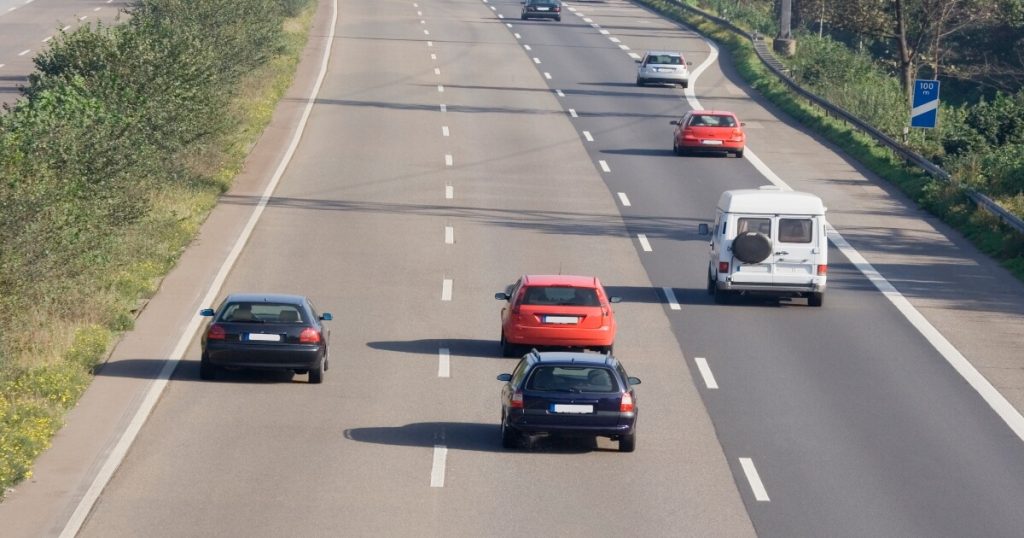
Current image: Traffic on the road where a driver is being followed closely

Drivers have a legal duty to remain aware of their surroundings and follow traffic laws to avoid collisions. One of the most types of common car crashes results from the habit some drivers have of following other vehicles too closely.

Learn more about following too closely in the article below, including what the law says about it and how this type of driver negligence could result in a collision that causes others serious harm.

If another driver’s tailgating led to a crash that injured you, our experienced Minneapolis car crash attorneys are ready to help. Contact our law office to discuss your situation and potential legal options for recovering compensation. When TSR Injury Law represents you, your case is in good hands, and there are no upfront costs or fees to pay.

Request your FREE case review today: (612) TSR-TIME

What Is Following Too Closely in Minnesota?

Following too closely refers to driving behind another vehicle with an insufficient amount of space between your car and the one in front of you. It is often referred to as “tailgating” and is considered a dangerous driving behavior.

How Close Is Too Close Under the Law?

Minnesota state law defines a safe distance from the vehicle ahead as:

  • Not following closer than what is both reasonable and sensible
  • Adjusting speed to consider the traffic, weather and road conditions

The Minnesota Driver’s Manual cites the Three-Second Rule to help drivers visualize a safe following distance. The three-second rule applies to normal road and traffic conditions. Under this rule, drivers must stay at least one car length behind the vehicle in front of you for every 10 miles per hour you are traveling. The rule is called the “three-second rule” because there should be a minimum of three seconds between you and the car ahead.

For example, if you are traveling at 60 miles per hour, you should maintain at least a 180-foot distance from the vehicle in front. When road conditions are poor, due to rain, ice, snow, or fog, you will need to adjust your following distance accordingly. Vehicles need more time and distance to stop safely on wet or icy roads without hydroplaning or skidding.

What Are the Dangers of Drivers Following Too Closely?

Following too closely creates several driving hazards, both to the tailgating driver, the occupants of the vehicle in front, and others on the road. Some of these risks include:

  • Limited Ability to React to Unexpected Hazards: Drivers who tailgate have less time to react to a sudden stop or obstacle in the road. The shorter the distance between vehicles, the less time you have to brake and avoid a collision.
  • Increased Likelihood of a Rear-End Collision or Chain-Reaction Crash: A tailgating driver increases the risk of a rear-end collision or triggering a multi-vehicle pileup. These collisions can cause serious injuries to drivers and passengers in all vehicles involved.
  • Aggressive Driving Behavior: Aggressive tailgating is more likely to escalate to road rage, increasing the risk of a serious crash.
  • Obstructed Road Visibility: Tailgating drivers cannot see the traffic ahead of their vehicle, making them blind to developing hazards.
  • Less Control When Road Conditions or Weather are Poor: Drivers who follow too closely are less likely to be able to maintain control on poor road conditions or during adverse weather.

Are There Any Penalties for Driving Too Closely in Minnesota?

Under Minnesota Law, it is illegal to follow other vehicles too closely. Police can pull you over and give you a ticket even if your tailgating does not lead to a crash.

Drivers who fail to adhere to this traffic law can expect severe penalties, including fines, points on their driver’s license or even liability for causing a crash.

If a driver is extremely aggressive or recklessly following another vehicle, that individual could also be charged with a misdemeanor, which could mean up to 90 days in jail and a fine of up to $1,000. A tailgating driver who causes serious or fatal harm to another person may be charged with a gross misdemeanor, resulting in up to a year in jail and a fine of $3,000.

What Injuries Are Common in Rear-End Collisions?

While rear-end collisions may seem less severe than head-on crashes, they can cause significant harm. Victims in rear-end collisions often suffer injuries that include:

  • Whiplash: A sudden impact from behind can cause the neck to jerk forward and backward rapidly, leading to whiplash injuries. These can result in long-term pain and stiffness.
  • Concussions: The force from a rear-end crash can cause the head to snap back or strike something in the vehicle, leading to concussions or other brain injuries.
  • Back and Spinal Injuries: Impact from a crash can cause herniated discs or damage to the spine. These injuries can result in chronic pain and may require surgery or long-term therapy.
  • Broken Bones: Depending on the severity of the collision, broken bones or fractures can occur, particularly in the chest, legs or arms.
  • Soft Tissue Injuries: The force of the collision can strain muscles, ligaments, and tendons, resulting in sprains and tears.

Ready to Seek Legal Help? Contact Our Firm Today

Following too closely is a dangerous driving behavior that significantly increases the risk of a crash. If you have been injured in a collision caused by a tailgating driver, you may have legal rights to seek compensation.

Contact our legal team at TSR Injury Law to discuss your situation, including whether you may be eligible to seek compensation for your damages. We offer a free legal consultation.

Experienced Lawyers. Proven Results: (612) TSR-TIME

Can I File a Claim if My Minor Child Was Hurt in a Minnesota Car Crash?

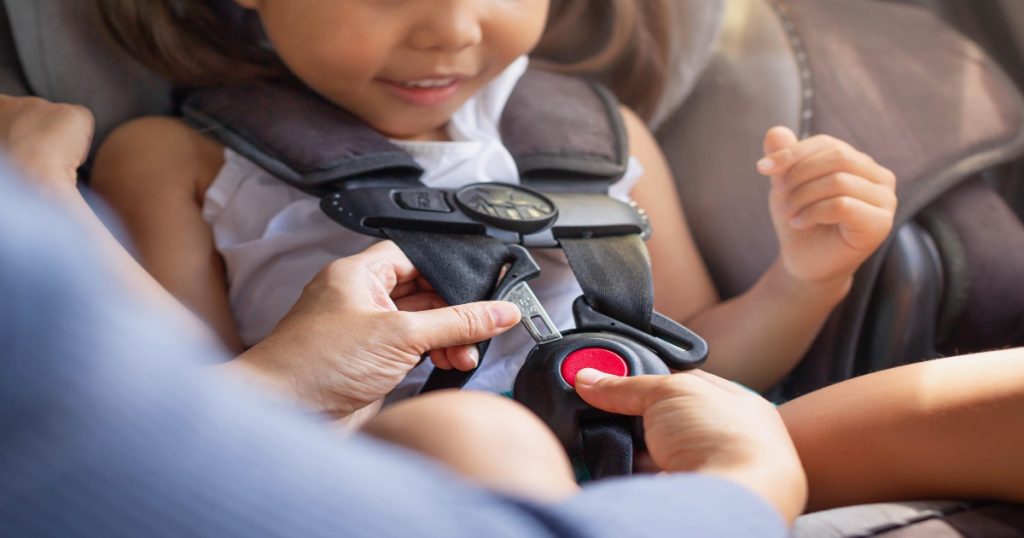
Current image: A child being secured in a car seat

When a minor child gets hurt in a car crash, parents may wonder whether they can recover compensation for medical costs and other losses their child sustained in the crash.

In Minnesota, you can file a claim against the at-fault party on behalf of your injured child. In this blog from TSR Injury Law, our experienced car crash attorneys in Minneapolis discuss essential information about the claims process for a minor child, including what to expect and how to protect your child’s rights.

Need legal help for a minor child injured in a crash? Call our law offices to discuss your situation and legal options. We understand the complexities of injury claims involving minor children and have the resources and experience to help you get the compensation you deserve.

Request your FREE case review today. (612) TSR-TIME

What Legal Rights Does My Child Have After a Minnesota Car Crash?

Minnesota law provides special protection for children injured in car crashes. As a parent or legal guardian, you have the right to pursue compensation on behalf of your injured child through the civil court system. The law recognizes that children cannot legally advocate for themselves, so it empowers parents to act as their representatives.

Is There a Time Limit for Filing My Child’s Claim?

In Minnesota the statute of limitations for most claims involving a personal injury is six years from the date of the injury. However, the rules differ for minors. The statute of limitations for a minor child is generally six years after the crash injury occurred or one year after their 18th birthday, whichever is later.

It is important to point out that every case is unique, so you should speak to an attorney sooner than later to determine what statute of limitations applies to your child’s case. Additionally, six years may sound like a long time, but there are benefits to speaking to a lawyer right away. Waiting until they turn 19 may be a long time, depending on how old they are at the time of the crash. The more time that passes, the greater the risk of evidence being lost or destroyed, making it harder to establish negligence.

What Compensation Can My Injured Child Seek After a Minnesota Crash

After a Minnesota car crash, your child may be entitled to significant compensation to support their recovery and protect their future. Minnesota law recognizes that injuries to children can have far-reaching impacts on their development and opportunities. For this reason, the state provides special protections to ensure they recover fair compensation. An experienced attorney will pursue damages that address both current needs and potential future challenges your child may face.

Here are some of the damages your child may be eligible to receive:

  • Current and future medical expenses, including rehabilitation
  • Pain and suffering compensation
  • Emotional trauma and psychological counseling costs
  • Loss of future earning capacity if injuries impact career potential
  • Educational support and accommodations
  • Permanent disability or disfigurement compensation
  • Loss of quality of life and enjoyment of activities
  • Specialized medical equipment needs
  • Long-term care costs if required
  • Recovery for future medical treatments as they grow

What Role Does Minnesota’s No-Fault Insurance Play in the Injury Claims Process?

Minnesota operates under a no-fault insurance system, which affects how injury claims work. Your child’s medical bills and other expenses should first go through your Personal Injury Protection (PIP) coverage, regardless of who caused the crash. However, severe injuries might qualify for additional compensation through a liability claim against the at-fault driver.

Can I Sue Beyond No-Fault Coverage on Behalf of My Injured Child in Minnesota?

In Minnesota, you may have the right to pursue a lawsuit beyond no-fault insurance coverage if your child’s injuries meet the state’s severity threshold. No-fault insurance provides immediate medical benefits, while more serious injuries often justify seeking additional compensation through a liability claim.

To be eligible to seek additional compensation beyond what no-fault insurance provides, your child must meet one of Minnesota’s tort thresholds:

  • Medical expenses exceeding $4,000
  • Permanent injury or disfigurement
  • 60 days or more of disability
  • Permanent scarring or disfigurement
  • Fatal injuries

Why Should I Consider Working with a Personal Injury Attorney?

Having a skilled attorney managing your case can significantly impact the outcome of your claim. Here are some key ways they can assist you:

  • Navigate legal complexities: Personal injury cases for minor children involve intricate rules and regulations. Our experienced injury lawyers understand these complexities and can guide you through each step, ensuring you meet all legal requirements and deadlines.
  • Communicate with insurance companies: Our attorneys are skilled negotiators and can manage communications with third parties, including insurance companies. This can give you the peace of mind you need to focus on your child while also protecting you from being pressured into accepting a low settlement.
  • Gather and present evidence effectively: We know what evidence is needed to build a strong case on your child’s behalf, including medical records, police reports, witness statements and other evidence. When necessary, we work with experts, including medical professionals or accident reconstruction specialists to help build a compelling case that establishes the full extent of your child’s injuries.
  • Ensure that your child’s rights are fully protected: At TSR Injury Law, we are committed to protecting your child’s best interests, advocating for full and fair compensation.

Need Legal Help After a Minnesota Crash? Call TSR Injury Law Today

TSR Injury Law has a history of proven results, and we are committed to holding at-fault parties accountable for the damages they cause.

Take the next step in getting compensation for your child’s injuries. Call TSR Injury Law. We charge no upfront costs or fees. Our firm takes injury cases on contingency, which means we only get paid if you do.

TSR Injury Law. We get results for you. (612) TSR-TIME

.

Who May Be Liable if Running a Stop Sign Leads to a Crash in Minnesota?

Current image: image of a stop sign against a bright blue sky

Most drivers have rolled through a stop sign at least once. While it might seem harmless, this traffic violation leads to thousands of serious crashes each year in Minnesota. Understanding who bears responsibility after a stop sign crash helps victims protect their legal rights and seek fair compensation.

If you sustained injuries from a collision caused by a negligent driver running a stop sign, we encourage you to contact our experienced car crash lawyers in Minneapolis for legal help. These crashes can lead to serious injuries that may impact you financially, physically and emotionally for years to come. We can help you pursue compensation for your medical costs and other losses to ensure your future is protected.

Call for a FREE case review today. Call:  (612) TSR-TIME.

What Are Minnesota Stop Sign Laws?

Minnesota law requires drivers to come to a complete stop at stop signs. This means the vehicle must cease all forward motion before proceeding. The law also requires drivers yield to pedestrians and check for cross traffic before continuing through the intersection.

Drivers who run stop signs face more than just traffic citations. When their actions cause crashes, they become legally liable for damages and injuries. Depending on the circumstances, multiple parties may share fault in these types of collisions.

Who Are the Potential Liable Parties After a Stop Sign Crash?

There can be multiple parties who contribute to a crash. However, in most stop-sign crashes, the driver who ran the stop sign is typically liable.

Liable parties for a stop-sign crash may include:

The Driver Who Ran the Stop Sign

  • Bears primary responsibility in most cases
  • Must prove they exercised reasonable care
  • Insurance typically covers damages up to policy limits
  • May face additional penalties for traffic violations
  • Could face charges in some cases, such as a hit-and-run resulting in severe or fatal injuries

Other Drivers

  • May share fault if speeding or distracted
  • Could be liable if they also violated traffic laws that led to the crash
  • Must prove they acted with reasonable caution
  • May need to file claims with multiple insurers
  • Should document other drivers’ actions carefully

How Does Minnesota Law Affect Liability?

Minnesota follows a modified comparative negligence system. This means multiple parties can share fault for a collision.

Victims who are deemed partially liable for a crash may still seek compensation for their damages as long as they are 50 percent or less at fault for the crash.

The law reduces compensation based on each party’s percentage of fault. For example, if a victim is 20 percent at fault, they receive 80 percent of the total damages awarded. This system makes determining liability crucial for fair compensation.

If you are found to be 51 percent or more liable, you are barred from seeking compensation from the other party.

What Evidence Can Be Used to Prove Liability?

The burden of proving negligence falls to injured victims or to the attorneys representing them.  We strongly recommend working with a knowledgeable car crash legal team, such as TSR Injury Law. We know what evidence is needed to establish fault after a stop sign crash and how to get it.

Important documentation that can help to build a strong claim against the at-fault party includes:

  • Police reports
  • Witness statements
  • Traffic camera footage
  • Vehicle damage photos
  • Skid mark measurements
  • Medical records related to your crash
  • Testimonies from medical experts or accident reconstruction specialists
  • Cellphone records
  • Weather conditions
  • Maintenance records

What Types of Compensation Am I Entitled To?

Minnesota law allows victims to seek compensation for certain losses directly caused by the crash. By filing a personal injury lawsuit against the at-fault party, crash victims may be able to recover compensation for these and other damages:

  • Medical expenses: These are medical costs directly related to the crash that caused the injuries, including surgeries, hospital stays, diagnostic testing, physical therapy, chiropractic and more.
  • Lost wages: Victims may recover lost wages if they are unable to work while recovering from injuries caused by the crash.
  • Property damage: Losses may include the repair or replacement of a vehicle or other personal belongings damaged in the crash.
  • Pain and suffering: Non-economic damages, such as anxiety, PTSD, stress, and disfigurement
  • Future care costs: Estimated care costs you could encounter for additional medical treatment
  • And more

How Can I Prevent Stop Sign Crashes in the Future?

Drivers can significantly reduce the risk of collisions at a stop sign by adopting safe driving practices. Here are some key strategies:

  • Adhere to Stop Signs: Ensure you fully stop at all stop signs. A rolling stop increases the risk of missing oncoming traffic.
  • Look Both Ways Twice: Before proceeding, check for vehicles and pedestrians in both directions, even if the intersection seems clear.
  • Remove Distractions: Avoid distractions, such as texting or adjusting the radio, while driving. Focus your attention fully on the road.
  • Consider Conditions: Adjust driving based on weather, traffic and road conditions. Rain, snow, and ice can impact stopping distances and visibility.
  • Maintain Proper Speed: Obey posted speed limits, adjusting your speed when appropriate. Slower speeds allow for better reaction times.
  • Yield Appropriately: Yield to vehicles and pedestrians that have the right of way. Be aware of your surroundings.
  • Stay Alert: Keep your attention on the road, especially in busy areas. Avoid fatigue and take breaks if necessary.
  • Follow Road Rules: Abide by all traffic laws and signals. Understanding and respecting these rules helps maintain safe driving habits.

Contact a Knowledgeable Attorney Today

If you have been involved in a collision due to someone running a stop sign, it is crucial to learn about your rights and legal options.

At TSR Injury Law, our legal team is committed to fighting for the compensation you deserve. With our experienced team by your side, you will receive personalized attention every step of the way. We are here to advocate for you and ensure your voice is heard.

Contact our law offices today to take the first step toward recovery. Your initial consultation is FREE, and there are no upfront costs or fees to pay.

Experienced Lawyers. Proven Results: (612) TSR-TIME.

How Pain & Suffering Damages Are Calculated: Understanding Your Rights After an Injury

If you’ve been injured, you may have heard of ‘pain and suffering’ damages. Unfortunately, too many people hear that term and only think of physical pain. I have clients tell me all the time, ‘I can handle the pain; what I can’t handle, and what’s really hard for me, is knowing that I’m not the person I used to be.

When we’re representing people, we’re proving their losses, and a big component of that loss—or that pain and suffering—is the loss of time. Time with family, friends, whatever it is. What changes people for the rest of their lives is when their child says, ‘Can you pick me up?’ and they have to say ‘no’ because of pain. When their family had a vacation planned for five years, and they can’t go because they’re hurt. When we talk to our clients, the things that they are most upset about, the things that impact them the most, are their ability to live a pain-free life, to do activities with friends and family, to do their job. Those things—insurance companies don’t really care about unless you make them care.

So, a lot of times, it’s not just about talking about the case. I’ll learn a lot about their families, their children, what they like to do, and how their injury has affected their hobbies or enjoyment of life. In order to effectively represent them, you have to know someone on a human level so you can get them the best settlement.

All too often, insurance companies ignore these damages and losses and try not to pay people for them. But I’ll make sure they can’t ignore it.

How Long Do Personal Injury Lawsuits Last?

The amount of time a case takes to get resolved is different for every single person. When you’re bringing a claim against someone who hurt you and their insurance company, you only get one shot.

That’s why it’s important to hire an attorney at TSR Injury Law, because we will take the time to figure out what the full extent of your damages are, the full extent of your injuries, and what it’s going to mean for you and your future before we even consider reaching out to discuss settlement with the insurance company.

We have to make sure that you get compensated for everything you’ve gone through in the past, everything you’re going through now, and everything you’re going to need in the future. And I think, at TSR Injury Law, we do that very well.

If you’ve been injured, call 612-TSR-TIME. I’d be honored to help you.

Compensation for Facial Injuries From a Minnesota Crash

Individuals who sustain facial injuries in a car crash may end up with permanent scarring and disfigurement. Even if the injury fully heals, these victims may often experience a lengthy recovery, significant pain and suffering, and a hefty financial burden they were not expecting.

This article discusses the facial injuries most common in motor vehicle crashes and when victims may be eligible to recover compensation for medical costs, including plastic surgery, lost wages and other damages.

Do you have facial fractures or other serious injuries from a car crash? If so, our experienced car crash attorneys in Minneapolis are prepared to help. Do not hesitate to contact us at TSR Injury Law to discuss your situation and learn about your legal options.

Your initial consultation is FREE. Call: (612) TSR-TIME today.

How Common Are Facial Injuries From a Car Crash?

Current image: Patient with broken nose.

Facial injuries from crashes are fairly common. In fact, various studies done over the last decade show as much as 50 percent or more people involved in a crash sustain some type of facial injury. It is fair to say these numbers have improved more recently due to improved vehicle safety. When crash victims suffer facial injuries, however, they are often quite severe.

What Are Some Common Facial Injuries in Vehicle Crashes?

Motor vehicle collisions may cause facial trauma due to victims striking the steering wheel, dashboard, windshield or deployed airbag. Some of the most common facial injuries include:

  • Lacerations and abrasions: Deep cuts to the face can cause significant bleeding and scarring.
  • Fractures: Broken facial bones may involve the jaw, cheekbones, nose or eye sockets.
  • Dental injuries: Crashes can cause chipped, broken or knocked-out teeth.
  • Eye injuries: Trauma to the eyes, including retinal tears or detachment, can lead to vision problems or permanent blindness without immediate surgical repair.
  • Soft tissue injuries: Damage to muscles, ligaments and nerves in the face can impair movement and sensation.
  • Burns: Airbag deployment or vehicle fires may cause facial burns.

Can I Include Damages Related to My Facial Injury in a Car Crash Claim?

As long as you or your attorney can prove the other party’s negligence led to the crash and your injuries, then yes, you can include facial injury damages as part of your overall car crash claim. Minnesota law allows victims to seek compensation for all injuries directly caused by a car crash.

Facial injuries often fall under “bodily injury” in insurance claims. This means they are typically covered by the at-fault driver’s liability insurance.

Where you may run into trouble is in dealing with insurance companies, as they may try to downplay injuries to your face. They might try to argue these injuries are less severe than other types of trauma.

Why Might Insurance Companies Try to Avoid Paying for Facial Injuries?

Insurance companies often try to avoid paying for facial injuries to protect their bottom line. They know these injuries can be costly and complex, potentially leading to higher payouts.

Here are some other reasons insurers might resist compensating facial injury claims:

  • High medical costs: Facial injuries often require expensive treatments, like plastic surgery or dental work.
  • Long-term impacts: Injuries to the face can have lasting effects, requiring ongoing medical care.
  • Pain and suffering: Facial injuries can cause significant emotional distress, which can increase claim values.
  • Difficulty in assessment: The full extent of facial injuries may not be immediately apparent, making them harder to evaluate.
  • Subjective nature: The impact on a victim’s appearance and self-esteem can be hard to quantify, and insurers are more likely to undervalue a claim.

These injuries often require extensive medical treatment, including emergency care, surgery and ongoing rehabilitation. Many victims may need follow-up procedures like scar revision or dental work to address both functional and cosmetic concerns.

How Much Is My Facial Injury Case Worth?

There is no set value for facial injury cases, as the value depends on many contributing factors. The estimate for those damages is included as part of your total car crash claim. This manes any damages you sustained in the crash will be included in the total estimated value of your claim.

The factors that impact the value of your case includes the severity of your injuries, the long-term impacts, ongoing treatments needed and available insurance coverage.

An experienced attorney can provide a realistic and accurate estimate after thoroughly reviewing the unique details of your case and available insurance coverage.

What Type of Compensation Can I Receive for My Facial Injury?

The compensation you may be eligible to recover may include both economic and non-economic damages. While the specific amounts will vary in each case, common types of compensation include:

  • Medical costs related to damages directly caused by the crash
  • Loss of income, including wages lost if you were unable to work while recovering
  • Pain and Suffering damages, such as PTSD, depression, emotional distress, loss of enjoyment, disfigurement and scarring, and more.
  • And more

Minnesota Laws Impacting Facial Injury Claims

Several Minnesota laws may affect your ability to seek compensation after a crash:

No-Fault Insurance

Minnesota is a no-fault insurance state. This means the personal injury protection (PIP) coverage of your auto insurance policy pays for your initial medical expenses and lost wages. This coverage applies no matter who caused the crash. However, PIP coverage is often insufficient for facial trauma and other severe crash injuries.

Tort Threshold

To be eligible to file a liability claim against the at-fault driver for additional compensation, your case must meet certain thresholds:

  • Medical expenses exceeding $4,000
  • Permanent injury or disfigurement
  • Disability lasting 60 days or more
  • Death

Significant facial injury cases will likely meet these criteria, allowing victims to pursue claims beyond their PIP coverage.

What If I Am Partially to Blame for the Crash That Caused My Facial Injury?

Minnesota follows a modified comparative fault rule. You can recover damages as long as you are not more than 50 percent responsible for the crash. However, any compensation awarded will be reduced by your percentage of fault.

How Long Do I Have to File a Facial Injury Car Crash Claim in Minnesota?

In Minnesota, crash victims generally have six years from the date of the crash to file a personal injury lawsuit in Minnesota. However, it is best to begin the legal process as soon as possible to preserve evidence and protect your rights.

Reach Out to an Experienced Attorney Today

Dealing with any type of car crash claim alone can feel overwhelming. In Minnesota, TSR Injury Law is prepared to help you understand your rights and guide you throughout the legal process.

Our law firm has a history of proven results, and we are deeply committed to recovering the full and fair compensation you deserve.

Not sure if you have a case? We offer a free initial consultation to determine your potential legal options. If we represent you, there are no upfront costs or fees to pay, making the ability to seek legal help affordable.

TSR Injury Law fights to get you maximum results. Call (612) TSR-TIME.

Traumatic Brain Injuries After a Crash: What You Need to Know

Traumatic brain injuries (TBIs) are common after a car crash. Victims who sustain even mild TBIs may face a lengthy recovery. More severe TBIs could result in additional significant long-term or even permanent damage.

At TSR Injury Law, we have a proven history of helping individuals dealing with TBIs and other injuries caused by someone else’s negligence. This blog looks at the legal aspects of a TBI, including when victims may be able to sue for medical costs and other damages.

If you suffer a TBI in a Minnesota collision, we encourage you call our Minneapolis car crash lawyers at TSR Injury Law to learn about your potential legal options.

Request a free consultation today. (612) TSR-TIME

What Is a Traumatic Brain Injury?

A Traumatic Brain Injury (TBI) is a serious head injury resulting in short or long-term damage to the brain.

Even mild car crashes can cause a TBI. However, a collision can also result in a more severe TBI. Victims may experience long-term or permanent complications as a result. Some TBIs can be fatal, especially if victims do not get immediate treatment.

During a crash, these are some of the common ways a TBI can occur:

  • Hitting the steering wheel, dashboard, headrest, or windshield
  • Back-and-forth movements that cause the brain to bang against the skull, which could cause both a TBI and a whiplash
  • Objects striking or penetrating the skull

In car crash cases, even what seems like a minor collision could cause a TBI. This is just one reason immediate medical attention with ongoing treatment and monitoring are crucial for anyone who has experienced a head trauma.

Can I Sue for Damages If My TBI Was Caused by a Car Crash?

Maybe, but it is important to remember that Minnesota is a no-fault state. This means the first path for covering medical bills and wage loss is through your no-fault auto insurance coverage.

What Damages Does No-Fault Insurance Cover in Minnesota?

The coverage provided under your no-fault insurance depends on the amount of protection you purchased. Generally speaking, however, a basic no-fault policy will provide for:

  • Medical Costs: Up to the limits of your policy ($20,000 is the minimum medical coverage)
  • Lost Wages: Covers up to 85 percent of lost wages or $500 weekly maximum ($20,000 is the minimum wage coverage)
  • Replacement Services: Up to $200/week for household tasks, lawn care, food shopping and more
  • Funeral/Burial Costs: For fatal TBIs or other fatal injuries, Minnesota no-fault policies pay up to $2,000 in funeral expenses.

That said, no-fault insurance only covers certain types of damages. Additionally, TBI expenses often exceed the coverage provided under a no-fault claim.

What Damages in Minnesota Are Not Covered by No-Fault Insurance?

There are many costs that no-fault insurance does not cover. For instance, your no-fault policy will not cover:

  • Damage to other people’s property
  • Damage to your vehicle
  • Pain and suffering damages, such as PTSD, disfigurement, anxiety and other damages

How Can I Pay for Non-Covered Losses After a TBI?

No-fault coverage is limited and may not cover all of your losses. If your injuries require more care than what your no-fault coverage provides you also have a claim against the at fault driver’s insurance for medical expenses and wage loss over and above what your no-fault insurance pays. Additionally, you can bring claims for past and future pain and suffering, as well as past medical and wage loss above what your no-fault insurance paid and future medical costs and wage loss if the evidence supports such a claim. To have a claim for pain and suffering, you must first be able to meet the criteria set my Minnesota’s tort threshold.

What Is Minnesota’s Tort Threshold?

The tort threshold in Minnesota is a set of specific qualifications you must meet before you have a claim for pain and suffering and other damages against the at-fault driver’s insurance. Under this threshold system, you must have experienced at least one of the following after your car crash:

  • Medical costs that exceed $4,000 (not including diagnostic imaging)
  • Suffered a permanent injury or permanent disfigurement
  • Had a disability that lasts a minimum of 60 days or longer
  • Death

Even for less severe TBIs, your medical costs for treatment may exceed the tort threshold.

How Do I Know If I Have a Traumatic Brain Injury?

You may experience several symptoms indicating a TBI. The symptoms of a TBI may appear immediately or develop over time.

Seeking medical attention right after a crash can help ensure even internal injuries, like a TBI, get diagnosed promptly.

Key symptoms to watch for, even after your initial medical examination, include:

  • Headaches or migraines
  • Confusion or disorientation
  • Memory problems
  • Difficulty concentrating
  • Dizziness or balance issues
  • Nausea or vomiting
  • Blurred vision
  • Sensitivity to light or sound
  • Mood changes or irritability
  • Sleep disturbances
  • Slurred speech
  • Loss of consciousness (even briefly)

What If Symptoms of a TBI Develop Days or Weeks After a Crash?

TBI symptoms may sometimes develop or become more noticeable in the days and weeks following a crash. Often it is the people we spend time with that will notice the symptoms first.

If this happens to you, there are some steps you should take and other steps you should avoid:

Do take these steps:

  • Go back to the doctor and discuss your new symptoms.
  • Make sure you tell the doctor about the crash that happened prior to that visit.
  • Document all your symptoms as soon as you become aware of them, including how they are affecting your daily life.
  • Call an attorney right away to discuss potential legal options

Do not do the following:

It is not a good idea to agree to a quick settlement offer from the insurance company. At this stage of your claim, the total amount of your damage cannot be known. It is important to first find out:

  • The extent and severity of your TBI
  • What treatment your doctor recommends
  • Whether you can work or drive during your recovery
  • How your TBI could affect you in the long term
  • If your TBI symptoms are permanent

Contact TSR Injury Law Today

Recovering from a traumatic brain injury can be a long and challenging journey, but it is not one you need to face alone.

TSR Injury Law understands the complexities of TBIs, and we also know how to accurately calculate the full value of your claim to make sure you recover the maximum possible compensation for your damages.

Call today for your free consultation. If you have a case and we represent you, there are no upfront costs or fees to pay.

TSR Injury Law. We get you results. (612) TSR-TIME

What Damages Does No-Fault Insurance Cover in Minnesota?

The coverage provided under your no-fault insurance depends on the amount of protection you purchased. Generally speaking, however, a basic no-fault policy will provide for:

  • Medical Costs: Up to the limits of your policy ($20,000 is the minimum medical coverage)
  • Lost Wages: Covers up to 85 percent of lost wages or $500 weekly maximum ($20,000 is the minimum wage coverage)
  • Replacement Services: Up to $200/week for household tasks, lawn care, food shopping and more
  • Funeral/Burial Costs: For fatal TBIs or other fatal injuries, Minnesota no-fault policies pay up to $2,000 in funeral expenses.

That said, no-fault insurance only covers certain types of damages. Additionally, TBI expenses often exceed the coverage provided under a no-fault claim.”
}
}
}

Common Mistakes New Drivers Make on Minnesota Roads

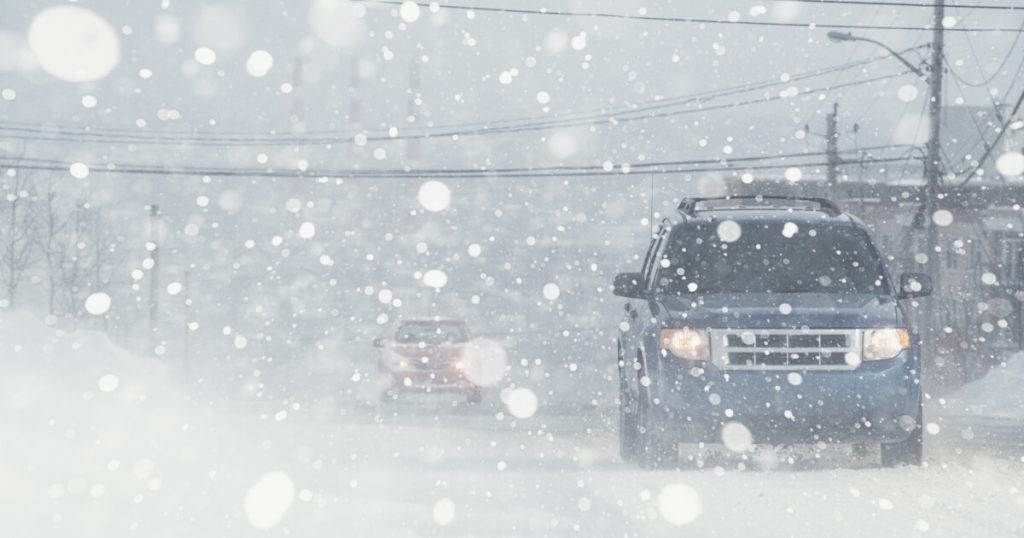
Current image: image of an SUV driving through a white-out snow storm

Minnesota roads present unique challenges for motorists, even locals with a lot of years behind the wheel. From harsh winter conditions to heavy urban traffic, teens and other newer drivers are more prone to making errors that could increase their risk of a crash.

In this article from TSR Injury Law, we discuss some of the frequent errors made by inexperienced drivers. Our knowledgeable car crash lawyers in Minneapolis give you practical tips on how to avoid these errors and reduce your risk of a crash.

Injured in a Minneapolis car crash? Call (612) TSR-TIME for legal help today.

How Do Newer Drivers Misjudge the Unpredictable and Harsh Weather in Minneapolis?

Minnesota winters are notoriously harsh. Residents living there have come to expect heavy snowfall, icy roads and frigid temperatures. Newer drivers often underestimate the impact these conditions have on the roads, which can increase their risk of a crash.

It is easy to get caught off guard by Minnesota’s rapid weather changes, from sunny skies to sudden downpours or whiteout snowstorms, especially during the transitional seasons. This unpredictability can cause poor visibility and slippery roads. Drivers need to be ready to immediately adjust their driving, such as by slowing down and allowing for longer stopping distances. Inexperienced drivers are often unprepared to handle these types of driving conditions.

Less seasoned drivers, especially teens, may also misjudge the impact of Minneapolis’s harsh winters on road conditions. They may not realize how black ice forms on bridges and overpasses. Newer locals who are not yet used to such harsh weather, along with less experienced drivers, often get surprised by how fast snow can accumulate and obscure lane markings and road edges.

New drivers may not yet be familiar or comfortable with winter driving techniques, such as:

  • Adjusting following distances on icy roads
  • The proper way to correct a skid

This lack of weather-related driving skills is a disadvantage for newer drivers, increasing their risk of a winter crash.

Practical Tips Drivers Can Follow for Safer Winter Driving

To help reduce the risk of a crash in winter, drivers should take precautions and plan for better safety.

Before Winter sets in:

  • Service and winterize your vehicle (including tires, brakes, wipers, etc.)
  • Invest in high-quality all-season or winter tires for better traction on snowy and icy roads
  • Keep your vehicle’s gas tank at least half full throughout the winter season to prevent the fuel line from freezing.
  • Prepare an emergency kit that includes blankets, flashlight, snacks, water and a first-aid kit
  • Learn how to use your vehicle’s anti-lock braking system (ABS) correctly
  • Consider taking a winter driving course to improve your skills and confidence
  • Learn how to correct a skid: steer into the skid and avoid harsh braking
  • Practice gentle acceleration and deceleration to maintain control on slippery surfaces

Before Setting Out:

  • Check weather before setting out, especially on longer commutes.
  • If weather is going to be bad, stay home and off the roads when possible
  • If you must go out, clear all snow and ice from the vehicle, including your roof, before driving
  • Plan for extra travel time to accommodate slower speeds and possible delays

While on the Road:

  • Increase your following distance to at least 8-10 seconds in snowy or icy conditions
  • Use your headlights, even during the day, in poor weather to increase visibility
  • Avoid using cruise control on wet, snowy, or icy roads
  • Apply brakes gently and early to prevent skidding
  • Remember that black ice forms first on overpasses and bridges

Why Do New Drivers Struggle with Minneapolis’s Complex Intersections and One-Ways?

New drivers in Minneapolis often find the city’s intricate network of intersections and one-way streets overwhelming. The downtown area, with its grid system and numerous one-ways, can be particularly confusing. Inexperienced drivers may miss turn restrictions or enter streets from the wrong direction, increasing accident risks.

Complex intersections like the “5-way” at Franklin, Cedar and Minnehaha can challenge even seasoned drivers. Less experienced drivers struggle to track multiple traffic flows and right-of-way rules. They may hesitate, make last-minute lane changes or misjudge turning angles. This confusion can quickly lead to rear-end collisions, sideswipes or T-bone crashes.

What New Minneapolis Drivers Can Do to Tackle These Roads With Confidence

To learn how to tackle safe navigation of these areas, new drivers should get start by getting familiar with the unique road layout. Have an experienced driver who knows the area go with you, so you can practice and gain confidence to drive more safely on these roads.

What Makes I-35W and I-94 Rush Hour So Dangerous for Inexperienced Drivers?

New drivers often make critical errors is on the I-35W and I-94 during rush hours. Inexperienced drivers may misjudge merging speeds, following distances and get caught off-guard by sudden traffic slowdowns.

Other inexperienced drivers may panic if they get boxed in by large trucks or be unsure how to manage last-minute lane changes. New drivers are also prone to distraction, frequently checking their phones or adjusting their GPS. This is especially dangerous when weather is bad, traffic is heavy or any time you are navigating unfamiliar routes. Any of these mistakes could lead to an unexpected single-vehicle crash, head-on collision or multi-vehicle pileup.

Steps You Can Take to Help Prevent a Crash While Driving on I-35W and I-94

To stay safer in these areas, new drivers should do the following:

  • Plan your route in advance: Use your traffic apps to anticipate times and specific areas of your route that might become congested.
  • Maintain a consistent speed and remember to use your turn signals well before lane changes.
  • Keep a 3-second following distance, increasing that distance as needed in bad weather.
  • Avoid the leftmost lane; this is where speeds fluctuate most.
  • Stay focused on the road, being aware of vehicles around you.
  • If you feel overwhelmed, find a safe exit or area where you can pull over away from passing traffic.

Consider practicing during off-peak hours to build confidence and your driving skills before tackling rush hour traffic.

What Other Common Mistakes Do New Drivers Universally Make?

New drivers everywhere make a lot of similar mistakes that can lead to dangerous situations on the road. These errors stem from inexperience, overconfidence, or simply not having developed good driving habits yet. Recognizing these common pitfalls is key to avoiding them and becoming a safer driver.

Here are some universal mistakes that new drivers frequently make:

  • Tailgating or following too closely
  • Distracted driving (texting, eating, adjusting music)
  • Speeding, especially in adverse conditions
  • Failing to check blind spots when changing lanes
  • Neglecting to use turn signals
  • Overestimating their driving abilities
  • Not adjusting mirrors properly
  • Panicking in unexpected situations
  • Forgetting to turn on headlights in low visibility
  • Ignoring vehicle maintenance issues
  • Driving while fatigued
  • Not wearing a seatbelt consistently

Involved in a Car Accident? Call TSR Injury Law

Driving is a skill that requires focused attention and a lot of practice. This is especially for new drivers who are still learning the challenges of Minnesota roads.

Sometimes, despite your best efforts, another driver may cause a crash. If you find yourself in this situation, it is important to stay calm and get help to the crash scene.

Injured in a crash in Minneapolis? If so, TSR Injury Law can help you understand your legal rights after a crash. If you need legal assistance, we encourage you to contact our law offices to discuss your situation.

Your initial consultation is completely free. If we represent you, there are no upfront costs of fees to pay.

Call today: (612) TSR-TIME.

What if the Insurance Company Refuses to Settle Your Minneapolis Car Crash Claim?

Most car crash victims recover compensation through a settlement. In Minneapolis, these settlements are often with the at-fault driver’s insurer or even your own insurance company.

Unfortunately, insurance companies sometimes push back and refuse to settle. They may say your injury is a preexisting condition or that you have overvalued your damages. This blog looks at common reasons insurers may refuse to settle. We also explain steps you and your attorney can take to continue pursuing the compensation you need.

At TSR Injury Law, our legal team has recovered over $1 billion in compensation for our clients. Your initial consultation with us is free, and we do not charge legal fees unless we help you recover favorable compensation.

Learn more. Call: (612)-TSR-TIME.

Why Is My Car Insurance Company Refusing to Settle My Claim?

It is important to find out why an insurance company might refuse to settle your personal injury claim. This information can provide clarity and help you take proactive steps towards continuing your recovery. Here are some common reasons why an insurer might choose not to settle:

  • Disputed Damages: Insurance companies often dispute the extent or severity of the victim’s damages. They may fight you on the amount of medical expenses, lost wages or other forms of compensation your Minneapolis car crash lawyer included in your settlement demand. The insurer may argue that some of these damages are either exaggerated or not related to the crash.
  • Insufficient Evidence: The insurance company may say you have not provided sufficient evidence to prove the value of your damages. They may even claim the evidence you have provided does not prove your injuries were caused by the crash.
  • Preexisting Injuries: Insurance companies may try to argue that the crash victim’s injuries were caused by something other than the collision. For example, they may say your back pain is a result of a preexisting issue from a prior injury.
  • Delayed Medical Treatment: If you did not seek medical help right away, the insurance company may try to claim your injuries happened elsewhere. In other words, they think your injuries were caused by something other than the collision.
  • Policy Limits: Sometimes, victims are seeking compensation above the policy limits. However, the insurance company may claim you are seeking more than the policy provides when this might not be the case. Sometimes the value of an injured victim’s damages exceeds the insurance policy’s limits. This is just one situation where it helps to have a licensed attorney fighting for your interests.
  • Negotiation Tactics: It is also possible that the insurance company may refuse to settle as a negotiation tactic. By initially refusing to settle, they may be trying to pressure you into accepting a lower amount. This tactic is sometimes used to test how far you are willing to go to reach a resolution. The insurer might hope that by making the process more difficult, you will agree to a lesser settlement. They know injured victims often want to avoid prolonged negotiations or potential litigation.

If your lawyer files a claim against the other driver’s insurance company, they may dispute their policyholder’s liability for the collision. Insurance companies often conduct their own investigations to determine fault. If they determine liability is not clear, they may hesitate to offer a settlement. They might argue that the evidence does not fully support your claim of their policyholder’s fault.

What Are My Options if the Insurance Company Refuses to Settle?

The insurance company is required to provide an explanation for their refusal to settle. If they deny your claim, it is your right to know why. Ask them to explain why, preferably in writing.

If the insurer refuses to settle because of disputed evidence, victims or their lawyers can submit additional documentation or information that supports the claim. This might include updated medical records or expert opinions.

Many crash victims struggling to get their insurance company to settle often reach out to an experienced lawyer. Injury lawyers deal with insurance companies every day. They can review the situation on your behalf and determine a strategy to help you get fairly compensated for your damages.

For example, your lawyer could manage an alternative dispute resolution with the insurance company. The two main types of alternative dispute resolution include:

  • Mediation: Mediation involves a neutral third party who helps facilitate discussions between you and the insurance company. The mediator assists both sides in working toward a mutually acceptable settlement. Mediation can often resolve disputes without the lengthy process of a court case.
  • Arbitration: Arbitration is a more formal method where an arbitrator, often a retired judge or panel of experienced attorneys, reviews the evidence and makes a binding or non-binding decision. While more structured than mediation, arbitration is generally quicker and less costly than going to trial.

Your lawyer can also file a lawsuit and pursue full compensation in court. While insurance companies often want to avoid the courtroom, there are times when they decide to take the risk of going to trial. However, filing a lawsuit could be enough to cause the insurance company to make a better settlement offer.

What Are the Problems With Trying to Resolve a Denied Claim on Your Own?

You are within your rights to deal with the insurance company on your own. However, more often than not, this situation benefits the insurance company. They know you are not going to file a lawsuit, so they often have little motivation to change their decision.

It is also difficult to take steps to obtain additional evidence while dealing with a car crash injury. You may be struggling with physical limitations, both from the injury and any restrictions your doctor placed on your physical activity. Injuries can also affect many other aspects of your life, leaving you little time or energy to fight with the insurance company.

Seek Help From an Experienced Minneapolis Law Firm

Handling a personal injury claim, especially when facing an insurance company’s refusal to settle, can seem like an overwhelming obstacle.

Many crash victims seek help from an experienced law firm, such as TSR Injury Law. Here are some of the benefits of contacting our firm after sustaining an injury from a crash:

  • We Get Results: You can see from our track record that our law firm has a passion for helping injured clients. We are deeply committed to helping you get the compensation you deserve.
  • No Upfront Fees: We do not charge legal fees unless we recover compensation for you. This means you risk nothing by contacting us to learn more about your potential rights.
  • Free Consultation: What does this mean? It means you can discuss your situation with a qualified attorney at our firm for free and get answers to your questions. We also help you understand what legal options may be available to you.

Ready to take the next step? Call us today at: (612)-TSR-TIME.

Defensive Driving Tactics for Preventing Crashes in Minneapolis

Minneapolis drivers encounter various challenges, from congested urban streets and poorly lit suburban roads to unpredictable weather and heavy traffic.

This article from TSR Injury Law explains some key defensive driving techniques. These tips can help you navigate challenging traffic and adverse weather conditions more safely, reducing your risk of a crash.

Were you injured in a collision? If so, you may be eligible to seek compensation for your medical costs and other damages. Need legal help? We encourage you to contact TSR Injury Law. Our experienced Minneapolis car crash lawyers have recovered over $1 billion for our clients. Call our trusted law firm today to discuss your situation and learn about your legal options.

Request your no-risk FREE case review today: (612) TSR-TIME.

What Is Defensive Driving?

Current image: A woman checking rear view mirror

Defensive driving is a set of skills and techniques that help drivers anticipate and respond safely to potential hazards on the road. The main goal of defensive driving is to reduce the risk of collisions by being proactive and prepared for unexpected situations. For example, when you are an alert driver, you will most likely notice a car swerving in and out of lanes. This gives you an opportunity to avoid that driver and a potential collision by moving into another lane, further away from the swerving car.

How Can Drivers Drive Defensively in Poor Weather Conditions?

Minneapolis faces some of the harshest weather conditions in North America, particularly during the winter months. These conditions make it crucial for drivers to practice safe driving. Snow, ice, rain and fog each present unique hazards that can increase the likelihood of car crashes.

Here are some of the most challenging driving conditions you can face in Minneapolis and some defensive techniques to help you to navigate them more safely.

Snow and Ice

During Minneapolis’s winters, drivers experience heavy snowfall and icy road conditions. Snow can accumulate quickly, covering the road and making it difficult for drivers to maneuver.

Ice, is an especially dangerous road hazard. Ice makes it challenging for drivers to maintain traction, increasing the risk of tires losing their grip on the road. Drivers who are unused to these conditions, or residents who have maybe gotten too used to them, may slide and lose control of their vehicles. This situation can quickly result in a crash.

Naturally, it is important to winterize your car and clear away all snow and ice from your vehicle before setting off. Stick to primary roads, as they are usually cleared first.

Here are some additional essential tips for driving in snow and icy conditions:

  • Do not use cruise control
  • Increase your following distance to 8-10 seconds
  • Use low gears for better traction, especially on hills
  • Slow down significantly, especially in high traffic areas
  • Avoid sudden movements – accelerate, brake and steer gently to avoid skidding.
  • Be extra cautious on bridges, overpasses, and shaded areas – they freeze first.
  • If conditions are too dangerous, find a safe place to pull over and wait it out. Your safety matters most.

If you start to slide, it is important not to panic. Whatever you do, do not slam on the brakes. Instead, take your foot off the gas and steer in the direction you want to go.

Rain

During the warmer months, Minneapolis tends to experience heavy rain. Rainwater mixes with oil and debris on the pavement, creating a slick surface that significantly increases your risk of sliding or hydroplaning.

Even a thin layer of water can cause hydroplaning, so it is important to stay alert and focused on the road. Here are some key tips for helping you avoid slipping or hydroplaning in heavy rain:

  • Avoid outer lanes where water pools
  • Drive slower. Reduce your speed by at least 30 percent in heavy rain. This gives your tires more time to push water away.
  • Increase following distance to at least 5 seconds
  • Use headlights to improve visibility for you and helps other drivers to see you better as well
  • Keep tires properly inflated and replace them when the tread is worn. Good tread depth helps prevent hydroplaning.
  • Similar to driving on icy roads, do not use your cruise control and avoid sudden braking, accelerating or turning.

If you start to hydroplane, it is important to stay calm. Most people want to slam on the brakes, but do not do this. Instead, ease off the gas and hold your steering wheel straight. Drive in the tire tracks left by cars ahead of you. There will be less water there.

If rain is too heavy to see clearly, pull over to a safe spot and wait it out.

Fog

Fog often occurs during the early morning and late evening hours and can dramatically reduce visibility. This can make it difficult for you to see the road. It also makes it harder for drivers to see other vehicles, road signs and other obstacles. For example, dense fog can cause a driver to rear-end another car, especially if the vehicle behind the other car is speeding. Another way fog can cause a crash is if a driver is switching lanes and does not see other cars.

Some tips for driving in fog are similar to driving in other bad weather conditions, such as slowing down and not using cruise control. These are additional tips unique to driving through fog:

  • Turn on your fog lights if you have them – do not use high beams as they will reflect off the fog and make it harder for you to see
  • Roll your windows down a little to help you hear traffic you cannot see
  • Use the right edge of the road as a guide to help you stay in your lane
  • Do not follow any taillights you see too closely. You cannot predict whether that driver will need to stop suddenly.

If fog gets so thick that you can see nothing, pull off the road as soon as possible and turn on your hazard lights. Do not get out of your car as you could risk getting hit by passing traffic. Instead, stay in your vehicle and wait for conditions to improve.

Before You Go Out: Remember and Prepare to Drive Defensively

Minneapolis is known for having diverse driving conditions. From different traffic patterns, extreme weather conditions, construction zones and other potential hazards, drivers must stay focused on the road.

Along with the defensive driving tips we discussed, it is important to prepare your mind and your vehicle before you set off.

  • Stay focused on the road and minimize your distractions
  • Follow state and local traffic laws
  • Yield to pedestrians, cyclists and other vulnerable road users
  • Maintain safe following distances, and increase that distance as needed
  • Check, clean and adjust mirrors before going out and use them effectively
  • Properly prepare for lane changes, turns and merges by properly signaling and checking traffic

Manage Traffic Flow and Congestion

Traffic congestion is expected, especially during rush hours or morning commutes. In addition to using defensive driving techniques, build in some extra travel time. This one thing helps to reduce your stress about getting to your destination on time.

Practice Safe Parking

Parking safely in Minneapolis involves being aware of your surroundings and hazards. This is not a good time to be preoccupied by your phone. Choose suitable, well-lit spots and stay alert to traffic, people and obstacles around you.

Maintain Your Vehicle Regularly

Maintaining your vehicle is your responsibility. This duty includes servicing your brakes, replacing your tires or taking care of other critical maintenance. If neglecting your vehicle contributes to a crash, you could be held liable for the damages.

Navigate Construction Zones Safely

Navigating construction zones in Minneapolis requires extra caution due to frequent road projects. The law requires drivers to slow down in these areas for good reason. This gives you more time to notice and adhere to any construction signs, detours or lane closures.

Involved in a Minneapolis Car Crashes? Call a Trusted Lawyer Today

Car crashes can happen at the most unexpected moments, leaving victims with severe injuries and other damages.

If you or someone you know was involved in a car crash, we strongly recommend seeking legal help from a knowledgeable attorney.

Call our trusted law firm to learn about your potential legal options. At TSR Injury Law, we are prepared to help you navigate the legal process of recovering compensation.

Schedule Your Free Consultation today: (612) TSR-TIME.