How Do I Prove the Driver Who Hit Me Was Impaired in Minnesota?

Current image: close up image of a magnifying glass over the word "evidence"

When an impaired driver strikes your vehicle and injures you, it may seem to be a straightforward claim. However, Minnesota courts require clear proof the other driver was operating their vehicle while under the influence of alcohol, drugs, or other substances. Even if you prove a driver was impaired, you must still establish that the impaired driver’s negligence caused the crash that led to your injuries.

Have you been injured by an impaired driver in Minneapolis? If so, being represented by a winning law firm, like TSR Injury Law, can greatly benefit the outcome of your case. Our firm has extensive experience representing victims injured in complex cases, including those seriously harmed by impaired drivers. Call our law offices today to discuss your situation and learn about your legal options. We fight hard to get you the compensation you deserve.

Request a FREE Case Review today. Call: (612) TSR-TIME to talk to a qualified TSR attorney.

When Is a Driver Legally Impaired in Minnesota?

In Minnesota, a driver is legally impaired when their blood alcohol concentration (BAC) reaches 0.08 percent or higher. This standard applies to all drivers aged 21 and over operating personal vehicles. Commercial drivers face stricter limits with a legal BAC threshold of just 0.04 percent. For drivers under 21, Minnesota enforces a zero-tolerance policy with a 0.00 percent BAC limit.

Impairment extends beyond alcohol. Minnesota law considers a driver impaired when under the influence of controlled substances, prescription medications, or even over-the-counter drugs that affect driving ability. The legal standard focuses on whether the substance has impaired the driver’s ability to operate a vehicle safely, regardless of whether the substance is legal.

Minnesota operates under both “per se” impairment laws based on specific BAC thresholds and broader impairment standards that do not require a specific measurement. This means a driver can be declared legally impaired even without chemical test results if their behavior and condition indicate substantial impairment.

What Evidence Do I Need to Prove Driver Impairment?

Building a successful impairment claim in Minnesota takes more than circumstantial evidence. If you have legal representation, which we strongly recommend, your attorney will obtain specific evidence that demonstrates the other driver was unable to operate their vehicle safely due to alcohol, drugs, or other substances at the time of the collision.

Any evidence presented must establish that the driver was impaired. It must also prove that the impairment directly led to the crash and caused your injuries.

Key evidence to support a DWI case in Minnesota might include:

  • Police reports documenting observed signs of impairment at the scene
  • Chemical test results showing BAC levels above Minnesota legal limits
  • Medical records indicating the presence of drugs or alcohol
  • Witness statements describing erratic driving or visible impairment
  • Video footage capturing driving behavior or the driver’s condition
  • Bar receipts or credit card statements showing alcohol purchases
  • Social media posts indicating substance use before driving
  • Prior DWI/DUI convictions (admissible in certain circumstances)
  • Expert testimony connecting impairment to collision causation
  • Documentation of refused testing, which can indicate consciousness of guilt
  • Physical evidence from the vehicle such as open containers

Can Police Help Provide Evidence That Proves the Other Driver Was Impaired?

Minneapolis police officers wear body cameras that capture their interactions with the impaired driver, preserving valuable evidence of slurred speech, coordination problems, or the odor of alcohol. The detailed observations documented in police reports may include bloodshot eyes, unsteady movement, and failed sobriety tests. Additionally, police may obtain search warrants for blood draws if a driver refuses testing, ensuring that crucial evidence is preserved for your injury claim.

In addition to the circumstantial evidence police officers observe or capture with their body cameras, you get the detailed documentation that is recorded in your police report. This report forms the foundation of many successful impairment cases in Minnesota.

If responding officers observe signs of impairment in a driver that has been involved in a crash, they will likely conduct standardized field sobriety tests (SFSTs). Common FSTs include the one-leg stand test, walk-and-turn test, and the horizontal gaze nystagmus test.

Any chemical testing of blood, breath, or urine creates further documentation of impairment that carries significant weight in court beyond any circumstantial evidence provided.

What Is Circumstantial Evidence and How Does It Help to Prove an Impaired Driver Caused My Crash?

Circumstantial evidence includes indirect proof that suggests the driver was impaired without directly measuring intoxication levels. This evidence helps to create a compelling picture of impairment when chemical tests are unavailable or inconclusive.

Empty alcohol containers found in the vehicle strongly indicate consumption before driving. Bar receipts and credit card statements from establishments serving alcohol establish a timeline of drinking before the collision. Witness reports of erratic driving patterns such as swerving, inconsistent speeds, or running traffic signals provide behavioral evidence of impairment.

Text messages or social media posts admitting to drinking or drug use before driving can be powerful evidence in your case. The timing and location of the crash, especially near bar closing times, may support impairment claims. Even a driver’s refusal to take chemical tests can suggest consciousness of guilt under Minnesota law.

How Do Witness Statements Support a Car Crash Claim Involving an Impaired Driver?

Witness statements provide independent verification of driver impairment that can significantly strengthen your claim in Minnesota. Neutral third-party witnesses have no financial interest in your case, making their observations particularly credible to insurance companies, judges, and juries.

Witnesses often notice and can testify to pre-crash behaviors like swerving, running red lights, or excessive speed that indicate impairment. They may also observe the driver directly after the collision, noting slurred speech, unsteady walking, or the smell of alcohol that officers might miss if they arrive later.

Passengers in an impaired driver’s vehicle can provide especially valuable testimony about alcohol or drug consumption before the crash. Their firsthand accounts of where the driver had been and what they consumed create a timeline of impairment that directly connects to the collision.

Business employees such as bartenders, servers, or store clerks who interacted with the driver before the incident may testify about signs of intoxication or quantities of alcohol purchased. These professional observations often carry additional weight in establishing the driver’s condition.

What Video Evidence May Help My Case and How Can I Get It?

Video evidence provides visual evidence of driver impairment that is hard to dispute in Minnesota courts. However, this evidence must be secured quickly as many surveillance systems automatically delete or overwrite footage after short periods, sometimes in as little as 24-48 hours after recording.

Video footage that may have captured your crash and the impaired driver include:

  • Traffic cameras at Minneapolis intersections capturing erratic driving patterns
  • Business security footage showing the driver’s condition before or after the crash
  • Dashboard cameras from your vehicle or others involved in the collision
  • Minneapolis police body cameras documenting field sobriety tests and interactions
  • Police squad car footage showing the driver’s behavior during the stop
  • ATM or gas station cameras that recorded the driver shortly before the incident
  • Bystander smartphone recordings of the driver or crash scene
  • Social media videos posted by the driver or their companions before driving
  • Rideshare vehicles with interior cameras if the driver used such services
  • Restaurant or bar surveillance showing alcohol consumption prior to driving

Does Minnesota Have Laws to Protect Victims Injured by Impaired Drivers?

Minnesota has established several powerful laws that protect victims of impaired driving collisions. These laws protect victims and enhance their ability to recover compensation for injuries:

  • Modified Comparative Fault (Minnesota Statute 604.01): This statute allows recovery even when you are deemed partially at fault. However, the fault assigned to you must not exceed 50 percent.
  • Minnesota No-Fault Insurance Law: Provides immediate medical and wage loss benefits regardless of who caused the crash.
  • Dram Shop Act (Minnesota Statute 340A.801): Holds bars and restaurants liable for serving alcohol to obviously intoxicated persons.
  • Minnesota Joint and Several Liability: Allows full recovery from any party that is more than 50 percent at fault. This law is particularly valuable when combining claims against drivers and establishments to recover compensation following a catastrophic crash involving an impaired driver.
  • Vicarious Liability Laws: May hold vehicle owners responsible when they knowingly permit an impaired person to drive their vehicle.
  • Punitive Damages Statute: Allows additional compensation when the impaired driver showed deliberate disregard for safety.

Critical Deadlines for Filing Impairment-Related Claims

Minnesota law imposes strict time limits for filing claims against impaired drivers that cannot be extended in most circumstances. Personal injury lawsuits must be filed within six years of the collision date.

Claims against government entities have much shorter deadlines, requiring notice within just 180 days. This applies if your crash involved a government vehicle or employee.

No-fault insurance benefits must be claimed within six months to preserve your right to medical expense coverage and wage loss benefits.

Dram shop claims against establishments that served alcohol to impaired drivers face a shorter two-year statute of limitations. Missing these deadlines permanently eliminates your right to compensation regardless of how strong your case is.

Taking Legal Action After Being Hit by an Impaired Driver

If you were injured by an impaired driver in Minnesota, it is important to protect your legal rights by contacting a qualified lawyer right away. Having a knowledgeable and experienced attorney frees you up to focus on your physical healing. It also significantly improves your chances of obtaining the full and fair compensation you need and deserve.

At TSR Injury Law, we encourage you to contact our trusted law firm for a FREE Case Review. Taking this step right away helps to ensure all critical evidence, like video footage and credible witness statements, is preserved before it gets damaged, lost, cleared away, or destroyed.

Contact our law offices today to discuss your situation, get answers to your questions and learn if you may have a case. When we represent your car crash case, there are no upfront costs or fees to pay. We only get paid if you do.

Need Legal Help? Call TSR today: (612) TSR-TIME

Minnesota’s Zero Tolerance Law: What Parents, Young Drivers and Victims Need to Know

Current image: car full of teenaged drivers in winter coats, buckled up and looking happy

Did you know that in Minnesota, drivers under the age of 21 face severe consequences for having even a sip of alcohol before driving? Unlike the 0.08 percent limit for adults, Minnesota’s zero tolerance Law means exactly what it says – no amount alcohol is allowed for young drivers. This strict standard exists because even small amounts of alcohol significantly increase an inexperienced driver’s risk of causing a crash.

Parents can help teens and other younger drivers make safer choices before getting behind the wheel. They can also ensure their teen drivers are informed and understand the gravity of drinking and driving, including how one unwise decision can have life-altering consequences.

At TSR Injury Law, our primary focus is representing the innocent victims injured by impaired drivers. That said, our experienced Minneapolis car crash attorneys have seen firsthand how underage drinking and driving affects families on both sides of a crash. While we would prefer these crashes did not happen at all, we are deeply committed to helping victims of underage drunk driving crashes rebuild their lives.

Call: (612) TSR-TIME for a FREE case review today.

What Is Minnesota’s Zero Tolerance Law?

Minnesota’s zero tolerance law specifically applies to drivers who are under 21. Under this law, younger drivers are not permitted to have any alcohol in their system while driving – period. In some states, the zero-tolerance law permits underage drivers to have 0.02 percent alcohol in their system. However, zero tolerance in Minnesota, sometimes referred to as the “not a drop” law, means no alcohol.

This law is strict because young drivers already have a higher risk of causing crashes due to inexperience. Adding even a single drink can slow reaction times and impair decision-making. It is vital that parents help their teens understand that there is no “safe amount” to drink before driving until you are 21 – the only acceptable level is zero.

How Does Zero Tolerance Differ From Standard DWI Laws?

The biggest difference between zero tolerance and DWI laws is in the amount of alcohol allowed. While underage drivers are not permitted any alcohol intake before getting behind the wheel, the zero-tolerance law does not apply to older drivers. For drivers already 21 and older, Minnesota law allows a maximum blood alcohol concentration of 0.08 percent.

The penalties are also different for impaired teenage drivers who get behind the wheel than for drivers who are 21 and older.

What Penalties Do Young Drivers and Their Parents Face for Violating the Zero Tolerance Law?

Minnesota takes a firm stance on underage drinking and driving through its zero-tolerance law, creating significant consequences for young drivers. In some cases, there are implications for their parents as well. The state’s strict approach aims to deter this dangerous behavior through escalating penalties. Even first-time offenders face severe penalties, including:

  • Driver’s License Suspension: Immediate license suspension for 30 days to 180 days, depending on prior offenses and BAC level. First-time offenders may face shorter suspensions while repeat violators can expect to have their license suspended for longer periods.
  • Fines and Court Costs: Penalties start at $100, but can exceed $1,000, and there may be additional court fees and surcharges. These financial burdens typically fall on parents as drivers under 18 often do not have sufficient funds to pay these costs.
  • Criminal Record: Unlike some traffic violations, zero-tolerance violations do not just appear on a teen’s driving records, they appear on criminal records as well. Having a zero tolerance or DUI record can severely affect college applications, employment opportunities, and housing options.
  • Mandatory Education: Required participation in alcohol awareness and driver improvement programs at the offender’s expense. These programs involve multiple sessions and assessment components.
  • Insurance Consequences: Substantial premium increases that often double or even triple insurance costs. Parents covering their child’s insurance are personally responsible for paying these higher rates. Increased premiums can last for years.
  • Reinstatement Fees: Suspended drivers pay hefty reinstatement fees to get their licenses back.

Can Parents Be Held Liable for Their Teen’s Alcohol-Related Driving Offense?

In Minnesota, parents can face significant civil liability if their teenage driver causes a crash while driving under the influence of alcohol. This means parents can be held financially liable in injury claims.

There are other avenues through which parents may be held financially responsible if their intoxicated teen driver caused the crash that injured you or a loved one, including:

  • Parental Liability Statute: Minnesota law allows victims to pursue claims against parents for damages caused by their minor children. This applies directly to alcohol-related crashes.
  • Negligent Entrustment: Parents who provide vehicle access to a teen with known drinking issues face liability. Courts examine whether parents should have anticipated potential harm.
  • Social Host Liability: Parents who provided alcohol or allowed drinking on their property before driving face additional liability. This applies even when parents were not present when the alcohol was being served.
  • Vicarious Liability: Teens driving family vehicles operate under the “family purpose” doctrine. This law creates another avenue for holding the parents of an at-fault teen liable, regardless of whether they had direct knowledge of their child’s actions.
  • Insurance Implications: Family auto insurance provides initial coverage, but policy limits may be insufficient. Parents’ personal assets may also be at risk if the resulting damages exceed available coverage limits.

Courts look at the whole picture when deciding if parents are liable, including whether the teen is a repeat offender, how aware the parents are of their teen’s behavior, and whether the parents could have done more to prevent the incident occurring.

How Underage DWI Affects Auto Insurance Rates

In addition to the increased premium rates we already mentioned, many insurance carriers place underage DWI offenders into high-risk pools with specialized coverage requirements and limitations. Some insurers refuse coverage entirely, forcing families to seek expensive alternatives from companies that specialize in high-risk drivers.

The financial ripple effect extends beyond premium increases. Families face additional costs for SR-22 certification (proof of insurance filing required by the state), higher deductibles, and reduced coverage options. Even siblings in the same household may see rate increases based on the family’s overall risk profile.

For crash victims, the insurance implications create important strategic considerations. Knowing these financial pressures exist can inform settlement negotiations, particularly when dealing with coverage limitations or denial of claims based on policy exclusions for illegal acts.

Victim Rights When Injured by an Underage Impaired Driver

Victims injured by impaired underage drivers have specific rights that extend beyond the legal rights of standard injury cases. Minnesota law provides enhanced legal protections that could substantially increase your compensation and streamline the recovery process.

First, victims gain immediate access to the underinsured motorist coverage on their own policy, regardless of the at-fault driver’s insurance limits. This coverage provides an additional source compensation which is valuable to a case since younger drivers often carry only minimum coverage.

Second, victims can pursue property owner liability when the underage driver consumed alcohol at a residence before driving. This “social host liability” extends to parents, homeowners, or tenants who knew or should have known the teen was engaged in underage drinking.

Third, Minnesota allows victims to introduce evidence of the zero-tolerance violation in civil proceedings even without a criminal conviction. The lower burden of proof in civil cases (preponderance of evidence) means your attorney can establish the violation even if criminal charges are not filed or were reduced through plea bargaining.

These special protections reflect Minnesota’s commitment to supporting those harmed by the preventable danger of underage-impaired drivers. At TSR Injury Law, we leverage these provisions to maximize your recovery beyond what traditional negligence claims might provide.

How Crashes Involving Underage Impaired Drivers Affect Injury Claims

Crashes involving impaired teen drivers create distinct advantages for injury victims during the claims process. Insurance companies recognize the elevated liability exposure these cases present, often leading to higher settlement offers and more efficient resolution.

Clearer Fault Determination

Zero-tolerance violations clearly establish who was at fault. This means less time arguing about who caused the crash and more focus on getting you fair compensation for your injuries.

Potential for Additional Compensation

Cases involving underage drunk drivers may qualify for punitive damages – extra money meant to punish dangerous behavior. These amounts can exceed standard limits when criminal convictions are involved.

Stronger Evidence for Your Case

Police reports for underage drinking cases include detailed notes about the driver’s condition, test results, and alcohol measurements. This evidence makes your injury claim much stronger than in typical car crash cases.

Call TSR Injury Law to Get the Compensation You Deserve After an Underage DWI Injury

If you were injured by an impaired teenaged driver, the legal advantages are significant—but only if you have an attorney who knows how to use them effectively.

Be sure you do not risk your ability to recover the full compensation you deserve. At TSR Injury Law, our highly qualified law firm understand Minnesota’s zero tolerance laws and how they can strengthen your injury claim. Contact us today for a free, no risk consultation. In this meeting, we listen to what happened, evaluate your case, and explain your legal options.

When TSR represents you, we fight for the full and fair compensation you deserve, allowing you to focus on what matters most—your recovery. There are no upfront costs or fees to pay when we represent you.

TSR Injury Law. We Get Results for You. (612) TSR-TIME

What Are My Legal Rights After Being Hit By a Drunk Driver in Minneapolis?

Far too many Minnesota motorists are struck and injured by impaired drivers. In seconds, one person’s decision to get behind the wheel while intoxicated can cause severe and catastrophic physical harm to another person. This often results in mounting medical bills, missed work, and sometimes permanent impairment. Some victims may not be able to return to living an independent life or go back to their former career.

At TSR Injury Law, our knowledgeable Minneapolis car crash lawyers are deeply committed to fighting for victims injured by drunk drivers. We see the real people behind each case — hardworking individuals whose lives have been forever changed through no fault of their own. Our team gathers compelling evidence and builds cases that demand fair compensation.

Request a FREE case review today: Call: (612) TSR-TIME

Can I Sue a Drunk Driver Who Hit Me in Minneapolis?

The short answer is yes, you can sue a drunk driver who hit you in Minneapolis, but you must first prove their negligence caused your injuries. As the injured victim claiming damages, Minnesota law requires you to demonstrate that the driver breached their duty of care and directly caused your harm. Intoxication alone does not automatically establish liability, even if the other driver is drunk. Your case needs evidence connecting their impaired driving to the collision and your resulting injuries.

Regardless of who caused the crash, Minnesota operates under a no-fault insurance system, which means you must first seek compensation through your own insurance. However, if your injuries qualify as permanent under Minnesota law or your medical expenses exceed the state’s threshold, you gain the right to step outside the no-fault system and pursue a claim against the drunk driver and their insurance directly. This opens the door to additional compensation beyond what your own insurance covers.

Minnesota’s threshold criteria includes the following:

  • The Victim Sustained Permanent Disfigurement: Disfigurement may apply if you sustained lasting physical changes, such as scars or the loss of a limb, that permanently affect your appearance.
  • You Have a Permanent Injury: The drunk-driving crash caused you to suffer a permanent injury, such as a spinal cord injury or a traumatic brain injury (TBI).
  • Disability for 60 Days: If your car crash injury causes you to be disabled for at least 60 days after the crash that caused your injuries.
  • Medical Expense Threshold: The crash caused you to meet or exceed Minnesota’s limit for medical expenses, which currently stands at $4,000 not including imaging like X-Rays and MRIs.

How Does Minnesota No-Fault Insurance Pay My Medical Bills After a Drunk-Driving Crash?

If you are injured in a drunk-driving crash in Minneapolis, your own no-fault insurance policy (Personal Injury Protection or PIP) pays your initial medical bills. Minnesota law requires all drivers to carry a minimum of $40,000 in PIP coverage. This insurance includes $20,000 for medical expenses and $20,000 for non-medical costs, such as lost wages and replacement services. Your insurance company must pay these benefits promptly if they are reasonable and related to the crash regardless of who is deemed at fault.

In Minnesota, your no-fault benefits cover:

  • Medical treatments prescribed by your doctor
  • Hospital stays and emergency room visits
  • Prescription medications related to your injuries
  • Physical therapy and rehabilitation services
  • Medical equipment such as crutches or wheelchairs
  • Transportation to and from medical appointments
  • Necessary home care services during recovery

What Happens Once I Exhaust My PIP Coverage?

Once you exhaust your PIP coverage you are eligible to recover additional compensation against the drunk driver’s liability insurance. Unfortunately, many victims do not realize when they have legal options beyond their no-fault benefits.

At TSR Injury Law, we can help you understand the full value of your claim and protect your rights and best interests throughout the legal process.

What Compensation Can You Recover Beyond Medical Costs?

Beyond medical expenses, you can recover several types of compensation after being hit by a drunk driver in Minneapolis. These additional damages address the full impact of the crash on your life:

  • Lost Wages: Reimbursement for all income missed during your recovery period
  • Future Earning Capacity: Money to compensate for lost opportunities in the future to earn the income you would have earned without your injury or disability.
  • Pain and Suffering: Compensation for physical discomfort and emotional distress caused by the crash
  • Property Damage: Payment for vehicle repairs or replacement costs
  • Loss of Enjoyment: Damages for your inability to participate in activities you once enjoyed
  • Household Services: Reimbursement if your injuries required hiring help for daily tasks
  • Punitive Damages: Additional compensation specifically to punish the driver’s reckless behavior

How Do Punitive Damages Work in a Minneapolis Drunk Driving Crash Claim?

Minnesota courts allow punitive damages when clear and convincing evidence shows the impaired driver acted with deliberate disregard for the safety of others. In many cases, courts may consider that choosing to drive while intoxicated meets this standard. Unlike compensatory damages that reimburse your for your losses, punitive damages focus on punishing the driver’s misconduct.

Evidence That Builds a Strong Drunk Driving Injury Case

Building a successful claim against drunk drivers requires specific evidence that proves both their intoxication and how it directly caused your injuries. While standard crash cases focus on general negligence, drunk driving cases demand additional documentation that establishes the driver’s impairment and reckless decision to drive while intoxicated.

Specific evidence that can significantly strengthen your case, helping you to secure both compensatory and punitive damages, includes:

  • Police Report: Documentation that the other driver failed field sobriety tests or the responding officer’s observed slurred speech or bloodshot eyes.
  • Chemical Test Results: Blood, breath, or urine tests showing the driver’s blood alcohol content exceeded the legal limit
  • Bar Receipts: Evidence showing where the driver consumed alcohol and how much they purchased before driving.
  • Surveillance Footage: Video from restaurants, bars, or traffic cameras showing the driver’s condition or erratic driving prior to the crash.
  • Witness Statements: Testimony from bartenders, passengers, or bystanders who observed the driver’s intoxication.
  • Criminal Conviction: Court records showing the driver was convicted of a DWI/DUI related to your crash.
  • Previous DWI Offenses: Documentation of any prior drunk driving convictions that establish a pattern of behavior.
  • Crash Scene Photos: Images showing skid marks, road conditions, and vehicle damage patterns consistent with impaired driving
  • Expert Testimony: Accident reconstructionists who can explain how intoxication affected driving ability in your specific case.
  • Medical Correlation: Documentation linking your specific injuries to the type of crash typically caused by impaired drivers.

Are Minnesota Bars Liable for Serving the Driver Who Hit Me?

Yes, Minnesota bars and restaurants can be held liable for your injuries under the state’s “dram shop law” if they over-served alcohol to the driver who hit you. This law applies when an establishment serves alcohol to someone who is obviously intoxicated, and if that person later causes a crash. The bar must have known or should have known the person was obviously intoxicated while serving them. Your attorney must prove the establishment continued serving drinks despite clear signs of impairment.

There are deadlines for these claims. Dram shop claims must be filed within two years from the date of your injuries, and notice of the claim is required even earlier. This law provides an additional source of compensation for victims, especially valuable if the impaired driver lacks adequate insurance coverage. Establishments typically carry specific dram shop insurance policies with higher coverage limits than individual driver policies.

Can I Get Compensation If the Drunk Driver Is Uninsured?

Yes, you can still pursue compensation if an uninsured drunk driver hits you in Minneapolis. Your own uninsured motorist (UM) coverage becomes your primary source of recovery beyond your no-fault benefits. Minnesota requires all auto policies to include UM coverage with minimum limits of $25,000 per person. This coverage pays what the drunk driver’s insurance would have if they carried a policy.

Do I Need a Lawyer for a Drunk Driving Car Crash Claim?

While not legally required, hiring a lawyer significantly increases your chances of maximum compensation after a drunk driving crash. Insurance companies often offer quick, low settlements hoping you will accept before understanding your claim’s full value. Our experienced legal team knows how to document all damages, including future medical needs and non-economic losses.

At TSR Injury Law, we can secure evidence on your behalf, identify all liable parties (including bars), and fight for the full and fair compensation you deserve. We know how to navigate Minnesota’s no-fault system and determine when you qualify to step outside these limits and pursue a claim against an impaired driver and/or a bar. Our law firm also knows how to properly pursue punitive damages—often available in drunk driving cases but frequently overlooked by victims who try to handle their claims alone.

How Minnesota Comparative Fault Affects Your Case

Minnesota follows a “modified comparative fault” rule that affects your compensation if you were partially responsible for the crash. This means you can still recover damages as long as you were assessed with less than 51 percent of fault for your crash. If you do share some fault, it is important to remember that your compensation will be reduced by the fault assigned to you

For example, if you are found to be 10 percent at fault for a crash with a drunk driver, you would receive 90 percent of your total damages.

Insurance companies often try to assign partial blame to victims as a way to reduce the amount they pay out on a claim, even in cases where the other driver was clearly intoxicated.

Insurance Company Tactics to Avoid After Your Crash

Insurance adjusters use specific tactics to minimize payouts after a car crash, including those involving drunk drivers. No matter how friendly the insurance adjuster sounds on the phone, remember that their goals do not align with yours.

Here are a few quick tips to avoid if you call the insurance company before calling an attorney:

  • Do Not Agree to Make a Recorded Statement: The insurance company is hoping you will say something that undermines your claim.
  • Do Not Agree to a Quick Settlement: Some insurers offer quick settlements before you know the full extent of your injuries, but initial settlement offers are always too low.
  • Do Not Sign or Agree to Anything Without First Speaking With a Lawyer: Insurance companies may unnecessarily delay processing or request excessive documentation. The adjuster might misrepresent policy coverage or try to say you have pre-existing conditions.

Critical Actions to Take After Being Hit by a Drunk Driver

Immediately after a drunk driving crash, call 911 to ensure police document the other driver’s intoxication. Request medical attention even if your injuries seem minor. Some symptoms do not fully develop for hours or longer. Seeking immediate medical care gets you the diagnostic testing you need to rule out any potentially life-threatening internal injuries.

Collect contact information from witnesses who observed the driver’s behavior. Note any statements the driver makes about drinking.

When you report the crash to your insurance company, be honest about what happened, but do not provide more than the basic facts. Be sure to keep all medical appointments and follow treatment plans.

How We Protect Your Rights After a Minneapolis Drunk Driving Crash

When a drunk driver shatters your life, you deserve full compensation for every loss you suffer. Minnesota law provides powerful tools to hold intoxicated drivers accountable, but insurance companies work aggressively to minimize payments—even in clear-cut cases.

At TSR Injury Law, our Minneapolis law firm manages all aspects of your claim so you can focus on your healing. We have recovered millions for victims throughout Minnesota. When we represent you, we charge no upfront costs or legal fees unless we win your case.

Call: (612) TSR-TIME today to discuss your case.

Maximizing Your Knee Injury Settlement: A Minneapolis Car Crash Victim’s Guide

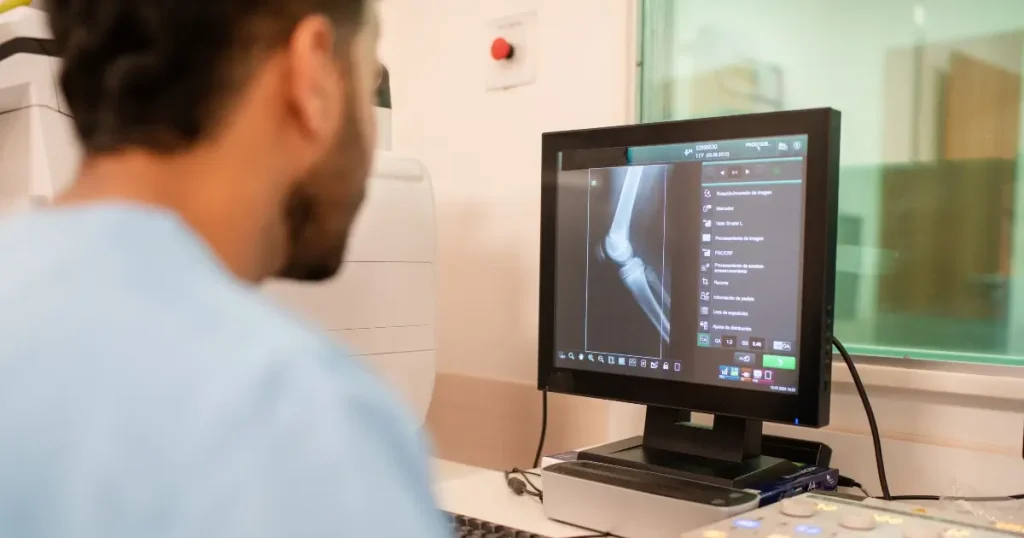
Current image: medical professional viewing an X-ray of a knee on a health information system laptop.|medical professional viewing an X-ray of a knee on a health information system laptop.

After suffering a knee injury in a Minneapolis car crash, the path to fair compensation is often complex and challenging. Insurance companies work hard to undervalue car crash injury claims, including cases involving knee injuries. Their focus is on protecting their bottom line, not considering the serious impact a knee injury has on your mobility, ability to work, and overall quality of life.

At TSR Injury Law, our experienced car crash lawyers in Minneapolis are prepared to help you maximize your knee injury claim. We have helped countless victims secure millions in settlements for injuries caused by negligence.

This legal guide provides critical information about how knee injury claims are viewed by insurance companies and what you need to do to maximize the full value of your claim. The good news is that you do not need to face a knee injury crash claim on your own. We are prepared to guide you throughout the legal process, making sure your rights and best interests are always the focus.

Call (612) TSR-TIME for a FREE case review today.

How Do Insurance Companies Assess the Value of Knee Injury Claims in Minneapolis?

Insurance companies consider multiple factors when determining the value of a lawsuit for a knee injury. However, without an attorney to advocate for you, insurance companies will likely undervalue the full impact these injuries have on the victims’ lives.

Do you have knee pain after a car crash? If you sustained a severe knee injury because of another driver’s negligence, these are some of the key factors insurance adjusters consider when assessing the value of your claim:

  • The type and severity of your knee injury (ligament tears, meniscus damage, fractures)
  • Whether surgery was required or is anticipated in the future
  • The length and intensity of your rehabilitation process
  • Documented physical limitations and how they affect your daily activities
  • Your age and pre-crash activity level
  • Your occupation and how the knee injury affects your ability to work

At TSR Injury Law, we understand that the cookie-cutter formulas insurance companies use typically fail to capture the full value of your knee injury. Our attorneys consider and document all aspects of your damages to ensure insurers recognize the true value of your claim.

What Documentation Will Strengthen My Knee Injury Settlement?

Strong documentation serves as the foundation for maximizing your knee injury settlement. Insurance companies require concrete evidence to justify higher compensation amounts.

The most powerful documentation includes:

  • Complete Medical Records: Ensure your records detail the diagnosis, treatment plan, and prognosis for your knee injury. Medical imaging (X-rays, MRIs, CT scans) provides objective evidence of the damage.
  • Documented Proof of Consistent Treatment: Records showing you followed your physician’s medical advice and attended all appointments, including physical therapy. These records demonstrate you took reasonable steps to recover.
  • Expert Medical Opinions: Written statements from orthopedic and other specialists about future limitations, additional surgeries, or potential complications strengthen your claim significantly.
  • Evidence of Impact to Employment: Documentation from your employer regarding missed work, reduced hours, or accommodations needed due to your knee injury quantifies your economic losses.
  • Personal Injury Journal: Maintaining a record of how your knee injury affects your life creates compelling evidence of non-economic damages like pain and suffering.
  • Before and After Evidence: Photos, videos, or testimonials demonstrating your active lifestyle before the crash compared to your limitations afterward illustrate the real-world impact of your injury.

These documents create a comprehensive picture of your losses, making it much more difficult for insurance companies to justify low settlement offers.

Should I Reject the First Settlement Offer for My Knee Injury?

You should almost always reject the first settlement offer for a knee injury claim. Insurance companies strategically make initial offers before you have completed treatment and before you understand the full extent of your damages. These initial offers are typically far lower than the full value of your claim. This is particularly true with knee injuries, which often develop secondary complications, like post-traumatic arthritis, and back injuries months or years after the crash.

Reject the first offer if the following applies to your situation:

  • You are still undergoing medical treatment or rehabilitation
  • You have not fully recovered from your injuries
  • The offer does not account for any future medical needs you may have
  • You have not returned to work or don’t know if you can resume your previous position
  • The offer was made immediately after opening your claim, indicating it’s a “quick settlement” tactic
  • The amount barely covers your current medical bills, let alone other damages

One of the best steps you can take to ensure you recover the full and fair compensation you need and deserve is to call our highly qualified legal team at TSR Injury Law. We can evaluate any settlement offer to determine if it fairly compensates you for both current and future damages related to your knee injury.

How Are Future Medical Costs Calculated in Knee Injury Claims?

Knee injuries frequently require ongoing or future medical care. These additional costs must be factored into your settlement; you do not want to end up paying for them out of your own pocket later on. Insurance companies often omit or minimize these costs in their initial offers.

Here are some common examples of the future medical costs often needed for knee injuries:

  • Additional Surgeries: Many knee injuries require multiple surgical interventions, especially if the initial repair does not fully restore function.
  • Joint Replacement: Post-traumatic arthritis from car crash injuries often leads to knee replacement surgery years after the initial trauma.
  • Ongoing Physical Therapy: Extended rehabilitation may be necessary to maintain function and manage pain.
  • Pain Management: Chronic knee pain often requires ongoing treatment, including medication, injections, or specialized procedures.
  • Assistive Devices: Braces, canes, or other mobility aids may be needed temporarily or permanently.
  • Home Modifications: Serious knee injuries might necessitate changes to your living environment to accommodate mobility limitations.

Accurately calculating these costs requires expert medical opinions and economic analysis. Our attorneys work with medical and economic experts to project the lifetime cost of your knee injury treatment, ensuring your settlement accounts for all future needs.

What Impact Does Minnesota’s Comparative Fault Law Have on My Settlement?

Minnesota follows a “modified comparative fault” system with a 51 percent bar rule. This means you can recover damages as long as you are not more than 50 percent responsible for the crash. However, your percentage of fault will be deducted from any awarded compensation.

For example, if you are deemed 20 percent at fault for the crash that injured you, any settlement you receive would be reduced by 20 percent. So, if your total damages are valued at $100,000, you will receive $80,000.

Insurance companies often try to shift blame to injured victims to reduce settlements. They may claim:

  • You were driving too fast for conditions
  • You failed to take evasive action
  • You were not wearing a seat belt (though this cannot be used to reduce compensation in Minnesota)
  • Your knee was already damaged before the crash

Our attorneys at TSR Injury Law aggressively counter these tactics with evidence that establishes the other driver’s liability and minimizes any comparative fault unfairly assigned to you.

How Long Do I Have to File a Knee Injury Claim in Minneapolis?

In Minnesota, you generally have six years from the date of the crash to file a personal injury lawsuit for your knee injury. However, waiting too long can seriously damage your claim’s value.

When you delay bringing your knee injury claim, you risk the following:

  • Crucial evidence may disappear, get lost or be destroyed
  • Witnesses may forget key details that could support your claim
  • Creating documentation gaps due to delaying medical treatment for your knee injury
  • Giving insurance companies reasons to question the severity of your injuries
  • Missed filing deadlines for certain types of claims

It is worth mentioning that some situations may have shorter deadlines.

To protect your rights to maximum compensation, we recommend contacting our trusted law as soon as possible after your knee injury.

What Role Do Expert Witnesses Play in Maximizing Knee Injury Settlements?

Expert witnesses provide specialized knowledge that can help to substantiate the value of your claim and counter insurance company tactics.

For knee injury cases, several types of experts are particularly valuable:

  • Orthopedic Surgeons: These specialists can testify about the nature and extent of your knee injury, necessary treatments, and long-term prognosis.
  • Rehabilitation Specialists: Physical therapists and rehabilitation doctors explain the recovery process and any permanent limitations you face.
  • Life Care Planners: These experts calculate the lifetime cost of medical care, assistive devices, and accommodations needed for your knee injury.
  • Economic Experts: Economists quantify your lost earnings, reduced earning capacity, and the present value of future financial losses.
  • Accident Reconstructionists: These specialists can establish how the crash occurred and generate evidence of the forces that caused your knee injury.

At TSR Injury Law, we have relationships with highly qualified experts across these fields who can strengthen your knee injury claim and help maximize your settlement.

How Can Lost Earning Capacity Increase My Knee Injury Compensation?

Lost earning capacity refers to your reduced ability to earn income in the future due to your knee injury. This often represents one of the largest components of serious knee injury settlements.

Knee injuries frequently impact earning capacity through:

  • Physical Limitations: Inability to stand for long periods, climb, kneel, or lift can eliminate many occupations from consideration.
  • Reduced Work Hours: Pain, fatigue, and medical appointments may prevent full-time work.
  • Career Path Disruption: You may be unable to continue in your chosen profession or advance as expected.
  • Early Retirement: Severe knee injuries might force you to leave the workforce years before planned.
  • Retraining Costs: The need to learn new skills for less physically demanding work can add significant expenses.

Our attorneys work with vocational experts and economists to calculate the lifetime financial impact of these limitations. For younger victims especially, lost earning capacity can significantly increase the value of a claim.

What Are the Most Valuable Non-Economic Damages in Knee Injury Cases?

Non-economic damages are intangible losses that are harder to quantify because there is no specific dollar amount attached. For knee injuries, these damages often exceed the value of medical expenses and lost wages.

The most significant non-economic damages in knee injury cases include:

  • Pain and Suffering: Physical pain from the injury, surgeries, and rehabilitation, including chronic pain that persists long-term.
  • Loss of Enjoyment: Inability to participate in hobbies, sports, family activities, and other pleasurable aspects of life due to knee limitations.
  • Emotional Distress: Anxiety, depression, and frustration related to physical limitations and chronic pain.
  • Loss of Independence: Reliance on others for basic activities like driving, shopping, or household chores.
  • Physical Disfigurement: Scarring from surgeries or changes in gait that affect appearance and self-image.

Insurance companies typically resist paying fair value for these damages. At TSR Injury Law, we know how to document and present non-economic damages persuasively to maximize your total compensation.

How Do Previous Knee Problems Affect My Car Crash Settlement?

Pre-existing knee conditions do not prevent you from receiving compensation, but they can complicate your claim. In Minnesota, the “eggshell plaintiff” rule holds that defendants must take victims as they find them. This means they are responsible for all harm resulting from their negligent actions, even if you were more vulnerable due to a pre-existing condition.

If you had previous knee issues, insurance companies will likely try to argue:

  • Your current symptoms existed before the crash
  • The crash merely “aggravated” a pre-existing condition temporarily
  • Your damages should be significantly reduced because of your prior knee problems

To counter these arguments, our attorneys:

  • Obtain pre-crash medical records to establish your baseline condition
  • Work with medical experts to clearly differentiate new injuries from pre-existing ones
  • Document how the crash worsened or accelerated your knee problems
  • Demonstrate the specific damages attributable to the crash-related aggravation

With proper documentation and expert testimony, previous knee problems can sometimes increase your settlement by showing you were more severely affected by the crash than someone with healthy knees would have been.

What Settlement Tactics Do Insurance Companies Use Against Knee Injury Victims?

Insurance companies use several tactics to try to minimize knee injury settlements. Some key tactics they may try include:

  • Disputing Medical Necessity: Insurers often claim certain treatments, particularly surgeries, were not medically necessary for your knee injury.
  • Putting You Under Surveillance: For knee injury claims, insurance companies may conduct surveillance to catch you performing activities inconsistent with the limitations you claim.
  • Social Media Monitoring: Adjusters search your online profiles for photos or posts that might contradict your injury claims.
  • Delayed Processing: Stretching out your claim in hopes you may give up and accept a lower amount out of financial necessity.
  • Quick Settlement Offers: Pressuring you to accept an offer before you understand the full extent of your injuries.

TSR Injury Law is extremely familiar with the tactics insurance companies use, and we also know how to implement strategies to protect your interests and maximize your settlement.

When Is It Better to Go to Court for a Knee Injury Case?

Many crash victims are concerned they may have to go to court to recover the compensation they need. However, most knee injury claims settle without a trial or the need to go to court.

Going to court may become necessary under the following circumstances:

  • The insurance company denies liability despite clear evidence
  • Settlement offers are significantly below your claim’s value after repeated negotiation attempts
  • Disputes about the cause or severity of your knee injury persist
  • The insurer acts in bad faith during the settlement process
  • Your damages exceed the at-fault driver’s policy limits, requiring claims against multiple insurance companies
  • Complex legal issues exist, such as product liability for vehicle defects that contributed to your knee injury

Filing a lawsuit does not mean your case will necessarily go to trial. Often, the litigation process motivates insurance companies to make reasonable settlement offers. We prepare every injury case as if it will go to trial. This approach strengthens our negotiating position and ensures we are ready if court becomes necessary.

Contact TSR Injury Law for Your FREE Case Evaluation

If you suffered a knee injury in a Minneapolis car crash, you do not have to navigate the complex legal process alone. Insurance companies have teams of adjusters and lawyers working to minimize your compensation.

At TSR Injury Law, our proven track record of securing favorable settlements for our clients comes from having decades of experience and our extensive knowledge of both the medical and legal aspects of these cases.

Worried about cost? We work on a contingency fee basis, which means you pay us nothing unless we win compensation for you.

Call for your free case review today: (612) TSR-TIME

Delaying Knee Injury Treatment After a Car Crash: 5 Devastating Consequences

Motor vehicle crashes often cause serious knee injuries that require immediate medical care. Sometimes victims may put off seeking treatment because of the inconvenience or concerns about the costs. However, that is a bad idea, because delayed medical treatment can have significant consequences, including putting your health and legal rights at risk.

At TSR Injury Law, our skilled Minneapolis car crash attorneys protect victims from insurance companies that attempt to devalue or deny claims due to delayed treatment. Our proven track record includes millions recovered for injured victims across Minnesota. Your initial consultation is free, and there are no upfront costs or fees to pay.

Request your free case review today. (612) TSR-TIME

Why Do Insurance Companies Care When I Get Treatment for My Knee After a Car Crash?

Insurance companies use every opportunity to try to devalue or deny your claim. Once an injury claim has been filed, they scrutinize the time between when your car crash occurred and your first medical visit. Any treatment delays give them room to cast doubt on whether your knee injury was caused by the crash or by something else.

Seeing a doctor within the first 24 hours shows you are serious about getting your injuries looked at and treated. Since your visit gets documented in your medical records, it also gives insurance companies less room to dispute your claim. Medical records create a direct link between your crash and your knee injury. Early treatment proves the crash caused your knee injury, strengthening your right to compensation.

What Evidence Can I Lose by Waiting to Get My Knee Injury Treated?

Critical evidence begins to disappear from the moment you leave the crash scene without seeking medical care. Your delayed treatment causes you to lose these essential pieces of evidence that help to prove the crash caused your knee injury:

  • Medical documentation showing the direct connection between the crash and your knee injury
  • Physical proof of bruising, swelling, and other visible trauma that fades over time
  • Emergency room records detailing your immediate pain levels and symptoms
  • Medical imaging that captures fresh tissue damage before healing begins
  • Witness statements from first responders about your condition at the scene
  • Documentation of your inability to walk or bear weight immediately after the crash

How Does Delaying Medical Care Damage Your Insurance Claim?

Insurance companies follow strict rules about medical treatment after a car crash. Every day you wait to see a doctor weakens your claim. Insurance adjusters look for gaps in medical care to reduce your compensation or deny your claim completely. Medical delays give insurance companies powerful tools to fight your claim:

  • Time Gap to Get Treatment: Each day without medical care lets insurers argue your knee injury came from another source
  • Documentation Issues: Missing early medical records prevents you from proving the true severity of your initial injury
  • Reducing the Value of Your Claim: Insurance companies slash settlement offers when they spot delays between the crash and your first doctor’s visit
  • Denying Your Claim: Waiting too long can trigger automatic claim denials under insurance policy deadlines
  • Dispute About Causation: Medical delays create doubt about whether the crash actually caused your knee injury or if you may have sustained the injuries somewhere else.

Failing to seek prompt medical care signals to insurance companies that you did not take your injuries seriously. This damage to your credibility often leads to significantly reduced settlement offers – sometimes tens of thousands of dollars less than victims who seek immediate treatment.

Can Untreated Knee Injuries Lead to Permanent Health Problems?

If you have knee pain after a car crash, the first few days represent a critical window for seeking knee injury treatment. Medical research shows that delayed treatment can allow initial injuries to develop into more complex conditions that are harder to treat. Without proper medical intervention, your knee injury may lead to cascading health issues.

Inflammation and Scar Tissue Formation

Without proper medical management, excessive inflammation can lead to irregular scar tissue formation, potentially limiting joint mobility.

Joint Surface Damage

Untreated injuries to cartilage or joint surfaces may worsen with continued use, leading to accelerated wear and increasing the risk of osteoarthritis.

Altered Movement Patterns

Protecting an injured knee often leads to compensatory movement patterns that can stress other joints and muscles.

Muscle Weakness

Pain and limited movement can result in muscle atrophy around the knee, which may complicate recovery and rehabilitation.

Treatment Complications

Delayed medical care may lead to more complex treatments than if you had addressed the injury right away. That could mean needing more surgery or extensive rehabilitation.

Need Help With Your Legal Claim? Contact Our Trusted Law Firm Today

If you sustained knee injuries because of another driver’s negligence, we encourage you to contact our law firm today. We can help you understand your rights and legal options for recovering compensation for your damages.

At TSR Injury Law, we understand the complex nature of knee injuries and how they can occur in a car crash. It is important to recognize that time matters in knee injury cases. Medical bills pile up quickly, and it can be difficult to effectively manage your claim while trying to focus on your recovery.

Let our experienced car crash attorneys help you navigate the legal process. We are here to level the legal playing field and help you get the compensation you need and deserve. There are no upfront costs or fees when we represent you.

TSR Injury Law – We get you results. Call: (612) TSR-TIME

Knee Pain After a Car Crash: What Injured Victims Need to Know

The knee is one of the most complex and vulnerable joints in the human body, making it far more susceptible to acute injuries during motor vehicle crashes. Victims with knee injuries often need extensive medical treatment and rehabilitation.

At TSR Injury Law, we have a proven history of success recovering the compensation crash victims need to move forward with their lives. Our experienced Minneapolis car crash attorneys understand how knee injuries can affect your ability to be mobile, to work, enjoy daily activities, and to maintain independence. We work diligently to hold at-fault parties accountable and to build the strongest possible case for maximum compensation.

Call to request your FREE, no-risk case review today. (612) TSR-TIME

Do I Need to See a Doctor if I Have Knee Pain After My Minneapolis Car Crash?

Yes – you should seek immediate medical attention after any motor vehicle crash that causes knee pain, even if symptoms seem minor at first. Your knee pain could be the result of severe trauma, such as a fractured kneecap. Delays in treatment not only allow injuries to worsen significantly without proper medical care but also give insurance companies a reason to question or deny your claim.

When you go to an emergency room immediately after a car crash, your visit is recorded in your medical records, along with the diagnosis and recommended treatment. This information creates vital evidence that links your knee injury directly to the crash. Insurance companies closely examine this documentation when determining compensation.

Waiting to seek medical help for your dashboard knee or other knee trauma, from the perspective of the liable insurance company, makes it seem like your injuries are not serious as you claim. This time gap gives insurers room to argue that your injuries could have been caused by something else.

What Is a Dashboard Knee Injury?

Dashboard knee injuries occur when the force of the crash drives a victim’s knee directly into the vehicle’s dashboard. This impact is what causes trauma to the patella (kneecap), ligament and other surrounding tissues.

The most common types of crashes that can cause dashboard knee injuries include front-end collisions, rear-end crashes and T-bone impacts.

Common dashboard knee injury symptoms include:

  • Sharp pain when bending or straightening the knee
  • Swelling and bruising around the kneecap
  • Difficulty walking or bearing weight
  • Grinding sensation during movement
  • Instability when standing or walking

What Other Knee Injuries Are Common After a Car Crash?

When your knee absorbs the impact of a crash, it can cause multiple injuries to the area all at once. The sudden force, whether from direct trauma or a twisting motion, is more than enough to damage the complex network of ligaments, cartilage and bone that make up your knee joint. Getting medical attention for these injuries early leads to better treatment outcomes.

Common knee injuries from crashes include:

  • Ligament Tears (ACL, MCL, PCL): Stabilizing ligaments tear when the knee twists or hyperextends during impact, often requiring surgical repair and extensive rehabilitation.
  • Meniscus Damage: The shock-absorbing cartilage tears from rotational forces, causing pain, swelling, and potential long-term joint instability.
  • Fractured Kneecap: Direct trauma from dashboard impact can crack or shatter the kneecap, requiring immediate medical intervention and possible surgical reconstruction.
  • Patellar Dislocation: Sudden impact forces the kneecap out of position, damaging surrounding tissues and often leading to chronic instability.
  • Posterior Corner Injuries: Complex injuries involving multiple knee structures, typically requiring specialized orthopedic treatment.
  • Post-Traumatic Arthritis: Early joint degeneration following crash trauma, potentially leading to chronic pain and reduced mobility.

Is It Worth Seeking Compensation for My Knee Pain in an Injury Claim?

Yes – knee injury claims are often worth pursuing because of the costs involved in the recovery. Knee injuries from motor vehicle crashes often require extensive medical treatment, including surgery, rehabilitation and long-term care. This is the kind of extensive recovery that can cost tens of thousands of dollars. Without having proper legal representation to protect your interests, the insurance companies are much more likely to do what they can to undervalue your claim.

When we represent you, our experienced Minneapolis injury lawyers can protect your legal rights and financial interests. Throughout the legal process, we guide you on how to document all current and future costs related to your knee injury. This documentation includes invoices for ongoing medical treatments, such as future surgeries or physical therapy you may need. We also consider the loss of income and potential for reduced future earnings.

What Long-Term or Secondary Complications Can Result From Car Crash Knee Injuries?

Knee trauma from motor vehicle crashes often leads to serious long-term complications even after the initial injury has healed. Medical research shows knee injuries frequently develop into chronic conditions requiring ongoing treatment.

Common long-term complications include:

  • Post-traumatic arthritis requiring joint replacement
  • Chronic pain affecting mobility and work capacity
  • Permanent weakness or instability in the knee
  • Secondary injuries from altered gait patterns
  • Depression from chronic pain and limited activity
  • Complex regional pain syndrome
  • Accelerated joint degeneration requiring additional surgeries

These complications factor significantly into injury claims, as they may not become apparent until months or years after the crash. Our attorneys work with medical experts to document potential future complications when calculating compensation.

How Are Knee Injuries Diagnosed After a Minneapolis Car Crash?

A proper diagnosis requires a comprehensive medical evaluation using multiple diagnostic tools and tests. Your healthcare provider will conduct a physical examination, assess mobility and order specific imaging studies to determine the extent of your injuries.

Common diagnostic methods include:

  • Physical examination to evaluate pain, swelling, and stability
  • X-rays to identify fractures and bone damage
  • MRI scans to assess ligament and soft tissue injuries
  • CT scans for complex fracture patterns
  • Stress tests to check ligament integrity

What Advanced Treatments May Benefit Severe Car Crash Knee Injuries?

Severe knee injuries from motor vehicle crashes often require specialized medical interventions beyond standard treatments. Medical advancements provide new options for improved outcomes and faster recovery times.

Common Advanced Treatments

Advanced surgical treatments include arthroscopic repairs for minimal tissue damage, regenerative medicine using platelet-rich plasma therapy, custom 3D-printed knee replacements for severe joint damage, and computer-assisted surgical procedures for enhanced precision and outcomes.

Non-Surgical Advanced Options

Non-surgical advanced treatments focus on rehabilitation through targeted physical therapy with biofeedback technology, high-intensity laser therapy for deep tissue healing, ultrasound-guided injections for precise medication delivery, and advanced bracing systems for optimal joint support and stability.

Emerging Treatments

Emerging medical technologies show promise through stem cell therapy for cartilage regeneration, robotic-assisted surgical procedures, artificial cartilage implants and biological joint reconstruction techniques.

Knee specialists evaluate each case individually to determine the most effective treatment approach based on injury severity and other patient factors, like age or general health.

Suffer a Knee Injury in a Minneapolis Car Crash? Call TSR Injury Law Today

Contact TSR Injury Law today for a free case evaluation. Our highly qualified legal team has recovered millions in compensation for crash victims, including those with knee injuries. There are no upfront costs or fees to pay as we take injury cases on contingency. We only get paid our fees if we win your case.

Let us handle the insurance companies while you focus on your recovery.

TSR Injury Law. Millions Recovered (612) TSR-TIME

Black Ice Car Crashes in Minneapolis: Understanding Your Legal Rights

Current image: low ground-level image of black ice on local road at night|low ground-level image of black ice on local road at night

In Minneapolis, black ice transforms familiar roads into invisible driving hazards, creating the potential for devastating crashes, catastrophic injuries and mounting medical bills. After these crashes, victims often wonder if they have a claim or if the driver who hit them is “off the hook” due to unavoidable circumstances.

At TSR Injury Law, we want drivers to know that even in winter crashes, including those resulting from black ice, injured victims have legal rights. Our trusted law firm has a proven history of success managing car crash cases for people injured by negligent drivers, so we understand the unique challenges a crash on black ice may present.

If you want a Minnesota law firm that is as deeply committed to your case as you are, reach out to us today. Our experienced Minneapolis car crash attorneys are ready to fight for the full and fair compensation you deserve.

Request your FREE, no-risk case review today. (612) TSR-TIME

How Does Black Ice Form on Minneapolis Roads and Highways?

Unlike visible winter hazards, like whiteouts, black ice develops silently on Minneapolis roadways when melted snow or rain refreezes into a nearly invisible sheet of ice. The risk of this happening is highest during temperature fluctuations that occur between day and night.

Where Black Ice May Form in Minneapolis

Black ice can occur anywhere, given the right conditions. In Minneapolis, it frequently occurs on elevated surfaces like the I-35W bridge deck near downtown. You are also likely to encounter black ice along shadowy stretches of Highway 100, where pavement temperatures can drop below freezing even when air temperatures remain above 32 degrees.

Additional areas you are likely to encounter black ice are where passing vehicles’ tire spray or snowmelt runs across roadways and then refreezes. These conditions are particularly common during freeze-thaw cycles on heavily traveled routes like I-94 and I-35W, where snow packed between lanes can melt and refreeze throughout the day. Bridge decks, exit ramps and areas shaded by buildings or trees are especially susceptible to black ice formation due to their exposure to colder air temperatures from above and below.

What Are My Legal Rights After a Black Ice Car Crash in Minnesota?

Despite insurance companies attempts to claim black ice crashes are “unavoidable,” Minnesota law protects your right to seek compensation when another driver’s negligence causes a collision. The presence of black ice does not relieve drivers of their legal duty to take appropriate precautions for driving in harsh winter weather conditions. This duty includes slowing down, increasing your following distance and staying focused on the road.

Key rights you should know about after a black ice crash:

  • Right to Compensation: You have the right to pursue compensation for medical bills, lost wages, vehicle damage and other losses when another driver’s failure to adjust to road conditions causes your injuries.
  • No-Fault Benefits: Minnesota’s no-fault insurance provides immediate coverage for medical expenses and lost wages up to your policy limits, regardless of who caused the black ice crash.
  • Liability Claims: You have the right to pursue additional compensation from the at-fault driver’s insurance when your injuries exceed no-fault coverage limits or meet Minnesota’s serious injury threshold.
  • Evidence Preservation: You have the right to have an attorney help you preserve evidence from the crash scene. Photos, videos and witness statements from the incident are crucial given how quickly black ice conditions can change.

Minnesota’s statute of limitations gives you six years from the date of the crash to file a personal injury claim, but evidence collection and witness statements are most effective when gathered immediately. Having an experienced attorney protect these rights early in your case significantly increases your chances of receiving fair compensation for your injuries.

What Makes Black Ice Crash Claims Different from Other Winter Collisions?

Collisions caused by black ice pose unique legal challenges that distinguish them from proving liability for standard winter weather crashes. Because black ice is difficult to see and may disappear quickly, it can be difficult to prove and therefore more challenging to secure fair compensation from insurance companies.

Challenges may include:

  • Documenting the Evidence: Since black ice is transparent and nearly invisible, it can make it harder to establish road conditions at the time of the crash. Investigators or first responders would need to observe and gather this information right away. Investigators may use specialized methods, such as measuring road surface temperatures, before conditions change.
  • Insurance Companies: Insurance adjusters may often try to downplay or deny crashes caused by black ice. They may argue that drivers “should have known” about the possibility of ice forming, given the weather and the temperature. These arguments make it critical to have evidence proving there was black ice and a knowledgeable lawyer who knows how to dispute these arguments.
  • Police Reports: Law enforcement documentation may not always be able to confirm the presence of black ice on the police report. In some cases, road conditions can quickly change before officers arrive. They may, however, observe the road as snowy, icy or wet. Visible skid marks, if present, are often an indicator that a vehicle spun out of control, which could support your claim.
  • Video Footage: Traffic cameras or dashcam footage could provide strong evidence of a crash caused by black ice. In the moments after the crash, it may sometimes be possible to take photos or video of the road and crash scene from your vehicle to show visible proof.
  • Multi-Vehicle Liability: Black ice crashes on highways may often turn into multi-vehicle crashes. Claims for these incidents are especially complex, requiring detailed analysis to determine which vehicle was the initial sliding vehicle and which driver’s actions ultimately caused the crash and resulting injuries. Often, fault may be shared in a multi-vehicle crash on black ice.

Who Can Be Liable in a Minneapolis Black Ice Crash?

Many drivers mistakenly believe that black ice automatically absolves everyone of responsibility in a crash. However, this is simply not true. Minnesota law requires all drivers to adjust their driving behavior for winter weather conditions, including the possibility of black ice formation. When drivers fail to take appropriate precautions, they can be held liable for resulting crashes and injuries.

Common examples of driver negligence in black ice conditions include:

  • Following Too Closely: Drivers who fail to maintain extra space between vehicles on potentially icy roads can be liable when their inability to stop causes a rear-end collision.
  • Excessive Speed: Even if driving below the posted speed limit, drivers can be held responsible if they cause a crash due to traveling too fast for conditions where black ice might form, especially on bridges and overpasses.
  • Distracted Driving: Drivers who are texting, adjusting controls, or otherwise distracted may fail to notice warning signs of black ice, such as other vehicles sliding or brake lights ahead.

Improper Vehicle Maintenance: Drivers operating vehicles with worn tires, faulty brakes or other winter-weather maintenance issues that contribute to a black ice crash may bear liability.

Injured in a Black Ice Car Crash in Minneapolis? Call TSR Injury Law Today

The aftermath of a black ice crash can leave you facing serious injuries, mounting medical bills and complex insurance claims.

At TSR Injury Law, we take the guesswork out of the car crash claim process so you can focus on healing and getting back to your life. As Minnesotans, we understand the unique challenges stemming from winter weather car crashes. When we represent you, we thoroughly investigate your crash, gather critical evidence before it disappears, and build a strong case for maximum compensation. We know how to counter insurance company tactics that try to minimize black ice collision claims.

Have legal questions? We have answers. Contact our trusted law firm to discuss your situation today:  (612) TSR-TIME.

Five Essential Steps to Take After a Winter Car Crash in Minneapolis

Current image: two police officers approaching a vehicle that has had a winter side impact collision

Winter car crashes are different from collisions that happen during summer or even autumn months. There are a lot more dangers to be mindful of in the seconds and minutes after a crash on a snowy or ice-covered road. Even if the roads have been cleared, falling snow or frigid weather creates additional risks for victims.

As a driver, you can only be responsible for your own actions. Unfortunately, despite your best efforts, another driver’s negligence may cause you to be involved in a crash. During Minnesota’s harsh winter weather especially, the first steps you take are important and could help you avoid further injury until first responders arrive.

At TSR Injury Law, we are deeply committed to helping victims injured by the negligence of other drivers. If you need legal help after a winter traffic incident, contact our law offices today. Our highly qualified Minneapolis car crash lawyers want to help. When we take your case, there are no upfront costs or fees to pay.

Call for a FREE case review today. (612) TSR-TIME

1.     Stay in Your Vehicle After a Winter Car Crash in Minneapolis

After a winter crash, you should avoid getting out of your vehicle for several reasons. First, your car provides vital protection from other vehicles that may lose control in the same dangerous conditions that caused your crash. The visibility, weather and road conditions that led to your crash could affect other drivers too. Your car’s steel frame and safety systems provide protection if another vehicle slides into the crash scene.

Second, your vehicle shields you from frigid winter weather elements. Exposure to cold temperatures, wind, snow and ice can quickly lead to hypothermia, especially if you are injured, your clothes are damp, or you are underdressed for the weather. Your car provides shelter and some insulation, and you can run the engine periodically for heat if the exhaust system is unobstructed and away from snow.

Third, staying in your vehicle makes it easier for first responders to find you. A car, SUV or other vehicle is much more visible than a person on foot, especially during heavy snow or in low light situations.

Emergency vehicles are equipped and trained to safely stop and protect crash scenes by strategically positioning their vehicles and using their emergency lights. You can help to protect yourself from further harm after a winter crash by:

  • Keeping your seat belt on and properly fastened in case of a secondary collision
  • Turning on your hazard lights to help increase visibility
  • Only running your engine if you are absolutely certain the exhaust pipe is clear of snow and other debris (to avoid carbon monoxide poisoning)

What If It Is Dangerous to Remain in My Vehicle After the Crash?

The exception to this safety recommendation is if the crash has made it unsafe to remain in your vehicle. In that situation, it is important to remain calm and double-check for oncoming traffic before cautiously exiting your vehicle. Be sure to grab your coat and cellphone before moving a safe distance away from your vehicle and traffic.

2.     Move Your Vehicle Away From Traffic If Possible

Another unique risk of winter car crashes is the increased likelihood of them resulting in a multi-vehicle pileup. This is especially likely on roads that have not yet been cleared, in areas where black ice has formed or when visibility is low. Therefore, if your vehicle is still drivable, you should attempt to carefully steer it as far off the road as possible.

Once you are in a safer location, you should remain in your vehicle with your seatbelt fastened. Exiting on icy roads puts you at serious risk as other drivers may be unable to see you due to low visibility conditions. It is also critical to be aware of your surroundings. For example, if you are in a remote area and it is snowing heavily, you should still get off the main road but stay where you can be visible.

3.     Check for Injuries and Call for Help

Minimize moving around too much until you check yourself for injuries. If there are others in your vehicle, be sure to check on them as well. Keep in mind that the adrenaline and shock from the crash can initially mask pain and injury symptoms. Try to focus and determine if you feel dizzy, see any obvious wounds or have difficulty moving.

When you call 9-1-1, it is helpful to remain focused and calm so you can provide clear and specific information, which should include:

  • The exact location, or as close as you can pinpoint it (the intersection, mile marker and landmarks can all help). You can also use your phone’s Emergency SOS to share your precise location with emergency dispatchers.
  • The number of vehicles involved in the collision
  • Any visible injuries you can see from within your car, including people who may be trapped
  • Hazardous conditions, such as ice on the road or smoke from any of the vehicles involved
  • Vehicle descriptions and where they are positioned on the road

The dispatcher will likely question you to help you provide the necessary information but being aware of what you may need to provide ahead of time can help you to focus.

4.     Remain Calm and Wait for Help to Arrive

It is natural to feel emotional after being involved in a collision. However, you can help yourself to remain calm by taking slow, deep breaths. Remind yourself that help is on the way. If you have passengers, especially children, maintaining composure can help to calm their fears as well.

Try to focus on practical tasks, which may include:

  • Keeping Warm: Run your engine to provide heat, but only intermittently. If you have an emergency kit with blankets, those can help you avoid turning on the engine as frequently.
  • Increase Your Visibility: If you have a bright or reflective cloth to hang from the window, put this out as it can help to make your vehicle more visible. Reflective triangles, if you have them, can also make you more visible to approaching vehicles. Since you have to exit your vehicle to put these out, do so cautiously, then return to the protection of your car immediately. If the situation makes exiting your vehicle too dangerous, you should remain in your car.
  • Gather Documents: You can also use this time to gather documents police will want to see when they arrive, such as your insurance information, license and other details.

5.     Document the Scene of the Crash

It is challenging to gather evidence from within your vehicle but remember the police will be investigating the scene as well. In this situation, being mindful of safety is far more important than gathering evidence. That said, you can gather some evidence from your car, including:

Take Photos of the Following Through Your Windows:

  • Position of Vehicles: Try to capture this image before vehicles get moved.
  • Road Conditions: Open your window to capture the road, patches of ice, mounds of snow, etc.
  • General Details: Capture traffic signals, signs or landmarks that can help to identify the location.
  • Vehicle Damage: Capture what you can of the interior/exterior of your vehicle without exiting.

Document the Following:

  • Crash Details: Use your phone to do a voice recording of moments leading up to the crash and other key details while you remember them. Be sure to include the other drivers actions you may have noticed as well, such as driving too fast for the weather.
  • Date, Time, Road and Weather: Write this information down or record it, you can also take video to support your notes.
  • Contact Details: Get the contact details of anyone who approaches your vehicle.
  • Position of Vehicles: Draw a quick diagram of all vehicles before they are moved, either manually or using the notes app in your phone.
  • Dashcam Footage: If you have dashcam footage, be sure to save it.
  • Screenshot Your Location: Use your phone to do this and save it to your photos or file folder.

Avoid These Common Mistakes People Make After a Car Crash

Insurance companies often use drivers’ immediate post-crash actions or reactions to attempt to minimize or deny claims. While it is natural to want to be polite or downplay the situation at the crash scene, certain behaviors can seriously undermine your ability to receive fair compensation your damages, even if you were not at fault.

Common mistakes include the following:

  • Saying you have no injuries at the scene (you cannot know this yet) – adrenaline can mask symptoms, and injuries may not be apparent for hours or days
  • Leaving the scene of the crash: Not only is this illegal in Minnesota, but it also removes your opportunity to provide your account to police and have an official record of the crash.
  • Failing to seek immediate medical attention: This decision leaves room for insurers to say you were hurt elsewhere and claim your injuries are not related to the crash
  • Not getting legal help right away: Insurance companies start building their case immediately, and early legal guidance can help protect your rights and ensure you do not inadvertently damage your claim.

Why Seek Legal Help With TSR Injury Law After a Minneapolis Car Crash

Were you injured in a winter car crash in Minneapolis? If so, there is no need to face the insurance company alone. Our knowledgeable legal team knows how to protect your rights and fight for the compensation you deserve, and we understand the unique challenges of winter car crashes. We are also well-versed in the tactics insurance companies use to try to minimize claims.

At TSR Injury Law, we are here to help you. Call our law office to request a free, no-risk consultation where we can discuss your situation and potential legal options. We have helped thousands of Minnesotans get back on their feet after being injured by the negligence of others. Why let insurance companies take advantage of you – we can provide the experienced legal help you need.

The sooner you call, the stronger your case can be. Your initial consultation is always free and you pay no costs or fees up front. We only get paid our fees if we win your case.

Call TSR Injury Law today: (612) TSR-TIME

Who Can Be Liable for Damages Caused by Minneapolis Winter Crashes?

Nothing transforms Minneapolis roads quite like winter. While locals pride themselves on their cold-weather driving skills, even the most experienced drivers can find themselves sliding into trouble when snow and ice coat familiar streets. From unexpected black ice on Highway 100 (Lilac Way/Bottineau Boulevard) to whiteout conditions on I-94, winter weather creates dangerous hazards that can transform a routine commute into a life-changing car crash in seconds.

At TSR Injury Law, our experienced Minneapolis car crash attorneys have spent decades helping injured victims navigate the complex aftermath of winter weather crashes. We have a proven history of success and are dedicated to building a compelling case on your behalf. When a winter collision leaves you injured, you need an attorney who knows both Minneapolis winters and Minnesota law inside and out.

Request a FREE, no-risk case review today. Call: (612) TSR-TIME

How Do Winter Car Crashes Happen in Minneapolis?

Despite the aforementioned winter driving skills of long-time residents, Minneapolis, which averages 54 inches of snow each winter, creates significant challenges for even the most seasoned drivers. Winter car crashes often result from a combination of severe weather conditions and driver responses. Reduced visibility during snowfall limits reaction time and creates dangerous driving conditions. When temperatures fluctuate, roadways can quickly transform from wet to icy, catching drivers off guard.

Snow compaction from heavy traffic creates additional treacherous driving surfaces. Sudden whiteouts force drivers to brake unexpectedly, often leading to rear-end crashes. Bridge surfaces freeze before regular roadways, surprising many drivers, especially newer drivers or those who have not driven much in winter.

What Makes Winter Driving So Dangerous in Minnesota?

Minnesota’s unique winter weather patterns create distinct driving hazards that can test the nerves and driving skills of our most seasoned locals.

The unique dangers of driving in a Minnesota winter include:

  • Temperatures that swing dramatically within hours, turning wet roads into sheets of ice.
  • The Minneapolis area lake-effect, which can dump several inches of snow within minutes.
  • Minneapolis’s grid system, with its frequent intersections and one-way streets, compounds winter driving challenges.
  • Narrow side streets with packed snowbanks limit visibility at intersections.
  • Multi-lane roads become particularly dangerous when snow covers lane markers.
  • Deep freeze-thaw cycles create unexpected road damage, forcing drivers to swerve or brake suddenly.

As you can see, venturing out onto the snow-covered roads of Minneapolis requires drivers to stay alert at all times and to take certain precautions.

What Roads Are More Prone to Winter Crashes in Minneapolis?

Several Minneapolis roadways pose increased risks during winter conditions. Each area presents distinct challenges during snow and ice conditions.

35W/I-94 Commons (Downtown East)

This major interchange near U.S. Bank Stadium (exits 16A-17C) sees frequent winter crashes due to multiple merging lanes and reduced visibility. The elevated roadway freezes quickly, catching drivers off guard during temperature drops.

I-35W S-Curve (Downtown)

The sharp curve near the Minneapolis Convention Center (exits 16A-17A) challenges drivers year-round, but winter conditions make it particularly treacherous. Snow buildup along barriers reduces lane width, while ice formation on this banked curve increases spin-out risks.

Hennepin Avenue Downtown

The stretch between the Walker Art Center and the Mississippi River creates additional winter driving hazards due to the combination of pedestrian traffic and frequent stops. Hennepin’s winding path through downtown creates some additional driving challenges in winter. Snowbanks narrow the already-tight lanes, while ice forms quickly on shaded sections near tall buildings.

Cedar-Riverside Area

This complex network near the University of Minnesota becomes a navigation challenge in winter. Multiple levels of roadway near the Cedar Cultural Center create varying freeze patterns, while tight turns demand extra caution.

Highway 62 (Crosstown)

Open areas along the Crosstown, particularly near Lake Nokomis (exits 6-7), create sudden white-out conditions during storms. Wind-swept snow reduces visibility with little warning, especially near the Portland Avenue bridge.

Highway 100

The stretch between Minnetonka Boulevard and Golden Valley Road experiences dangerous white-out conditions. The long curves near Theodore Wirth Regional Park become especially slick during freeze-thaw cycles.

Broadway Avenue Corridor

This major east-west route near the North Minneapolis riverfront faces intense winter winds. The exposed roadway between Industrial Boulevard and the Mississippi River develops ice patches quickly, particularly on bridges and elevated sections.

University Avenue Hill

The steep grade between Prospect Park and the State Capitol becomes a major hazard zone during winter storms. Drivers struggle with traction heading both uphill and downhill near the KSTP tower, especially during rush hour traffic.

Who Can Be Liable for Damages Caused by Minneapolis Winter Crashes?

Many drivers may be surprised to find out that winter weather in Minneapolis does not qualify as an ‘act of God’ in legal terms. Courts consistently hold that drivers remain liable for crashes even in severe winter conditions. Why? Because winter weather is both predictable and manageable in Minnesota.

Drivers

Regardless of the weather, drivers have a legal duty to adjust their behavior to match road conditions, weather and the traffic, regardless of how challenging any of those conditions become.

Commercial Vehicles and Trucking Companies

Commercial trucks face stricter liability standards during winter conditions. Trucking companies must ensure their drivers receive winter safety training and their vehicles have proper snow-rated equipment. Delivery drivers working under tight deadlines still bear responsibility for safe winter driving practices.

What Do Minnesota Laws Say About Winter Driving Requirements?

Minnesota enforces specific winter driving laws to protect public safety, which includes the following:

Driver Must Clear Vehicle of Snow and Ice

Minnesota Statute 169.71 requires drivers to maintain clear windshields and windows. Legal requirements under this law include clearing snow from the hood, roof, and trunk to prevent flying ice, snow or other debris that endangers other drivers. Drivers who fail to clear away snow, ice or frost accumulation from their vehicle, windshield and windows is in violation of this law as it creates flying hazards for other drivers and can lead to a crash.

Vehicle Maintenance Standards

Drivers have a legal duty to keep their vehicles properly maintained and safe to operate year-round. However, Minnesota state law also requires specific winter maintenance standards. Drivers must maintain:

  • Working windshield wipers and washer fluid
  • Winter tires with proper tire tread depth for snow, ice and other winter weather conditions
  • Functioning headlights, taillights, and brake lights
  • Checking antifreeze levels and topping up with the correct mixture as needed
  • Making sure vehicle heading and defrosting systems are in good working order
  • Having all vehicle fluids checked: Brake fluid, engine oil, transmission fluid, and windshield washer
  • Service braking system to ensure it is working
  • Checking vehicle suspension to ensure shocks and struts do not need to be replaced

Speed and Control Laws

Minnesota’s “Basic Speed Law” requires drivers to decrease speed during adverse weather conditions, even when a safe speed is significantly below the posted limits. Law enforcement can issue citations for driving too fast for conditions, even when operating below the posted speed limit. Minnesota courts consistently uphold that posted speed limits apply only to ideal conditions.

Following Distance Requirements

State law requires drivers to maintain a safe following distance that allows for sudden stops. Winter conditions demand greater distances between vehicles. Vehicles take time to slow down, especially on less than perfect road conditions. Slamming on the brake on an icy or snowy road is a sure way to risk losing control of your vehicle. What qualifies as “safe” changes based on current road and weather conditions. Drivers are expected to pay attention to these changes and adjust their driving accordingly.

Use Headlights During Any Type of Precipitation

State law requires drivers to turn on their headlights during any precipitation, including snow, regardless of time of day.

How Is Fault Determined for Winter Crashes in Minneapolis?

Insurance companies, law enforcement, and courts examine multiple factors when determining fault in Minneapolis winter crashes. The investigation goes beyond standard crash assessments to include detailed analysis of weather conditions, road maintenance records, and driver preparedness. Even in challenging winter conditions, drivers must prove they took reasonable precautions and followed Minnesota winter driving laws.

Key factors in determining fault include:

  • Driver’s speed relative to current road and weather conditions
  • Vehicle maintenance records, including tire condition and winter equipment
  • Following distance maintained before the crash
  • Weather and road condition data at the time of the crash from official sources
  • Traffic camera footage showing driver behavior
  • Witness statements about road conditions and driver actions
  • Evidence of proper vehicle preparation (snow removal, defrosting)
  • Driver’s response to existing weather advisories
  • Documentation of any emergency avoidance actions taken
  • Vehicle positioning and lane maintenance during winter conditions

Important Evidence in Winter Weather Crash Claims

After considering the above factors, investigators will look at other key evidence from the crash scene. Photos taken immediately after the crash hold significant value. They capture real-time visual proof of weather conditions, road surface conditions, vehicle damage and vehicle positions before the plows or salt trucks arrive

If there are no traffic cameras where the crash occurred, there may be dashcam or smartphone footage from a passing driver. Witness statements from credible individuals, such as other drivers or workers in nearby businesses add important context.

Injured in a Minneapolis Winter Crash? Call TSR Injury Law for Legal Help

Sometimes, despite your best efforts, another driver’s negligence may lead to a crash that causes you harm. If this happens, it is important to understand your legal rights and how to protect them. Winter weather conditions add layers of complexity to car crash cases, but whatever the other driver may try to tell you, they do not diminish your right to seek compensation for injuries and other losses.

At TSR Injury Law, we understand how local weather patterns and Minnesota liability laws impact Minneapolis winter crashes. If you were injured in a Minneapolis car crash, our trusted law firm wants to help you.

Contact our law offices to discuss your situation and learn if you may have legal options. When we represent you, we leave nothing to chance. We fight for the compensation you deserve. There are no upfront costs or fees to pay, so there is no risk to you.

TSR Injury Law. We get you the results you need. Call: (612) TSR-TIME

Eight Common Causes of Head-On Collisions and How to Avoid Them

Head-on collisions rank among the most devastating traffic incidents on Minnesota roads, often resulting in life-altering injuries or fatalities. These crashes, while less common than other types of car crashes, have a significantly higher fatality rate when they occur.

This guide explores the eight most common causes of head-on collisions in Minneapolis and surrounding areas, from distracted driving to adverse weather conditions. We will also provide proven prevention strategies that could help keep you and your loved ones safe on Twin Cities highways and local roads.

At TSR Injury Law, our experienced Minneapolis car crash attorneys have helped countless Minnesota families recover compensation after devastating head-on collisions. If you or a family member has been injured in a head-on crash, our Minneapolis legal team can help you understand your rights and fight for the compensation you deserve.

Request a FREE, no-risk case review today. Call: (612) TSR-TIME

What Makes Head-On Collisions So Dangerous?

Head-on collisions unleash devastating force when two vehicles crash directly into each other at combined speeds. The impact doubles when a car traveling 45 mph collides with another vehicle moving at the same speed, creating a 90-mph collision that crushes the front ends of both vehicles and endangers everyone inside.

These violent crashes leave drivers and passengers vulnerable to life-altering injuries, including traumatic brain injuries (TBIs), spinal cord trauma, and internal organ damage. The forward momentum often traps victims inside mangled vehicles, making it harder for emergency responders to provide life-saving care in those critical first minutes after impact.

Eight Common Causes of Head-on Collisions

Smart drivers already know their safety depends on the choices they make behind the wheel. By recognizing these eight high-risk behaviors, you can take more control of your safety and help prevent one of the deadliest types of crashes on our roads:

Distracted Driving: The Modern Epidemic

A moment’s distraction to check a message or adjust your GPS can send your vehicle drifting across the centerline at highway speeds. These seemingly minor distractions account for a shocking number of head-on crashes, leaving victims with catastrophic and fatal injuries.

Drivers Impaired by Alcohol and Other Substances

Alcohol and drugs severely impair depth perception and reaction time, causing drivers to weave between lanes or drift into oncoming traffic. These preventable crashes often result in fatal injuries to innocent motorists.

Driver Fatigue and Drowsiness

Exhausted drivers experience dangerous “microsleep” episodes that can send vehicles across centerlines without warning. These crashes often occur at highway speeds, leaving families devastated and survivors facing lengthy recoveries.

Unsafe Passing Maneuvers Can Cause Drivers to Lose Control

Poor judgment when passing other vehicles on two-lane roads forces oncoming drivers into impossible situations. These high-speed crashes usually result in multiple victims with life-threatening or fatal injuries.

Poor Weather Conditions: When Drivers Fail to Adjust

Driving too fast on wet or icy roads can send vehicles sliding into oncoming lanes without warning. These crashes are especially dangerous because multiple vehicles often become involved, causing a chain reaction collision.

Confused Drivers and How It Can Lead to Wrong-Way Driving

Disoriented drivers who enter highways in the wrong direction create terrifying situations for other motorists. These crashes typically occur at full highway speeds, leading to catastrophic outcomes.

Speeding and How It Increases a Driver’s Inability to Maintain Control

Excessive speed reduces crucial reaction time and makes vehicles harder to control on curves or during emergency maneuvers. When crashes occur at high speeds, the force of impact often proves deadly.

Unexpected Vehicle Malfunctions

Sudden tire blowouts or brake failures can send vehicles careening into oncoming traffic without warning. While some mechanical failures are truly unexpected, many result from neglected maintenance that vehicle owners could have prevented.

Key Defensive Maneuvers to Avoid Head-On Collisions

While you cannot control other drivers’ actions, you can significantly improve your chances of avoiding a head-on collision by practicing these proven defensive driving techniques:

  • Scan the Road: Stay alert and looking far ahead. Watch for erratic driving patterns in oncoming traffic, like veering, inconsistent speeds or swerving. This gives you vital extra seconds to plan your escape route.
  • Position Your Vehicle: Keep your vehicle slightly right in your lane whenever possible, especially on rural roads at night. This simple adjustment creates extra space and time to react if an oncoming driver crosses the centerline.
  • Identify Your Escape Path: Mentally go through this process before you need it. Continuously be mindful of road shoulders you may be able to use. Similarly, watch out for side ditches and adjacent lanes. Know your options in advance as this can help you react quickly in an emergency.
  • Reduce Your Speed: Slow down immediately when you spot potential hazards like an oncoming car drifting in its lane or erratic driving behavior. Lower speeds help you maintain control of your vehicle while giving you more time and space to take evasive action.
  • Stay Focused During Low Visibility: When you face reduced visibility situations, like fog or other inclement weather, adjust your speed and focus on the white line on the right side of your lane. Be careful not to get distracted by oncoming headlights.

Your Legal Options After a Head-On Crash You Did Not Cause

A head-on collision shatters lives in seconds, leaving victims facing mounting medical bills, lost wages and an uncertain future.

At TSR Injury Law, we have helped hundreds of Minneapolis crash victims rebuild their lives by holding negligent drivers accountable and fighting back against insurance companies that try to minimize legitimate claims.

Never let the insurance company pressure you into accepting a quick settlement that fails to cover your long-term needs. Our team of highly qualified attorneys are skilled negotiators. We know how to prove liability in complex head-on collisions, and we will fight aggressively for every dollar you deserve.

Call our law offices to get started. We can discuss your situation and potential legal options in a completely free consultation. When we represent you, there are no upfront costs or fees to pay. We only get paid for our services if we win your case.

Experienced Minneapolis Lawyers. Proven Results. (612) TSR-TIME

How Medical Experts Help Link Injuries to a Minneapolis Car Crash

Car crashes in Minneapolis can result in serious physical and emotional injuries. Victims from these incidents who intend to seek compensation for their damages will need to prove negligence led to the crash that caused their injuries. They must also be able to link the injuries and resulting damages to the crash that caused them.

In this blog, we will explain how medical experts play a significant role in linking injuries to a motor vehicle crash. We will cover how their evaluations and expert testimony help clarify the extent of your injuries and strengthen your case.

At TSR Injury Law, we collaborate closely with trusted medical professionals to build strong cases for our clients. Our experienced car crash lawyers in Minneapolis are committed to ensuring that the link between your injuries and the car crash that caused them is clear.

Call TSR Injury Law to request a FREE, no-risk case review today. (612) TSR-TIME

What Is a Medical Expert and When Would They Be Used in an Injury Case?

A medical expert is a healthcare professional with specialized knowledge in diagnosing and treating injuries. These individuals may be doctors, surgeons and other medical professionals with specialized knowledge who can provide professional assessments and judgements based on their experience and training.

Every collision resulting in an injury case is unique, and the testimony of a medical expert is not always needed. Their role is to provide clarity in situations, such as when the cause, extent or severity of your injuries is being challenged. Their testimony helps to prove and answer questions about your injuries, including how they are linked to the crash that caused them.

How Do Medical Experts Help to Prove Crash-Related Injuries?

The professional opinions and detailed evaluations medical experts provide help connect the dots between the motor vehicle collision and the harm you have suffered. They help prove crash-related injuries by:

  • Providing detailed medical assessments of the injuries sustained in the crash
  • Offering expert testimony on how the crash directly caused the injuries
  • Explaining the necessary treatment and potential long-term effects of the injuries
  • Clarifying the difference between crash-related injuries and pre-existing conditions

Evidence Medical Experts May Use to Link Your Injuries to a Crash

Medical experts may use a combination of the following types of medical evidence to help link the crash to your injuries. Solid evidence may include:

Medical Records and Reports

Records from doctors, emergency rooms and specialists provide detailed accounts of when and how your injuries were diagnosed after the collision and may include:

  • Emergency room records showing initial injury presentation
  • Ambulance/first responder reports describing immediate symptoms
  • MRI, X-ray, and other diagnostic imaging taken after the crash offer objective, concrete proof
  • Medical notes documenting the progression of symptoms
  • Treatment records showing consistent care for specific injuries
  • Lab results and blood work that indicate trauma

It is worth mentioning, that your entire medical history should not be open to the insurance company or the at-fault party’s legal team. At TSR Injury Law, we know to make sure only the relevant records are released for review.

Physical Evidence

Medical experts carefully examine the physical markers and trauma patterns from the crash scene and the victim’s body to establish a clear link between the collision and resulting injuries. Physical evidence may include:

  • Photographs of visible injuries taken after the crash
  • Documentation of bruising patterns that match the impact
  • Airbag deployment injuries consistent with crash dynamics
  • Seatbelt marks on the victim’s body indicating the force of impact
  • Other vehicle damage that corresponds to reported injuries

Timeline Analysis

To establish a strong causal connection between the crash and the victim’s injuries, medical experts conduct a thorough chronological review of the patient’s health records and symptoms. Analyzing the sequence of medical events from before and after the incident helps medical experts demonstrate how the crash directly impacted the victim’s physical well-being.

What Is the Benefit of Consulting With a Medical Expert in an Injury Claim?

Medical experts provide invaluable credibility and scientific support to injury claims by providing a professional analysis of medical records, diagnostic tests, and treatment plans. This assessment is essential for establishing that your injuries were not preexisting or caused by something else, but a direct result of the car crash.

During a personal injury lawsuit, medical experts also help simplify complex medical issues for the court. They can break down medical terms and treatments into clear, understandable language, making it easier for a jury or judge to grasp the seriousness of your injuries. Their testimony can strengthen your case, validate your medical records and significantly increase your chances of receiving full compensation for your medical bills, lost wages, pain and suffering, and other damages.

Need Legal Help After a Car Crash? TSR Injury Law Can Help!

If you were injured in a Minneapolis car crash due to another’s negligence, it is important to seek legal help as soon after the crash as possible.

At TSR Injury Law, we begin protecting your rights and legal interests from day one. Our law firm has the experience and resources to work with highly qualified medical professionals who can provide the expert testimony needed to link your injuries to the car crash that caused them.

Our team will guide you through every step of the process, ensuring your rights are protected and helping you secure the compensation you deserve. When our trusted law firm represents you, there are no upfront costs or fees to pay.

TSR Injury Law. We get results for you! Call: (612) TSR-TIME.