Steven Terry is the co-founder and current managing partner of TSR Injury Law. His practice consists solely of representing injured people and pursuing justice against wrongdoers. He has handled thousands of injury claims over a 20-plus-year career. Steve continues to exceed his clients' expectations and hold insurance companies responsible for the damage their insured's cause.
TSR Injury Law partner Charles D. Slane was elected president of the Minnesota Association for Justice (MNAJ) on August 19th at the MNAJ’s annual convention in Brainerd, Minnesota.
In the MNAJ’s announcement, TSR cofounder Steve Terry explained what makes Chuck a great lawyer, describing Chuck’s ability to listen and understand his clients.
“The only way that a lawyer can do a good job of representing a client in the courtroom is to listen to the client and understand what they have gone through. It is that experience that allows the story to be properly told, and that is what Chuck Slane is all about,” Steve Terry said.
The power of “storytelling to transform” is going to be the theme of Slane’s term as president. Members of the MNAJ and their clients are looking forward to Mr. Slane’s leadership as the association continues to evolve.
Mr. Slane is becoming president of the MNAJ after the COVID-19 pandemic transformed the practice of law.
“The global pandemic has transformed every aspect of our lives,” Slane said. “But there is one thing the pandemic did not change: the need for ordinary citizens harmed through the wrongful acts of others to assert their legal rights.”
When a car insurance company makes a settlement offer, they may set a deadline for accepting it before it gets taken off the table. If they do not set a deadline, they may just expect a response in a reasonable amount of time.
However, you do not need to feel rushed into deciding whether to accept or reject a settlement offer. Despite what the insurance company says, the first offer is often not the only offer they make. In fact, the first offer is often far below the full value of your claim and any claimed deadlines to accept are arbitrary and not accurate.
It is also important to emphasize you should strongly consider meeting with a qualified lawyer to review any settlement offers you receive. An attorney from our firm is prepared to help you determine if a settlement offer provides the compensation you need to move forward with your life.
It often takes time to get the insurance company to make an offer that provides fair compensation. A Bloomington vehicle crash attorney can counter, and it often takes multiple counteroffers to reach a fair settlement agreement
Why Insurance Companies Pressure Victims to Settle
The insurance company’s primary concern is their bottom line. They are trying to make a profit and that is done by paying out as little as possible to injured victims.
While insurance companies sometimes delay the process of negotiations in hopes of getting an injury victim to accept a low offer, they can also try to speed it up. They know victims need compensation to pay their medical bills, replace lost wages or just get back on their feet. That is why they may set a deadline for accepting a settlement offer and lead victims to believe that is the only offer the insurance company is going to make. They are counting on victims feeling desperate and deciding to accept what the insurance company is offering because it is “at least something.“ There is also the fear that if the offer is not accepted immediately, it may go away and no new offer will ever be presented.
Insurers may try to dissuade you from working with an attorney, claiming an attorney will just make things complicated and they will take a huge chunk of your settlement to cover their costs. Victims may feel pressured to decide and think they just do not have time to talk to an attorney. This is a false narrative. People with attorneys average three times the settlement. Even after paying attorney fees, the case is still worth more to the client. In addition, consultations are free, so why not be educated on your options before accepting a settlement. TSR Injury Law can also review the facts of the case and determine if there is missing information the insurance company needs to make a fair offer.
Another factor to consider is insurance companies may be pushing you to settle because you have a strong case. They are trying to save themselves money and they do not want you to challenge them by hiring an attorney. They may think they will have to offer more compensation if you get an attorney because of the strength of your case.
Dangers of Accepting a Settlement Offer Too Quickly
One of the biggest problems with accepting a settlement offer too quickly is you may leave compensation on the table. You may not be able to recover full compensation for medical bills, particularly ongoing medical expenses.
There is basically no way to know the full cost of your damages early in the process. Doctors need to wait until you reach maximum medical improvement to determine how long your injuries may affect you. They need time to assess if you will have a permanent or long-term disability.
It may also take time to determine how your injuries affect your ability to work. Maybe you will be able to return to the same type of job at some point in the future. But you may need to work fewer hours or work a different kind of job. Doctors may not know what your physical abilities may be until you reach maximum medical improvement.
Advantages of Discussing Settlement Offers With an Attorney
The licensed attorneys at TSR Injury Law manage crash claims every day. We have a proven track record of success representing Minnesota crash victims.
We have the resources and legal knowledge to manage every aspect of a claim as we pursue full compensation for damages. We consider the various factors that affect the value of a case and the unique details of each client’s case, including:
Visit our testimonials page to learn what our clients have to say about their experience working with our firm and the benefits of working with a qualified attorney.
Contact TSR to Discuss Filing a Claim
Crash victims often do not realize how challenging it can be to seek compensation on their own. They may not understand how insurance companies operate and how they are working against the interests of victims.
The good news is you can work with an attorney, and there are no upfront costs. TSR has been securing millions for crash victims for decades.
Contact us today to set up your free legal consultation: (612) TSR-TIME.
Ice and snow are not the only slip and fall risks in Minnesota. Cracked or uneven sidewalks are a trip and fall risk throughout the year.
Despite what some may think, trip and fall accidents can cause serious injuries. Arm fractures, ankle and leg injuries and head trauma can occur when a person falls and strikes the concrete
Unfortunately, establishing liability for a trip and fall on a cracked or uneven sidewalk is a challenge. Could a property owner be held liable? Could the city or municipality face liability?
These types of claims can be complicated, which is why victims should discuss potential options with an experienced, knowledgeable attorney. TSR Injury Law has been representing the injured in Minnesota for decades, and we have successfully recovered millions on behalf of our clients.
Some contractors say there are two types of concrete slabs, ones that already have cracks and ones that will have cracks in the future.
No matter how careful workers may be when installing concrete, it is probably going to have cracks at some point because of the weather. Heat causes concrete to expand while the cold causes it to contract. This constant expansion and contracting results in tiny cracks. If rain or other moisture seeps into these cracks, it could freeze, making smaller cracks larger
Moisture can get in between concrete slabs. In the winter, they freeze and causes upheavals of some slabs creating uneven slabs next to each other. This is a major tripping hazed.
Another major reason sidewalks develop cracks or uneven areas is tree roots. Over time, roots grow away from the trunk of the tree and under the sidewalk. Eventually, concrete cracks develop around the root.
If the soil under the concrete slab is not properly impacted there can be pockets of air. Over time these pockets of air collapse and the sidewalk sinks down because of it.
How Do You Know if You Have a Case?
There is no one-size-fits-all answer to this question. It all depends on the circumstances of the accident, including how it happened and the severity of the damaged sidewalk. That is why it is vital to find an experienced Bloomington-based slip and fall attorney to discuss your situation in detail. An attorney from our firm is available to discuss possible legal options and explain how we may be able to assist you.
Property owners have a duty to maintain their property, including sidewalks, but they must have actual or constructive notice of the sidewalk hazard. Private property and business owners have clear rules of maintenance and liability for injuries on their sidewalks. Government entities often have immunity from lawsuits, even if they knew or should have known there was a hazard.
One of the central issues that needs to be considered is whether the city or property owner knew or should have known the sidewalk was unsafe and failed to take reasonable action to fix the problem within a reasonable amount of time.
If you tripped over a section of sidewalk with a tree root that caused cracks in the concrete, it would be easy to argue that the property owner should have been aware. It takes time for a tree root to damage a sidewalk so it would be reasonable to expect others to notice. They would also have plenty of time to remedy the issue to make it safer for pedestrians.
Even if you can show the property owner knew about the danger, they may argue that you could have avoided that section of the sidewalk. They may also say it was clear to a reasonable person how dangerous that section of sidewalk was. Generally, property owners have no duty to protect an invitee from harm if the risk is open and obvious to the invitee. An invitee is someone who enters a property after being invited, such as a customer in a retail store or restaurant.
That said, if the property owner can anticipate injury to passersby, he or she may still need to take action to remedy the danger. Sometimes action could refer to putting up a sign that warns people about the risk. There is always a battle between what a property owner knew and could have done to fix a hazard versus what a pedestrian could have done to avoid the danger and see the danger if they were paying attention.
Injured in a Slip and Fall? Contact Us to Discuss a Claim
Your slip and fall injuries could affect you for a long time, potentially for the rest of your life. Another party may be at fault for what happened, which means they would be responsible for your damages.
Call TSR Injury Law today to schedule a free consultation. An experienced attorney can review your situation and determine if you may have legal options. If you have a case, there are no upfront fees to hire our firm and no fees while we pursue compensation.
Have questions? We are ready for your call: (612) TSR-TIME.
Summer not only brings warmer weather, but also rain. June, July and August average 10 or more rainfall days per year. That means there may be a greater risk of rain-related car crashes that could result in serious injuries or deaths.
Rain can certainly make it easier to lose control of a car, which is why some drivers may blame a crash on wet road conditions. While it may sound logical to argue that rain caused a crash, drivers are still expected to maintain control of their vehicles, regardless of the weather.
Below, our Bloomington-based car crash lawyers discuss fault for a crash that occurs in wet road conditions and the responsibility of drivers in inclement weather conditions to prevent a crash. If you have questions after getting injured in a car crash, give our firm a call today to discuss your claim.
There is nothing to lose by contacting our firm and meeting with us to learn how we may be able to assist you. The initial consultation is free. There are also no upfront fees if you hire our firm to represent you.
Even a light rain could make the roads more dangerous. Everyone knows water can make the roads slicker, but rain on roads is a different level of hazard because oils from tires and cars cause an extra layer of slickness making it harder for tires to maintain traction. This could lead to hydroplaning, which occurs when the tires cannot push water away faster than it accumulates in front of them. This results in a car sliding over the road without the driver being able to control it. Hydroplaning may be even more likely when vehicles are traveling at high speed and the brakes are applied.
There is a common misconception that there needs to be a lot of water on the road for you to hydroplane. However, it does not take much water to hydroplane especially with roads oils blended in.
Wet roads can make it harder for vehicles to stop as quickly. When drivers hit the brakes, their cars slide further than normal before coming to a complete stop. The front of the car could end up in the intersection instead of behind the white line. Drivers could end up crashing into the rear of another vehicle because their car did not stop as quickly as it normally would on a dry road.
The first 10 minutes of rain on a road is the worst because of the oil.
Old Tires Do Not Perform as Well on Wet Roads
Another factor that contributes to crashes in rainy conditions is old tires. Many drivers do not take the time to properly maintain their tires. Old tires lack tread and uninflated tires lack traction. Both of these preventable problems make it harder for drivers to control the vehicle.
Liability for a Crash in Wet Road Conditions
Drivers are liable for most car crashes because of some form of negligence, such as speeding, failing to keep a proper look out or impaired driving. When the roads are wet and a crash occurs, drivers could also be found negligent for a variety of reasons, including:
Traveling at an unsafe speed, given the road conditions and weather
Failing to leave enough space between your vehicle and the one in front of you
Failing to properly maintain tires
Malfunctioning brakes or brakes that are not performing as well as they should
Turning at an accelerated speed, even though it was unsafe
Failing to use windshield wipers
Failing to replace worn windshield wipers
Driving while drowsy or fatigued
Failing to stay within a lane
Failing to check blind spots
Distracted driving
Driving with malfunctioning or broken headlights or taillights
Drivers are expected to follow all traffic laws and take reasonable steps to try to prevent a crash. It is reasonable to expect drivers to take extra precautions based on weather and road conditions. That means leaving more room between your car and the one in front of you, so you have enough time to stop.
Drivers cannot blame the weather because every other driver is dealing with the weather. If one driver was following another driver too closely and he or she suddenly hit the brakes, which often happens in rainy weather, the rear driver would be at fault for a rear-end crash. The rear driver should have left more room in front of your car.
Another argument that could be used to assign fault for a crash in wet weather is that the at-fault driver did not need to be driving. For example, some drivers may have physical disabilities or poor eyesight or a documented history of trouble driving in bad weather. The at-fault driver may say the roads were too dangerous because they were wet. However, the victim could argue the at-fault driver could have chosen to stay off the road.
While drivers cannot control the weather, they can control how they react to it.
Contact TSR Injury Law to Discuss Your Car Crash Claim
No matter how simple you may think your case is, the insurance company may not offer full compensation for your damages. In fact, they will be looking for things to use against you and may even try to trick you into saying something that hurts your credibility.
You need an experienced advocate fighting for your rights. There are no upfront fees for our services and no fees while working on your case. We have a proven record of securing hundreds of millions on behalf of our clients. We are also prepared to take cases to court to pursue the justice and compensation our clients are seeking.
TSR Injury Law is here to assist you. Call (612) TSR-TIME.
Our firm is a proud sponsor of Minnesota Mothers Against Drunk Driving (Minnesota MADD), which works to support victims and advocate for stronger laws to prevent drunk or impaired driving.
On May 26, 2022, partner Steven Terry was honored to award many law enforcement officers for their dedicated service in trying to keep drunk and impaired drivers off our state’s roads.
Thank you for your service as you work to keep us safe!
Tailgating other cars is a widespread problem on our nation’s roads. It often occurs because drivers are speeding, and they are angry that another car is in front of them forcing them to slow down. Tailgaters may even feel like they have a right to follow another car so closely because the other car should get out of the way.
However, tailgaters often do not consider that the driver in the car in front of them may get angry about being followed so closely. In fact, sometimes drivers who are being tailgated get so angry they slam on the brakes, a practice called brake checking. Their goal is not to cause a crash, but simply to get the vehicle behind them to back away. Unfortunately, the following behind vehicle may not brake in time and a crash occurs.
While tailgating is a form of reckless driving, so is brake checking. This raises questions about fault for the crash and liability for damages. Is fault shared between both drivers? Can one driver bear most of the fault?
Below, we discuss brake-checking collisions and how liability may be assessed. If you were injured in a brake-checking crash, call TSR Injury Law today to discuss legal options. An initial consultation with a Bloomington car accident lawyer is free, and we do not charge upfront fees.
Defining Brake Checking
Brake checking is a type of aggressive driving that occurs when a driver suddenly hits the brakes to shock the driver following closely behind them. Brake checking is often a way for drivers to express road rage. They want to punish the driver behind them by scaring them and getting them to slow down and back off.
The lead driver usually does not want to cause a crash, but crashes often result from brake checking. The other driver is following so closely that it is difficult if not impossible to avoid a crash if the lead driver suddenly slams on the brakes.
There are times when one driver may brake check another to attempt to commit insurance fraud. The lead driver may cause a crash and file a claim against the other driver’s liability insurance. To avoid liability, the trailing driver would need to prove the lead driver did not have a valid reason for slamming on the brakes.
How Brake Checking Could Cause a Crash
Following another car too closely is dangerous because you leave yourself less time to react if the lead driver suddenly hits the brakes. Even if the lead driver is not brake checking you, there is a high likelihood of a crash because you are so close to the other vehicle.
The faster your car and the other car are traveling, the greater the likelihood of a crash because it takes longer to slow down and come to a complete stop.
Drivers may think they will be okay because they can keep their eyes on the car in front of them and be prepared to react if the lead driver slows down. However, this is a risky assumption, no matter how well you think you can drive.
While brake checking most often results in rear-end crashes, it is possible for brake checking to cause the rear driver to swerve out of the way and crash into another vehicle or even a fixed object (road sign, guardrail, tree, utility pole, etc.).
Who is at Fault for a Brake-Checking Collision?
Most of the time, one driver bears most of the fault for a crash. However, there are times when fault is shared between two or more drivers.
One of the challenges of assigning fault for a brake-checking crash is that both drivers were negligent. Tailgating is against the law, but so is hitting the brakes for no reason with the goal of scaring or intimidating the trailing driver.
Fault is going to be assigned based on the details of the crash. For example, your attorney is going to try to determine if the lead driver had a legitimate reason to hit the brakes. If there was no legitimate reason to hit the brakes, the lead driver may bear a significant percentage of fault.
The other issue that needs to be assessed is how close both vehicles were before the lead driver slammed on the brakes. If the rear driver was extremely close, he or she is probably going to be assigned a significant percentage of fault as well.
Under state law, you cannot follow another vehicle more closely than is reasonable and prudent. You are supposed to take note of the traffic around you, speed of other vehicles and road conditions when determining how closely to follow other vehicles. In other words, there may be times when you should stay farther behind other vehicles because there is heavy traffic or bad weather.
The law does not specify a safe following distance, but the general rule is three seconds. You should probably add another second or two in heavy traffic or bad weather.
Three seconds means you should be able to count to three between the time the lead vehicle passes an object and the time your car passes it.
Minnesota’s Comparative Negligence Law
Under state law, the victim can share fault for a crash and still recover compensation for damages. Your compensation award can be reduced by your percentage of fault. If you bear more fault than the other driver, you cannot recover any compensation for your damages.
Could the Brake-Checking Driver’s Insurance Company Deny Coverage?
Insurance companies often try to deny coverage by arguing the crash resulted from an intentional act. For example, the insurance company for the driver who engaged in brake checking may try to deny liability coverage. However, it may be difficult to prove the brake-checking driver intended to cause a crash.
The insurance company’s argument may not hold up in court. That is why it is important to be represented by an experienced attorney who can challenge the insurance company’s attempts to deny coverage.
At TSR, we are also prepared to take the case to court to pursue full compensation. We have a proven track record of securing compensation for crash victims, through settlements and courtroom verdicts.
Give TSR Injury Law a Call Today
Are you unsure if you need an attorney to help you recover full compensation after a crash?
You do not need to try to answer this question on your own. Give us a call to schedule your free legal consultation. This free meeting is a chance to learn about the benefits of hiring an attorney, and there is no obligation to hire our firm.
When parents hand the car keys to their kids, they are not necessarily handing over responsibility for damages if their teenagers cause a crash. Parents could bear liability for these crashes, depending on certain factors, such as whether the parents own the car. (Many teenagers drive cars owned by their parents.)
If you were injured in a collision with a teenage driver, TSR Injury Law is ready to help you seek compensation. We can determine if the driver’s parents may be liable for damages and negotiate with the insurance companies on your behalf. There are no upfront fees to hire our firm and no fees while we work to pursue the compensation you need.
Need legal help after a crash? Call TSR today: (612) TSR-TIME.
Liability for Teenage Driver Crashes
In Minnesota, liability coverage and uninsured/underinsured motorist coverage follow the car, not the driver. If the car the teenager was driving is owned by the teenager’s parents, the parents may be liable for damages caused in the crash. That means you, as the victim of the crash, may be able to file a claim against the parents’ liability insurance.
Even if the child is 18 years old, parents may have liability if they still own the car.
When parents do not own the at fault car, they are usually not held liable for damages caused by their teenage driver. Parents cannot insure a car unless they are listed as the owners.
Parents can also be held liable if they own the car and their teen driver allows someone else to drive it. Minnesota follows the “initial permission” rule. If permission is granted to drive a car, even if the permission is abused (for example it is ok to drive the car to the store but nowhere else and the driver takes off to Wisconsin and causes a crash) the owner of the car is liable for all damages caused.
What if the Teenager Did Not Have Permission to Drive the Car?
Sometimes teenagers decide to drive their parents’ car without permission. However, the term permission is not always clear. For example, if the parents allowed their child access to the car, but one day did not grant permission yet left the keys to the car in a place where the teenager could easily get a hold of them, that’s permission. The parents could be held liable for damages if their teenager causes a crash.
If a teenager has a drug or alcohol problem or mental health issues, the parents should take reasonable steps to try to prevent this person from getting behind the wheel of a car they own. Parents may be held liable if they make no attempt to prevent their teenager from driving, and he or she crashes their car. This may include locking up the keys or keeping the keys with them.
Insurance companies often deny coverages when children take the parent’s car without explicit permission. Litigation with discovery often unearths the truth and coverage can be established.
Crash victims should strongly consider hiring an attorney to help them pursue compensation. The experienced Bloomington car accident lawyers at TSR Injury Law know how to dispute arguments the at-fault party and their insurance company may make.
Negligent Entrustment
Sometimes a teenager is known to be an unusually dangerous driver. For example, the teenager may have a suspended license because he or she has been in numerous crashes or received numerous traffic tickets. The teenager may also have other issues, such as the substance abuse problems mentioned in the previous section.
If parents allow a teenager with this kind of record to drive their car and the teenager causes a crash, it could be considered negligent entrustment.
What if the Teenager was Engaged in Criminal Negligence?
You may have heard that car insurance companies may void coverage if their policyholder was engaged in criminal behavior. This raises the following question: Could a teenager’s parents not bear liability because their teenager was committing a crime?
This is a complex question that should be discussed with an experienced attorney. You should not take the insurance company’s word for it that the insurance policy has been voided.
The insurance company may say that the teenager driving drunk or on drugs voids the insurance policy. However, insurance should still apply because the insurance company would have a hard time arguing the teenager intentionally caused the crash.
Contact TSR Injury Law After a Car Crash
You do not need to try to seek compensation on your own. You do not need the stress of trying to manage the legal process and dealing with the insurance company.
TSR Injury Law’s trusted attorneys have been working with car crash victims for decades, securing compensation for victims of a wide range of collisions. We know how to investigate crashes, gather evidence, evaluate your damages, and aggressively negotiate with insurance companies. We are also prepared to take cases to court and have done so successfully many times.
No upfront fees or legal obligations. Contact us to learn more: (612) TSR-TIME.
Ever wonder if all the touchscreens and interactive features in newer cars is contributing to distracted driving?
Research from the late 1980s indicates that the poor performance of Apache helicopter pilots was the result of too many screens and devices demanding their attention. These pilots had to undergo considerable training prior to operating these high-tech aircraft. Therefore, it is reasonable to assume the numerous touch screens, interactive maps and other features in modern cars may be overwhelming for many drivers.
It is also important to note that research on Apache helicopter pilots led to a redesign of cockpits to help pilots stay focused.
According to David Strayer, one of the cognitive psychologists who was involved in the Apache research, cars are being loaded with instruments that are “overloading the driver just like we were overloading the helicopter pilots.”
The same discoveries about pilots being overloaded can be applied to drivers of heavily equipped motor vehicles, according to Strayer.
Unfortunately, auto manufacturers and smartphone designers have ignored this research and continue to add even more features. This constant influx of new technology may encourage distracted driving.
“They’ve created a candy store of distraction,” said Strayer.
It is worth noting that some of the innovative new features include blind-spot detection and lane-departure warnings. However, even with these new safety systems, we continue to see a rise in highway deaths.
While there are many reasons for crash fatalities, one of the biggest culprits is distracted driving. In fact, a Nationwide Insurance poll shows agents believe half of all crashes are caused by distracted driving.
The problem may be worse because people often do not report distracted driving. In many states, using a smartphone while driving carries penalties, particularly when distracted driving results in a crash. Those who readily admit to distracted driving could be held financially liable for damages following a crash.
People continue to engage in distracted driving, despite the statistics showing the dangers and consequences. A State Farm survey from earlier this year found more than half of the drivers interviewed often or always text and drive. The survey also found 43 percent of these drivers watched videos on their cellphones or even did video chats.
Auto manufacturers and smartphone makers tend to think about the problem of distracted driving as a problem related to cellphones. That is why they try to integrate the functionality of cellphones into vehicle dashboards and allow for voice recognition.
However, this technology does not seem to eliminate the problem. In fact, it may be making things worse. Even changing music or adjusting the air conditioning via voice commands can be just as dangerous as using a smartphone behind the wheel.
Strayer and his team found that voice commands can significantly increase a driver’s cognitive load. Studies show that distracted driving is not just about your eyes drifting away from the road. If your mind is not on the task at hand, such as driving, it can be just as dangerous. You cannot ask your brain to do too many things at once.
Another factor to consider is that all the distractions being built into vehicles may make drivers believe distracted driving is OK.
“People think, ‘It came with the car, it must be safe,’” said the father of a daughter who was killed in a distracted driving crash in 2016.
Injured by a Distracted Driver? Call TSR Today
Our firm has secured millions on behalf of crash victims in Minnesota, and we are ready to discuss your situation in a free consultation. Our Bloomington-based vehicle accident lawyers take cases on contingency, which means no upfront fees or legal obligations.
There are various things that can affect the value of a car crash claim. They include the type and severity of the injuries suffered, how you respond to treatment, wage loss from injuries, the insurance policy limits, and more.
One of the important factors they look at is the extent of damage to the vehicles involved in the collision. Rightly or wrongly, they assume it is unlikely for people to suffer significant injuries if the vehicle they were in sustained little damage. They are more likely to agree a victim suffered a severe injury if his or her vehicle was totaled or sustained extensive damage.
If the victim’s vehicle was totaled or severely damaged, it can be easier for the victim’s attorney to prove the victim suffered serious injuries. This may also improve your chances of recovering full compensation for your damages.
Below, we discuss how the extent of vehicle damage may impact a Minnesota car crash claim. If you have questions about taking legal action after a car accident, we are prepared to help. There are no upfront fees when you hire our services.
Schedule your free legal consultation. TSR is here to help: (612) TSR-TIME.
Vehicle Damage Can Help Indicate Fault for a Crash
The location of damage helps to show how the crash occurred. Attorneys and insurance companies can work backward from the damage location and severity to determine how fast vehicles were traveling and their position before the collision. The location of the damage may also help indicate who had the right of way.
For example, if the passenger side of your vehicle was damaged and the crash happened in an intersection, the other driver was likely turning left. In a crash like this, one of the drivers probably did not have the right of way.
If the front quarter of the at-fault driver’s vehicle was damaged and that driver was attempting to make a right turn, it may indicate the driver who was turning is at fault. This driver may have had a red light and it was not safe to make the turn.
On the other hand, the approaching driver may have had a red light while the turning driver had a green light. In this situation, the approaching driver may be at fault for running a red light.
These are just a few of the many examples of how vehicle damage can tell you things about how and why a crash happened and who may be at fault.
Vehicle Damage Helps Support the Value of Your Damages
There are many ways vehicle damage could help support the value of a claim for damages. For example, the faster cars are traveling when they collide, the more severe the damage is likely to be. The more severe the damage, the more serious the injuries are likely to be.
Severe damage often indicates who had the right of way. Severe crashes often happen when one driver violates another driver’s right of way, such as by running a red light. The driver who has the right of way often does not have much time to slow down or move out of the way. The result is likely a collision that causes a lot of damage.
Distracted driving crashes often cause severe damage because the at-fault driver may not slow down at all before the collision. He or she may not look up from his or her phone until a second or split second before impact.
Your attorney can consult vehicle crash test reports to show the type of impact that would be necessary to cause the damage your vehicle suffered. This can be strong evidence about the cause of the crash and who may be at fault. Crash test data may also indicate the types of injuries that would be likely to occur in different types of crashes.
Insurance Company Biases Related to Vehicle Damage
Insurance companies have a variety of biases that they apply to claims. For example, they often do not consider soft-tissue injuries to be that serious.
They also do not think serious injuries can result from crashes that cause relatively minor damage. The damage from a rear-end crash may not be severe – the bumper may need to be replaced and there might not be significant damage to the vehicle frame. That said, the driver may have suffered whiplash that affects him or her for months afterward and requires regular treatment.
The value of this claim could be considerable, and the insurance company may try to lowball you. They may tell you that your vehicle was not seriously damaged so you should not need the amount of compensation you are claiming.
It is important to note insurance companies are always looking for an excuse to deny or devalue a claim. Even if your crash resulted in significant vehicle damage, the insurance company may try to lowball you.
Call TSR Injury Law Today for Legal Assistance
Our firm has been recovering millions in compensation for our clients for decades. We are deeply committed to your best interests.
At TSR Injury Law, you are not a number. Our Bloomington car accident attorneys understand this is a difficult time for you, and we are here to help. We are available to answer your questions throughout the legal process.
Give us a call to learn more about our services: (612) TSR-TIME.
There is a common misconception that if you hire a lawyer after suffering a personal injury you will need to go to court to recover compensation. Typically, cases are resolved without needing to go to court, as the victim’s attorney can reach a settlement with the liable insurance company.
That said, there are times when cases make it to court. These are typically cases that have significant value (where insurance companies are trying to deny or underpay the claim) or when there is a true fight over fault, such as cases involving drivers who ran a light.
The thought of going to court often creates a lot of anxiety for injury clients. That is why attorneys like to explain the process to injury clients, so they know what to expect. Telling people what they need to know helps give them some peace of mind.
Below, our Minneapolis personal injury attorneys discuss the steps involved in a personal injury court case. If you were injured by another’s negligence, TSR Injury Law is ready to help you seek compensation. While some law firms are always looking to settle, we are always prepared to take cases to court if it becomes necessary. Our goal is to secure full compensation, so you can move forward with your life.
Why Do Some Injury Cases End Up in Court?
The only reason cases make it to court is because both sides cannot reach a settlement agreement. The insurance company may be unwilling to increase its offer or may have chosen to deny liability on the claim.
There are various reasons why insurance companies may be unwilling to offer more compensation. Insurance companies may think:
You do not have a strong case
Your credibility is in question
A jury is unlikely to award more compensation than the insurance company is offering
They can win in court, even though the victim has a strong case
The attorney you hired does not try cases in court and will fold
If negotiations break down, our attorneys may recommend filing a lawsuit. However, there are many factors that need to be considered before going ahead with a lawsuit. Our attorneys make sure to keep our clients informed throughout the process and explain what the next steps may be.
What are the Steps Involved in a Court Case?
The first step in a lawsuit is filing a complaint. Once the complaint is filed, the other party has a chance to respond.
Discovery
After the defendant responds to the complaint, the case enters the discovery phase. This may be the longest stage of any court case. Both parties collect evidence to help support their case, and they may share information they have collected. This allows both sides to get a better idea about the strengths and weaknesses of their case and the case the other side is putting together.
Some of the steps that may be taken during discovery include:
Asking for written answers to interrogatories (a list of questions)
Taking depositions of witnesses
Requesting that the other party produce documents
Undergoing medical exams with doctors who were hired by the insurance company
Mediation
A jury trial is the last resort for resolving a legal claim. That is why there are multiple settlement steps before a trial ever takes place. This includes mediation, which occurs when both parties in the case meet with a mediator. The mediator tries to help both sides come to an agreement on a settlement that would close the case.
Sometimes mediation is successful. The insurance company may get cold feet and not want to risk going to a trial. The longer a case goes on, the more expensive it becomes, and a jury may award much more compensation than the insurance company would need to pay in a settlement.
Our attorneys are experienced negotiators who are committed to securing fair compensation for your damages. We have worked with mediators before and been able to secure favorable settlements for our clients.
Trial
If both sides cannot reach an agreement through mediation, the case will move to a trial. There are several steps in a trial:
Jury selection
Opening statements from both sides
Presentation of evidence and calling of witnesses
Closing statements
Jury deliberations
It is important to note there is nothing preventing either side from proposing a settlement at any point of the trial. If both sides can reach an agreement, the trial stops and the case is resolved.
The insurance company may be more likely to reach out and offer compensation if they think the evidence is overwhelmingly against them.
Our attorneys are here to answer your questions about a trial and explain what to expect from each step in the process.
Jury Decision
After the jury deliberates, they will announce their decision. If your case was successful, the jury will decide to award compensation for damages. It is important to note the jury’s verdict must be unanimous.
When a case makes it to court, the resolution may not come for multiple years from the date of the accident. While there is a possibility the jury will award more compensation than you might get in a settlement, there is also a possibility the jury will award less or none at all.
However, our attorneys are not going to recommend going to court unless we think there is a good chance of success.
Contact TSR Injury Law to Discuss Your Claim
We understand this is a difficult time for you and your family and we are here to help. An initial consultation is free of charge and comes with no obligation to hire our firm.
We are prepared to guide you through the legal process. That means we can negotiate with the insurance company on your behalf, investigate the accident, gather evidence and prepare to go to court.
Free consultation. No upfront fees. Call us at: (612) TSR-TIME.
There are various reasons why insurance companies may be unwilling to offer more compensation. Insurance companies may think:
You do not have a strong case
Your credibility is in question
A jury is unlikely to award more compensation than the insurance company is offering
They can win in court, even though the victim has a strong case
The attorney you hired does not try cases in court and will fold
If negotiations break down, our attorneys may recommend filing a lawsuit. However, there are many factors that need to be considered before going ahead with a lawsuit. Our attorneys make sure to keep our clients informed throughout the process and explain what the next steps may be.”
}
}
}
Many car crash victims have questions about what to do. They may think about contacting an attorney but think the “case is not big enough” or “I will get less”. They may want to wait and see if the legal process gets complicated or the insurance company denies their claim. Some crash victims may convince themselves they are waiting for the right time to call an attorney.
Is there a “right time” to call an attorney? Is it better to call an attorney sooner rather than later? Is waiting a good idea? The short is there is never a good reason to delay calling. The consult is free and educated decisions are always the best way to proceed.
TSR Injury Law’s experienced Minneapolis vehicle accident attorneys explain why it is best to contact a lawyer right away. We have helped many crash victims secure full compensation for their losses and there are no financial risks because there are no upfront fees.
Why Crash Victims Often Wait to Call a Lawyer
Unfortunately, there are many misconceptions floating around about car crash lawyers. For example, some victims may be concerned that attorneys are going to take a big chunk of their settlement to cover legal costs.
This is an idea that has been aggressively pushed by insurance companies. However, hiring an attorney is not as expensive as many insurance companies would have you believe. In fact, not hiring an attorney could end up being more expensive than hiring one. Without an attorney, it is much harder to recover full compensation. Without an attorney, there is no threat of consequence to the insurance company. Without accountability, they will never pay fair full compensation.
Other crash victims may think they simply cannot afford to hire a lawyer. They do not realize car crash attorneys are not the same as other types of attorneys. At TSR Injury Law, we do not charge fees up front. We work on contingency. That means we do not collect our fees unless you receive compensation at the end of the legal process. The bottom line is there is no financial risk in working with one of our attorneys. Statistics show represented people get three times the compensation, so even after attorney fees the client will come out ahead. In addition, clients can rest assured the law will be followed and they will be treated fairly.
Sometimes crash victims may think they are not badly injured so there is no need to bring in an attorney. They think they can deal with the legal process on their own.
The problem with this reasoning is you may be more seriously injured than you realize. Sometimes symptoms take time to get worse and interfere with more of your life. If you handle things on your own, the insurance company is likely going to make lowball settlement offers and try to convince you to accept them.
What if you are wrong about the severity of your injuries?
If you accept a settlement offer that does not take this into account, you may be left with significant damages that you must pay for out of your own pocket.
Crash victims also may not realize all the things an attorney can do for them. For example, an attorney can talk to the insurance company for you. He or she can negotiate a settlement, investigate the crash, gather evidence, advise the best medical treatment, get wage loss paid and file legal documents. In other words, an attorney can manage each step of the legal process, so you do not need to. You can focus on your medical treatment.
Why it is Best to Contact an Attorney Right Away
If you were injured in a crash and needed medical treatment, an attorney may be able to assist you. This is particularly true if your injury is preventing you from working and causes symptoms that significantly interfere with your life. If your car suffered serious damage, or was declared a total loss, a lawyer may be able to assist you.
That said, sometimes significant injuries result from crashes that do not cause significant property damage.
That is why there is no way to know for sure if a lawyer can help unless you ask. By contacting an attorney right away, you can get some clarity on your potential legal options. If an attorney says he or she cannot help, at least you will have some peace of mind that you should be able to get the compensation you need on your own.
If you wait to call an attorney, you are more at risk of making common mistakes that could hurt your claim. For example, you might accept a lowball settlement offer. If you work with a lawyer, he or she can review settlement offers and explain if they are fair. He or she can also negotiate for more compensation. It is much easier for a lawyer to work early on a case and make sure it is presented well.
Sometimes, when a client tries to go it alone, it is difficult to “unring” the bell and fix errors that would not have occurred if the victim hired a lawyer in the beginning. TSR Injury Law gets paid the same no matter how long we work on a case. It is always better to hire us early so we can make sure everything goes smoothly.
Your lawyer can talk to the insurance company on your behalf. This means you do not need to talk to the insurance company. Insurance adjusters know how to trick crash victims into saying things that hurt their claims.
Another problem with waiting is it gives your lawyer less time to prepare a lawsuit. While most cases are resolved through settlement negotiations, some end up in court. There is limited time to file a lawsuit and once the deadline passes, you will be barred from taking any legal action.
Should I Call the Insurance Company First?
There is a misconception that it is best to call the insurance company first. Your attorney can file an insurance claim on your behalf. An attorney also knows how to protect the value of a claim when talking to the insurance company. If you talk to the insurance company, you could say things the insurance company could use against you.
What if My Crash Happened Weeks or Months Ago?
While it is best to call a lawyer right away, an attorney may still be able to help you if you waited to call. Sometimes our attorneys can help crash victims whose claims were already denied or victims who tried to work with other lawyers and had bad experiences.
For example, our firm was able to secure compensation for the victim of a high-speed rear-end crash. She was working with another lawyer who sat on the case for almost five years and would not return her calls. Fortunately, a friend suggested TSR, and we were able to stay the statute of limitations and ended up securing a settlement to pay all her bills.
We also secured compensation for a passenger who was injured in a crash during a high-speed chase with another vehicle. The victim originally hired a different firm, but eventually hired TSR and we recovered significant compensation.
There is no way to know if a lawyer can or cannot help you unless you contact him or her and ask. There are so many factors an attorney must consider about a claim. They need to learn more about your injuries, damage your vehicle suffered and how the collision happened.
Legal Help is Available. Call TSR Today to Learn More
For decades, TSR Injury Law has been a strong advocate for the injured in Minnesota. We have obtained millions on behalf of our clients, and we are prepared to help you.
Visit our client reviews page to see what some of our satisfied clients had to say about working with our firm on their claim.
No upfront fees. No legal obligations. Contact us: (612) TSR-TIME.
The insurance company may sometimes surprise car crash victims by quickly offering a settlement. The insurance adjuster may say it is because he or she wants to resolve the claim as quickly as possible and make sure you receive compensation.
Unfortunately, some crash victims accept the offer and are satisfied that they at least got something. The problem comes later when the settlement runs out and they still have medical bills and other damages they cannot pay for themselves.
These settlements are bound to run out quickly because they are usually too low. Below, we discuss some of the main reasons why these initial settlement offers are so low. We also explain the danger of accepting these lowball offers and why you should talk to an attorney about your situation.
For decades, TSR Injury Law has been helping crash victims recover compensation. We are committed to aggressively pursuing maximum compensation.
Reasons Initial Settlement Offers are Low
Insurance companies have many reasons to make low offers to victims, such as the following:
Protecting Their Bottom Line
Car insurance companies are businesses, and they need to make money to stay in business. They collect premium payments and invest those payments to make money. By paying out as little as possible, they keep the difference and make a billions of dollars per year in profits.
Another part of their strategy is paying as little as possible for claims so they can keep their money invested for a longer time maximizing profits.
Victims Often Accept Lowball Offers
Unfortunately, some victims accept these low offers. Insurance companies know there is a chance of this happening, so why not try? If the injured person accepts the low offer, the insurance company has even higher profits. If no one ever accepted these offers, there would be no reason for the insurance company to make them.
The problem is most victims do not know the potential value of their claims. They may underestimate what their claims are worth, they may believe their injuries are not that serious or they may not understand that even a “policy Limit” offer might not be true. Insurers also know victims may be desperate for compensation, so they hope you will just take what is offered.
Insurers know some victims will think it is too much of a hassle to negotiate or hire a Bloomington auto accident attorney to help them.
Insurers Do Not Think You Will Hire an Attorney
Many crash victims decide not to work with an attorney. Insurance companies know this, and they often assume victims will not hire an attorney. If a victim does not hire an attorney, they are more likely to accept a lowball settlement offer. Some victims may not even make a counteroffer after the first offer is made by the insurance company.
Insurance companies do not want victims to hire attorneys, particularly attorneys who regularly take cases to court. When a car crash claim goes to court, a jury may award significantly more than the insurance company would pay out after negotiating with a lawyer outside of court.
Without a lawyer, the insurance company does not feel pressure to make a better offer that more accurately reflects the value of your damages. There is no fear or danger to the insurance company because no jury will hold them accountable. The fear is often the best motivator to settling cases fairly and without an attorney, that concern is negated.
The Insurance Company Questions Your Credibility or Strength of Your Case
When the insurance company thinks the victim is partially at fault or that he or she does not have a strong case, they may be more likely to make a lowball offer. The insurance company does not feel much pressure if they think you have a weak case.
There are various reasons the insurance company may question the strength of your case, such as:
Statements you made that seem to indicate you are at fault or your injuries are not that serious
Social media posts you made undermine your case
You have missed doctor’s appointments without rescheduling them
Your account of the crash differs from the accounts of others involved or witnesses
You have preexisting injuries
Insurers Do Not Have All the Facts
Sometimes there is evidence that even the victim does not know about, much less the insurance company. The insurance company may still be investigating the crash. Additional evidence may help to validate the value of your damages and convince the insurance company to make a better offer.
When a crash causes significant damages, the value of the claim can be quite high. That means it would cost the insurance company quite a lot of money. They have an incentive to try to settle it for as little as possible.
Even though the initial offer for these claims is far below the value of the victim’s damages, insurance companies are focused on their bottom line. If your claim is only worth a few thousand dollars, the insurance company may be more likely to settle for the full value of your damages. However, when a claim is worth tens of thousands or more, insurance companies would rather try to lowball the victim and hope he or she accepts the offer.
The Offer Was Created by Software
Sometimes settlement offers are created by a computer. These computers use algorithms to evaluate data collected by the insurance company to determine the value of a claim.
The problem with these offers is they do not consider specific differences between your situation and other claims. Computers cannot consider unique factors about your injury and other aspects of your case. Bad results for the insurance company are often not entered as data, so future offers never reflect the true value of a claim.
Software used by these computers is designed to serve the interests of the insurance company.
Call TSR Injury Law Today to Discuss Legal Options
You have the option of hiring an attorney to represent your best interests at no upfront cost. At TSR Injury Law, we represent crash victims on contingency, which means we do not get paid unless you get paid.
Give us a call today to learn more about our services and the benefits of working with an attorney. We are here to help.
TSR Injury Law. Local. Licensed. Attorneys. (612) TSR-TIME

 When a car insurance company makes a settlement offer, they may set a deadline for accepting it before it gets taken off the table. If they do not set a deadline, they may just expect a response in a reasonable amount of time.
 Ice and snow are not the only slip and fall risks in Minnesota. Cracked or uneven sidewalks are a trip and fall risk throughout the year.
 Summer not only brings warmer weather, but also rain. June, July and August average 10 or more rainfall days per year. That means there may be a greater risk of rain-related car crashes that could result in serious injuries or deaths.
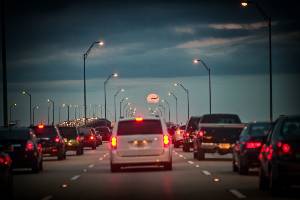 Tailgating other cars is a widespread problem on our nation’s roads. It often occurs because drivers are speeding, and they are angry that another car is in front of them forcing them to slow down. Tailgaters may even feel like they have a right to follow another car so closely because the other car should get out of the way.
 Ever wonder if all the touchscreens and interactive features in newer cars is contributing to distracted driving?
 There are various things that can affect the value of a car crash claim. They include the type and severity of the injuries suffered, how you respond to treatment, wage loss from injuries, the insurance policy limits, and more.
 There is a common misconception that if you hire a lawyer after suffering a personal injury you will need to go to court to recover compensation. Typically, cases are resolved without needing to go to court, as the victim’s attorney can reach a settlement with the liable insurance company.
 The insurance company may sometimes surprise car crash victims by quickly offering a settlement. The insurance adjuster may say it is because he or she wants to resolve the claim as quickly as possible and make sure you receive compensation.